Victoria Kahn – författare
Visar alla böcker från författaren Victoria Kahn. Handla med fri frakt och snabb leverans.
11 produkter
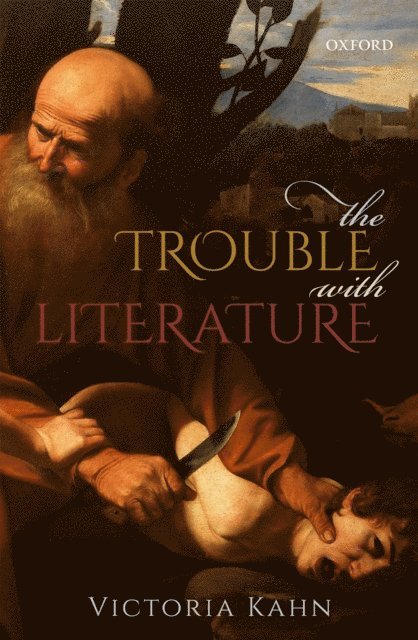
Trouble with Literature
E-bok, 2020
281 kr
Lägg i varukorg
This book, based on the Clarendon Lectures in English for 2017, argues that the literature of the English Reformation marks a turning point in Western thinking about literature and literariness. But instead of arguing that the Reformation fostered English literature, as scholars have often done, …
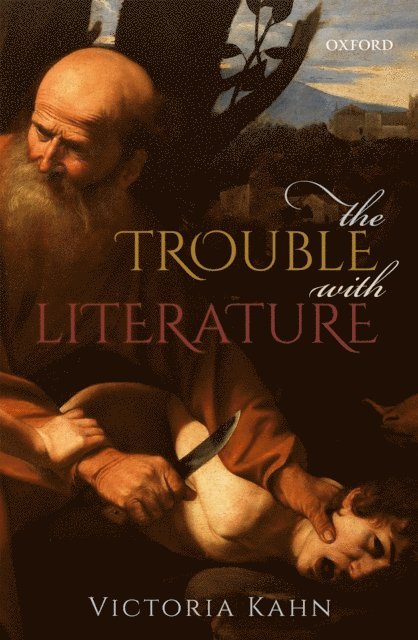
Trouble with Literature
E-bok, 2020
281 kr
Lägg i varukorg
This book, based on the Clarendon Lectures in English for 2017, argues that the literature of the English Reformation marks a turning point in Western thinking about literature and literariness. But instead of arguing that the Reformation fostered English literature, as scholars have often done, …
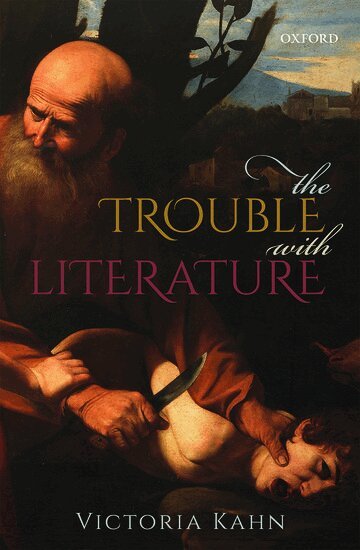
The Trouble with Literature
Inbunden, 2020
712 kr
Lägg i varukorg
This book, based on the Clarendon Lectures in English for 2017, argues that the literature of the English Reformation marks a turning point in Western thinking about literature and literariness. But instead of arguing that the Reformation fostered English literature, as scholars have often done, …
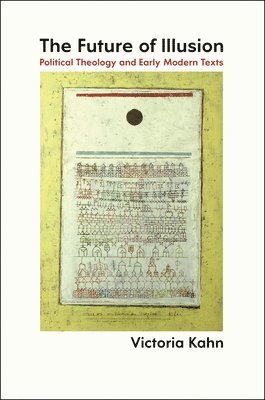
Future of Illusion
Political Theology and Early Modern Texts
Inbunden, 2014
981 kr
Lägg i varukorg
In recent years, the rise of fundamentalism and a related turn to religion in the humanities have led to a powerful resurgence of interest in the problem of political theology. In a critique of this contemporary fascination with the theological underpinnings of modern politics, Victoria Kahn …
Future of Illusion
Political Theology and Early Modern Texts
Häftad, 2016
293 kr
Lägg i varukorg
In recent years, the rise of fundamentalism and a related turn to religion in the humanities have led to a powerful resurgence of interest in the problem of political theology. In a critique of this contemporary fascination with the theological underpinnings of modern politics, Victoria Kahn …
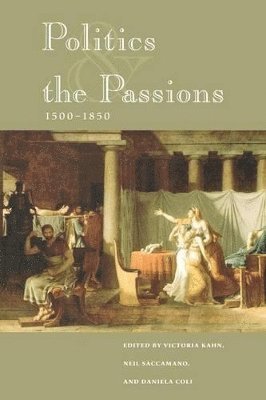
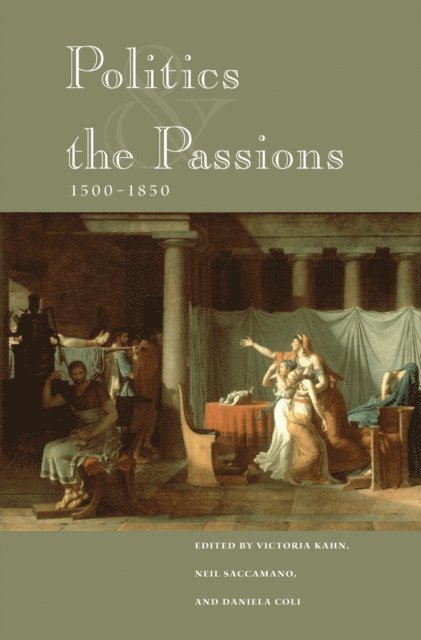
Politics and the Passions, 1500-1850
Av Victoria Kahn, Neil Saccamano m. fl.
Häftad, 2006
460 kr
Lägg i varukorg
Focusing on the new theories of human motivation that emerged during the transition from feudalism to the modern period, this is the first book of new essays on the relationship between politics and the passions from Machiavelli to Bentham. Contributors address the crisis of moral and philosophical …
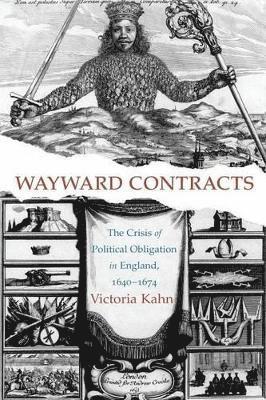
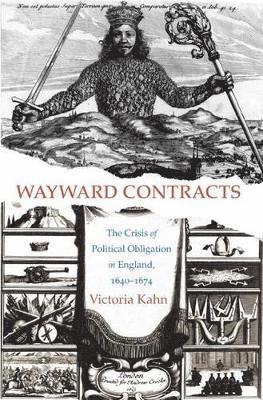
Wayward Contracts
The Crisis of Political Obligation in England, 1640-1674
Häftad, 2016
441 kr
Lägg i varukorg
Why did the language of contract become the dominant metaphor for the relationship between subject and sovereign in mid-seventeenth-century England? In Wayward Contracts, Victoria Kahn takes issue with the usual explanation for the emergence of contract theory in terms of the origins of liberalism, …
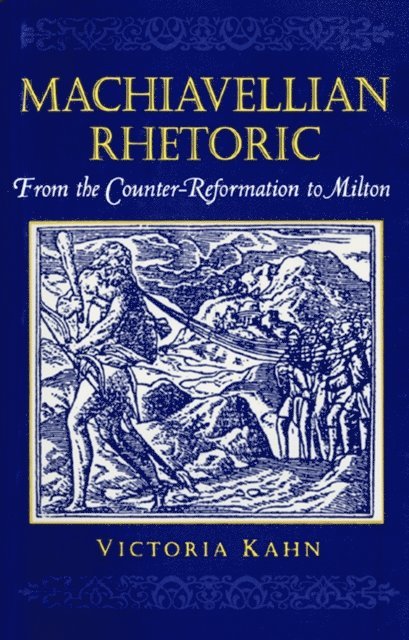
Machiavellian Rhetoric
From the Counter-Reformation to Milton
E-bok, 1994
690 kr
Lägg i varukorg
Historians of political thought have argued that the real Machiavelli is the republican thinker and theorist of civic virtù. Machiavellian Rhetoric argues in contrast that Renaissance readers were right to see Machiavelli as a Machiavel, a figure of force and fraud, rhetorical cunning and …
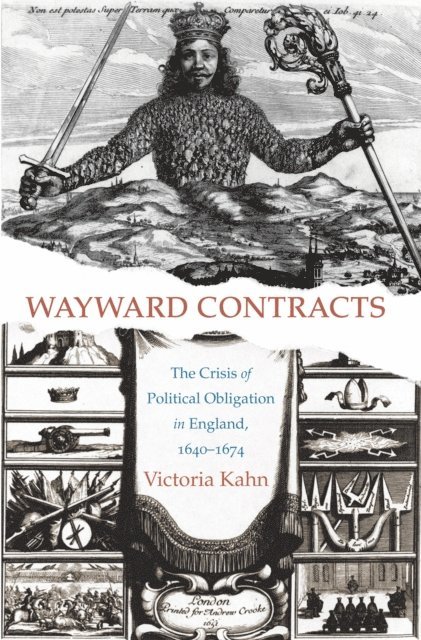
Wayward Contracts
The Crisis of Political Obligation in England, 1640-1674
E-bok, 2009
574 kr
Lägg i varukorg
Why did the language of contract become the dominant metaphor for the relationship between subject and sovereign in mid-seventeenth-century England? In Wayward Contracts , Victoria Kahn takes issue with the usual explanation for the emergence of contract theory in terms of the origins of …
Politics and the Passions, 1500-1850
Av Daniela Coli, Neil Saccamano m. fl.
E-bok, 2009
722 kr
Lägg i varukorg
Focusing on the new theories of human motivation that emerged during the transition from feudalism to the modern period, this is the first book of new essays on the relationship between politics and the passions from Machiavelli to Bentham. Contributors address the crisis of moral and philosophical …
Wayward Contracts
The Crisis of Political Obligation in England, 1640-1674
Inbunden, 2004
921 kr
Tillfälligt slut
Why did the language of contract become the dominant metaphor for the relationship between subject and sovereign in mid-seventeenth-century England? In Wayward Contracts, Victoria Kahn takes issue with the usual explanation for the emergence of contract theory in terms of the origins of liberalism, …