Vincent Haddad - Böcker
Visar alla böcker från författaren Vincent Haddad. Handla med fri frakt och snabb leverans.
3 produkter
3 produkter
1 091 kr
Kommande
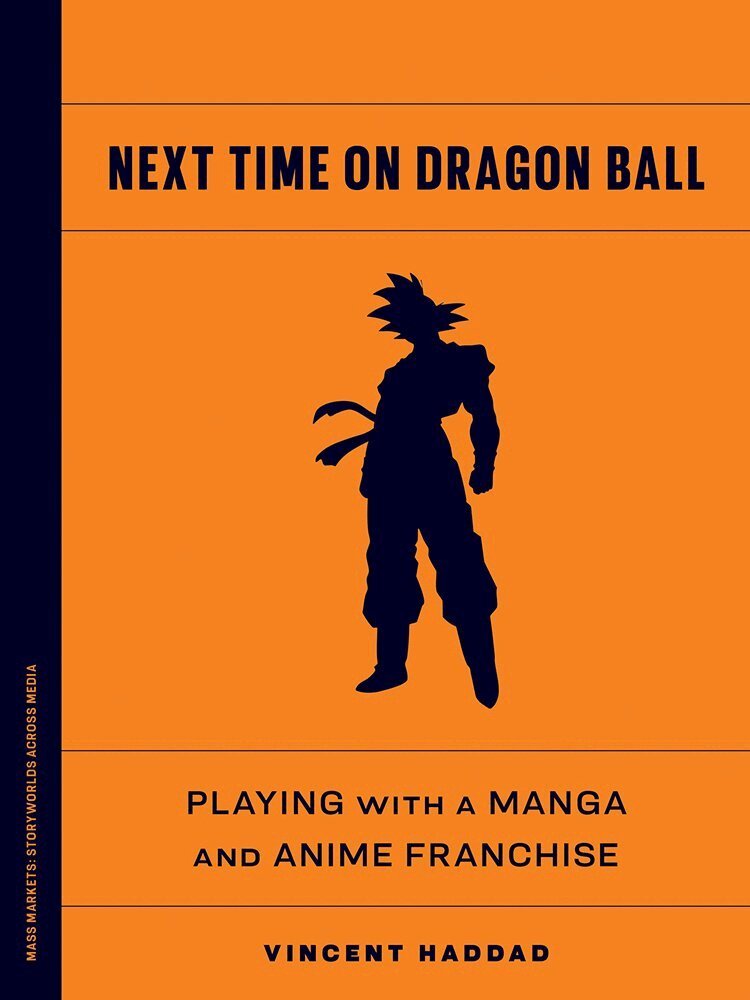
How media production and fan play interact to shape the aesthetics of a global anime franchiseSince its debut in 1984, Dragon Ball has become one of the most popular, influential, and lucrative global media franchises in the world. In Next Time on Dragon Ball, Vincent Haddad investigates how the franchise has maintained huge global demand despite its formulaic plotlines. Examining its exhaustive repetition of storytelling forms across comics, TV series, games, and merchandise, Haddad argues that the convergence of play, fandom, and narrative made Dragon Ball an unlikely success—and a harbinger of broader shifts in the media landscape of franchises from the 1980s to the present.Haddad conceives of Dragon Ball as a "franchise toy," a corporate media property that is constantly remixed by its fans in ways that its owners resist but also ultimately embrace: appropriation is essential to the franchise's popularity. Over the past forty years, Haddad argues, Dragon Ball's deployment of familiar tropes, cultural references, and narrative forms—from classical Chinese stories and the films of Bruce Lee and Jackie Chan to American franchises like Superman and Star Wars—has invited unique transcultural play. Through diverse examples of how fans use its characters as "playthings," Haddad shows how Dragon Ball travels across international networked fandoms, highlighting the queer, gendered, and racialized dimensions of this play.Parsing the dynamics of "sites of conflict" between authorized media and fan content, Next Time on Dragon Ball illuminates how fan engagement across the Americas changes the parameters of what a manga and anime franchise is and can be.Retail e-book files for this title are screen-reader friendly with images accompanied by short alt text and/or extended descriptions.
246 kr
Kommande
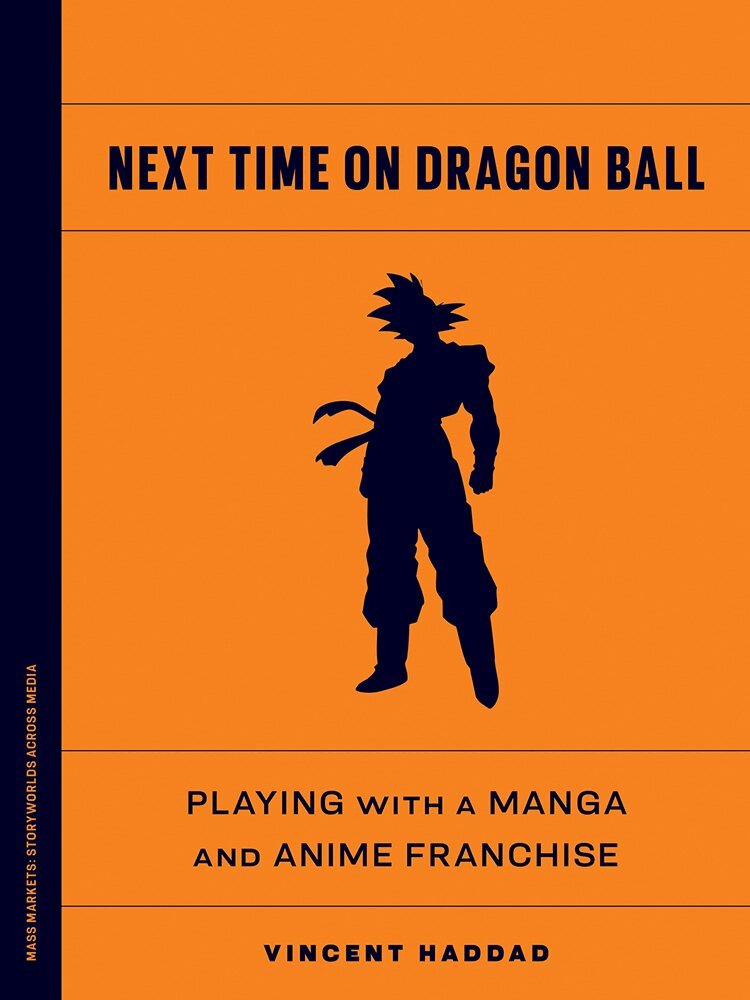
How media production and fan play interact to shape the aesthetics of a global anime franchiseSince its debut in 1984, Dragon Ball has become one of the most popular, influential, and lucrative global media franchises in the world. In Next Time on Dragon Ball, Vincent Haddad investigates how the franchise has maintained huge global demand despite its formulaic plotlines. Examining its exhaustive repetition of storytelling forms across comics, TV series, games, and merchandise, Haddad argues that the convergence of play, fandom, and narrative made Dragon Ball an unlikely success—and a harbinger of broader shifts in the media landscape of franchises from the 1980s to the present.Haddad conceives of Dragon Ball as a "franchise toy," a corporate media property that is constantly remixed by its fans in ways that its owners resist but also ultimately embrace: appropriation is essential to the franchise's popularity. Over the past forty years, Haddad argues, Dragon Ball's deployment of familiar tropes, cultural references, and narrative forms—from classical Chinese stories and the films of Bruce Lee and Jackie Chan to American franchises like Superman and Star Wars—has invited unique transcultural play. Through diverse examples of how fans use its characters as "playthings," Haddad shows how Dragon Ball travels across international networked fandoms, highlighting the queer, gendered, and racialized dimensions of this play.Parsing the dynamics of "sites of conflict" between authorized media and fan content, Next Time on Dragon Ball illuminates how fan engagement across the Americas changes the parameters of what a manga and anime franchise is and can be.Retail e-book files for this title are screen-reader friendly with images accompanied by short alt text and/or extended descriptions.
Detroit Genre
Race, Dispossession, and Resilience in American Literature and Film, 1967-2023
Häftad, Engelska, 2024
333 kr
Skickas inom 7-10 vardagar
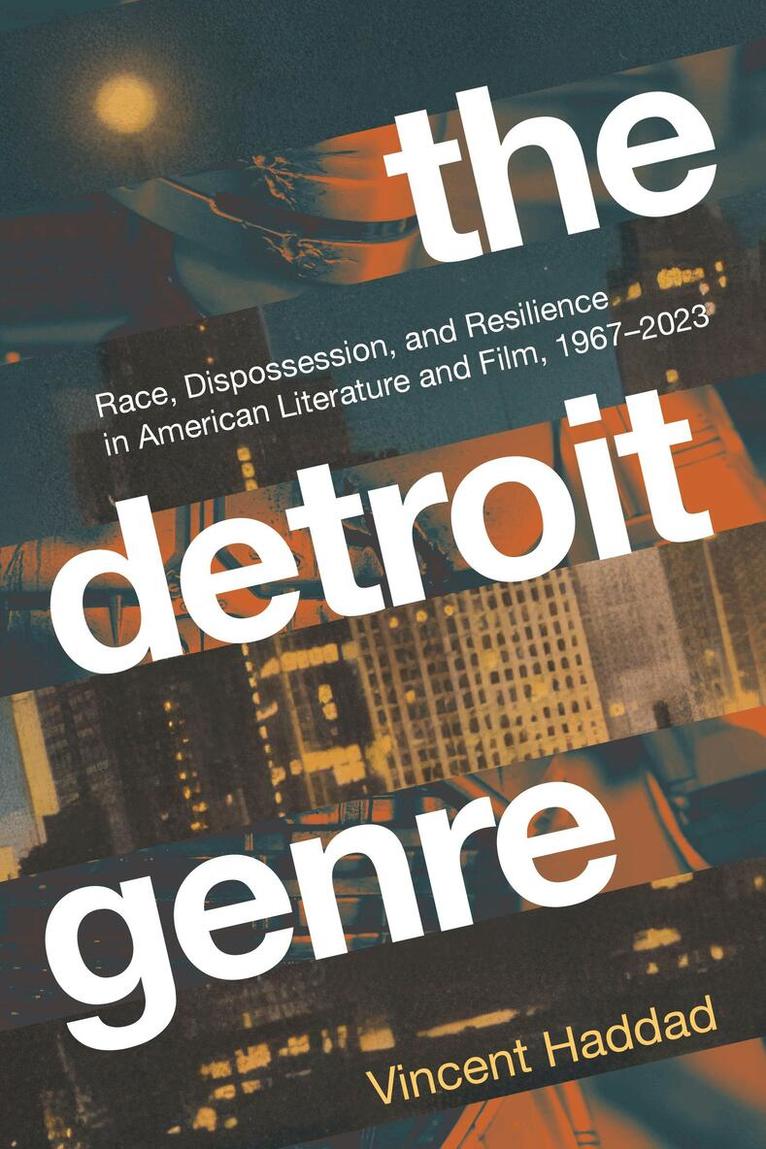
Detroit has an essential relationship to genre in American literature and popular culture. The contemporary formations of the suburban sitcom, the post-apocalyptic genre, the sci-fi dystopia, crime fiction, the superhero genre, and contemporary horror would not exist in the way they do today without the aesthetic material and racial history of Detroit. When DC Comics wanted to compete with Marvel and market “socially relevant” comics, especially ones dealing with issues of race, they swapped Gotham and Metropolis for Detroit. What about vampires concerned with de-industrialization, heritage conservation, and impending water wars? Must be Detroit. A story about a half-man, half-robot wrestling with what it means to be human by fighting crime? Improbably, Detroit has two. Author Vincent Haddad’s The Detroit Genre provides the first comprehensive literary and cultural investigation of the representations of Detroit in popular and literary culture.The book first establishes the concept of the “Detroit genre” that emerged in late 1960s and traces the tropes of this white-centric narrative genre in popular culture, touching on key texts including Blue Collar, Robocop, The Crow, It Follows, and Barbarian. The second part shows how Black writers, including Alice Randall, adrienne maree brown, Stephen Mack Jones, and Angela Flournoy, reclaimed and revised the Detroit genre by un-fixing Detroit narratives of dispossession, criminality, and industrial and social failure through formal experimentations on genre itself.Where Detroit has typically been painted in the news as one of three things—the center of the automotive industry; crime-ridden and in ruins; or as a “blank canvas” with limitless potential of entrepreneurship—Vincent Haddad shows that the Detroit genre in literature and film can be far more powerful than news media in narrating Black dispossession as a pragmatic, even liberal consensus. The texts studied here condition forgetfulness about Detroit’s history or expose it to a full reckoning, direct attention toward or away from the city’s agents of injustice, fetishize resilience or model resistance, and foreclose or imagine a future of Black liberation. Appealing to scholars of popular literature, media, race, and American studies, The Detroit Genre is an accessible and engaging study of the city’s influence on a wide array of genres in pop culture.