Vincent O'Hara - Böcker
Visar alla böcker från författaren Vincent O'Hara. Handla med fri frakt och snabb leverans.
15 produkter
15 produkter
250 kr
Skickas
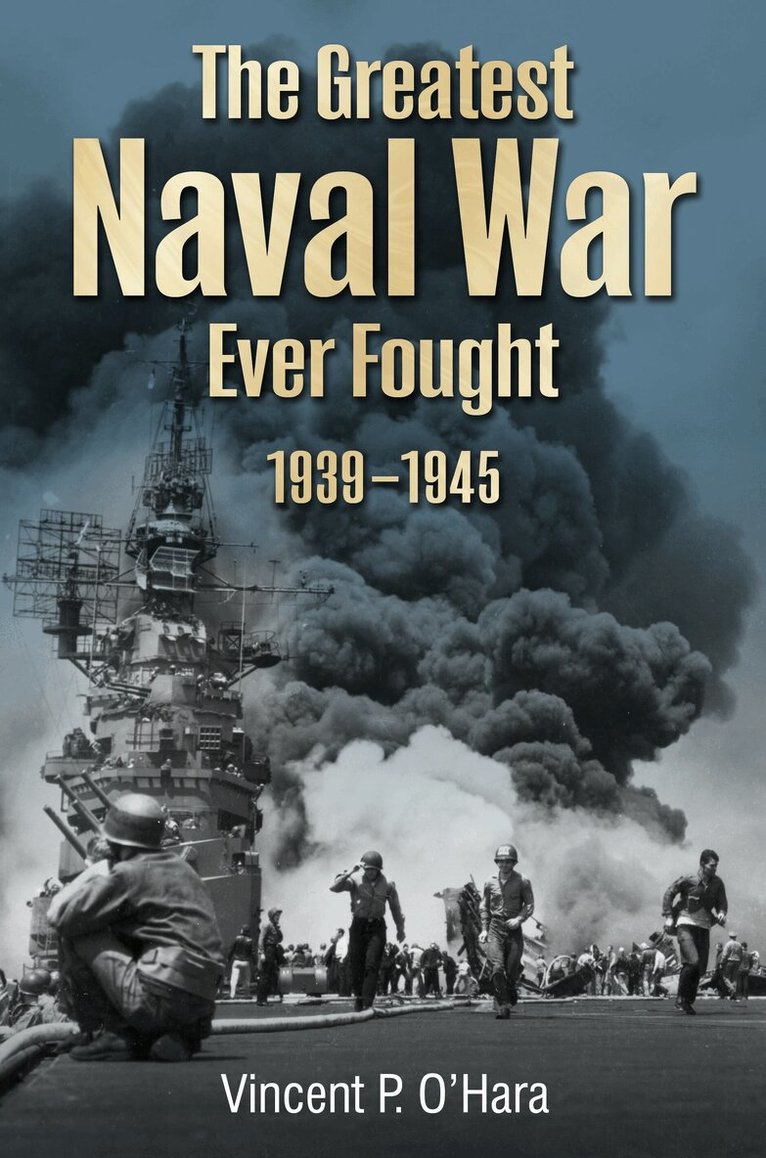
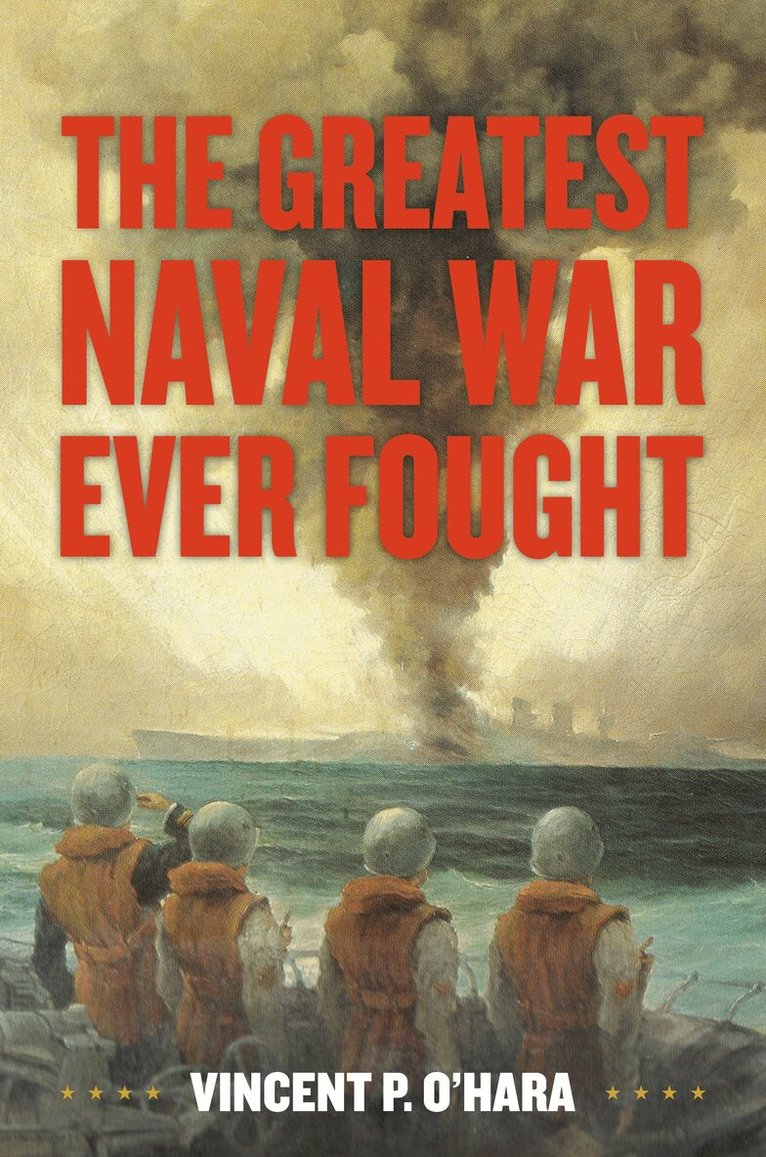
The greatest naval conflict in history was unquestionably that which took place during the Second World War. The geographical spread was global and involved dozens of nations, and it was a conflict that involved more than 15,000 ships and 43.7 million tons of shipping, while some 570,000 lives were lost at sea. Vince O’Hara captures every aspect of that vast naval conflict and provides a complete and panoramic single-volume history. The naval action begins in the Baltic Sea before dawn on 1 September 1939, when a German battleship opened fire on Polish troops barricaded in a fortress in the port city of Danzig, Poland. Over the ensuing nine months, the conflict spread into Great Britain’s home waters of the North Sea, the English Channel, and the eastern Atlantic; and in that theatre the battle against the U-boat grew into one of the most epic aspects of the whole war. One of the most remarkable naval achievements of the war occurred in 1940 during the German invasion of Norway when the Kriegsmarine’s successful attack in the face of immensely superior Allied naval forces signalled the advent of large-scale amphibious operations. As naval activities in Europe expanded into the Mediterranean, the war in the Pacific ignited with the Japanese attack on Pearl Harbor in December 1941, an assault that led to a series of critical naval battles between Japan and the United States, including Wake Island, Coral Sea, Midway, and Guadalcanal. O’Hara not only deftly examines all the major naval contests in the European and Pacific theatres but also offers detailed analysis of secondary navies such as France, Italy, and the Soviet Union. He explores little-known, smaller engagements such as the campaigns between Thailand and France or Perú and Ecuador. He also connects this broad range of naval action by focussing on recurring themes such as technological innovation, command and control, logistics, and intelligence. And he shows that the most significant naval platforms to emerge from the war, and which gave the Allies victory, were the oiler, the Landing Ship Tank (LST), and the Liberty ship—not the aircraft carrier, the submarine, or the battleship. And, finally, he demonstrates to readers how the impact of the naval battles won by the Allies still reverberates today.
265 kr
Skickas inom 5-8 vardagar
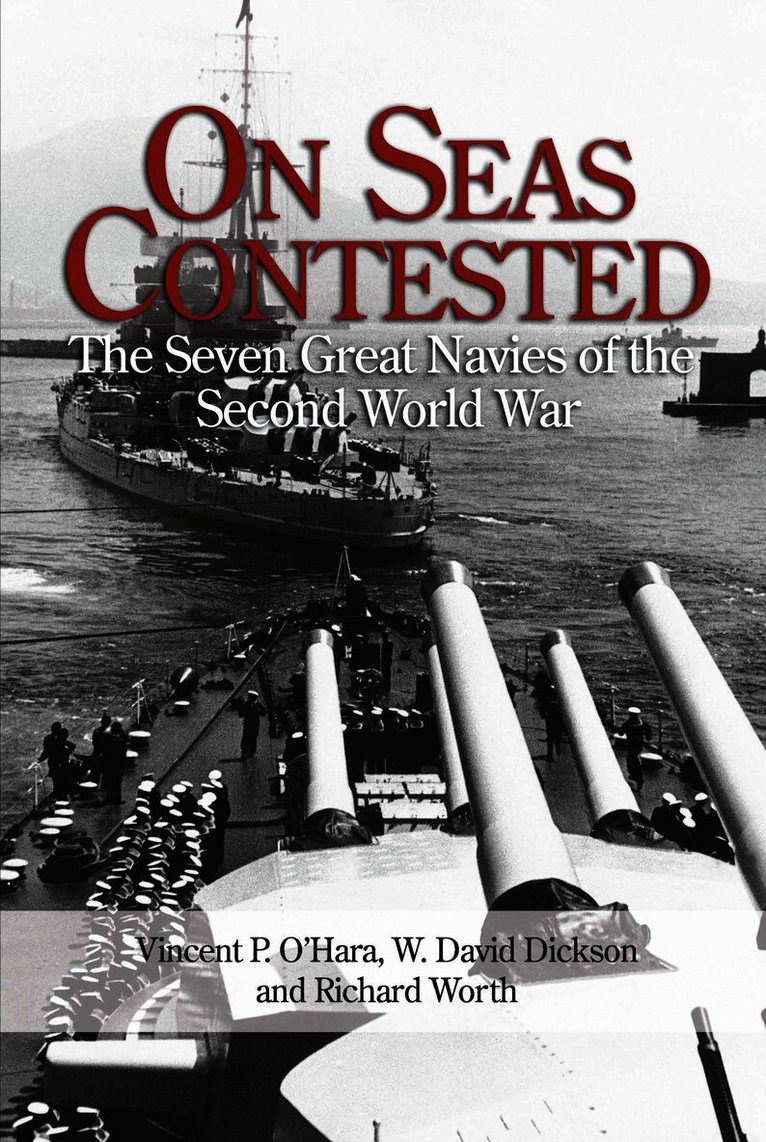
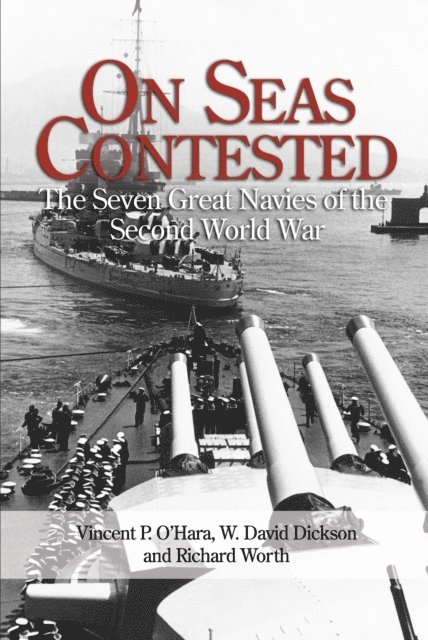
On Seas Contested is an in-depth analysis of the Second World War's seven major navies. A team of expert naval historians have contributed chapters outlining the navies of the United States, the United Kingdom and Commonwealth, Japan, Germany, Italy, France, and the Soviet Union. Each chapter consistently details key features such as weaponry, training, logistics, and doctrine. This definitive work will be a standard reference for years to come.
180 kr
Tillfälligt slut
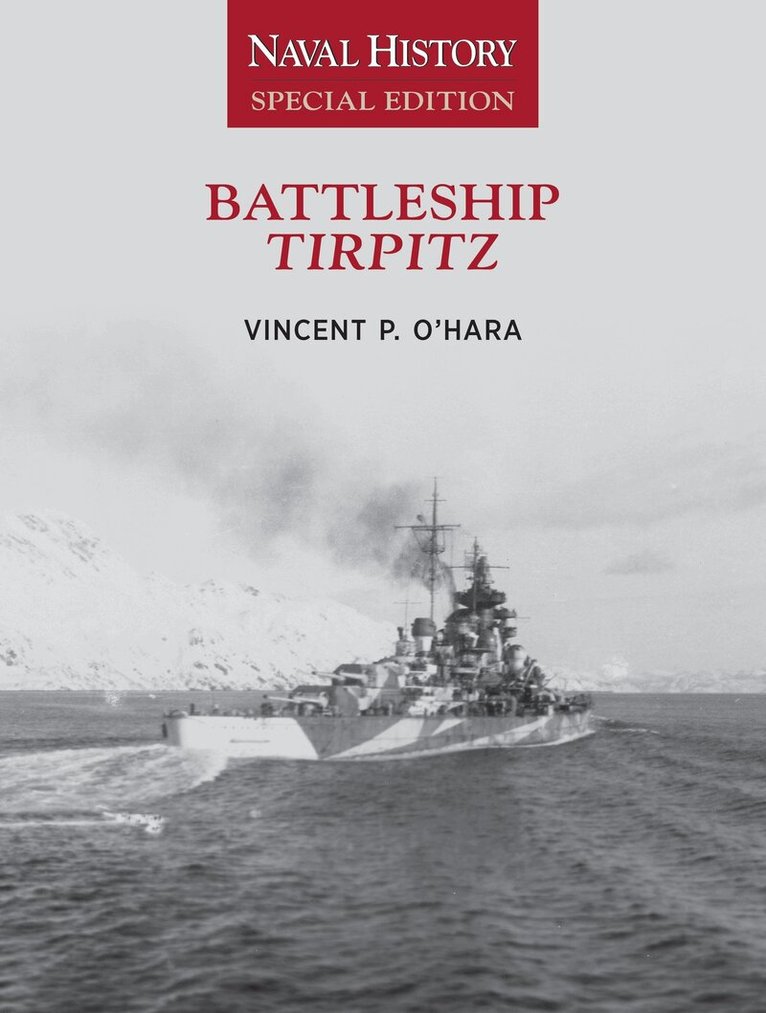
Building upon the expertise of the authors and historians of the Naval Institute Press, the Naval History Special Editions are designed to offer studies of the key vessels, battles, and events of armed conflict. Using an image-heavy, magazine-style format, these Special Editions should appeal to scholars, enthusiasts, and general readers alike. In 1939 the battleship was the queen of the seas. Battleships were designed to project power. They were the biggest and most powerful ships afloat, and the yardsticks by which the world judged naval strength. Within this context, the German battleship Tirpitz (sister ship of Bismarck) was one of the most effective instruments of naval power ever deployed. The British called her "The Beast". She spent the greater part of the Second World War tucked away in isolated fjords north of the Arctic Circle--where she became known as, "The Lonely Queen of the North." She sortied only three times and never fired her guns at an enemy warship. Yet, against this menace the British exerted unequaled effort. At all times they kept a pair of modern battleships standing by to face her should she sail; they built mini-submarines that could operate in the waters of the fjords; they repeatedly massed aircraft carrier strike forces in futile efforts to knock her from the war. At last, they invented massive ordnance--the Tallboy bomb, the largest non-nuclear explosive device of the war. Sending their heaviest bombers against her, and after three years of sustained effort, the Beast was sunk. The remarkable career of this remarkable ship is the subject of this authoritative and heavily illustrated Special Edition. It considers Tirpitz's design, her construction, her historical context and all of her operations. The power of this individual ship and the influence she exerted on the entire course of the war makes for an enlightening demonstration of the sometimes very unexpected way sea power can be expressed.
180 kr
Tillfälligt slut
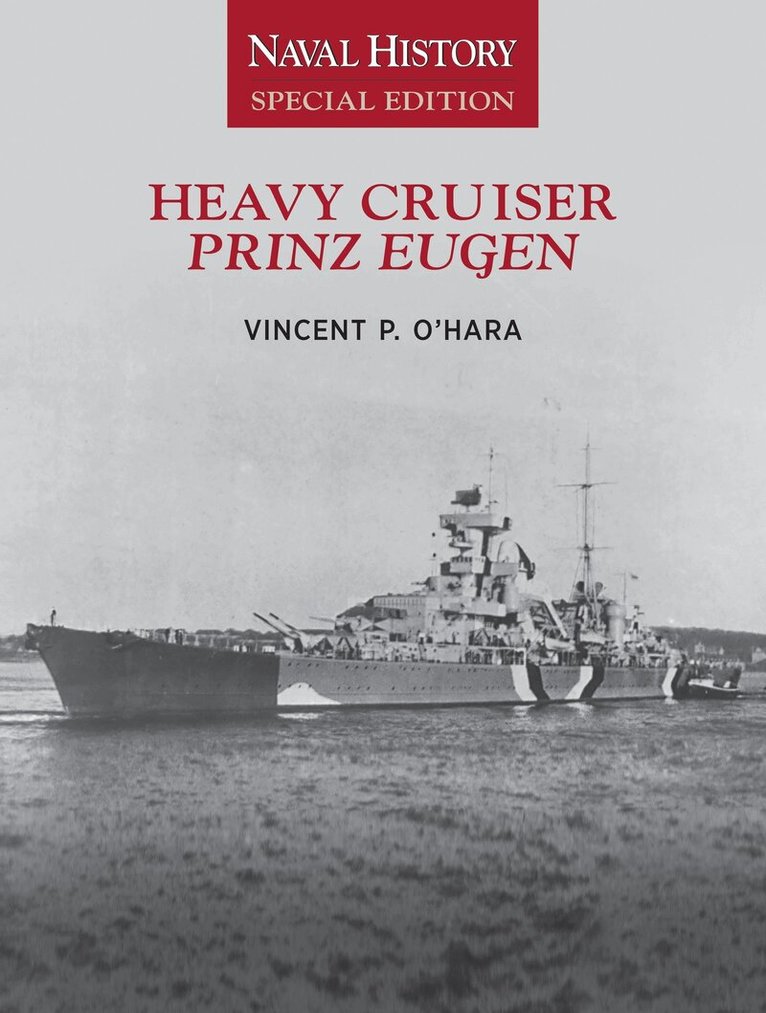
Building upon the expertise of the authors and historians of the Naval Institute Press, the Naval History Special Editions are designed to offer studies of the key vessels, battles, and events of armed conflict. Using an image-heavy, magazine-style format, these Special Editions should appeal to scholars, enthusiasts, and general readers alike. The German heavy cruiser Prinz Eugen was a remarkable vessel by any standard. She was arguably one of the most handsome major warships ever constructed. The third ship of the Admiral Hipper-class and named for a French hero of the Austrian Empire, the ship represented the spirit and tradition of the old Austro-Hungarian Royal and Imperial navy. She participated in some of the most interesting naval actions of World War II in European waters including the Battle of the Denmark Strait where she helped the German battleship Bismarck sink the British battlecruiser Hood, and the Channel Dash ten months later when she sailed through the English Channel in broad daylight, successfully repelling British sea and air attacks along the way. She fought the Russians in the Baltic and was the largest German warship to survive the war. Handed over to the Americans as a war prize and given hull number IX-300, she was sunk in an atomic bomb test at Bikini Atoll in the Marshall Islands. Today, her wreck is a popular dive attraction in shallow water at Kwajalein Atoll. This book provides more than just a complete record of Prinz Eugen's career. The collection of maps and photographs reveals every aspect of her brief but intense time afloat and O'Hara reviews her design and equipment with meticulous detail. When launched, the German cruiser was one of the most technologically advanced warships afloat with the world's best electronics suite, and with sensors so advanced, the Americans had nothing similar (her hydrophones detected Hood at more than twenty miles). This is an in-depth look at the remarkable career of a remarkable ship.
299 kr
Skickas inom 5-8 vardagar
372 kr
Tillfälligt slut
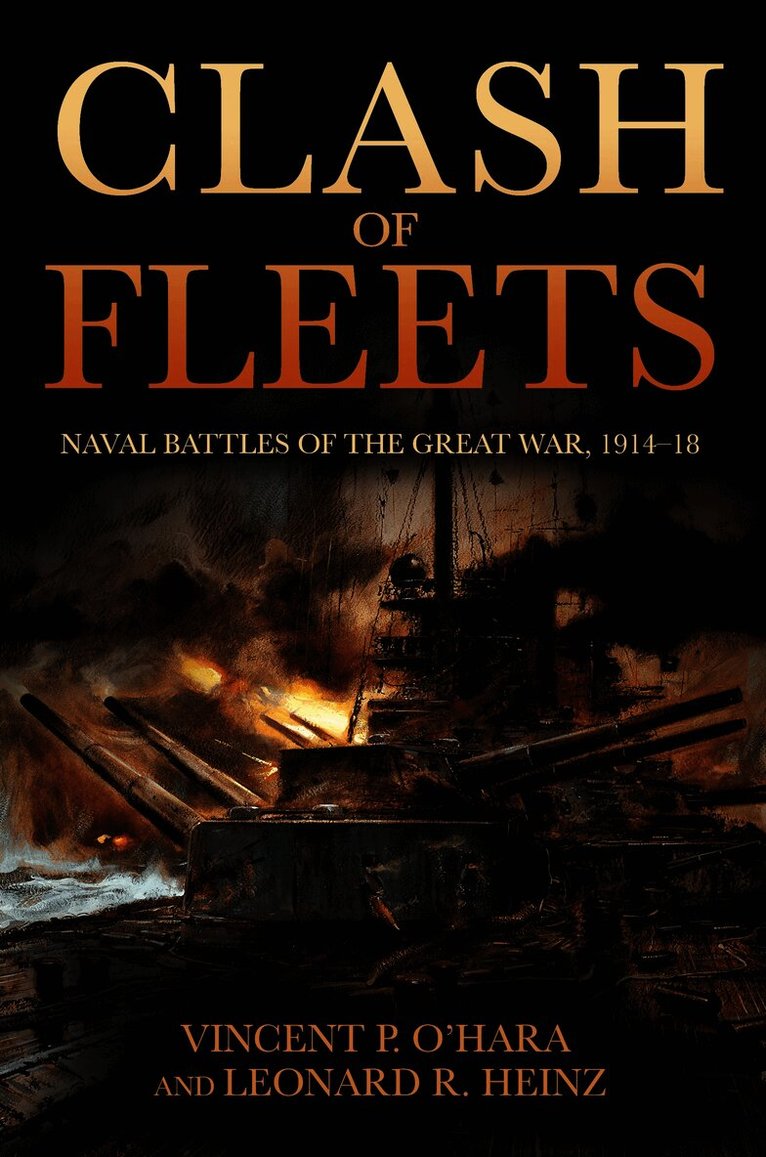
Clash of Fleets is an operational history that records every naval engagement fought between major surface warships during World War I. Much more than a catalog of combat facts, Clash of Fleets explores why battles occurred; how the different navies fought; and how combat advanced doctrine and affected the development and application of technology. The result is a holistic overview of the war at sea as it affected all nations and all theaters of war. A work of this scope is unprecedented.Organized into seven chapters, the authors first introduce the technology, weapons, ships, and the doctrine that governed naval warfare in 1914. The next five chapters explore each year of the war and are subdivided into sections corresponding to major geographic areas. This arrangement allows the massive sweep of action to be presented in a structured and easy to follow format that includes engagements fought by the Austro-Hungarian, British, French, German, Ottoman, and Russian Navies in the Adriatic, Aegean, Baltic, Black, Mediterranean, and North Seas as well as the Atlantic, India, and Pacific Oceans. The role of surface combat in the Great War is analyzed and these actions are compared to major naval wars before and after. In addition to providing detailed descriptions of actions in their historical perspectives, O’Hara and Heinz advance several themes, including the notion that World War I was a war of navies as much as a war of armies. They explain that surface combat had a major impact on all aspects of the naval war and on the course of the war in general. Finally, Clash of Fleets illustrates that systems developed in peace do not always work as expected in war, that some are not used as anticipated, and that others became unexpectedly important. There is much for today’s naval professional to consider in the naval conflict that occurred a century ago.
294 kr
Tillfälligt slut
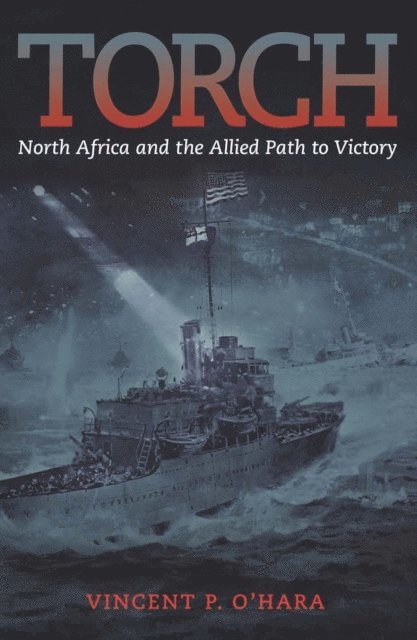
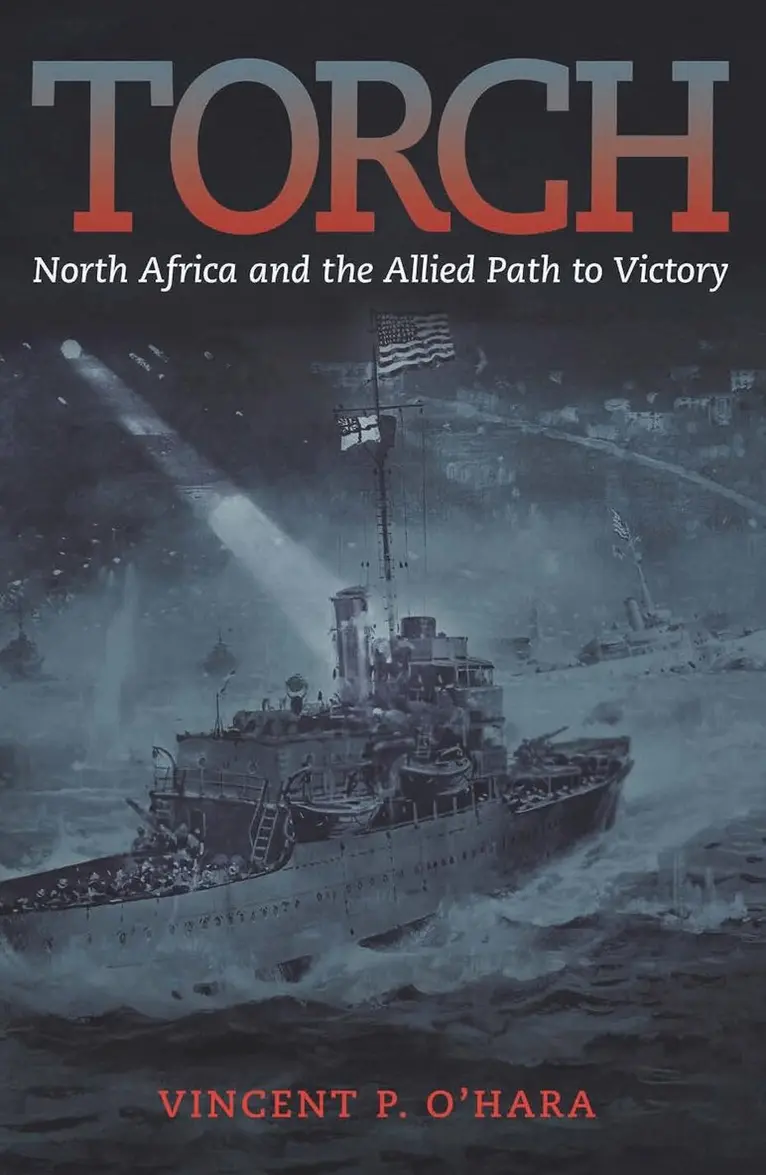
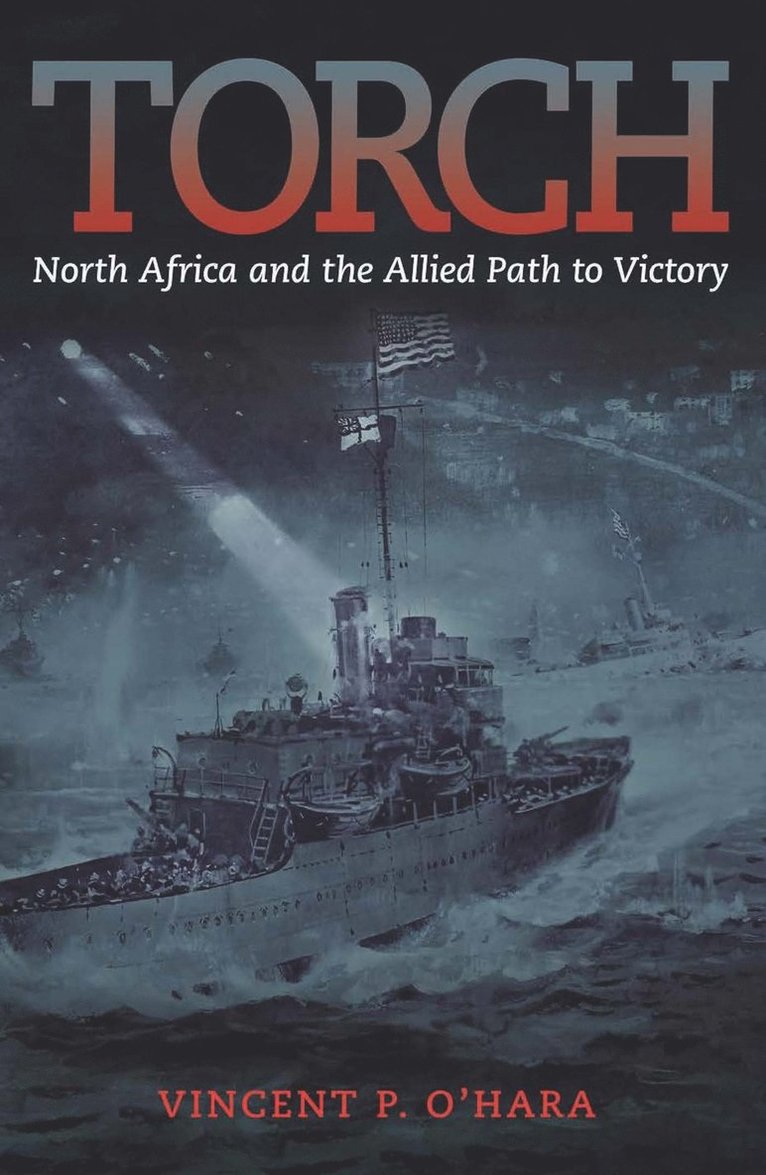
World War II had many superlatives, but none like Operation Torch—a series of simultaneous amphibious landings, audacious commando and paratroop assaults, and the Atlantic's biggest naval battle, fought across a two thousand mile span of coastline in French North Africa. The risk was enormous, the scale breathtaking, the preparations rushed, the training inadequate, and the ramifications profound. Torch was the first combined Allied offensive and key to how the Second World War unfolded politically and militarily. Nonetheless, historians have treated the subject lightly, perhaps because of its many ambiguities. As a surprise invasion of a neutral nation, it recalled German attacks against countries like Belgium, Norway, and Yugoslavia. The operation's rationale was to aid Russia but did not do this. It was supposed to get Americans troops into the fight against Germany but did so only because it failed to achieve its short-term military goals. There is still debate whether Torch advanced the fight against the Axis, or was a wasteful dispersion of Allied strength and actually prolonged the war. Torch: North Africa and the Allied Path to Victory is a fresh look at this complex and controversial operation. The book covers the fierce Anglo-American dispute about the operation and charts how it fits into the evolution of amphibious warfare. It recounts the story of the fighting, focusing on the five landings—Port Lyautey, Fédala, and Safi in Morocco, and Oran and Algiers in Algeria—and includes air and ground actions from the initial assault to the repulse of Allied forces on the outskirts of Tunis. Torch also considers the operation's context within the larger war and it incorporates the French perspective better than any English-language work on the subject. It shows how Torch brought France, as a power, back into the Allied camp; how it forced the English and the Americans to work together as true coalitions partners and forge a coherent amphibious doctrine. These skills were then applied to subsequent operations in the Mediterranean, in the English Channel, and in the Pacific. The story of how this was accomplished is the story of how the Allies brought their power to bear on the enemy's continental base and won World War II.
281 kr
Tillfälligt slut
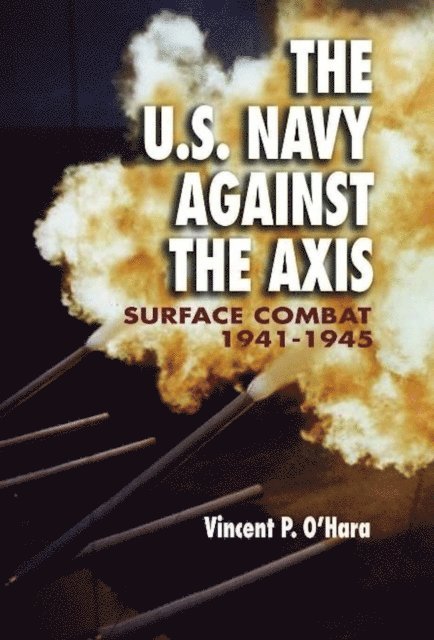
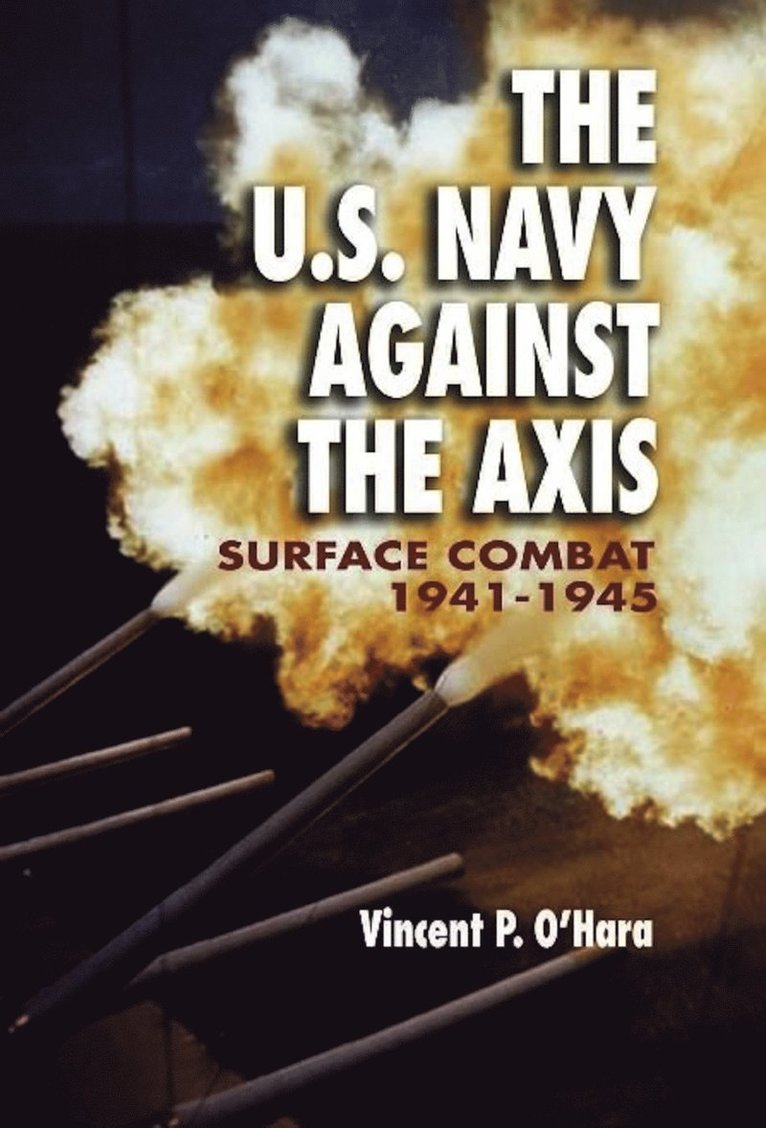
The U.S. Navy against the Axis tells the story of the U.S. Navy’s surface fleet in World War II with an emphasis on ship-to-ship combat. It advances the thesis that the fleet’s role in America’s ultimate victory was more crucial than commonly realized and that it holds many lessons for today’s Navy and the nation as a whole.The book refutes the widely-held notion that the attack on Pearl Harbor suddenly rendered surface combatants obsolete and that aviation and submarines dominated the Pacific War; it demonstrates that the battleships, cruisers and destroyers made major contributions to America’s victory and played decisive roles at critical junctures.The U.S. Navy against the Axis offers a cautionary parable relevant to today’s Navy. It demonstrates how swift adaptability and intellectual honesty were fundamental to the Navy’s success against Japan. The book’s underlying premises is that we cannot assume that in a conflict against conventional or asymmetric enemies, the nation holds title to the same virtues demonstrated by the Navy three generations past. Instead those lessons need to be constantly studied and validated in the face of postwar mythologies, lest they be forgotten.
Six Victories
North Africa, Malta, and the Mediterranean Convoy War, November 1941-March 1942
Inbunden, Engelska, 2019
322 kr
Tillfälligt slut
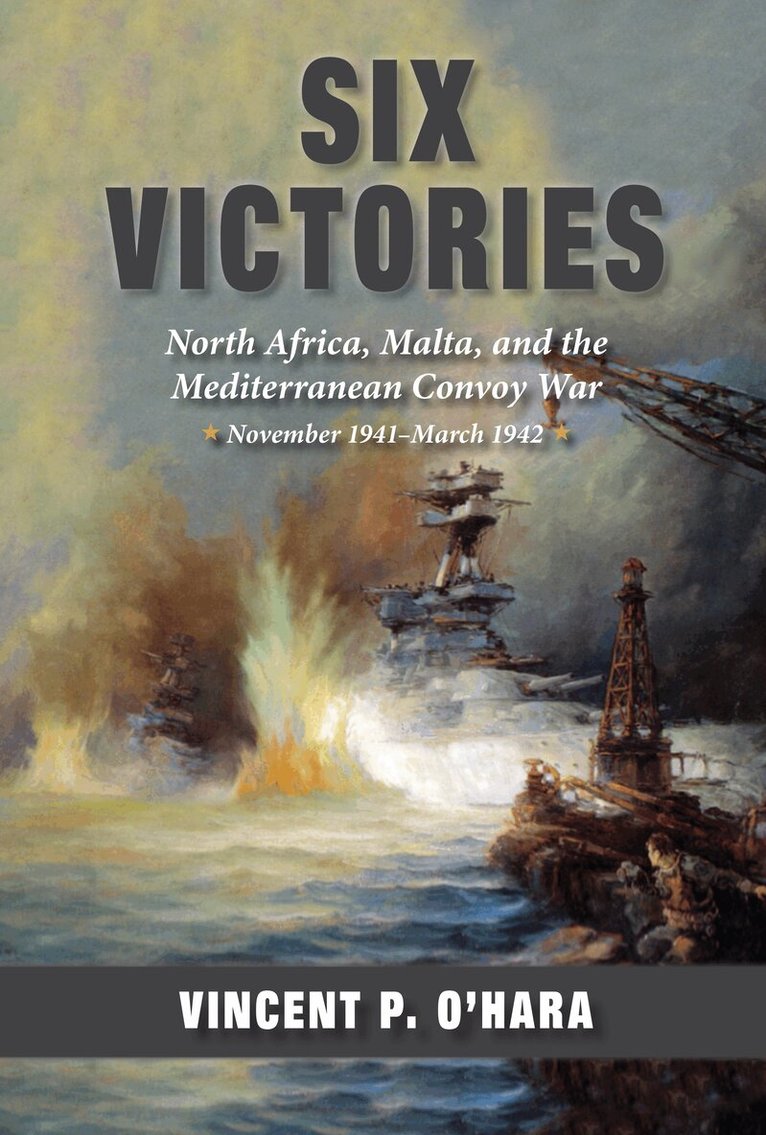
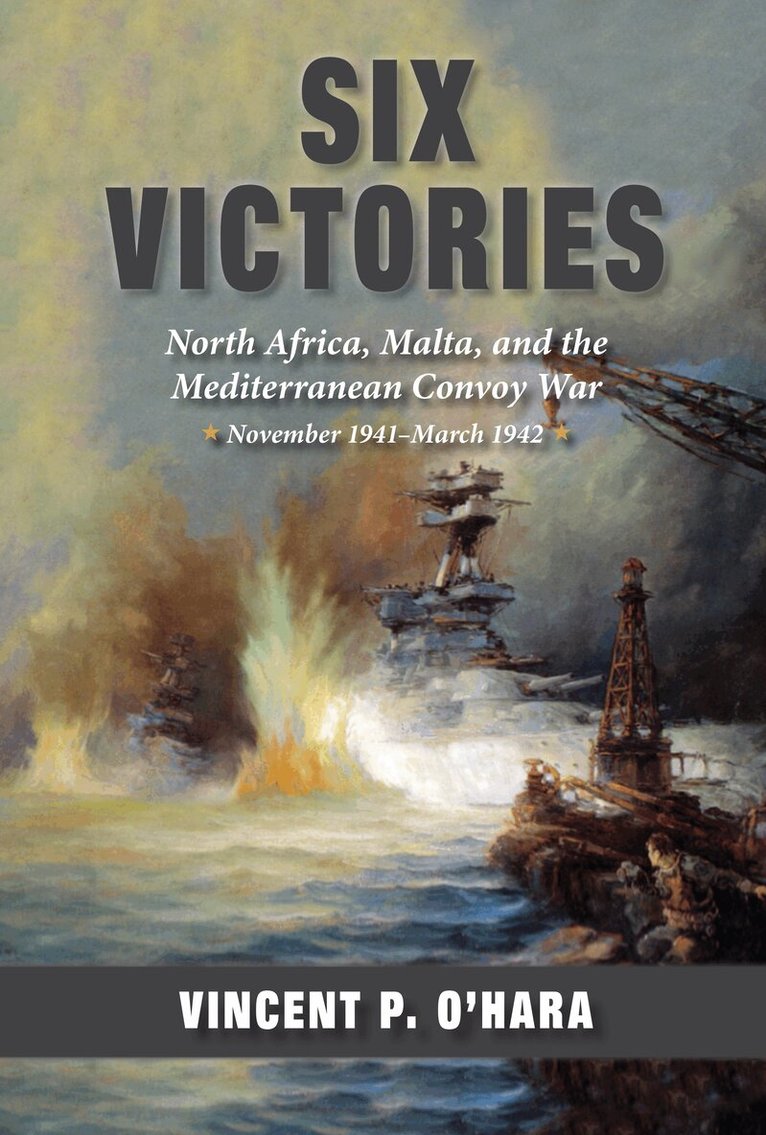
Six Victories examines one of the most interesting and instructive naval campaigns of World War II: the war on traffic in the Mediterranean during the fall and winter of 1941-42. It is a cautionary tale of how sea power was practiced, and how it shifted 180 degrees overnight. Based on British and Italian archival sources, the book emphasises strategic context, the role of intelligence, and the campaign's logistics. In October 1941, the British Admiralty based a surface strike force in Malta to attack Axis sea lanes between Italy and Africa. Aided by Ultra intelligence, submarines, and bombers based in Malta, this force dominated the Central Mediterranean. From the end of October through the middle of December 1941, less than a third of the supplies shipped from Italian ports arrived in Libya. Shortages of ammunition and fuel finally compelled the Afrika Korps to retreat four hundred miles. Then, in the space of thirty hours, this all changed. First, Italian naval forces broke the blockade by fighting through a major convoy that arrived in time to blunt the British advance; next, the strike force plowed into a minefield laid by Italian cruisers; and finally, in a daring attack, Italian commandos crippled the Mediterranean Fleet's battleships in port. The swing in fortune was immediate and dramatic.Six Victories breaks new ground in the historiography of World War II. A compelling story, it relates lessons that are relevant today and should be required reading for all who practice the art of power at sea, and for those who want to understand the intricate and interrelated factors that are the foundations of military success.
265 kr
Skickas inom 5-8 vardagar
Clash of Fleets is an operational history that records every naval engagement fought between major surface warships during World War I. Much more than a catalog of combat facts, Clash of Fleets explores why battles occurred; how the different navies fought; and how combat advanced doctrine and affected the development and application of technology. The result is a holistic overview of the war at sea as it affected all nations and all theaters of war. A work of this scope is unprecedented.Organized into seven chapters, the authors first introduce the technology, weapons, ships, and the doctrine that governed naval warfare in 1914. The next five chapters explore each year of the war and are subdivided into sections corresponding to major geographic areas. This arrangement allows the massive sweep of action to be presented in a structured and easy to follow format that includes engagements fought by the Austro-Hungarian, British, French, German, Ottoman, and Russian Navies in the Adriatic, Aegean, Baltic, Black, Mediterranean, and North Seas as well as the Atlantic, India, and Pacific Oceans. The role of surface combat in the Great War is analyzed and these actions are compared to major naval wars before and after. In addition to providing detailed descriptions of actions in their historical perspectives, O'Hara and Heinz advance several themes, including the notion that World War I was a war of navies as much as a war of armies. They explain that surface combat had a major impact on all aspects of the naval war and on the course of the war in general. Finally, Clash of Fleets illustrates that systems developed in peace do not always work as expected in war, that some are not used as anticipated, and that others became unexpectedly important. There is much for today's naval professional to consider in the naval conflict that occurred a century ago.
211 kr
Skickas inom 11-20 vardagar
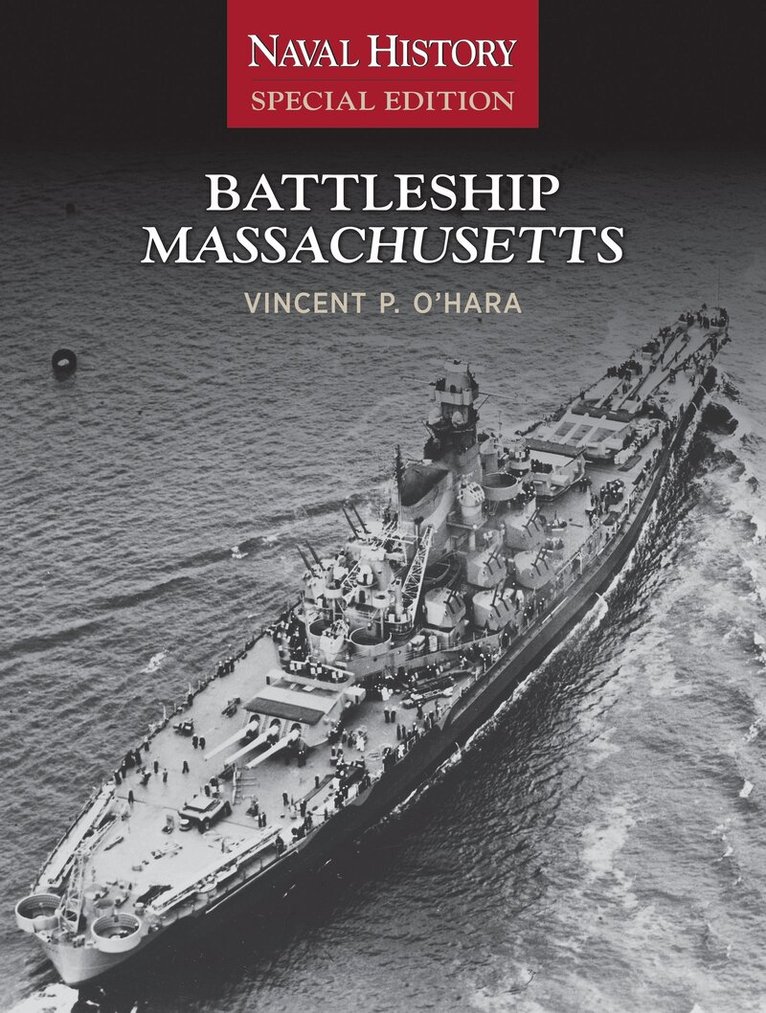
Building upon the expertise of the authors and historians of the Naval Institute Press, the Naval History Special Editions are designed to offer studies of the key vessels, battles, and events of armed conflict. Using an image-heavy, magazine-style format, these Special Editions should appeal to scholars, enthusiasts, and general readers alike. USS Massachusetts (BB-59) is the third ship of the South Dakota-class, whose short but intense career encapsulates the story of the U.S. Navy in World War II. Laid down in July 1939. She was launched three months before Pearl Harbor. Her massive 16-inch/45 caliber Mark 6 guns were the first of their type to fire on an enemy in combat during World War II, and they also held the distinction of discharging the last 16-inch salvos of the war. Her shells fell on targets from Casablanca to the suburbs of Tokyo. She engaged an enemy battleship and protected one of the most important American amphibious operations of the war. She scored several of the longest-range gunfire hits against a moving target in the history of naval warfare, and this during her shakedown cruise with a crew that was 80 percent straight from the recruiting center. After this remarkable beginning, Massachusetts served in the Pacific, in the Gilberts, Marshalls, Philippines, and in the Okinawa and Japanese campaigns. This Naval History Special Edition tells how she was constructed, manned, and was equipped. This work is richly illustrated with an outstanding collection of photographs covering her entire career. The content draws upon her war diaries, her action reports, and the oral histories of the men who served aboard her. This book tells the story of each of the eleven battle starts earned by Massachusetts. It is the story of the U.S. Navy's unprecedented triumph in World War II.
359 kr
Tillfälligt slut
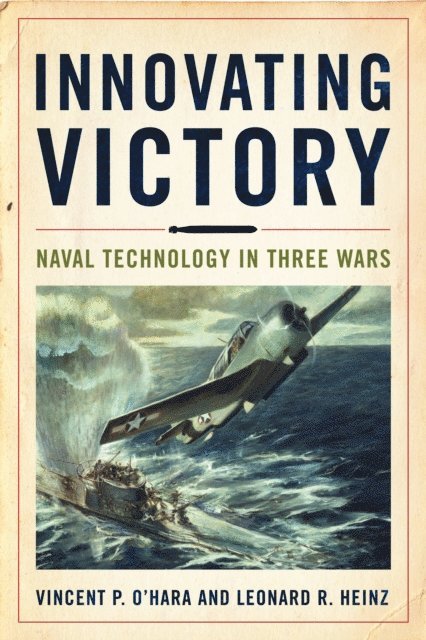
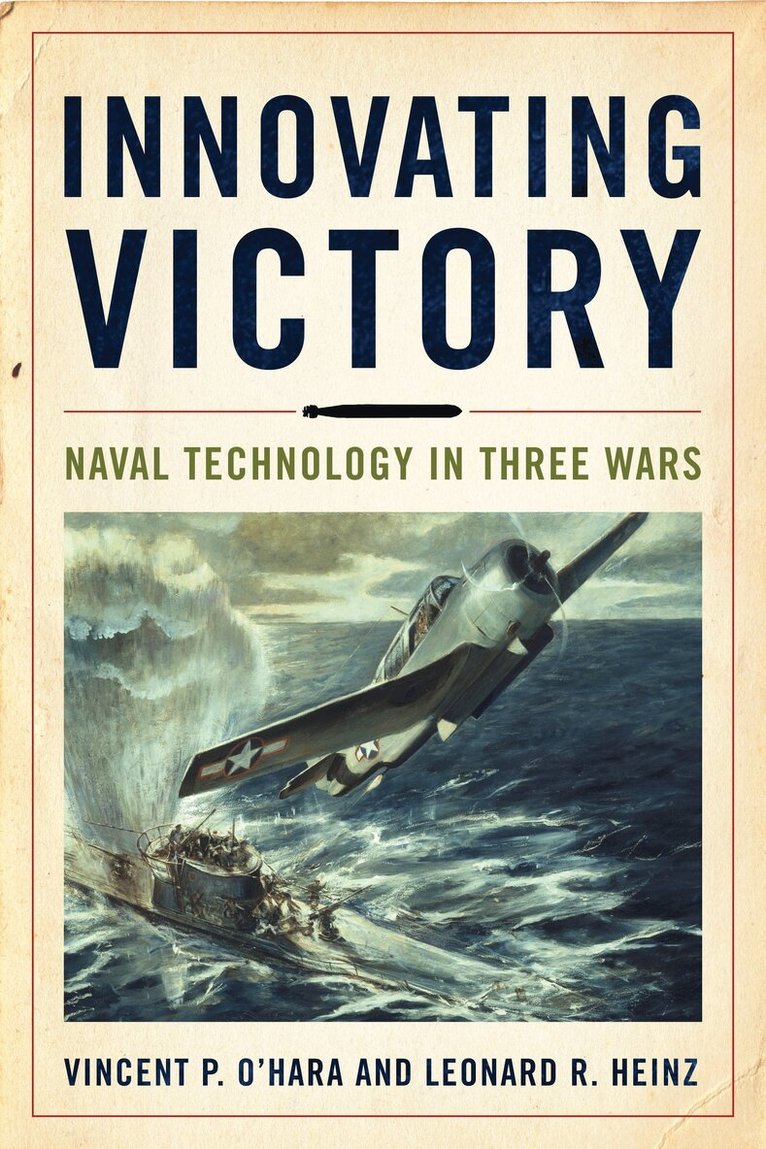
Innovating Victory: Naval Technology in Three Wars, studies how the world's navies incorporated new technologies into their ships, their practices, and their doctrine. It does this by examining six core technologies fundamental to twentieth-century naval warfare including new platforms (submarines and aircraft), new weapons (torpedoes and mines), and new tools (radar and radio). Each chapter considers the state of a subject technology when it was first used in war and what navies expected of it. It then looks at the way navies discovered and developed the technology's best use, in many cases overcoming disappointed expectations. It considers how a new technology threatened its opponents, not to mention its users, and how those threats were managed.Innovating Victory shows that the use of technology is more than introducing and mastering a new weapon or system. Differences in national resources, force mixtures, priorities, perceptions, and missions forced nations to approach the problems presented by new technologies in different ways. Navies that specialized in specific technologies often held advantages over enemies in some areas but found themselves disadvantaged in others. Vincent P. O'Hara and Leonard Heinz present new perspectives and explore the process of technological introduction and innovation in a way that is relevant to today's navies, which face challenges and questions even greater than those of 1904, 1914, and 1939.
Six Victories
North Africa, Malta, and the Mediterranean Convoy War, November 1941-March 1942
Häftad, Engelska, 2024
265 kr
Skickas inom 5-8 vardagar
Six Victories examines one of the most interesting and instructive naval campaigns of World War II: the war on traffic in the Mediterranean during the fall and winter of 1941-42. It is a cautionary tale of how sea power was practiced, and how it shifted 180 degrees overnight. Based on British and Italian archival sources, the book emphasizes strategic context, the role of intelligence, and the campaign's logistics.In October 1941 the British Admiralty based a surface strike force in Malta to attack Axis sea lanes between Italy and Africa. Aided by Ultra intelligence, submarines, and bombers based in Malta, this force dominated the Central Mediterranean. From the end of October through the middle of December 1941, less than a third of the supplies shipped from Italian ports arrived in Libya. Shortages of ammunition and fuel finally compelled the Afrika Korps to retreat four hundred miles. Then, in the space of thirty hours, this all changed. First, Italian naval forces broke the blockade by fighting through a major convoy that arrived in time to blunt the British advance; next, the strike force plowed into a minefield laid by Italian cruisers; and finally, in a daring attack, Italian commandos crippled the Mediterranean Fleet's battleships in port. The swing in fortune was immediate and dramatic.Six Victories breaks new ground in the historiography of World War II. A compelling story, it relates lessons that are relevant today and should be required reading for all who practice the art of power at sea and for those who want to understand the intricate and interrelated factors that are the foundations of military success.
364 kr
Skickas inom 3-6 vardagar
The greatest naval conflict in history occurred during World War II from 1939 to 1945. Most people are familiar with the famous Battle of the Atlantic and epic naval engagements in the Pacific like Midway and Leyte Gulf, all of which receive ample coverage in this panoramic work. However, author Vince O’Hara offers a truly global perspective of World War II at sea that captures every aspect of a vast naval conflict that involved dozens of nations, more than 15,000 ships, and 43.7 million tons of shipping. Approximately 570,000 lives were lost at sea in those six years. Here, the naval action begins in the Baltic Sea before dawn on September 1, 1939, when a German battleship opened fire on Polish troops barricaded in a fortress in the port city of Danzig, Poland. Over the ensuing nine months, the conflict spread into Great Britain’s home waters of the North Sea, the English Channel, and the eastern Atlantic. One of the most remarkable naval achievements of the war occurred in 1940 during the German invasion of Norway. The Kriegsmarine’s successful attack in the face of immensely superior Allied naval forces was the war’s first large-scale amphibious operation. As naval activities in Europe expanded into the Mediterranean, the war in the Pacific exploded with the Japanese attack on Pearl Harbor in December 1941. That assault led to a series of critical naval battles between Japan and the United States, including Wake Island, Coral Sea, Midway, and Guadalcanal. O’Hara not only deftly examines all the major naval contests in the European and Pacific theaters, but also offers detailed analysis of secondary navies such as France, Italy, and the Soviet Union. He explores little-known, smaller engagements such as the campaigns between Thailand and France or Perú and Ecuador. O’Hara connects this broad range of naval action by focusing on recurring themes of technological innovation, command and control, logistics, and intelligence. He demonstrates that there was more than one path to winning sea power and that the most important naval platforms to emerge from the war were the oiler, the Landing Ship Tank (LST), and the Liberty ship—not the aircraft carrier, the submarine, or the battleship. O’Hara makes clear to readers that the impact of the naval battles won by the Allies still reverberates today.
326 kr
Skickas inom 5-8 vardagar