Vineeta Yadav – författare
Visar alla böcker från författaren Vineeta Yadav. Handla med fri frakt och snabb leverans.
17 produkter
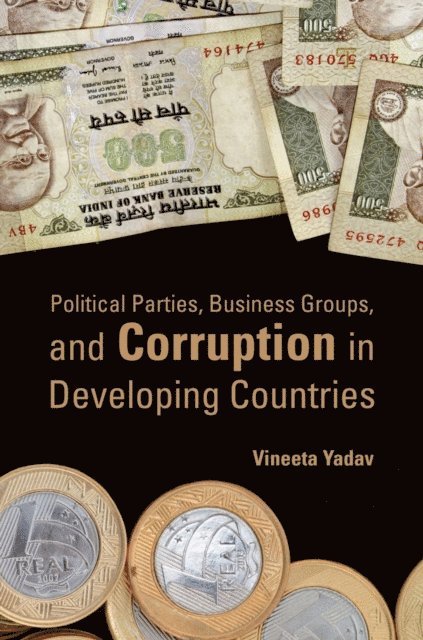
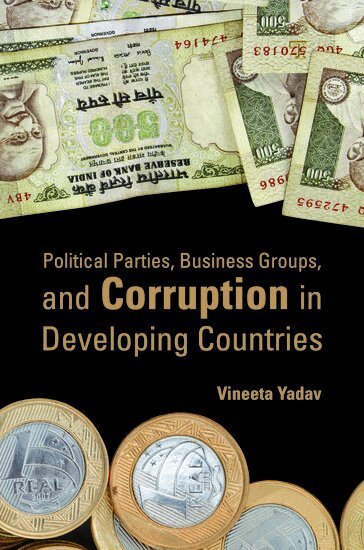
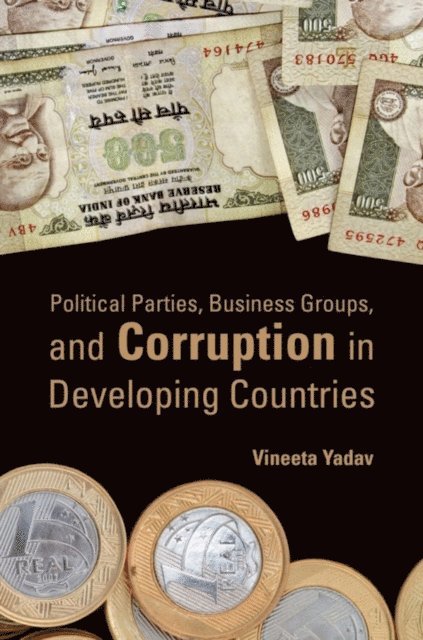
Political Parties, Business Groups, and Corruption in Developing Countries
E-bok, 2011
375 kr
Lägg i varukorg
Political corruption is one of the globe''s most pressing yet seemingly permanent problems. It is a root cause of low growth and inequality, and plagues numerous nations throughout the world in varying degrees. In Political Parties, Business Groups, and Corruption in Developing Countries, Vineeta …
Religious Parties and the Politics of Civil Liberties
Inbunden, 2021
1119 kr
Lägg i varukorg
A data-driven explanation of when successful religious parties reduce the civil liberties of their citizens in Muslim-majority countries and when they don't.Religious parties are increasingly common across the world. More and more, they participate in elections, win legislative seats, and join …
Religious Parties and the Politics of Civil Liberties
E-bok, 2021
972 kr
Lägg i varukorg
A data-driven explanation of when successful religious parties reduce the civil liberties of their citizens in Muslim-majority countries and when they don''t. Religious parties are increasingly common across the world. More and more, they participate in elections, win legislative seats, and join …
Religious Parties and the Politics of Civil Liberties
E-bok, 2021
972 kr
Lägg i varukorg
A data-driven explanation of when successful religious parties reduce the civil liberties of their citizens in Muslim-majority countries and when they don''t. Religious parties are increasingly common across the world. More and more, they participate in elections, win legislative seats, and join …
Political Parties, Business Groups, and Corruption in Developing Countries
Inbunden, 2011
1034 kr
Lägg i varukorg
Political corruption is one of the globe's most pressing yet seemingly permanent problems. It is a root cause of low growth and inequality, and plagues numerous nations throughout the world in varying degrees. In the past, it proved difficult to measure, and the political science literature on it …
Political Parties, Business Groups, and Corruption in Developing Countries
Häftad, 2011
569 kr
Lägg i varukorg
Political corruption is one of the globe's most pressing yet seemingly permanent problems. It is a root cause of low growth and inequality, and plagues numerous nations throughout the world in varying degrees. In the past, it proved difficult to measure, and the political science literature on it …
Political Parties, Business Groups, and Corruption in Developing Countries
E-bok, 2011
375 kr
Lägg i varukorg
Political corruption is one of the globe''s most pressing yet seemingly permanent problems. It is a root cause of low growth and inequality, and plagues numerous nations throughout the world in varying degrees. In Political Parties, Business Groups, and Corruption in Developing Countries, Vineeta …
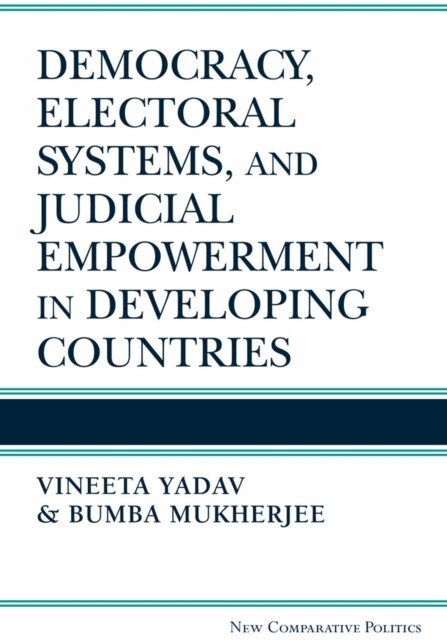
Democracy, Electoral Systems, and Judicial Empowerment in Developing Countries
Av Vineeta Yadav, Bumba Mukherjee
E-bok, 2014
1231 kr
Lägg i varukorg
The power granted to the courts, both in a nation’s constitution and in practice, reveals much about the willingness of the legislative and executive branches to accept restraints on their own powers. For this reason, an independent judiciary is considered an indication of a nation’s level of …
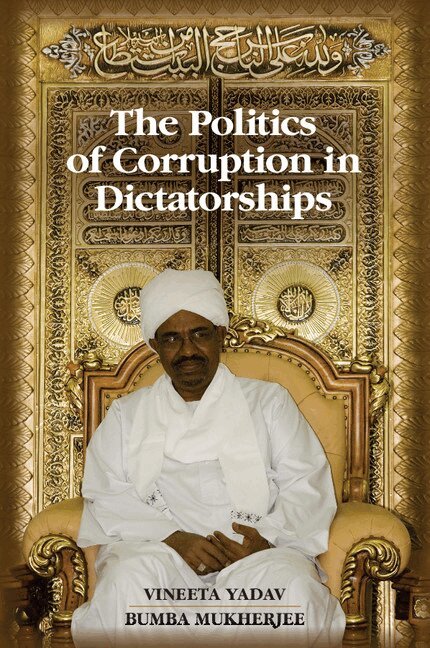
The Politics of Corruption in Dictatorships
Av Vineeta Yadav, Bumba Mukherjee
Inbunden, 2015
1019 kr
Lägg i varukorg
The Politics of Corruption in Dictatorships studies how institutional and social factors influence corruption in dictatorships. Dictatorships are often synonymous with high levels of corruption, yet Vineeta Yadav and Bumba Mukherjee argue otherwise. The authors ask why corruption has declined in …
The Politics of Corruption in Dictatorships
Av Vineeta Yadav, Bumba Mukherjee
Häftad, 2015
536 kr
Lägg i varukorg
The Politics of Corruption in Dictatorships studies how institutional and social factors influence corruption in dictatorships. Dictatorships are often synonymous with high levels of corruption, yet Vineeta Yadav and Bumba Mukherjee argue otherwise. The authors ask why corruption has declined in …
Politics of Corruption in Dictatorships
Av Bumba Mukherjee, Vineeta Yadav
E-bok, 2015
522 kr
Lägg i varukorg
The Politics of Corruption in Dictatorships studies how institutional and social factors influence corruption in dictatorships. Dictatorships are often synonymous with high levels of corruption, yet Vineeta Yadav and Bumba Mukherjee argue otherwise. The authors ask why corruption has declined in …
Politics of Corruption in Dictatorships
Av Bumba Mukherjee, Vineeta Yadav
E-bok, 2015
522 kr
Lägg i varukorg
The Politics of Corruption in Dictatorships studies how institutional and social factors influence corruption in dictatorships. Dictatorships are often synonymous with high levels of corruption, yet Vineeta Yadav and Bumba Mukherjee argue otherwise. The authors ask why corruption has declined in …
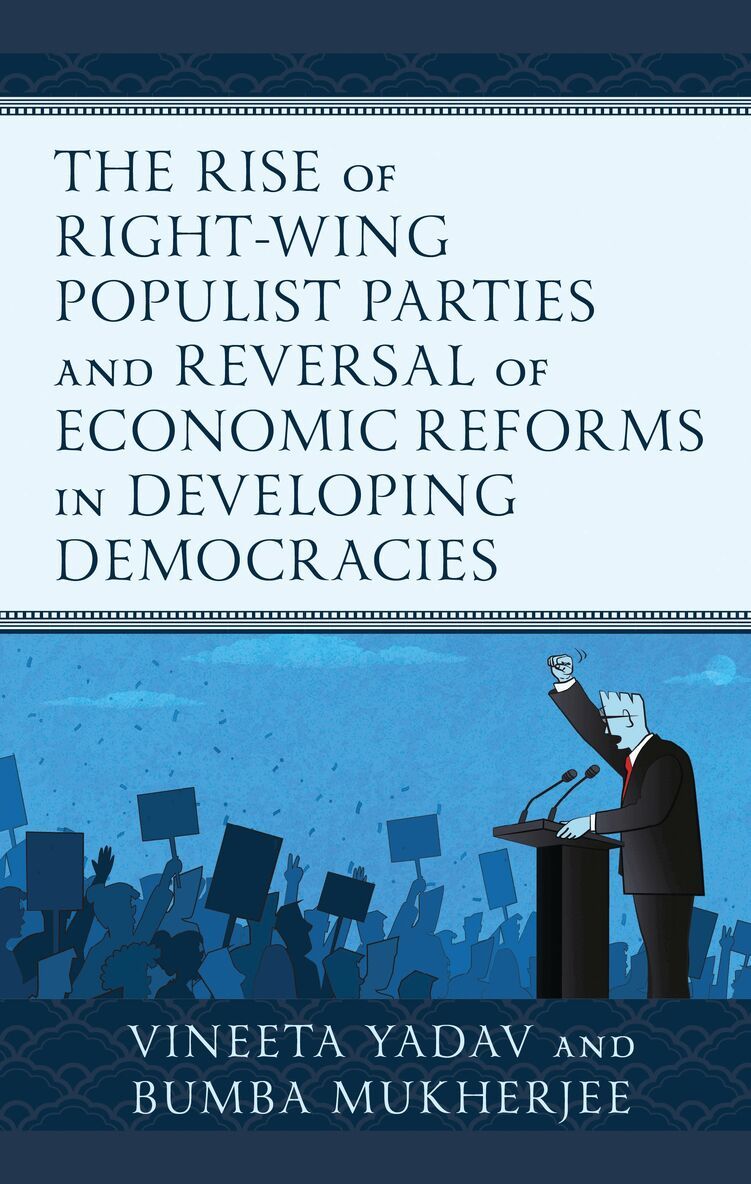
Rise of Right-Wing Populist Parties and Reversal of Economic Reforms in Developing Democracies
Av Vineeta Yadav, Bumba Mukherjee
Inbunden, 2024
1204 kr
Lägg i varukorg
When and why are right-wing populist (RWP) parties electorally successful in developing democracies? What are the consequences of their electoral success? The Rise of Right-Wing Populist Parties and Reversal of Economic Reforms in Developing Democracies presents an original theoretical framework …
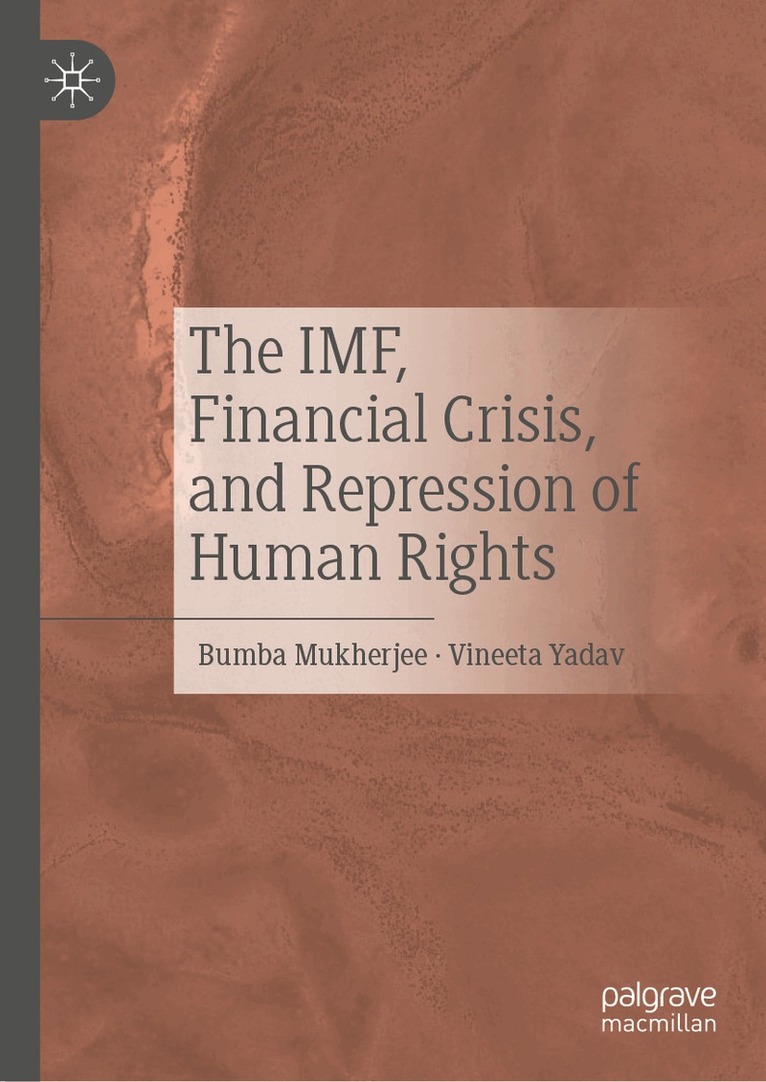
IMF, Financial Crisis, and Repression of Human Rights
Av Bumba Mukherjee, Vineeta Yadav
Inbunden, 2024
1422 kr
Lägg i varukorg
This book seeks to answer a number of key questions about the relationship between the IMF, developing states and the impact of financial crises on human rights abuses, including: Why do some but not other IMF-assisted developing states experience the joint outbreak of currency and sudden reversal …
IMF, Financial Crisis, and Repression of Human Rights
Av Vineeta Yadav, Bumba Mukherjee
E-bok, 2024
1785 kr
Lägg i varukorg
This book seeks to answer a number of key questions about the relationship between the IMF, developing states and the impact of financial crises on human rights abuses, including: Why do some but not other IMF-assisted developing states experience the joint outbreak of currency and sudden reversal …
IMF, Financial Crisis, and Repression of Human Rights
Av Bumba Mukherjee, Vineeta Yadav
Häftad, 2025
1422 kr
Lägg i varukorg
This book seeks to answer a number of key questions about the relationship between the IMF, developing states and the impact of financial crises on human rights abuses, including: Why do some but not other IMF-assisted developing states experience the joint outbreak of currency and sudden reversal …
Democracy, Electoral Systems, and Judicial Empowerment in Developing Countries
Av Bumba Mukherjee, Vineeta Yadav
Inbunden, 2014
1191 kr
Tillfälligt slut
The power granted to the courts, both in a nation’s constitution and in practice, reveals much about the willingness of the legislative and executive branches to accept restraints on their own powers. For this reason, an independent judiciary is considered an indication of a nation’s level of …