Viola Parente-Čapková – författare
Visar alla böcker från författaren Viola Parente-Čapková. Handla med fri frakt och snabb leverans.
8 produkter
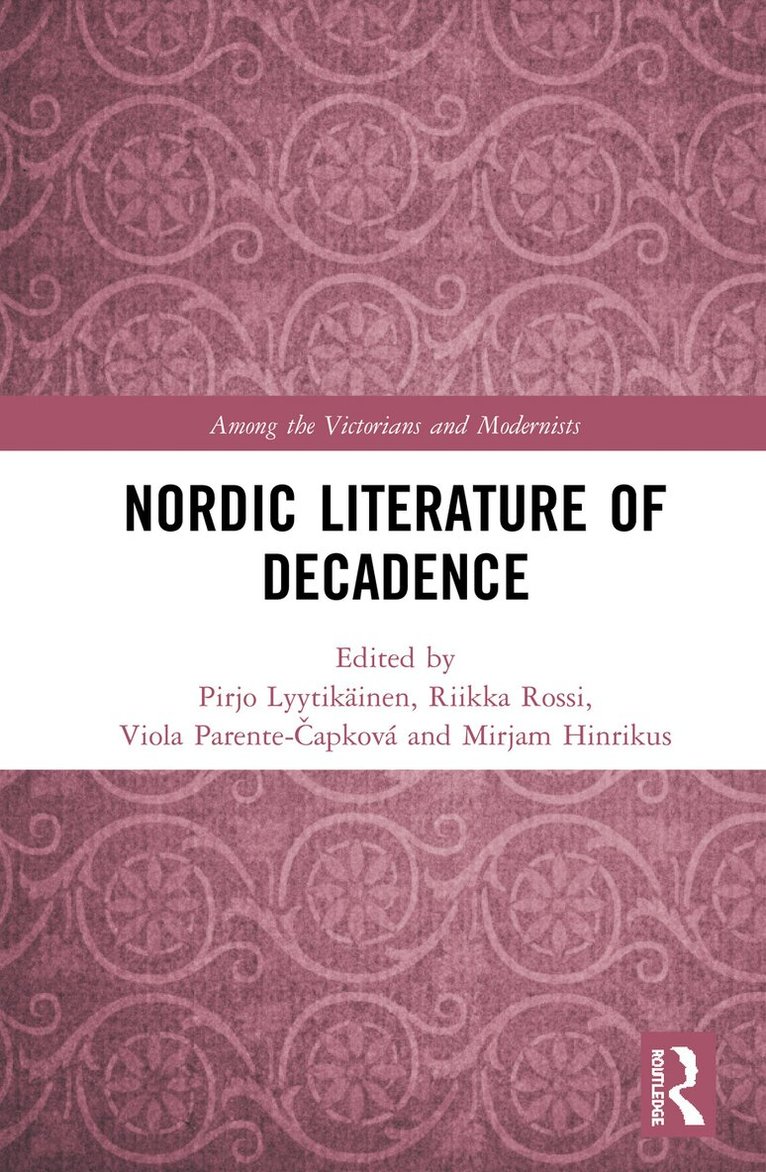
Nordic Literature of Decadence
Av Pirjo Lyytikäinen, Riikka Rossi m. fl.
Inbunden, 2019
2899 kr
Lägg i varukorg
Nordic Literature of Decadence fills a gap on the map of world literature and participates in a thriving area of research by extending the investigation of broadly understood fin de siècle decadence to unexplored areas of Nordic literature, which remain practically unknown to Anglophone audiences. …
Nordic Literature of Decadence
Av Mirjam Hinrikus, Viola Parente-Capkova m. fl.
E-bok, 2019
935 kr
Lägg i varukorg
Nordic Literature of Decadence fills a gap on the map of world literature and participates in a thriving area of research by extending the investigation of broadly understood fin de siècle decadence to unexplored areas of Nordic literature, which remain practically unknown to Anglophone audiences. …
Nordic Literature of Decadence
Av Mirjam Hinrikus, Viola Parente-Capkova m. fl.
E-bok, 2019
956 kr
Lägg i varukorg
Nordic Literature of Decadence fills a gap on the map of world literature and participates in a thriving area of research by extending the investigation of broadly understood fin de siècle decadence to unexplored areas of Nordic literature, which remain practically unknown to Anglophone audiences. …
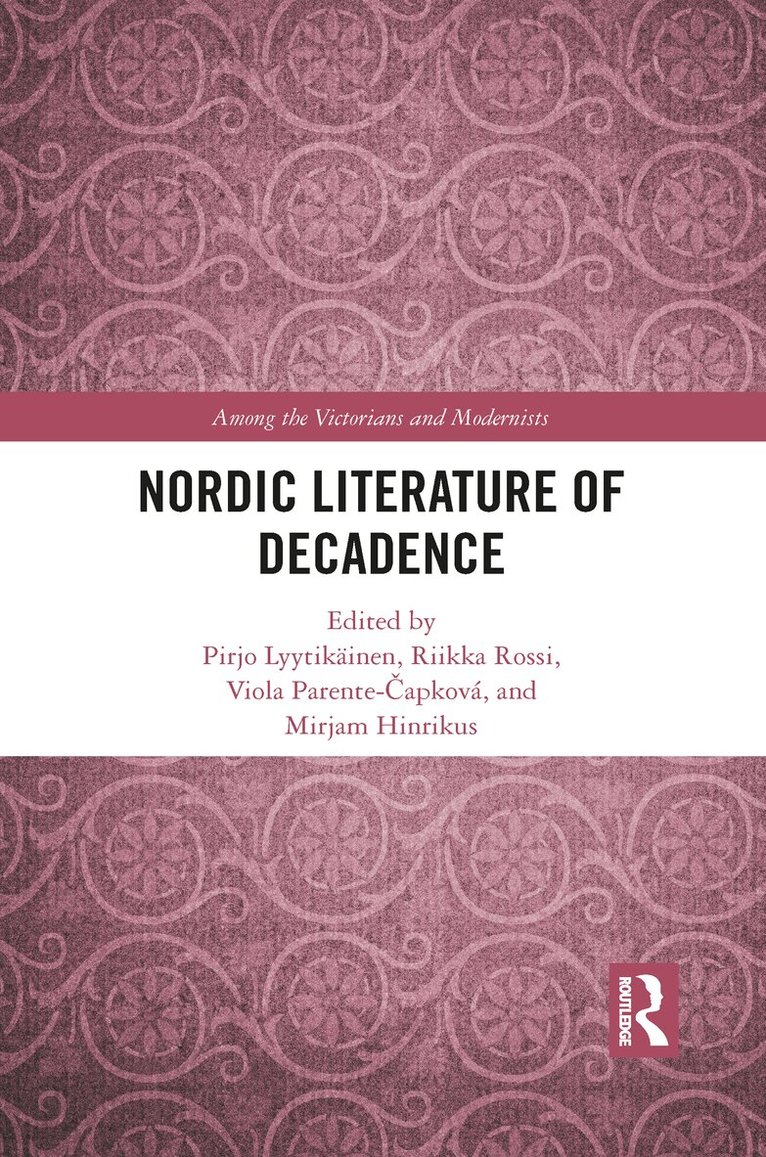
Nordic Literature of Decadence
Av Pirjo Lyytikäinen, Riikka Rossi m. fl.
Häftad, 2021
813 kr
Lägg i varukorg
Nordic Literature of Decadence fills a gap on the map of world literature and participates in a thriving area of research by extending the investigation of broadly understood fin de siècle decadence to unexplored areas of Nordic literature, which remain practically unknown to Anglophone audiences. …
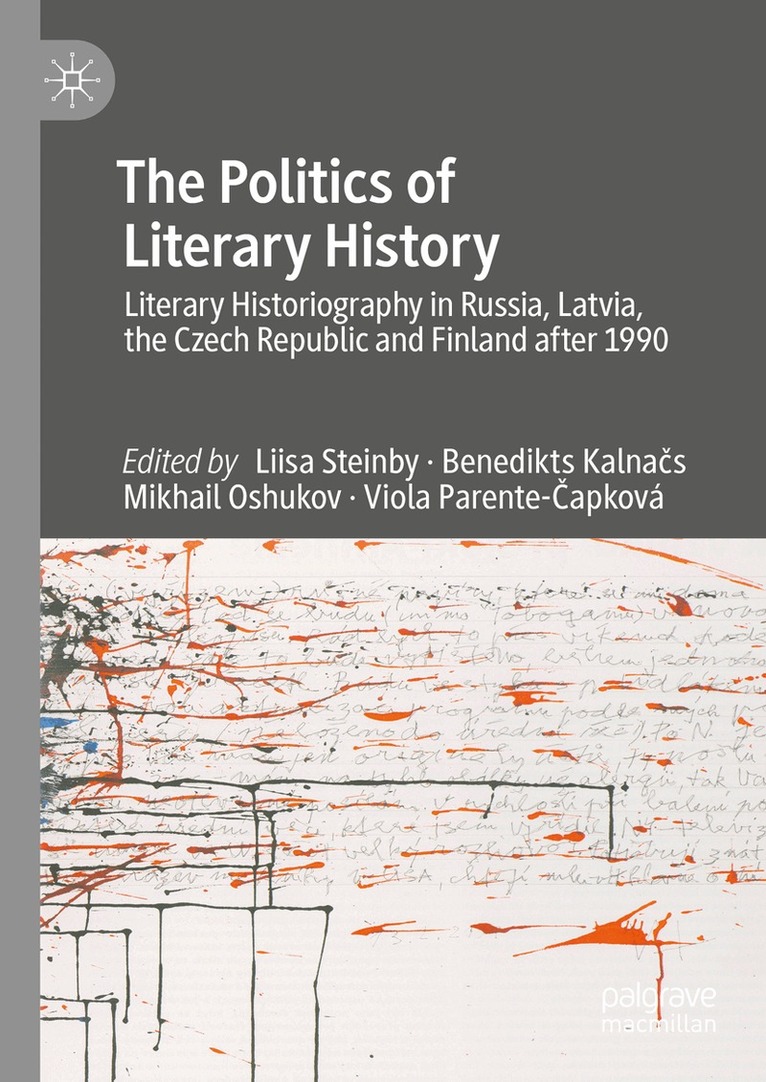
Politics of Literary History
Literary Historiography in Russia, Latvia, the Czech Republic and Finland after 1990
Av Liisa Steinby, Benedikts Kalnačs m. fl.
Inbunden, 2024
1676 kr
Lägg i varukorg
This book looks at literary historiography in Russia, Latvia, the Czech Republic and Finland, focusing on how seismic shifts in state politics and ideology after 1990 changed the writing of national literary histories in these countries. While Russia saw a return to a more nationalist way of …
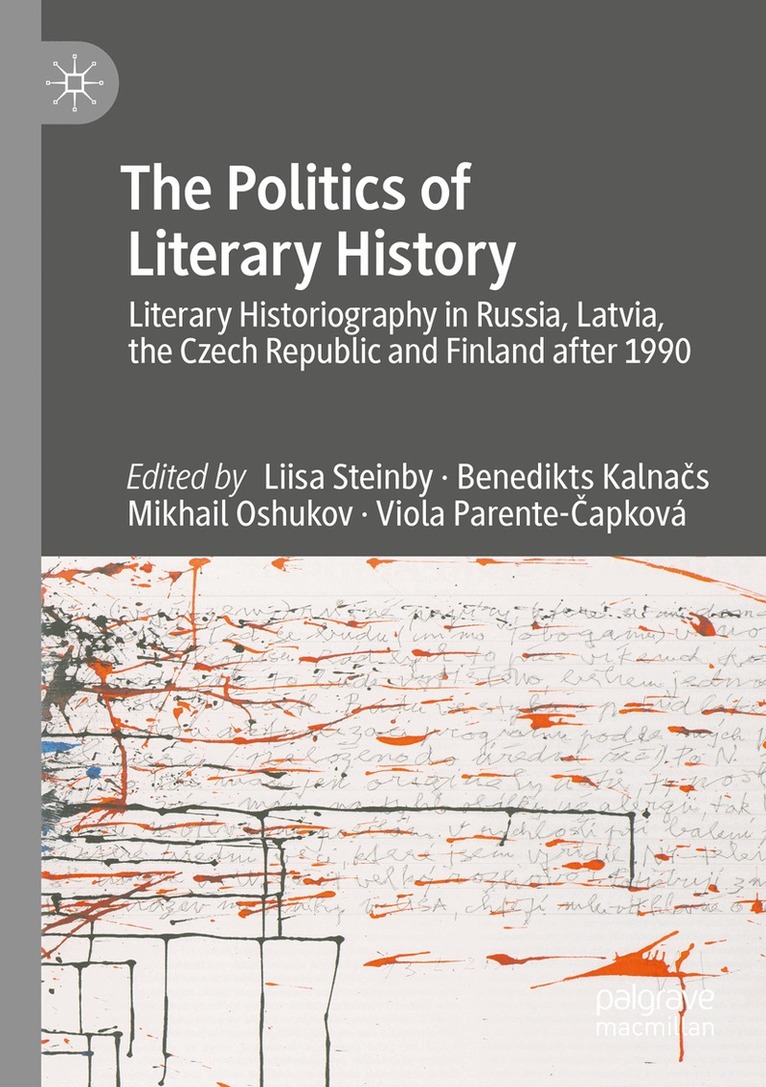
Politics of Literary History
Literary Historiography in Russia, Latvia, the Czech Republic and Finland after 1990
Av Viola Parente-Capkova, Mikhail Oshukov m. fl.
E-bok, 2024
2065 kr
Lägg i varukorg
This book looks at literary historiography in Russia, Latvia, the Czech Republic and Finland, focusing on how seismic shifts in state politics and ideology after 1990 changed the writing of national literary histories in these countries. While Russia saw a return to a more nationalist way of …
Politics of Literary History
Literary Historiography in Russia, Latvia, the Czech Republic and Finland after 1990
Av Liisa Steinby, Benedikts Kalnačs m. fl.
Häftad, 2025
1676 kr
Lägg i varukorg
This book looks at literary historiography in Russia, Latvia, the Czech Republic and Finland, focusing on how seismic shifts in state politics and ideology after 1990 changed the writing of national literary histories in these countries. While Russia saw a return to a more nationalist way of …
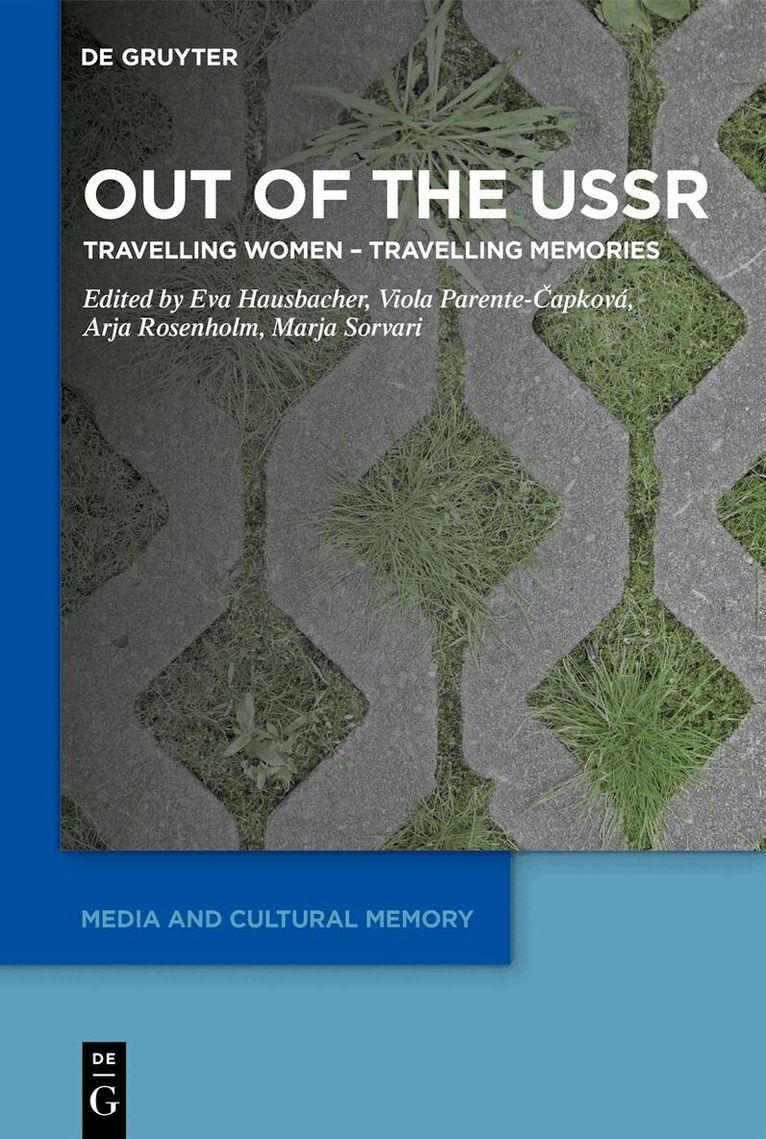
Out of the USSR
Travelling Women – Travelling Memories
Av Eva Hausbacher, Viola Parente-Čapková m. fl.
Inbunden, 2025
1667 kr
Lägg i varukorg
This book examines how women authors recall their own and their families’ past lives after having emigrated from the Soviet Union in the 1990s, and how they reflect on their new country of residence, be it Germany, Austria, Israel, USA, or Finland, among others. The chapters connect migration, …