Virginia Cole Trenholm - Böcker
Visar alla böcker från författaren Virginia Cole Trenholm. Handla med fri frakt och snabb leverans.
2 produkter
2 produkter
239 kr
Skickas inom 10-15 vardagar
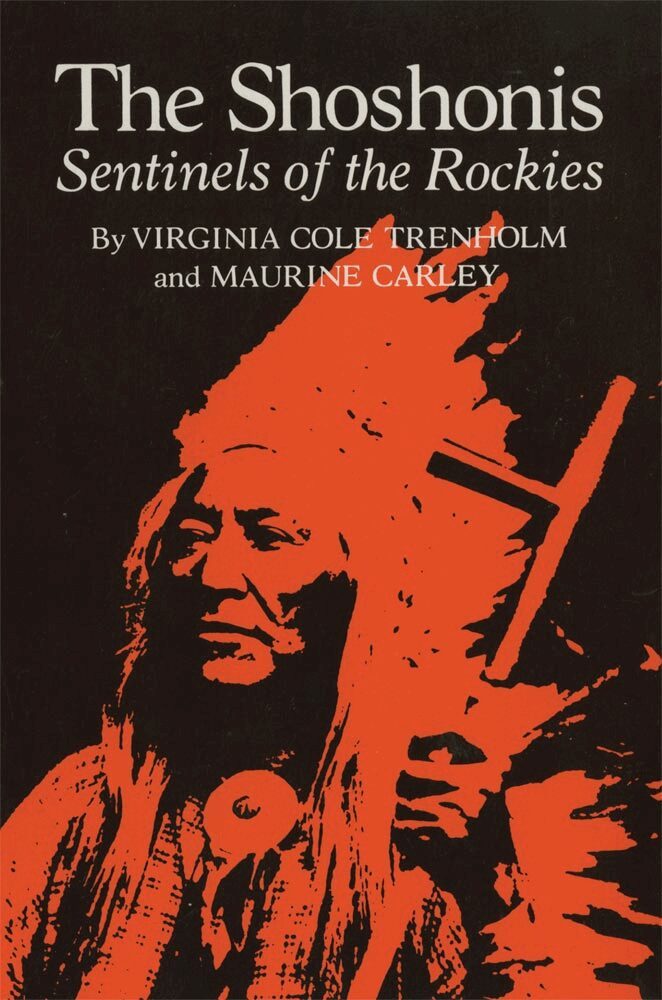
The Shoshoni Indians have never, until now, found their biographer. This long-overdue volume at last brings their history into focus. Perhaps it is the nature of the Shoshonis - ""a friend, always a friend"" - which has caused them to be overlooked by historians. Washakie, their great chieftain of the nineteenth century, suffered hardship, personal affront, and even loss of prestige to prove his abiding attachment to the white man.In their original habitat, the Great Basin - in Oregon and California, across Nevada, Utah, and Idaho into Wyoming - the Shoshonis had no knowledge of warfare. They were a primitive people wandering singly or in small family groups over vast areas in quest of food. When some of their number ventured into the Rockies, they found a new way of life. While buffalo hunting, they grouped together and chose tribal leaders.Together with the Comanches and Kiowas, for a time the Shoshonis dominated the Great Plains of Colorado and into Texas. Even after their allies had drifted southward, they fought creditably with the Sioux and the Blackfeet - that is, until their enemies acquired the gun and chased them back into the mountains.As sentinels of the Rockies, the Shoshonis controlled the great mountain barrier, a natural fortification which they were ill-equipped to man. Consequently, their story is less one of combat and bloodshed than it is of cultural changes brought about by the force of time and white settlers.
312 kr
Skickas inom 10-15 vardagar
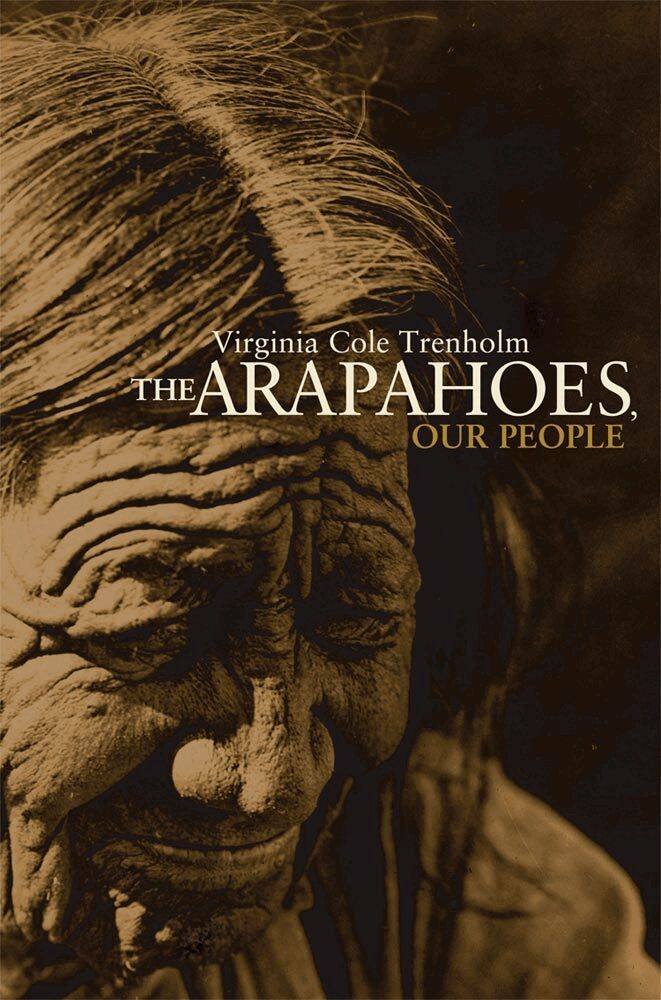
The Arapahoes, who simultaneously occupy the three major divisions of the Great Plains, are typical but the least known of the Plains tribes. Overshadowed by their more hostile allies, the Sioux and Cheyennes, they have been neglected by historians.This book traces their history from prehistoric times in Minnesota and Canada to the turn of the century in Wyoming, Montana, and Oklahoma, when their cultural history ended and adjustment to the white man's way began. It covers their way of life, dealings with traders, treaties, battles, division into branches, and reservation life. There are detailed accounts of the Ghost Dance and peyote cult.A study of the two branches-Southern and Northern-is a dramatic lesson in the effects of acculturation. Forced to accept the white man's way, the Southern people, after losing their ceremonials and tribal lands in Oklahoma, have gradually resigned themselves to the alien culture. The Northern Arapahoes on the Wind River Reservation in Wyoming, however, still cling to their original traditions.They tell their time-honored tales, pour out their souls in music, and dance to their drums much as they did in pre-reservation days-although they dress in the manner of the white man and abide by his regulations. Flat-Pipe, the sacred palladium, said to have come to ""our people"" when the world began, stays in their safe-keeping, and they honor it in occasional ceremony. The Pipe is the unifying symbol of the two branches of the tribe.