Virginia Mantouvalou – författare
Visar alla böcker från författaren Virginia Mantouvalou. Handla med fri frakt och snabb leverans.
16 produkter
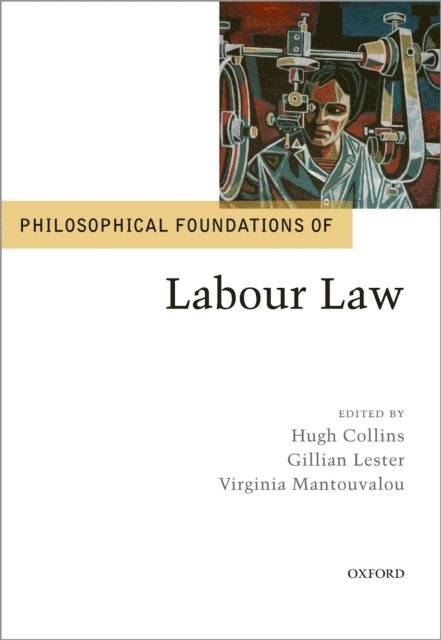
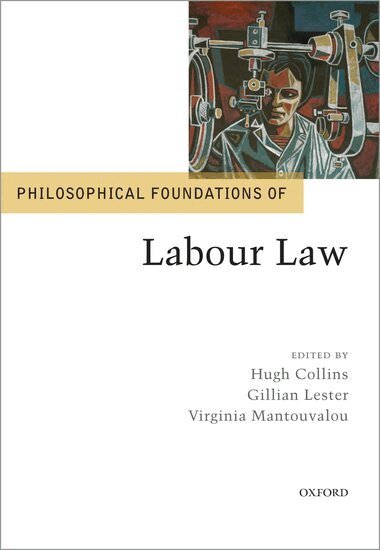
Philosophical Foundations of Labour Law
Av Virginia Mantouvalou, Gillian Lester m. fl.
E-bok, 2018
1705 kr
Lägg i varukorg
This collection of essays presents an interdisciplinary investigation by lawyers and philosophers into the philosophical ideas, concepts, and principles that provide the foundation for the field of labour law and employment law. The book addresses the doubts that have been expressed about whether a …
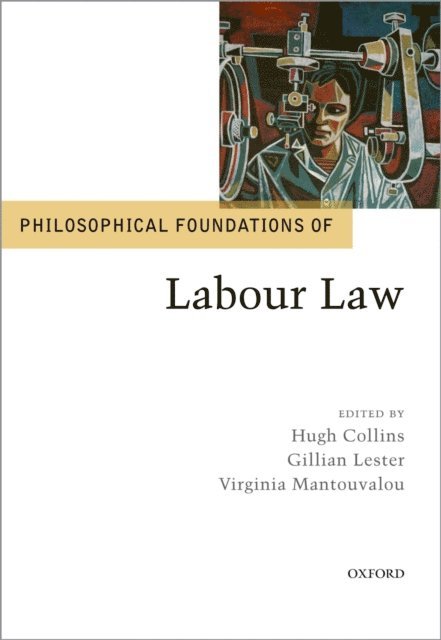
Philosophical Foundations of Labour Law
Av Virginia Mantouvalou, Gillian Lester m. fl.
E-bok, 2018
1705 kr
Lägg i varukorg
This collection of essays presents an interdisciplinary investigation by lawyers and philosophers into the philosophical ideas, concepts, and principles that provide the foundation for the field of labour law and employment law. The book addresses the doubts that have been expressed about whether a …
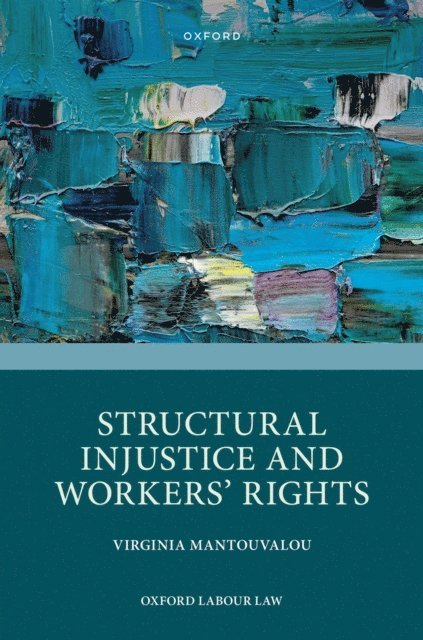
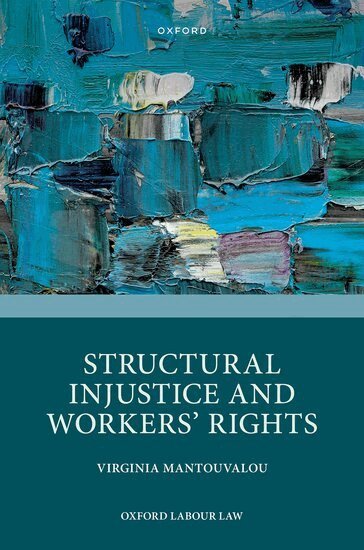
Structural Injustice and Workers' Rights
E-bok, 2023
1265 kr
Lägg i varukorg
When discussing exploitation in workplaces, governments typically deploy a rhetoric of personal responsibility: they place attention on employers who take advantage of workers, or on workers who choose non-standard, precarious work arrangements. On this account, the responsibility of the state is …
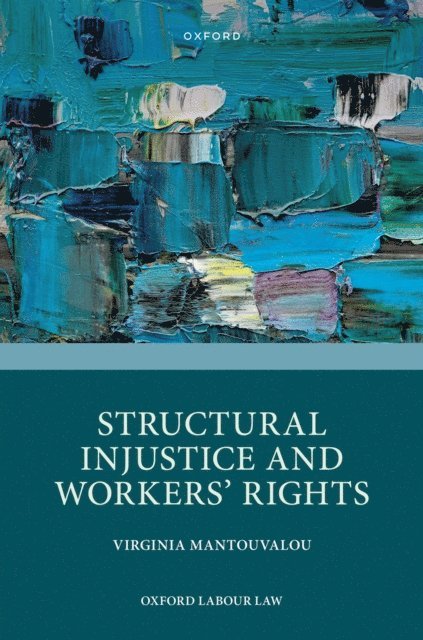
Structural Injustice and Workers' Rights
E-bok, 2023
1265 kr
Lägg i varukorg
When discussing exploitation in workplaces, governments typically deploy a rhetoric of personal responsibility: they place attention on employers who take advantage of workers, or on workers who choose non-standard, precarious work arrangements. On this account, the responsibility of the state is …
Structural Injustice and Workers' Rights
Inbunden, 2023
1386 kr
Lägg i varukorg
When discussing exploitation in workplaces, governments typically deploy a rhetoric of personal responsibility: they place attention on employers who take advantage of workers, or on workers who choose non-standard, precarious work arrangements. On this account, the responsibility of the state is …
Philosophical Foundations of Labour Law
Av Collins Et Al, Hugh Collins m. fl.
Inbunden, 2018
2391 kr
Lägg i varukorg
This collection of essays presents an interdisciplinary investigation by lawyers and philosophers into the philosophical ideas, concepts, and principles that provide the foundation for the field of labour law and employment law. The book addresses the doubts that have been expressed about whether a …
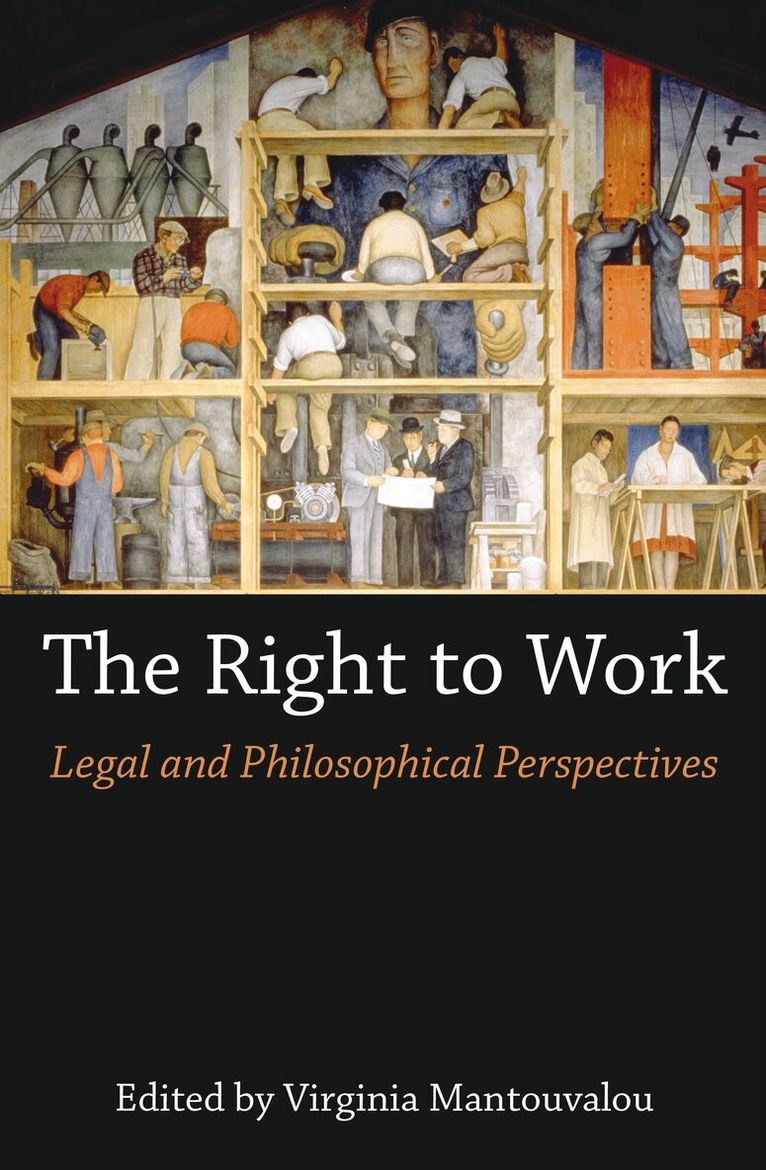
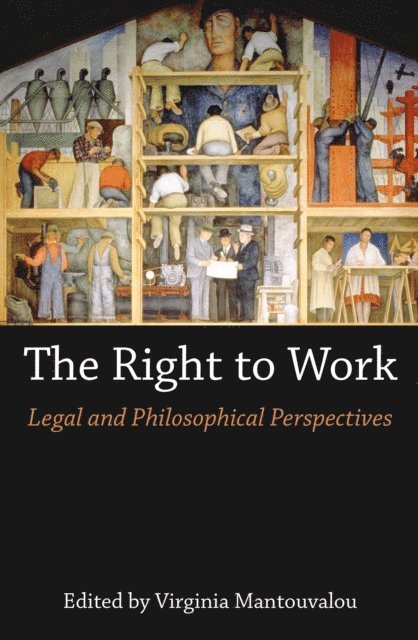
Right to Work
Legal and Philosophical Perspectives
Häftad, 2017
512 kr
Lägg i varukorg
The value of work cannot be underestimated in today’s world. Work is valuable because productive labour generates goods needed for survival, such as food and housing; goods needed for self-development, such as education and culture; and other material goods that people wish to have in order to live …
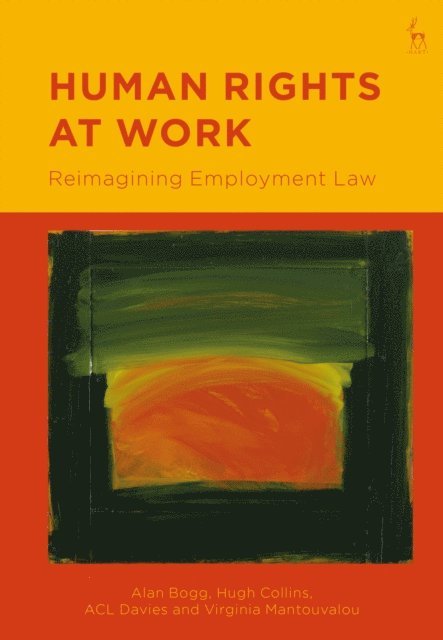
Human Rights at Work
Reimagining Employment Law
Av Alan Bogg, Hugh Collins m. fl.
E-bok, 2024
545 kr
Lägg i varukorg
Should workers ever lose their job because of their political views or affiliations? Should female employees be entitled to wear a headscarf in the workplace for religious reasons? Can it ever be right for an employer to dismiss someone for personal activities undertaken in their leisure time? What …
Human Rights at Work
Reimagining Employment Law
Av Alan Bogg, Hugh Collins m. fl.
Häftad, 2024
503 kr
Lägg i varukorg
Should workers ever lose their job because of their political views or affiliations? Should female employees be entitled to wear a headscarf in the workplace for religious reasons? Can it ever be right for an employer to dismiss someone for personal activities undertaken in their leisure time? What …
Human Rights at Work
Reimagining Employment Law
Av Alan Bogg, Hugh Collins m. fl.
E-bok, 2024
545 kr
Lägg i varukorg
Should workers ever lose their job because of their political views or affiliations? Should female employees be entitled to wear a headscarf in the workplace for religious reasons? Can it ever be right for an employer to dismiss someone for personal activities undertaken in their leisure time? What …
Human Rights at Work
Reimagining Employment Law
Av Alan Bogg, Hugh Collins m. fl.
Inbunden, 2024
1691 kr
Lägg i varukorg
Should workers ever lose their job because of their political views or affiliations? Should female employees be entitled to wear a headscarf in the workplace for religious reasons? Can it ever be right for an employer to dismiss someone for personal activities undertaken in their leisure time? What …
Right to Work
Legal and Philosophical Perspectives
E-bok, 2015
559 kr
Lägg i varukorg
The value of work cannot be underestimated in today''s world. Work is valuable because productive labour generates goods needed for survival, such as food and housing; goods needed for self-development, such as education and culture; and other material goods that people wish to have in order to …
Right to Work
Legal and Philosophical Perspectives
E-bok, 2014
559 kr
Lägg i varukorg
The value of work cannot be underestimated in today''s world. Work is valuable because productive labour generates goods needed for survival, such as food and housing; goods needed for self-development, such as education and culture; and other material goods that people wish to have in order to …
Debating Social Rights
Av Conor Gearty, Virginia Mantouvalou
E-bok, 2010
402 kr
Lägg i varukorg
''Debating Law'' is a new series that gives scholarly experts the opportunity to offer contrasting perspectives on significant topics of contemporary, general interest. In this second volume of the series, Conor Gearty argues that for rights to work effectively in the wider promotion of social …
Debating Social Rights
Av Conor Gearty, Virginia Mantouvalou m. fl.
Häftad, 2010
369 kr
Lägg i varukorg
Debating Law is a new series that gives scholarly experts the opportunity to offer contrasting perspectives on significant topics of contemporary, general interest. In this second volume of the series, Conor Gearty argues that for rights to work effectively in the wider promotion of social justice, …
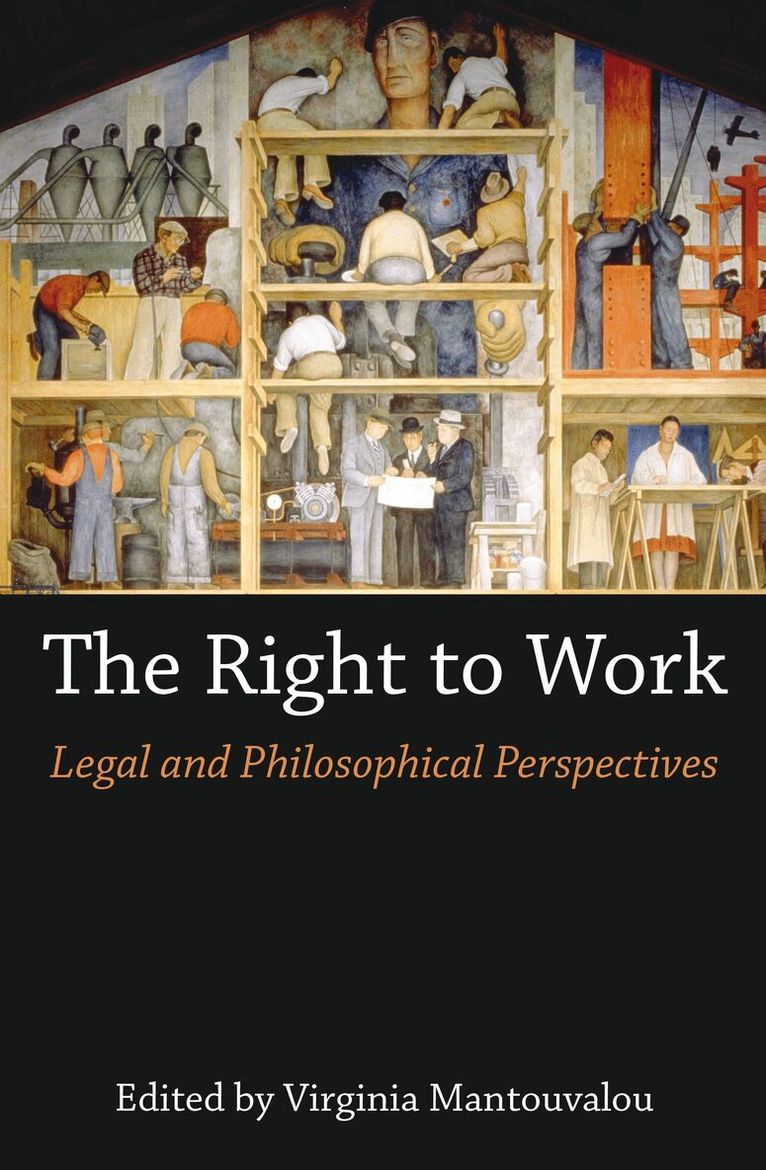
Right to Work
Legal and Philosophical Perspectives
Inbunden, 2015
1302 kr
Lägg i varukorg
The value of work cannot be underestimated in today’s world. Work is valuablebecause productive labour generates goods needed for survival, such as food andhousing; goods needed for self-development, such as education and culture; andother material goods that people wish to have in order to live a …