Vivek Bald - Böcker
Visar alla böcker från författaren Vivek Bald. Handla med fri frakt och snabb leverans.
3 produkter
3 produkter
227 kr
Skickas inom 7-10 vardagar
Winner of the Theodore Saloutos Memorial Book AwardWinner of the Association for Asian American Studies Book Award for HistoryA Times Literary Supplement Book of the YearA Saveur “Essential Food Books That Define New York City” SelectionIn the final years of the nineteenth century, small groups of Muslim peddlers arrived at Ellis Island every summer, bags heavy with embroidered silks from their home villages in Bengal. The American demand for “Oriental goods” took these migrants on a curious path, from New Jersey’s beach boardwalks into the heart of the segregated South. Two decades later, hundreds of Indian Muslim seamen began jumping ship in New York and Baltimore, escaping the engine rooms of British steamers to find less brutal work onshore. As factory owners sought their labor and anti-Asian immigration laws closed in around them, these men built clandestine networks that stretched from the northeastern waterfront across the industrial Midwest.The stories of these early working-class migrants vividly contrast with our typical understanding of immigration. Vivek Bald’s meticulous reconstruction reveals a lost history of South Asian sojourning and life-making in the United States. At a time when Asian immigrants were vilified and criminalized, Bengali Muslims quietly became part of some of America’s most iconic neighborhoods of color, from Tremé in New Orleans to Detroit’s Black Bottom, from West Baltimore to Harlem. Many started families with Creole, Puerto Rican, and African American women.As steel and auto workers in the Midwest, as traders in the South, and as halal hot dog vendors on 125th Street, these immigrants created lives as remarkable as they are unknown. Their stories of ingenuity and intermixture challenge assumptions about assimilation and reveal cross-racial affinities beneath the surface of early twentieth-century America.
918 kr
Skickas inom 10-15 vardagar
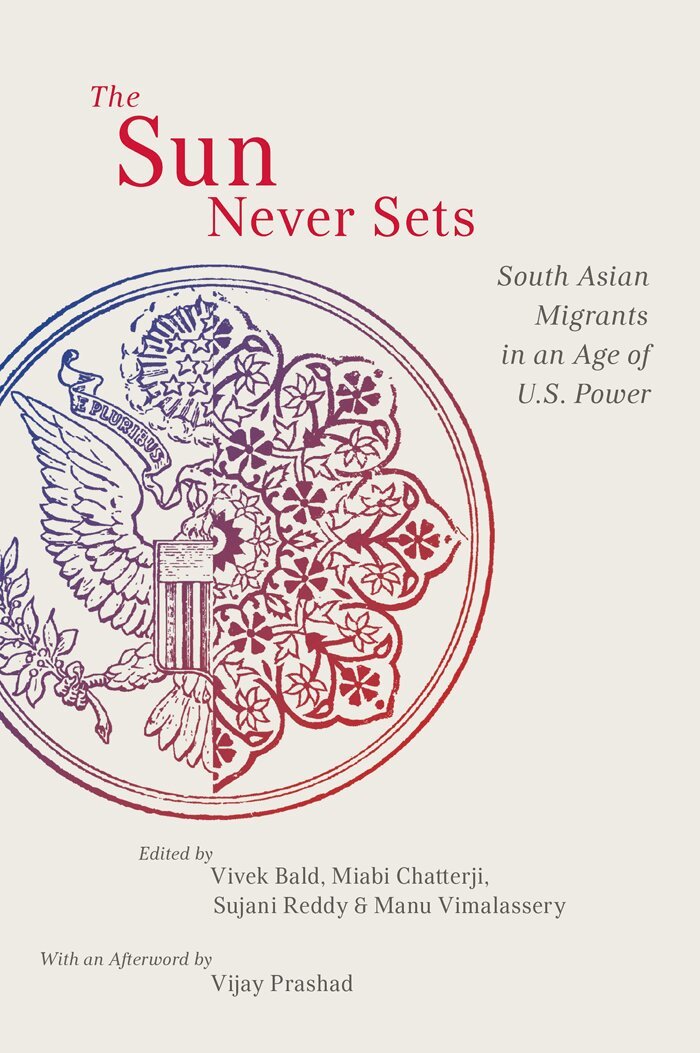
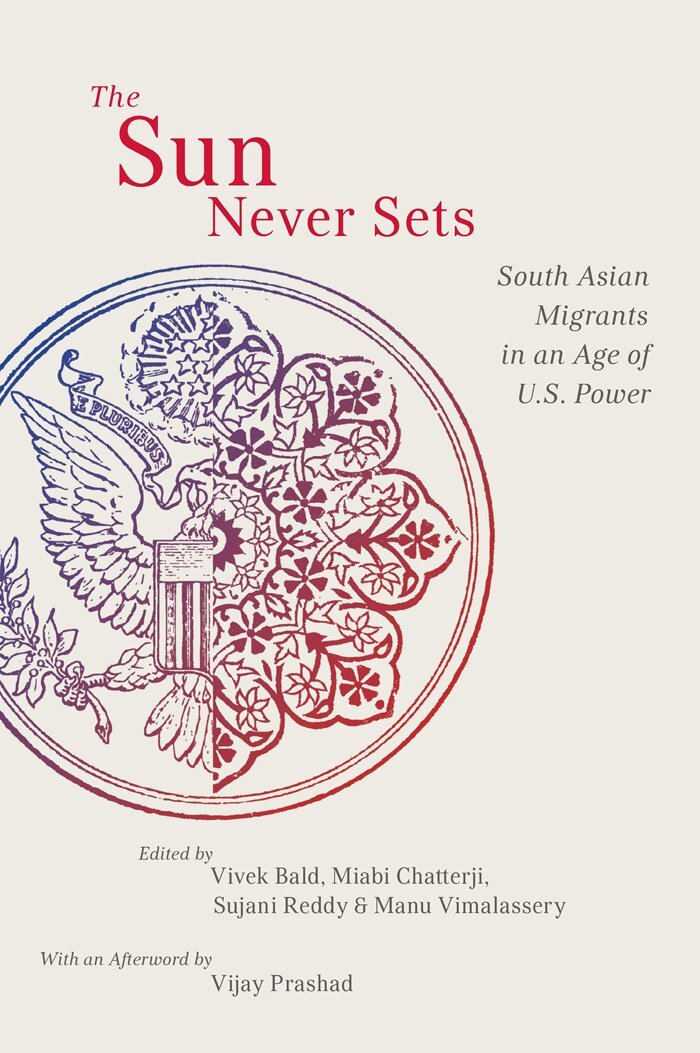
The Sun Never Sets collects the work of a generation of scholars who are enacting a shift in the orientation of the field of South Asian American studies. By focusing upon the lives, work, and activism of specific, often unacknowledged, migrant populations, the contributors present a more comprehensive vision of the South Asian presence in the United States.Tracking the changes in global power that have influenced the paths and experiences of migrants, from expatriate Indian maritime workers at the turn of the century, to Indian nurses during the Cold War, to post-9/11 detainees and deportees caught in the crossfire of the "War on Terror," these essays reveal how the South Asian diaspora has been shaped by the contours of U.S. imperialism. Driven by a shared sense of responsibility among the contributing scholars to alter the profile of South Asian migrants in the American public imagination, they address the key issues that impact these migrants in the U.S., on the subcontinent, and in circuits of the transnational economy. Taken together, these essays provide tools with which to understand the contemporary political and economic conjuncture and the place of South Asian migrants within it.
403 kr
Skickas inom 7-10 vardagar
The Sun Never Sets collects the work of a generation of scholars who are enacting a shift in the orientation of the field of South Asian American studies. By focusing upon the lives, work, and activism of specific, often unacknowledged, migrant populations, the contributors present a more comprehensive vision of the South Asian presence in the United States.Tracking the changes in global power that have influenced the paths and experiences of migrants, from expatriate Indian maritime workers at the turn of the century, to Indian nurses during the Cold War, to post-9/11 detainees and deportees caught in the crossfire of the "War on Terror," these essays reveal how the South Asian diaspora has been shaped by the contours of U.S. imperialism. Driven by a shared sense of responsibility among the contributing scholars to alter the profile of South Asian migrants in the American public imagination, they address the key issues that impact these migrants in the U.S., on the subcontinent, and in circuits of the transnational economy. Taken together, these essays provide tools with which to understand the contemporary political and economic conjuncture and the place of South Asian migrants within it.