
Vladas Leonas – författare
Visar alla böcker från författaren Vladas Leonas. Handla med fri frakt och snabb leverans.
4 produkter
4 produkter
1 773 kr
Skickas inom 10-15 vardagar
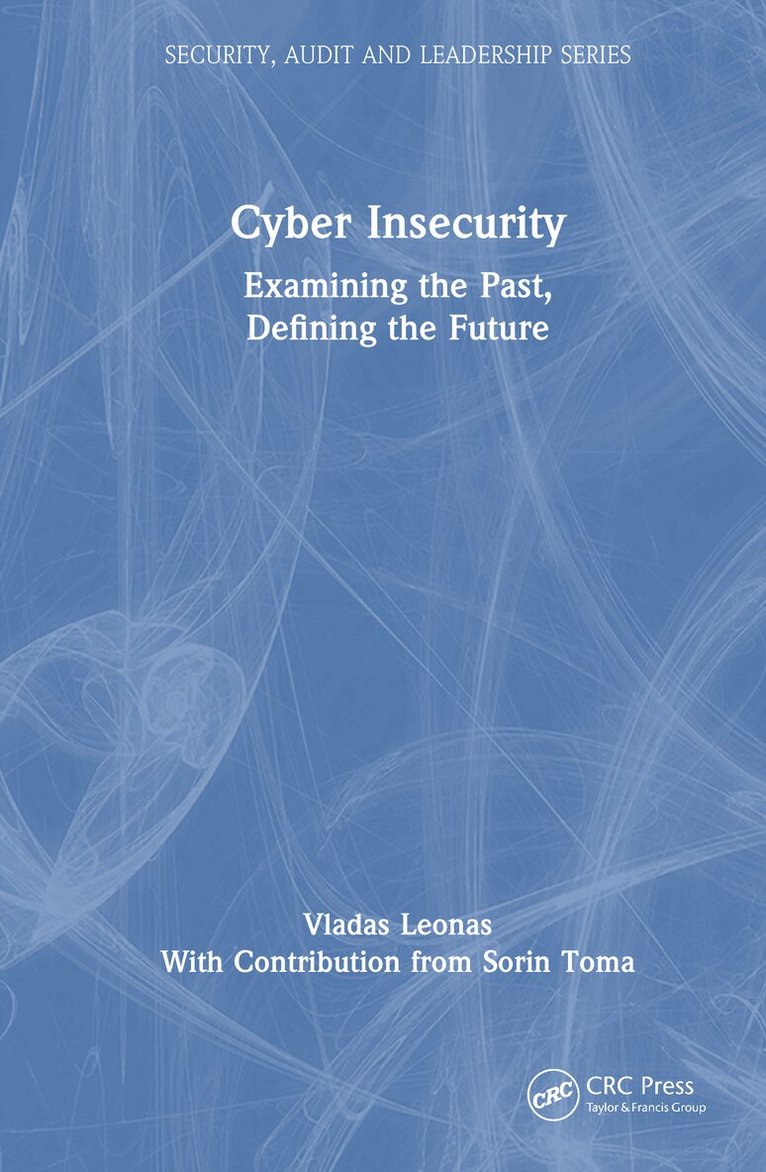
Cyber Insecurity: Examining the Past, Defining the Future deals with the multifaceted world of cybersecurity, starting with the premise that while perfection in cybersecurity may be unattainable, significant improvements can be made through understanding history and fostering innovation. Vladas Leonas shares his journey from Moscow to Australia, highlighting his academic and professional milestones.This book covers the evolution of cybersecurity from the late 1960s to the present, detailing significant events and technological advancements. The author emphasises the importance of simplicity in technology projects, citing complexity as a major hindrance to success. The book also discusses the impact of the digital revolution, using the example of a global IT outage caused by a faulty software update.Project management methodologies are explored, tracing their origins from ancient civilisations to modern techniques such as CPM and PERT. The concept of cloud computing is examined, highlighting its benefits and potential security issues. The evolution and advantages of SaaS solutions are also discussed, noting their increased adoption during the COVID-19 pandemic.The author then addresses supply chain challenges, using real-world examples to illustrate vulnerabilities. He traces the history of communication methods leading up to TCP/IP and discusses the development and importance of DNS. The differences between compliance and conformance in cybersecurity are clarified, emphasising that compliance does not equate to security.Key cybersecurity standards such as the NIST CSF and ISO/IEC 27000 series are examined. The book also covers the Essential 8, a set of cybersecurity controls developed by the Australian Signals Directorate. The convergence of OT and IoT is discussed, highlighting the cybersecurity risks associated with this integration.Emerging threats from AI and quantum computing are explored, noting their potential to both advance and threaten cybersecurity. The evolving legal landscape of cybersecurity is also covered, emphasising the need for international cooperation and innovative legal solutions.In conclusion, the book stresses the importance of critical thinking and a holistic approach to cybersecurity, advocating for simplicity and foundational practices to enhance security.
713 kr
Skickas inom 10-15 vardagar
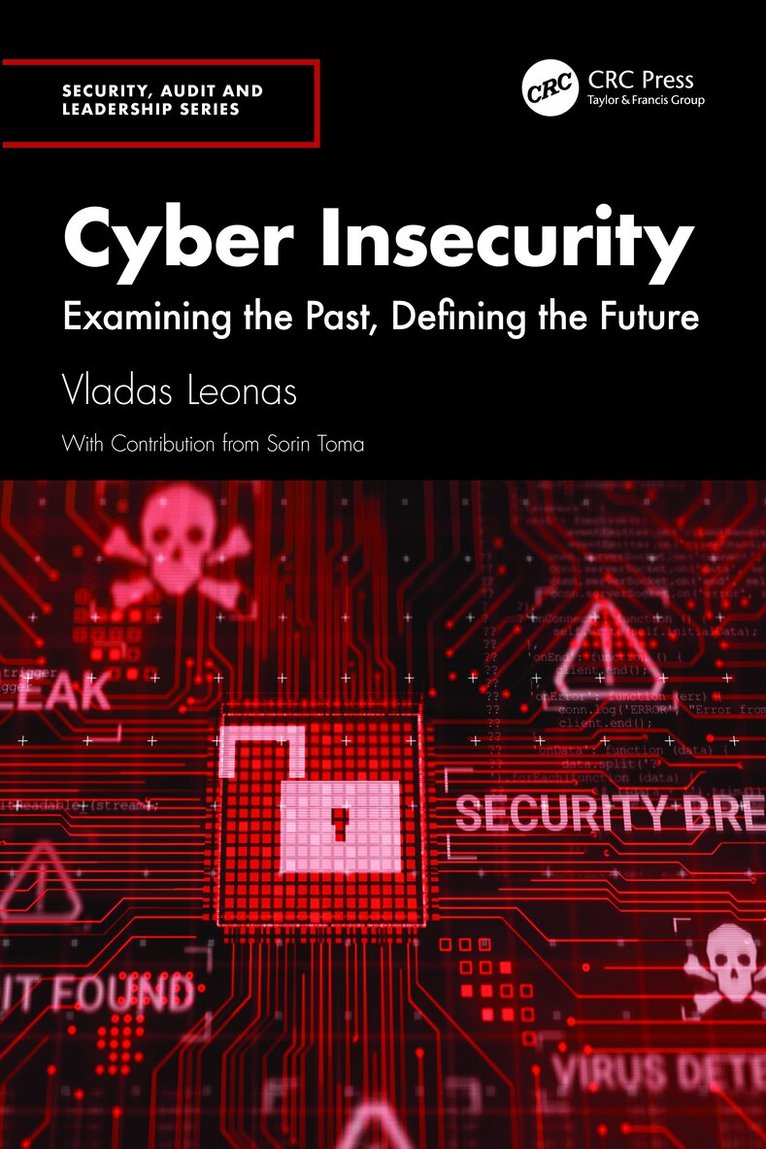
Cyber Insecurity: Examining the Past, Defining the Future deals with the multifaceted world of cybersecurity, starting with the premise that while perfection in cybersecurity may be unattainable, significant improvements can be made through understanding history and fostering innovation. Vladas Leonas shares his journey from Moscow to Australia, highlighting his academic and professional milestones.This book covers the evolution of cybersecurity from the late 1960s to the present, detailing significant events and technological advancements. The author emphasises the importance of simplicity in technology projects, citing complexity as a major hindrance to success. The book also discusses the impact of the digital revolution, using the example of a global IT outage caused by a faulty software update.Project management methodologies are explored, tracing their origins from ancient civilisations to modern techniques such as CPM and PERT. The concept of cloud computing is examined, highlighting its benefits and potential security issues. The evolution and advantages of SaaS solutions are also discussed, noting their increased adoption during the COVID-19 pandemic.The author then addresses supply chain challenges, using real-world examples to illustrate vulnerabilities. He traces the history of communication methods leading up to TCP/IP and discusses the development and importance of DNS. The differences between compliance and conformance in cybersecurity are clarified, emphasising that compliance does not equate to security.Key cybersecurity standards such as the NIST CSF and ISO/IEC 27000 series are examined. The book also covers the Essential 8, a set of cybersecurity controls developed by the Australian Signals Directorate. The convergence of OT and IoT is discussed, highlighting the cybersecurity risks associated with this integration.Emerging threats from AI and quantum computing are explored, noting their potential to both advance and threaten cybersecurity. The evolving legal landscape of cybersecurity is also covered, emphasising the need for international cooperation and innovative legal solutions.In conclusion, the book stresses the importance of critical thinking and a holistic approach to cybersecurity, advocating for simplicity and foundational practices to enhance security.
- Nyhet
1 686 kr
Skickas inom 10-15 vardagar
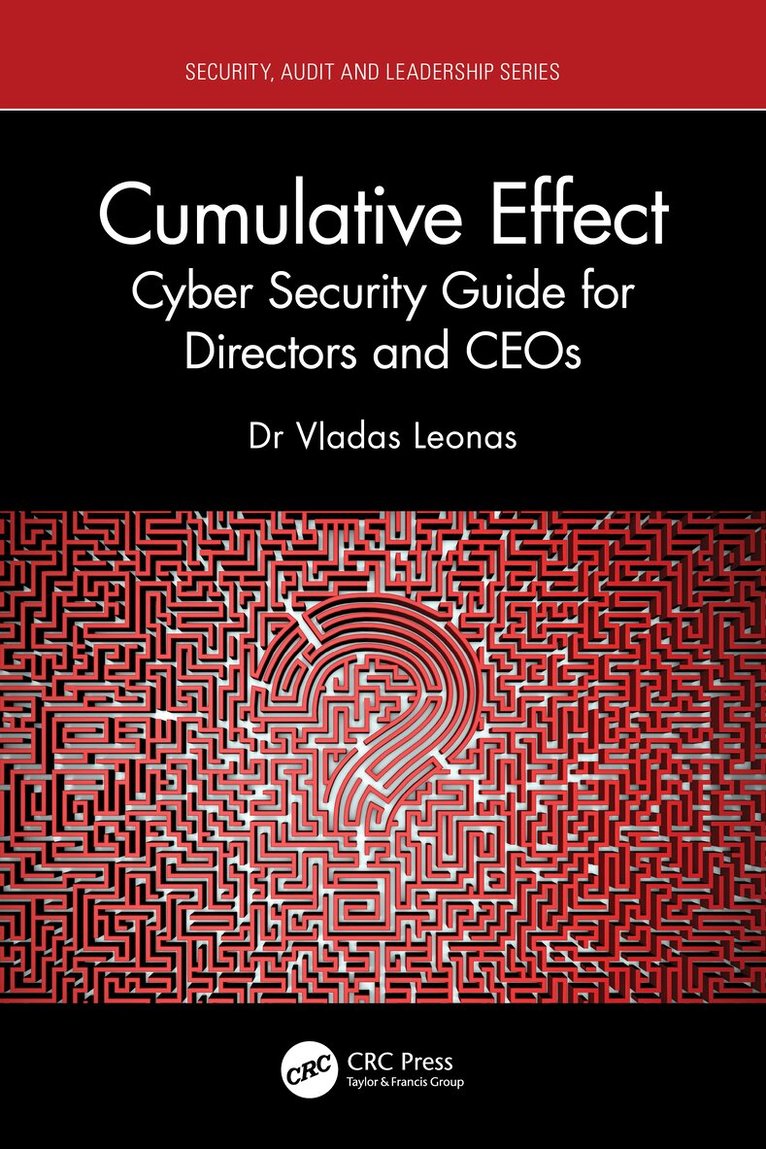
For years, cyber security was the ‘poor relation’ in many boardrooms: treated as inferior to other priorities, seen as an irritating cost centre and assumed to be money that could be spent ‘better’ elsewhere. That mindset is rarely the result of a single bad decision. It is inertia, the cumulative effect of multiple factors and, above all, a lack of understanding of how dramatically the landscape has changed over the past 25 years.This book is written as a practical wake-up call for Board Members and CEOs. It reframes cyber security as a leadership issue rooted in the inherent insecurities of the internet on which modern organisations are built, encouraging leaders to think as if they operate in a high-crime area. It then shows how to translate that mindset into board-level oversight: strengthening domain and subdomain controls and certificate management, expanding organisational KPIs to include correctly chosen cyber measures (such as year-on-year reduction in IT ecosystem complexity) and making explicit decisions about unmanaged devices such as BYOD and home computers.The book also introduces a ‘cyber security risk-reward’ lens for business cases, reshaping how leaders assess digital transformation, agile delivery, SaaS sprawl and shadow IT. It clarifies shared security responsibility and how to implement and manage it properly, then broadens the conversation to supply chain cyber risks and dependencies across all vendors and service providers, not just IT. It highlights the strategic importance of DNS ownership and management, examines the cyber implications of reliance on ‘digital monopolies’ such as Microsoft or CrowdStrike and makes clear that compliance does not equal security: standards and frameworks may help, but they do not guarantee real security. Finally, it tackles modern boardroom pressure points, including avoiding FOMO-driven decisions, assessing AI adoption through a cyber risk lens and planning for post-quantum cryptography.
- Nyhet
735 kr
Skickas inom 10-15 vardagar
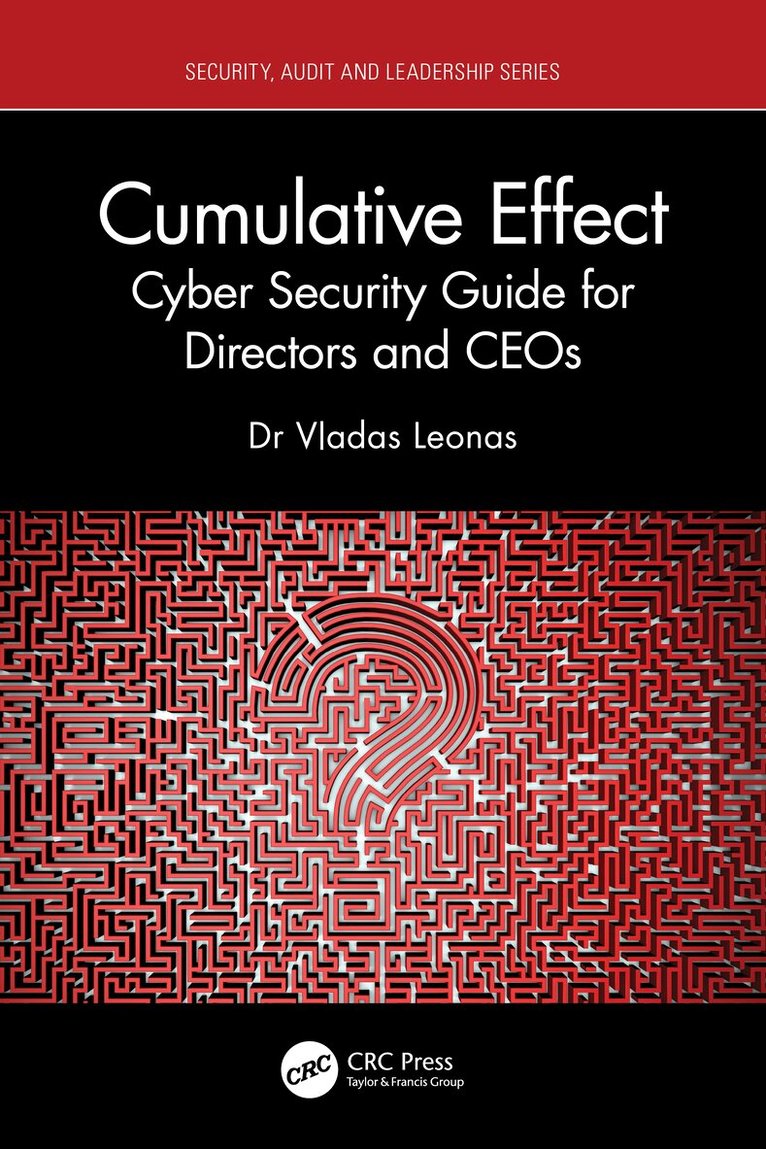
For years, cyber security was the ‘poor relation’ in many boardrooms: treated as inferior to other priorities, seen as an irritating cost centre and assumed to be money that could be spent ‘better’ elsewhere. That mindset is rarely the result of a single bad decision. It is inertia, the cumulative effect of multiple factors and, above all, a lack of understanding of how dramatically the landscape has changed over the past 25 years.This book is written as a practical wake-up call for Board Members and CEOs. It reframes cyber security as a leadership issue rooted in the inherent insecurities of the internet on which modern organisations are built, encouraging leaders to think as if they operate in a high-crime area. It then shows how to translate that mindset into board-level oversight: strengthening domain and subdomain controls and certificate management, expanding organisational KPIs to include correctly chosen cyber measures (such as year-on-year reduction in IT ecosystem complexity) and making explicit decisions about unmanaged devices such as BYOD and home computers.The book also introduces a ‘cyber security risk-reward’ lens for business cases, reshaping how leaders assess digital transformation, agile delivery, SaaS sprawl and shadow IT. It clarifies shared security responsibility and how to implement and manage it properly, then broadens the conversation to supply chain cyber risks and dependencies across all vendors and service providers, not just IT. It highlights the strategic importance of DNS ownership and management, examines the cyber implications of reliance on ‘digital monopolies’ such as Microsoft or CrowdStrike and makes clear that compliance does not equal security: standards and frameworks may help, but they do not guarantee real security. Finally, it tackles modern boardroom pressure points, including avoiding FOMO-driven decisions, assessing AI adoption through a cyber risk lens and planning for post-quantum cryptography.