W. F. Bynum – författare
Visar alla böcker från författaren W. F. Bynum. Handla med fri frakt och snabb leverans.
19 produkter
Oxford Dictionary of Scientific Quotations
Inbunden, 2016
606 kr
Lägg i varukorg
This dictionary is part of the Oxford Reference Collection: using sustainable print-on-demand technology to make the acclaimed backlist of the Oxford Reference programme perennially available in hardback format. The original words announcing great scientific discoveries, from the first 'Eureka!' to …
Medical Fringe and Medical Orthodoxy 1750-1850
E-bok, 2018
660 kr
Lägg i varukorg
First published in 1987. Even as the professionalism of medicine progressed, many sufferers continued to rely on what would now be termed "fringe" practitioners – quacks, backstreet surgeons, bone-setters, Thomsonian botanists, holists and naturalists. Many types of fringe medicine were popular …
Medical Fringe and Medical Orthodoxy 1750-1850
E-bok, 2018
660 kr
Lägg i varukorg
First published in 1987. Even as the professionalism of medicine progressed, many sufferers continued to rely on what would now be termed "fringe" practitioners – quacks, backstreet surgeons, bone-setters, Thomsonian botanists, holists and naturalists. Many types of fringe medicine were popular …
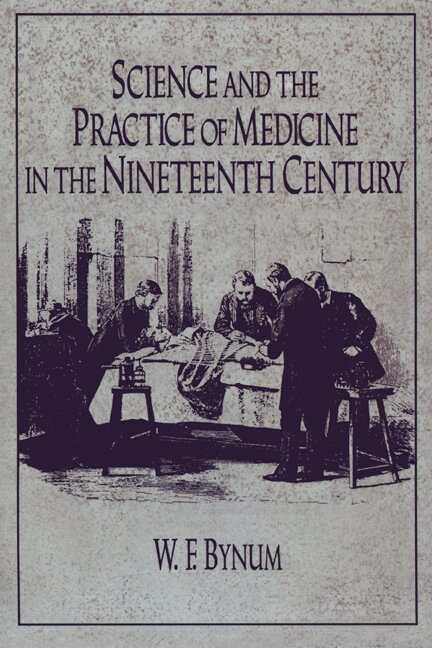
Science and the Practice of Medicine in the Nineteenth Century
Av W. F. Bynum
Häftad, 1994
435 kr
Lägg i varukorg
Prior to the nineteenth century, the practice of medicine in the Western world was as much art as science. But, argues W. F. Bynum, 'modern' medicine as practiced today is built upon foundations that were firmly established between 1800 and the beginning of World War I. He demonstrates this in …
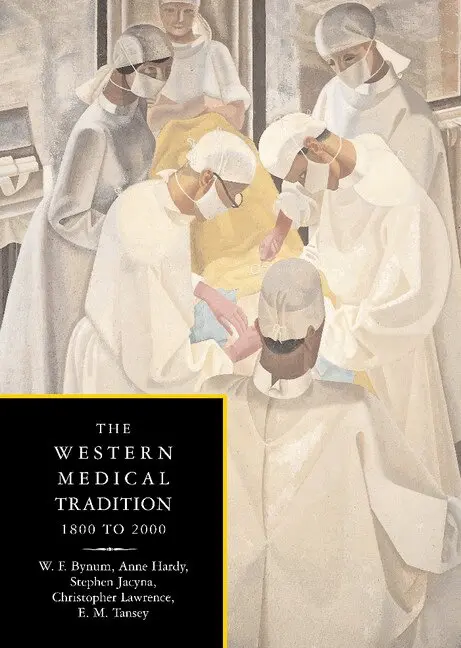
The Western Medical Tradition
1800-2000
Av W. F. Bynum, Anne Hardy m. fl.
Inbunden, 2006
1391 kr
Lägg i varukorg
This book, first published in 2006, is a detailed and authoritative account of the last two centuries of the development of 'Western' medicine, a tradition now important everywhere in the world. It is written by leading experts who not only describe the most important people, events, and …
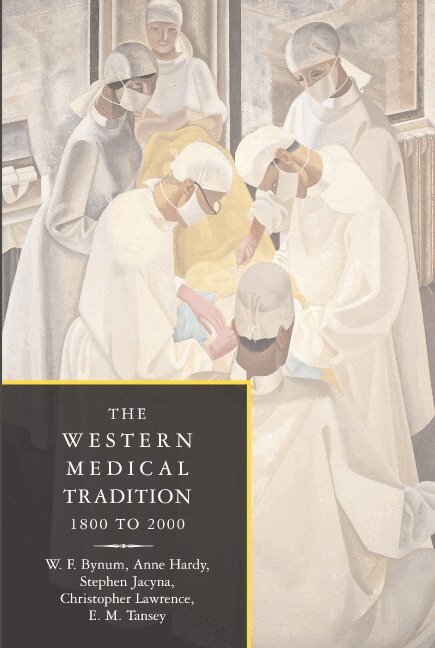
The Western Medical Tradition
1800-2000
Av W. F. Bynum, Anne Hardy m. fl.
Häftad, 2006
687 kr
Lägg i varukorg
This book, first published in 2006, is a detailed and authoritative account of the last two centuries of the development of 'Western' medicine, a tradition now important everywhere in the world. It is written by leading experts who not only describe the most important people, events, and …
William Hunter and the Eighteenth-Century Medical World
Häftad, 2002
838 kr
Lägg i varukorg
Arising out of a conference commemorating the two hundredth anniversary of the death of William Hunter (1718-1783), this book explores the career of that highly successful physician, obstetrician, medical educator and man of culture against the backgrounds of the medical, intellectual, social and …
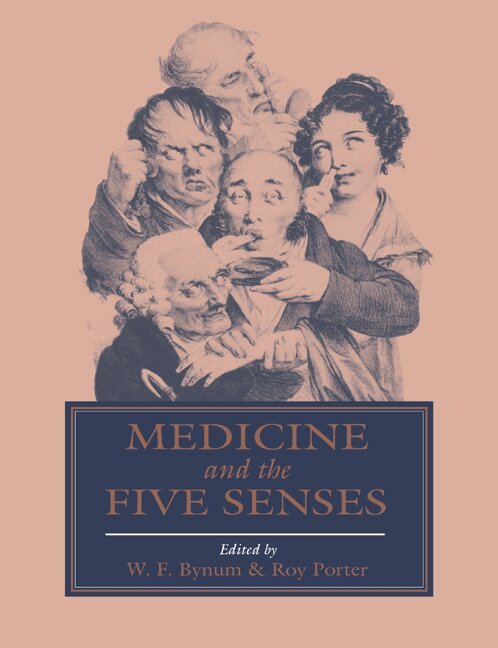
Medicine and the Five Senses
Häftad, 2005
1022 kr
Lägg i varukorg
From the days of Hippocratic 'bedside medicine' to the advent of the CAT scanner, doctors have always relied on their senses in diagnosing and treating disease. Medical education, from the apprenticeship, to the rise of the laboratory, has sought to train the senses of students who must act like …
Companion Encyclopedia of the History of Medicine
E-bok, 2013
10698 kr
Lägg i varukorg
This is a comprehensive reference work which surveys all aspects of the history of medicine, both clinical and social, and reflects the complementary approaches to the discipline. The editors have assembled an international team of scholars to provide detailed and informative factual surveys with …
Companion Encyclopedia of the History of Medicine
E-bok, 2013
10698 kr
Lägg i varukorg
This is a comprehensive reference work which surveys all aspects of the history of medicine, both clinical and social, and reflects the complementary approaches to the discipline. The editors have assembled an international team of scholars to provide detailed and informative factual surveys with …
Anatomy Of Madness Vol 1
Av Roy Porter, Michael Shepherd m. fl.
E-bok, 2018
1052 kr
Lägg i varukorg
This is a collection of essays on the history of Psychiatry. Volume I of three, offers works around people and ideas including those of Samuel Johnson, Jon Conolly, Descartes, Freud, Darwin and Hamlet. Most of the papers in these volumes arose from a seminar series on the history of psychiatry and …
Anatomy Of Madness Vol 1
Av Roy Porter, Michael Shepherd m. fl.
E-bok, 2018
1052 kr
Lägg i varukorg
This is a collection of essays on the history of Psychiatry. Volume I of three, offers works around people and ideas including those of Samuel Johnson, Jon Conolly, Descartes, Freud, Darwin and Hamlet. Most of the papers in these volumes arose from a seminar series on the history of psychiatry and …
Anatomy Of Madness Vol 2
Av Roy Porter, Michael Shepherd m. fl.
E-bok, 2018
1052 kr
Lägg i varukorg
This is a collection of essays on the history of Psychiatry. Volume II of three, offers works around the institutions and society from the eighteenth century to 1917. Most of the papers in these volumes arose from a seminar series on the history of psychiatry and a one-day seminar on the same theme …
Anatomy Of Madness Vol 2
Av Roy Porter, Michael Shepherd m. fl.
E-bok, 2018
1052 kr
Lägg i varukorg
This is a collection of essays on the history of Psychiatry. Volume II of three, offers works around the institutions and society from the eighteenth century to 1917. Most of the papers in these volumes arose from a seminar series on the history of psychiatry and a one-day seminar on the same theme …
Anatomy Of Madness Vol 3
Av Roy Porter, Michael Shepherd m. fl.
E-bok, 2018
1030 kr
Lägg i varukorg
This is a collection of essays on the history of Psychiatry. The final Volume III offers works around the psychiatry of the Asylum in countries such as Denmark, British India, Italy, Britain, Ireland, Scotland, France and America.
Anatomy Of Madness Vol 3
Av Roy Porter, Michael Shepherd m. fl.
E-bok, 2018
1052 kr
Lägg i varukorg
This is a collection of essays on the history of Psychiatry. The final Volume III offers works around the psychiatry of the Asylum in countries such as Denmark, British India, Italy, Britain, Ireland, Scotland, France and America.
Medical Fringe and Medical Orthodoxy 1750-1850
Inbunden, 2018
2203 kr
Lägg i varukorg
First published in 1987. Even as the professionalism of medicine progressed, many sufferers continued to rely on what would now be termed "fringe" practitioners – quacks, backstreet surgeons, bone-setters, Thomsonian botanists, holists and naturalists. Many types of fringe medicine were popular in …
Medical Fringe and Medical Orthodoxy 1750-1850
Häftad, 2020
564 kr
Lägg i varukorg
First published in 1987. Even as the professionalism of medicine progressed, many sufferers continued to rely on what would now be termed "fringe" practitioners – quacks, backstreet surgeons, bone-setters, Thomsonian botanists, holists and naturalists. Many types of fringe medicine were popular in …
Companion Encyclopedia of the History of Medicine
1993
10061 kr
Tillfälligt slut
This is a comprehensive reference work which surveys all aspects of the history of medicine, both clinical and social, and reflects the complementary approaches to the discipline. The editors have assembled an international team of scholars to provide detailed and informative factual surveys with …