W H Bunting - Böcker
Visar alla böcker från författaren W H Bunting. Handla med fri frakt och snabb leverans.
6 produkter
6 produkter
593 kr
Tillfälligt slut
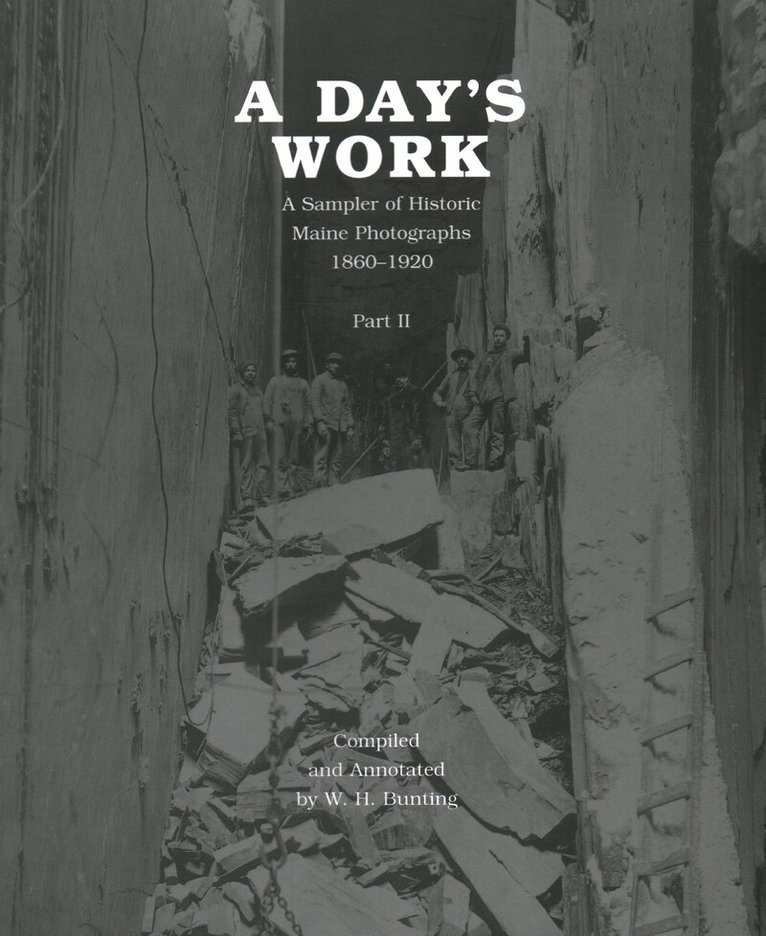
Bunting has a knack for spotting the unusual in a photograph, or some minor detail that, in fact, tells a major story about the how and why. From granite quarry operations to an itinerant cobbler in a sailing scow to hootchie-kootchie dancers at the state fair to deepwater ships, his page-long captions place these images in social and economic context--but this is not dry history. His research has uncovered a wealth of fascinating, often quirky detail (did you know that mummy wrappings were imported from Egypt for Maine papermaking?), and he makes frequent forays into the Maine storytelling tradition.
428 kr
Tillfälligt slut
Bunting has a knack for spotting the unusual in a photograph, or some minor detail that, in fact, tells a major story about the how and why. From granite quarry operations to an itinerant cobbler in a sailing scow to hootchie-kootchie dancers at the state fair to deepwater ships, his page-long captions place these images in social and economic context--but this is not dry history. His research has uncovered a wealth of fascinating, often quirky detail (did you know that mummy wrappings were imported from Egypt for Maine papermaking?), and he makes frequent forays into the Maine storytelling tradition.
370 kr
Tillfälligt slut
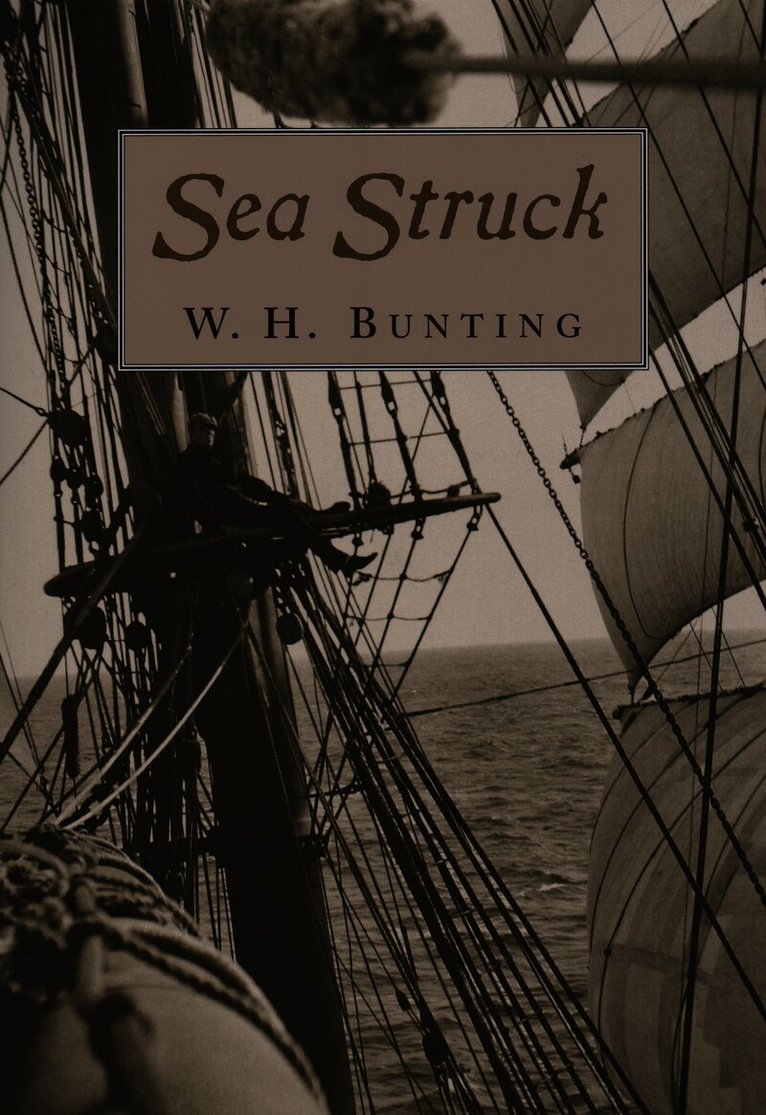
Sea Struck brings alive the final decades of square-rigged sail through the accounts of voyages made on three ships by three young men from Massachusetts. There is plenty of adventure here— storms, men overboard, discipline that bordered on brutality, and exotic ports. There is also a fascinating immersion in the lore of the sea and sail and the global web of connections in the New England maritime community.
196 kr
Tillfälligt slut
536 kr
Kommande
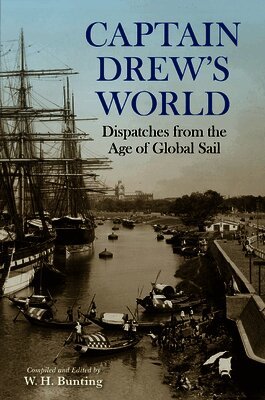
From 1877 to 1889, as Captain John H. Drew plied the world's oceans aboard the full-rigged ship Sea Witch of Boston, he wrote lengthy dispatches to the Boston Journal. He was a man of action and intellect who crafted closely observed, empathic prose, well-salted with dry wit. Drew described his current and past voyaging in various trades, including the Boston "Straits" trade, the cotton and emigrant trade, the Cape Horn grain trade, the East India ice trade, the Far East case oil trade, the Australian packet trade, and the sugar trade from sleepy ports of the Spanish and Dutch empires that today are teeming megacities. He font of knowledge included the proper stowage of cargoes of pepper, sugar, and firecrackers.An expert navigator and seaman, Drew also loved music; dabbled in art; studied history, literature, and geography; and was a world-class collector of seashells. He was outspoken against the virulent anti-Chinese bias of the late 1800s. A superlative chronicler of life at sea, Drew was a keen observer of foreign lands and cultures. Drew's later letters reflect a melancholy, the loneliness of a captain's life, the drowning of three of his brothers, and the decline of the once-preeminent American deepwater fleet. As a member of a shipbuilding family with deep maritime roots in Maine's Kennebec River valley, Drew wrote to preserve the record of the passing of an age and his place in it.Maritime historian and editor W. H. Bunting has compiled Drew's writings and gathered them here with enlightening annotation. Captain Drew's World: Dispatches from the Age of Global Sail provides readers a vivid window onto the great age of sail from both coasts of the United States to the Caribbean, Europe, Southeast Asia, Australia, and beyond.
359 kr
Skickas inom 5-8 vardagar
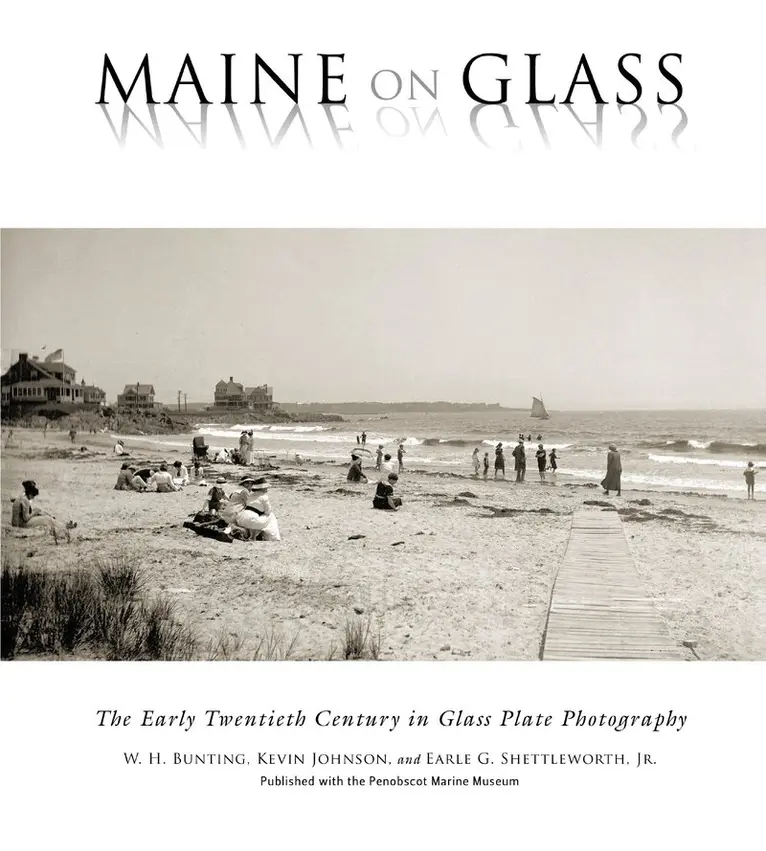
Postcards were the Instagrams of the early twentieth century. On one day in September 1906, 200,000 postcards were mailed from Coney Island. In 1913 some 968,000,000 postcards were sent in the U.S., more than seven per person. The majority of postcards made at the turn of the twentieth century were mass-produced lithograph or letterpress half-tones, but the Eastern Illustrating & Publishing Company produced “real photo postcards” in the form of silver gelatin prints made by exposing the negative onto photo paper card stock and developing it in a traditional wet darkroom. Eastern was the largest U.S. manufacturer of what it called “genuine” photo postcards. The images in this book were selected from 22,000 glass plate negatives created by the Eastern company between 1909 and World War II. As an archive of early twentieth-century Maine architectural photography, the Eastern collection (now housed at the Penobscot Marine Museum) has no equal, and it gives us many unexpected glimpses of Maine life. Maine residents, expatriates, and visitors will enjoy hours of pleasure in this journey through Maine's countryside, villages, and towns, guided by three historians who can bring a vista to life with a few well-chosen comments.