W. J. Rorabaugh - Böcker
Visar alla böcker från författaren W. J. Rorabaugh. Handla med fri frakt och snabb leverans.
8 produkter
8 produkter
111 kr
Skickas inom 5-8 vardagar
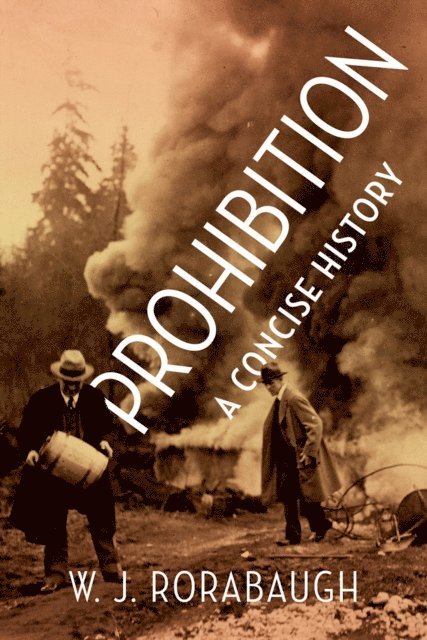
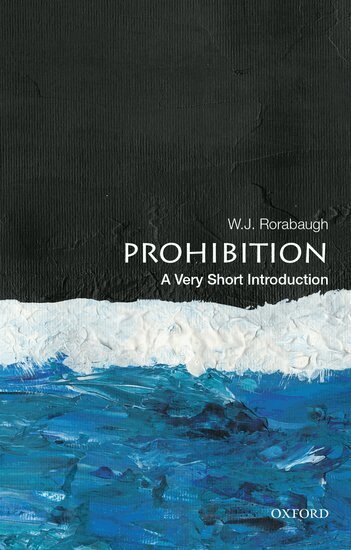
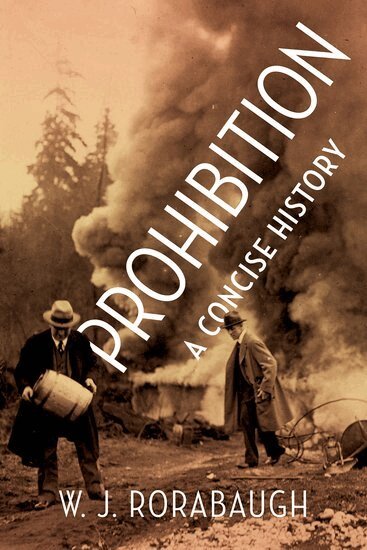
Americans have always been a hard-drinking people, but from 1920 to 1933 the country went dry. After decades of pressure from rural Protestants such as the hatchet-wielding Carry A. Nation and organizations such as the Women's Christian Temperance Union and Anti-Saloon League, the states ratified the Eighteenth Amendment to the Constitution. Bolstered by the Volstead Act, this amendment made Prohibition law: alcohol could no longer be produced, imported, transported, or sold. This bizarre episode is often humorously recalled, frequently satirized, and usually condemned. The more interesting questions, however, are how and why Prohibition came about, how Prohibition worked (and failed to work), and how Prohibition gave way to strict governmental regulation of alcohol. This book answers these questions, presenting a brief and elegant overview of the Prohibition era and its legacy.During the 1920s alcohol prices rose, quality declined, and consumption dropped. The black market thrived, filling the pockets of mobsters and bootleggers. Since beer was too bulky to hide and largely disappeared, drinkers sipped cocktails made with moonshine or poor-grade imported liquor. The all-male saloon gave way to the speakeasy, where together men and women drank, smoked, and danced to jazz.After the onset of the Great Depression, support for Prohibition collapsed because of the rise in gangster violence and the need for revenue at local, state, and federal levels. As public opinion turned, Franklin Delano Roosevelt promised to repeal Prohibition in 1932. The legalization of beer came in April 1933, followed by the Twenty-first Amendment's repeal of the Eighteenth that December. State alcohol control boards soon adopted strong regulations, and their legacies continue to influence American drinking habits. Soon after, Bill Wilson and Dr. Bob Smith founded Alcoholics Anonymous (AA). The alcohol problem had shifted from being a moral issue during the century to a social, cultural, and political one during the campaign for Prohibition, and finally, to a therapeutic one involving individuals. As drinking returned to pre-Prohibition levels, a Neo-Prohibition emerged, led by groups such as Mothers against Drunk Driving, and ultimately resulted in a higher legal drinking age and other legislative measures. With his unparalleled expertise regarding American drinking patterns, W. J. Rorabaugh provides an accessible synthesis of one of the most important topics in US history, a topic that remains relevant today amidst rising concerns over binge-drinking and alcohol culture on college campuses.
163 kr
Skickas inom 5-8 vardagar
Although Americans have always been a hard-drinking people, voters used the democratic process to ban alcohol from 1920 to 1933. This bizarre episode, which uniquely involved two constitutional amendments, has often been humorously recalled, frequently satirized, and usually condemned. The more interesting questions, however, are how and why Prohibition came about, how Prohibition worked (and failed to work), and how Prohibition gave way to strict governmental regulation of alcohol. This book answers these questions, presenting a brief and elegant overview of the Prohibition era.During the 1920s alcohol prices rose, quality declined, and consumption dropped. Since beer was too bulky to hide and largely disappeared, drinkers swallowed mixed drinks made with moonshine or mediocre imported liquor. The all-male saloon gave way to the speakeasy, where men and women drank, ate, and danced to jazz.This book illustrates how public support for prohibition collapsed due to gangster violence and the need for local, state, and federal government alcohol revenue during the Great Depression. As public opinion turned against prohibition, Franklin Delano Roosevelt promised to repeal prohibition in 1932. Legal, taxed beer came in April 1933, and the Twenty-first Amendment was ratified in December 1933. After 1933, state alcohol control boards adopted strong regulations, whose legacies continue to influence American drinking habits.With his unparalleled historical knowledge and expertise in American drinking patterns, W. J. Rorabaugh provides an elegant and accessible synthesis of one of the most important topics in US history, showing how a powerful socio-political movement can shift emphasis over time.
409 kr
Skickas inom 7-10 vardagar
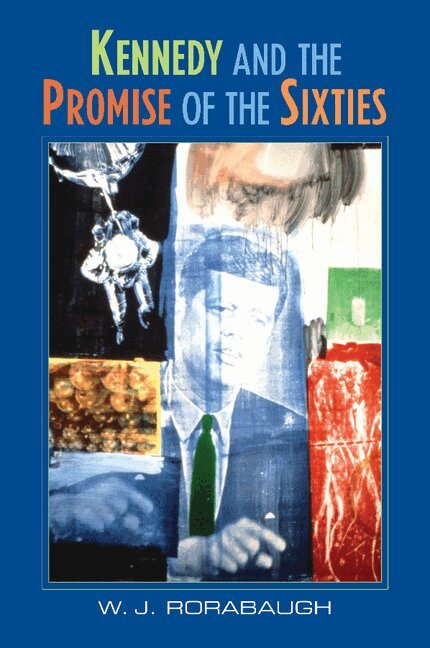
This book explores life in America during that brief promising moment in the early Sixties when John F. Kennedy was President. Kennedy's Cold War frustrations in Cuba and Vietnam worried Americans. The 1962 missile crisis narrowly avoided a nuclear disaster. The civil rights movement gained momentum with student sit-ins, Freedom Rides, and crises in Mississippi and Alabama. Martin Luther King, Jr., emerged as a spokesman for non-violent social change. The American family was undergoing rapid change. Betty Friedan began to launch the Women's Movement. The Beat authors Jack Kerouac and Allen Ginsberg gained respectability and, at the same time, Joan Baez and Bob Dylan revived folk music. Roy Lichtenstein and Andy Warhol produced Pop Art, while Ginsberg, Aldous Huxley, Timothy Leary, and Ken Kesey began to promote psychedelic drugs. The early Sixties was a period of marked political, social and cultural change which this book relates and discusses.
1 083 kr
Skickas inom 7-10 vardagar
This book explores life in America during that brief promising moment in the early Sixties when John F. Kennedy was President. Kennedy's Cold War frustrations in Cuba and Vietnam worried Americans. The 1962 missile crisis narrowly avoided a nuclear disaster. The civil rights movement gained momentum with student sit-ins, Freedom Rides, and crises in Mississippi and Alabama. Martin Luther King, Jr., emerged as a spokesman for non-violent social change. The American family was undergoing rapid change. Betty Friedan began to launch the Women's Movement. The Beat authors Jack Kerouac and Allen Ginsberg gained respectability and, at the same time, Joan Baez and Bob Dylan revived folk music. Roy Lichtenstein and Andy Warhol produced Pop Art, while Ginsberg, Aldous Huxley, Timothy Leary, and Ken Kesey began to promote psychedelic drugs. The early Sixties was a period of marked political, social and cultural change which this book relates and discusses.
538 kr
Skickas inom 10-15 vardagar
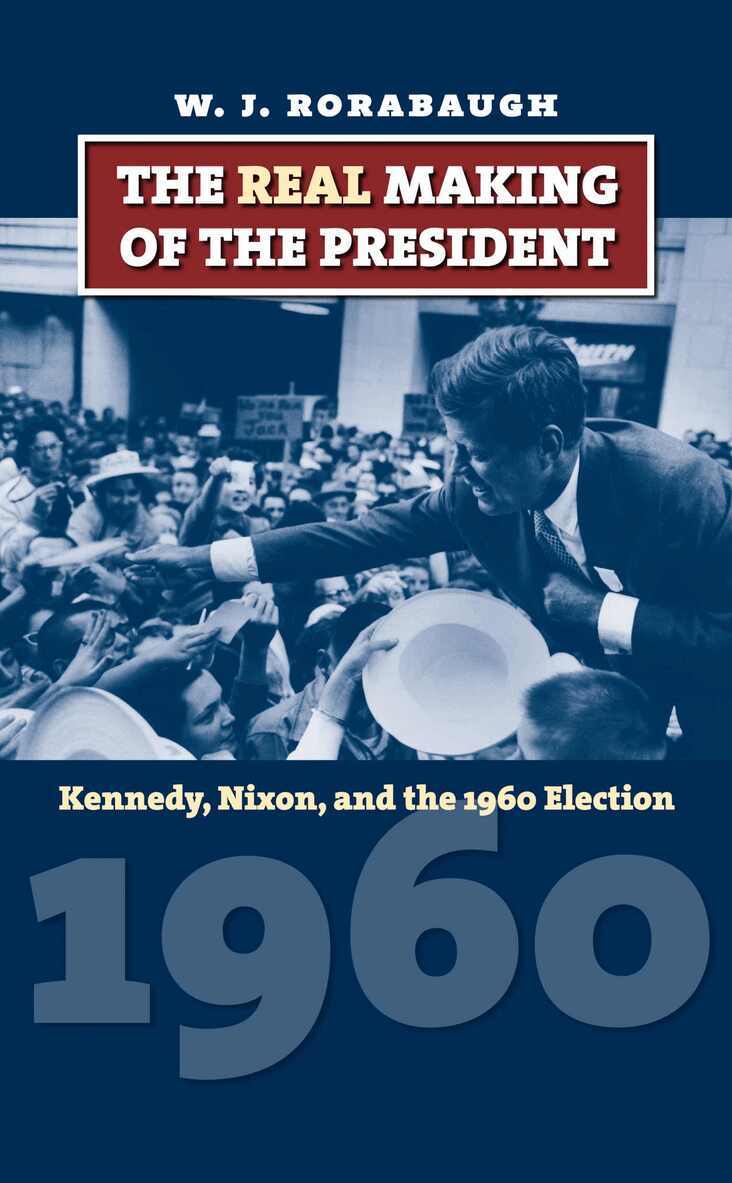
When John Kennedy won the presidency in 1960, he also won the right to put his own spin on the victory - whether as an underdog's heroic triumph or a liberal crusader's overcoming special interests. Now W. J. Rorabaugh cuts through the mythology of this famous election to explain the nuts-and-bolts operations of the campaign and offer a corrective to Theodore White's flawed classic, ""The Making of the President"". Despite a less than liberal record, JFK assumed the image of liberal hero - thanks to White and other journalists who were shamelessly manipulated by the Kennedy campaign. Rorabaugh instead paints JFK as the ideological twin of Nixon and his equal as a bare-knuckled politician, showing that Kennedy's hard-won, razor-thin victory was attributable less to his legendary charisma than to an enormous amount of money, an effective campaign organization, and television image-making. The 1960 election, Rorabaugh argues, reflects the transition from the dominance of old-style boss and convention politics to the growing significance of primaries, race, and especially TV - without which Kennedy would have been neither nominated nor elected. He recounts how JFK cultivated delegates to the 1960 Democratic convention; quietly wooed the still-important party bosses; and used a large personal organization, polls, and TV advertising to win primaries. JFK's master stroke, however, was choosing as a running mate Lyndon Johnson, whose campaigning in the South carried enough southern states to win the election. On the other side, Rorabaugh draws on Nixon's often-ignored files to take a close look at his dysfunctional campaign, which reflected the oddities of a dark and brooding candidate trapped into defending the Eisenhower administration. Yet the widely detested Nixon won almost as many votes as the charismatic Kennedy. This leads Rorabaugh to re-examine the darker side of the election: the Republicans' charges of vote fraud in Illinois and Texas, the use of money to prod or intimidate, manipulation of the media, and the bulldozing of opponents. ""The Real Making of the President"" gives us a sobering look at all of this, fundamentally reshaping our understanding of one of the nation's most memorable elections.
308 kr
Skickas inom 7-10 vardagar
When John Kennedy won the presidency in 1960, he also won the right to put his own spin on the victory—whether as an underdog’s heroic triumph or a liberal crusader’s overcoming special interests. Now W. J. Rorabaugh cuts through the mythology of this famous election to explain the nuts-and-bolts operations of the campaign and offer a corrective to Theodore White’s flawed classic, The Making of the President.Despite a less than liberal record, JFK assumed the image of liberal hero—thanks to White and other journalists who were shamelessly manipulated by the Kennedy campaign. Rorabaugh instead paints JFK as the ideological twin of Nixon and his equal as a bare-knuckled politician, showing that Kennedy’s hard-won, razor-thin victory was attributable less to his legendary charisma than to an enormous amount of money, an effective campaign organisation, and television image-making. The 1960 election, Rorabaugh argues, reflects the transition from the dominance of old-style boss and convention politics to the growing significance of primaries, race, and especially TV—without which Kennedy would have been neither nominated nor elected. He recounts how JFK cultivated delegates to the 1960 Democratic convention; quietly wooed the still-important party bosses; and used a large personal organisation, polls, and TV advertising to win primaries. JFK’s master stroke, however, was choosing as a running mate Lyndon Johnson, whose campaigning in the South carried enough southern states to win the election. On the other side, Rorabaugh draws on Nixon’s often-ignored files to take a close look at his dysfunctional campaign, which reflected the oddities of a dark and brooding candidate trapped into defending the Eisenhower administration. Yet the widely detested Nixon won almost as many votes as the charismatic Kennedy. This leads Rorabaugh to reexamine the darker side of the election: the Republicans’ charges of vote fraud in Illinois and Texas, the use of money to prod or intimidate, manipulation of the media, and the bulldozing of opponents. The Real Making of the President gives a sobering look at all of this, fundamentally reshaping understanding of one of America’s most memorable elections.
997 kr
Skickas inom 7-10 vardagar
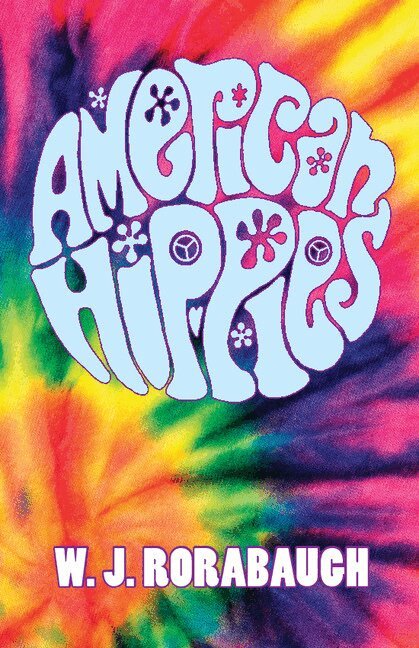
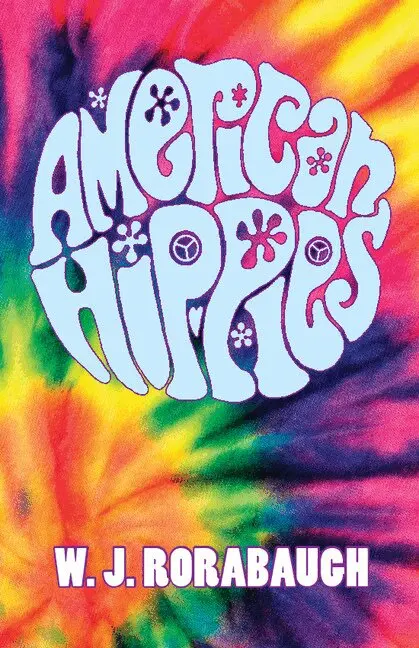
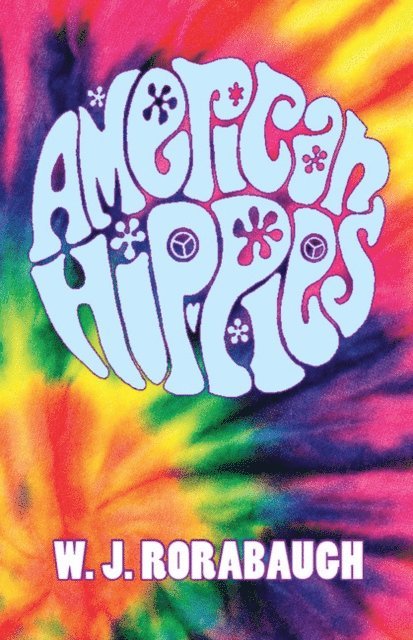
In the late 1960s and early 1970s hundreds of thousands of white middle-class American youths suddenly became hippies. This short overview of the hippie social movement in the United States examines the movement's beliefs and practices, including psychedelic drugs, casual sex, and rock music, as well as the phenomena of spiritual seeking, hostility to politics, and communes. W. J. Rorabaugh synthesizes how hippies strived for authenticity, expressed individualism, and yearned for community. Viewing the tumultuous Sixties from a new angle, Rorabaugh shows how the counterculture led to subsequent social and cultural changes in the United States with legacies including casual sex, natural foods, and even the personal computer.
318 kr
Skickas inom 7-10 vardagar
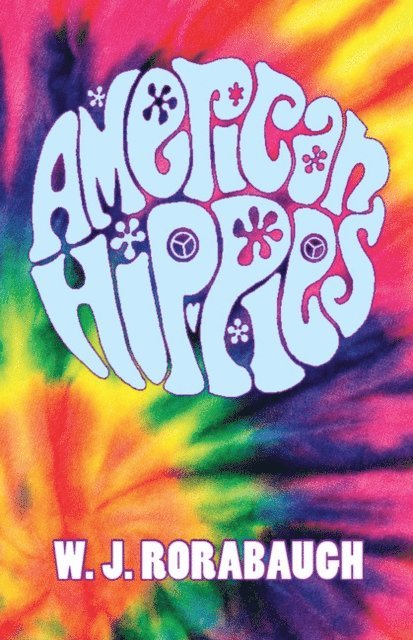
In the late 1960s and early 1970s hundreds of thousands of white middle-class American youths suddenly became hippies. This short overview of the hippie social movement in the United States examines the movement's beliefs and practices, including psychedelic drugs, casual sex, and rock music, as well as the phenomena of spiritual seeking, hostility to politics, and communes. W. J. Rorabaugh synthesizes how hippies strived for authenticity, expressed individualism, and yearned for community. Viewing the tumultuous Sixties from a new angle, Rorabaugh shows how the counterculture led to subsequent social and cultural changes in the United States with legacies including casual sex, natural foods, and even the personal computer.