Wade Hall – författare
Visar alla böcker från författaren Wade Hall. Handla med fri frakt och snabb leverans.
10 produkter
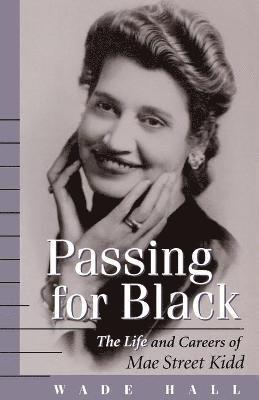
Passing for Black
The Life and Careers of Mae Street Kidd
Av Wade Hall
Häftad, 1997
382 kr
Lägg i varukorg
In 1976, Kentucky state legislator Mae Street Kidd successfully sponsored a resolution ratifying the 13th, 14th, and 15th amendments to the U.S. Constitution. It was fitting that a black woman should initiate the state's formal repudiation of slavery; that it was Mrs. Kidd was all the more …
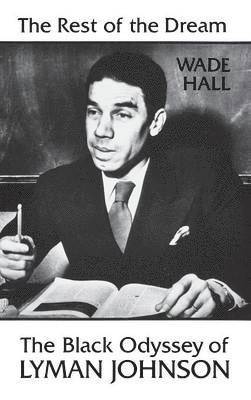
Rest of the Dream
The Black Odyssey of Lyman Johnson
Av Wade Hall
Inbunden, 1988
608 kr
Lägg i varukorg
In The Rest of the Dream, Lyman Johnson, grassroots civil rights leader, tells his own story. All four of Johnson's grandparents were slaves in Tennessee. Yet his father was a college graduate, principal of a black school, and the inspiration for his son's love of justice. Lyman Johnson was born in …
Hell-Bent For Music
The Life of Pee Wee King
Av Wade Hall
Inbunden, 1996
683 kr
Lägg i varukorg
Pee Wee King's birth on February 18, 1914, into a Milwaukee working-class Polish family named Kuczynski was hardly an indicator that he would grow up to become a pioneer and superstar of country and western music. Certainly no one in the Polish-German community of his youth could have foreseen his …
Kentucky Anthology
Two Hundred Years of Writing in the Bluegrass State
Av Wade Hall
Inbunden, 2005
930 kr
Lägg i varukorg
For over two hundred years, Kentucky has inspired many of the nation's finest writers, both natives of the Bluegrass State and outsiders who were entranced by its rich natural wonders and culture. Now, for the first time, celebrated Kentucky literary historian Wade Hall has assembled a …
Kentucky Anthology
Two Hundred Years of Writing in the Bluegrass State
Av Wade Hall
E-bok, 2010
879 kr
Lägg i varukorg
Long before the official establishment of the Commonwealth, intrepid pioneers ventured west of the Allegheny Mountains into an expansive, alluring wilderness that they began to call Kentucky. After blazing trails, clearing plots, and surviving innumerable challenges, a few adventurers found time to …
Kentucky Anthology
Two Hundred Years of Writing in the Bluegrass State
Av Wade Hall
E-bok, 2005
879 kr
Lägg i varukorg
Long before the official establishment of the Commonwealth, intrepid pioneers ventured west of the Allegheny Mountains into an expansive, alluring wilderness that they began to call Kentucky. After blazing trails, clearing plots, and surviving innumerable challenges, a few adventurers found time to …
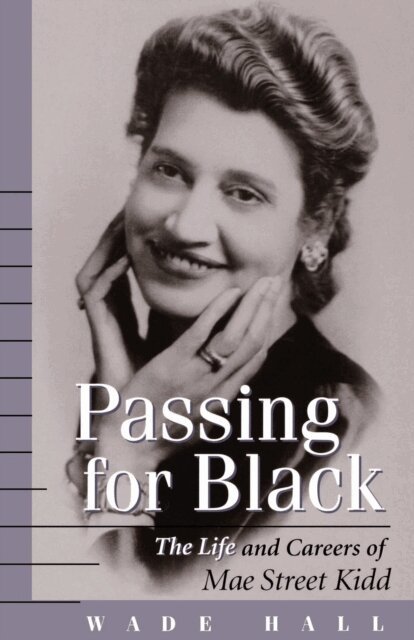
Passing for Black
The Life and Careers of Mae Street Kidd
Av Wade Hall
E-bok, 2014
568 kr
Lägg i varukorg
In 1976, Kentucky state legislator Mae Street Kidd successfully sponsored a resolution ratifying the 13th, 14th, and 15th amendments to the U.S. Constitution. It was fitting that a black woman should initiate the state's formal repudiation of slavery; that it was Mrs. Kidd was all the more …
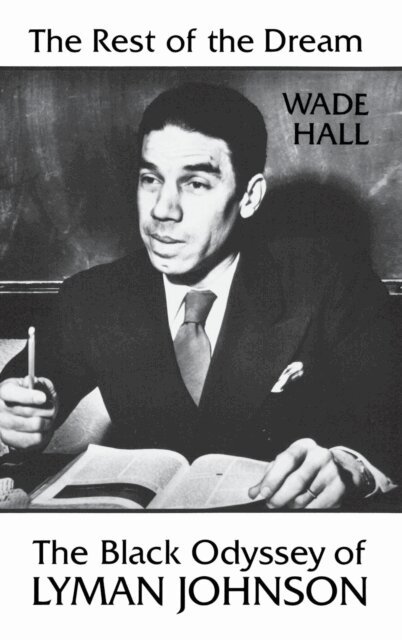
Rest of the Dream
The Black Odyssey of Lyman Johnson
Av Wade Hall
E-bok, 2014
568 kr
Lägg i varukorg
In The Rest of the Dream, Lyman Johnson, grassroots civil rights leader, tells his own story. All four of Johnson's grandparents were slaves in Tennessee. Yet his father was a college graduate, principal of a black school, and the inspiration for his son's love of justice. Lyman Johnson was born in …
Hell-Bent For Music
The Life of Pee Wee King
Av Wade Hall
E-bok, 2014
552 kr
Lägg i varukorg
Pee Wee King's birth on February 18, 1914, into a Milwaukee working-class Polish family named Kuczynski was hardly an indicator that he would grow up to become a pioneer and superstar of country and western music. Certainly no one in the Polish-German community of his youth could have foreseen his …
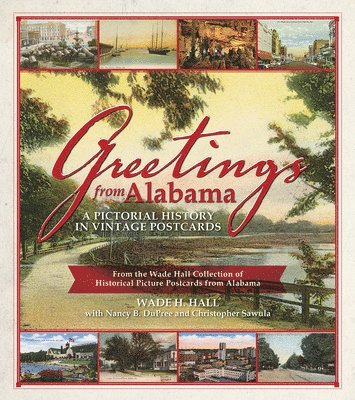
Greetings from Alabama
A Pictorial History in Vintage Postcards from the Wade Hall Collection of Historical Picture Postcards from Alabama
Av Christopher Sawula, Nancy B. DuPree m. fl.
Häftad, 2016
320 kr
Lägg i varukorg
Although he was a native of Bullock County, Alabama, Wade Hall—teacher, writer, poet, critic, interviewer, folklorist, and documentarian—spent most of his fifty-year career in Kentucky. But he was never emotionally far from his home as evidenced by his passion for collecting vintage Alabama …