Wally Seccombe - Böcker
Visar alla böcker från författaren Wally Seccombe. Handla med fri frakt och snabb leverans.
3 produkter
3 produkter
325 kr
Skickas inom 10-15 vardagar
323 kr
Skickas inom 3-6 vardagar
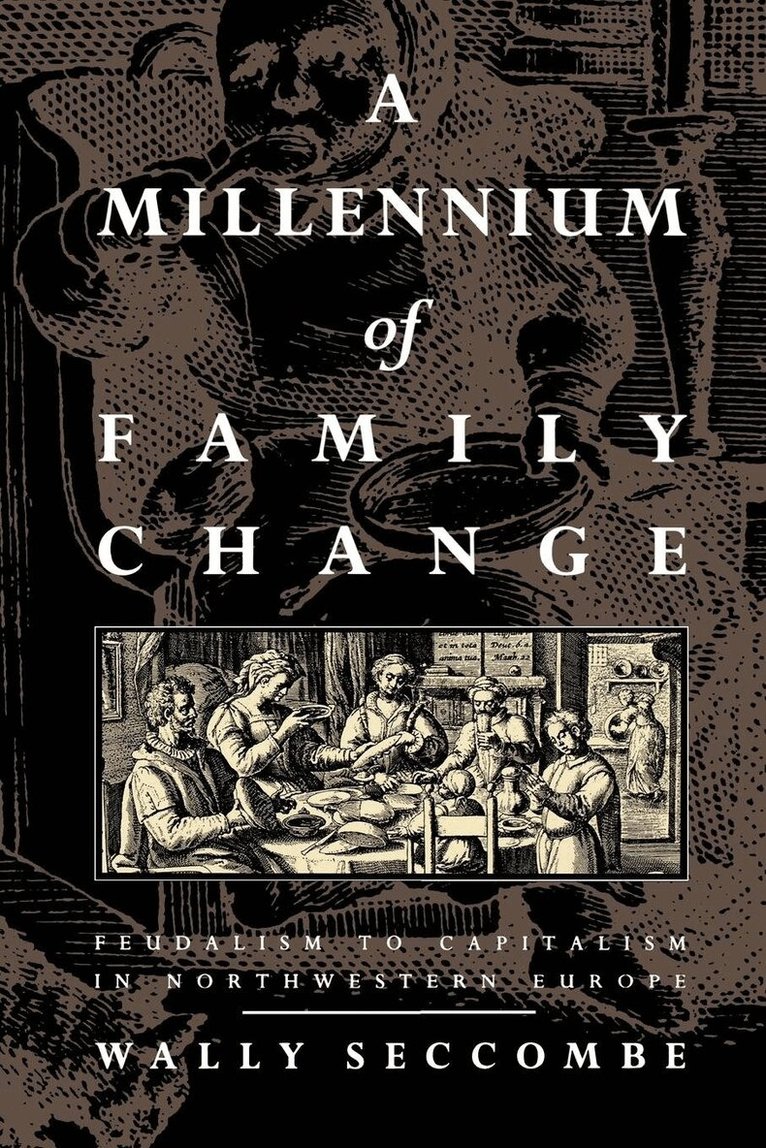
How do changes in family form relate to changes in society as a whole? In a work which combines theoretical rigour with historical scope, Wally Seccombe provides a powerful study of the changing structure of families from the Middle Ages to the beginning of the Industrial Revolution. Responding to feminist critiques of 'sex-blind' historical materialism, Seccombe argues that family forms must be seen to be at the heart of modes of production. He takes issue with the mainstream consensus in family history which argues that capitalism did not fundamentally alter the structure of the nuclear family, and makes a controversial intervention in the long-standing debate over European marriage patterns and their relation to industrialization. Drawing on an astonishing range of studies in family history, historical demography and economic history, A Millennium of Family Change provides an integrated overview of the long transition from feudalism to capitalism, illuminating the far-reaching changes in familial relations from peasant subsistence to the making of the modern working class.
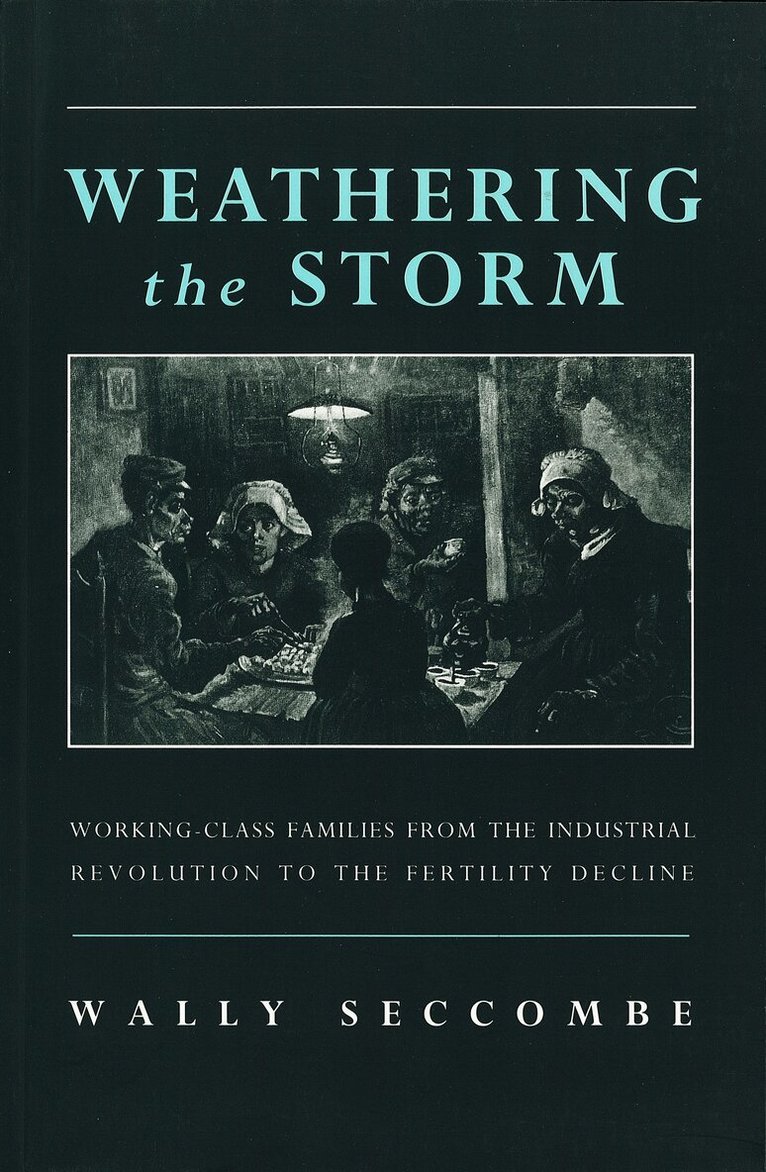
Weathering the Storm
Working-Class Families from the Industrial Revolution to the Fertility Decline
Häftad, Engelska, 1995
420 kr
Skickas inom 3-6 vardagar
The industrial revolution which so transformed nineteenth-century labour brought about fundamental changes in the lives of working-class families. In this challenging sequel to A Millennium of Family Change Wally Seccombe examines in detail the ways in which large-scale economic changes shape the microcosm of personal life.Seccombe argues that what we think of as the modern nuclear family only took shape relatively recently: whereas at the beginning of the nineteenth century families tended to contain several earners, it was not until the time of the First World War that the male breadwinner had become the norm. He traces the effects on the family of increasingly centralized manufacture, the separation of workplaces from the home neighbourhood, and the changes in domestic labour brought about by urban housing. And he documents how the introduction of compulsory schooling and the rise of birth control contributed to changes in the dynamic of the working-class family, as children are differentiated from adults and conjugal rights and duties renegotiated.Combining empirical scope with conceptual clarity, Weathering the Storm makes a decisive contribution to the study of family history.