Walt Heinecke - Böcker
Visar alla böcker från författaren Walt Heinecke. Handla med fri frakt och snabb leverans.
4 produkter
4 produkter
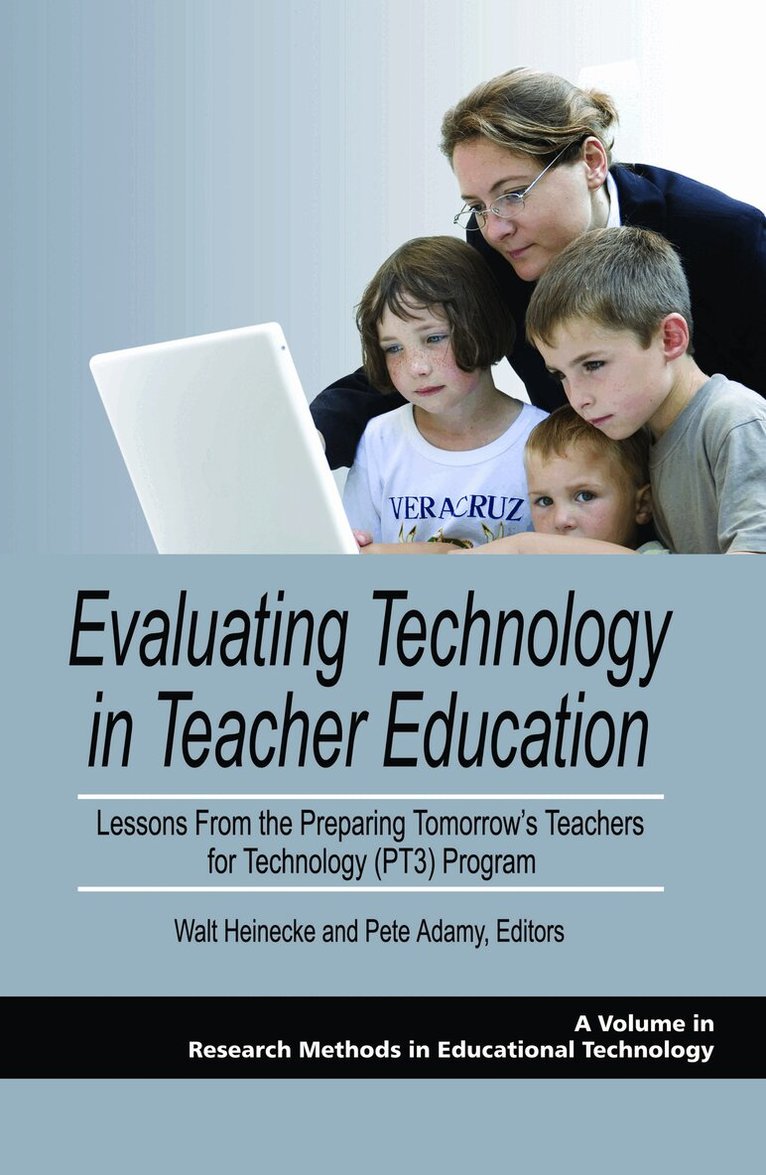
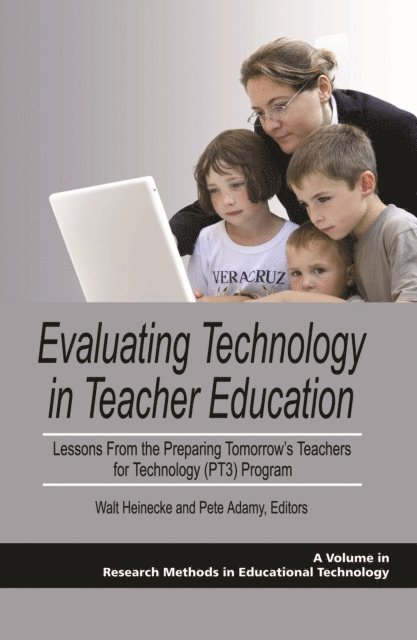
Evaluating Technology in Teacher Education
Lessons from the Preparing Tomorrow's Teachers for Technology (Pt3) Program
Häftad, Engelska, 2010
581 kr
Skickas inom 7-10 vardagar
Overall we come away from this project with a renewed sense of the complexity of evaluating the implementation and impact of technology in teacher education. In the post-PT3 period the federal government turned to large-scale experimental and quasi-experimental evaluations of educational technology but these have produced little in the way of understanding what types of technology work in various content areas under various conditions. PT3 and its approach to evaluation can be viewed as the pioneering period of educational technology evaluation in teacher education. It was a time when evaluators were just beginning to develop appropriate standards that could be used as evaluation criteria. It was a time when the accumulated wisdom of the evaluation field with regards to the primacy of mixed methods and multiple indicators of outcomes was just beginning to take hold. PT3 evaluators understood the importance of treading the line between summative and formative evaluation, and the relationship of evaluation to the improvement of educational practice.In a world where the policymakers now clamor for simple quantitative evaluations linking teacher preparation to pupil achievement scores, we are reminded that the causal chain from teacher preparation to in-service performance and student achievement is fraught with externalities, complexities and a less than equal playing field. Collectively we still have not figured out how technology may be adding value to education beyond any potential impact on superficial standardized test scores. We have as a nation, ignored the call of cognitive psychologists who in 2000 called for a new frame of reference for learner-centered, community-centered , assessment-centered and content-centered educational processes. They understood that the high stakes accountability systems hinder educational innovation and the release of technology's potential to unlock new ways of knowing and learning.Looking back now on the accomplishments of the PT3 program within our current political context, we see a need for more nuanced evaluation models that examine the relationship between pedagogy and technology integration, with a realization that teacher preparation programs will vary in their approaches to both. Some will focus on skills-based approaches, others on the relationship between pedagogical content knowledge and technology integration. The PT3 program served as an important incubator and test-bed of appropriate evaluation practice; we are already looking back at the program for lessons on how to move forward. We hope this volume may serve as a reminder of lessons for the future.
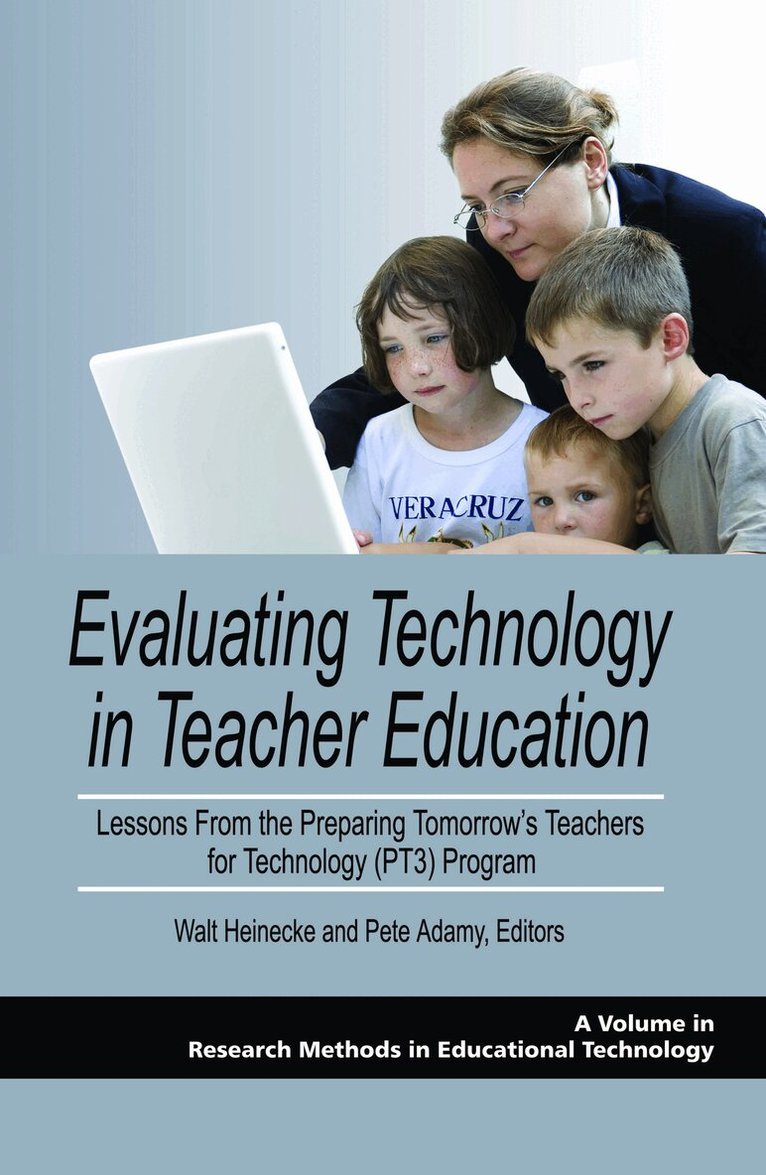
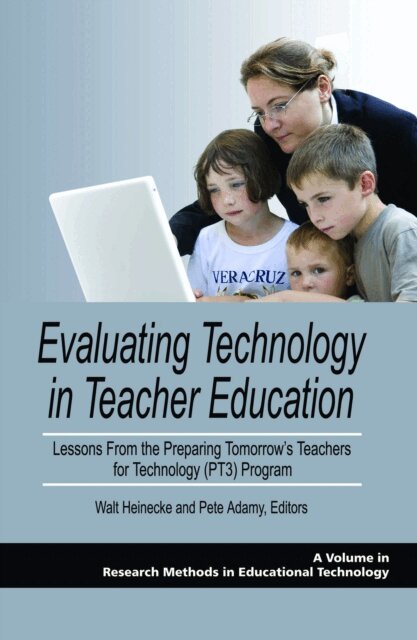
Evaluating Technology in Teacher Education
Lessons from the Preparing Tomorrow's Teachers for Technology (Pt3) Program
Inbunden, Engelska, 2010
1 057 kr
Skickas inom 7-10 vardagar
Overall we come away from this project with a renewed sense of the complexity of evaluating the implementation and impact of technology in teacher education. In the post-PT3 period the federal government turned to large-scale experimental and quasi-experimental evaluations of educational technology but these have produced little in the way of understanding what types of technology work in various content areas under various conditions. PT3 and its approach to evaluation can be viewed as the pioneering period of educational technology evaluation in teacher education. It was a time when evaluators were just beginning to develop appropriate standards that could be used as evaluation criteria. It was a time when the accumulated wisdom of the evaluation field with regards to the primacy of mixed methods and multiple indicators of outcomes was just beginning to take hold. PT3 evaluators understood the importance of treading the line between summative and formative evaluation, and the relationship of evaluation to the improvement of educational practice.In a world where the policymakers now clamor for simple quantitative evaluations linking teacher preparation to pupil achievement scores, we are reminded that the causal chain from teacher preparation to in-service performance and student achievement is fraught with externalities, complexities and a less than equal playing field. Collectively we still have not figured out how technology may be adding value to education beyond any potential impact on superficial standardized test scores. We have as a nation, ignored the call of cognitive psychologists who in 2000 called for a new frame of reference for learner-centered, community-centered , assessment-centered and content-centered educational processes. They understood that the high stakes accountability systems hinder educational innovation and the release of technology's potential to unlock new ways of knowing and learning.Looking back now on the accomplishments of the PT3 program within our current political context, we see a need for more nuanced evaluation models that examine the relationship between pedagogy and technology integration, with a realization that teacher preparation programs will vary in their approaches to both. Some will focus on skills-based approaches, others on the relationship between pedagogical content knowledge and technology integration. The PT3 program served as an important incubator and test-bed of appropriate evaluation practice; we are already looking back at the program for lessons on how to move forward. We hope this volume may serve as a reminder of lessons for the future.
644 kr
Skickas inom 7-10 vardagar
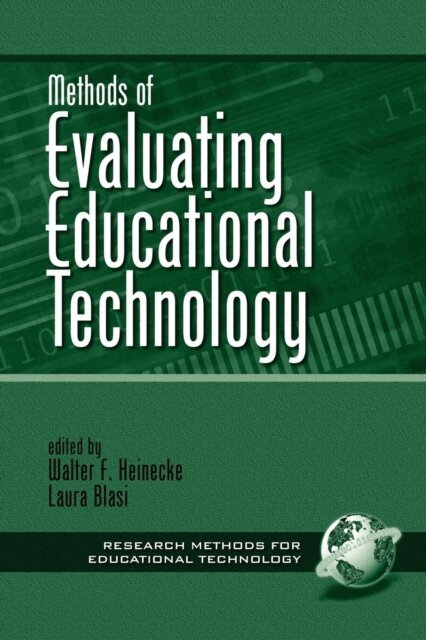
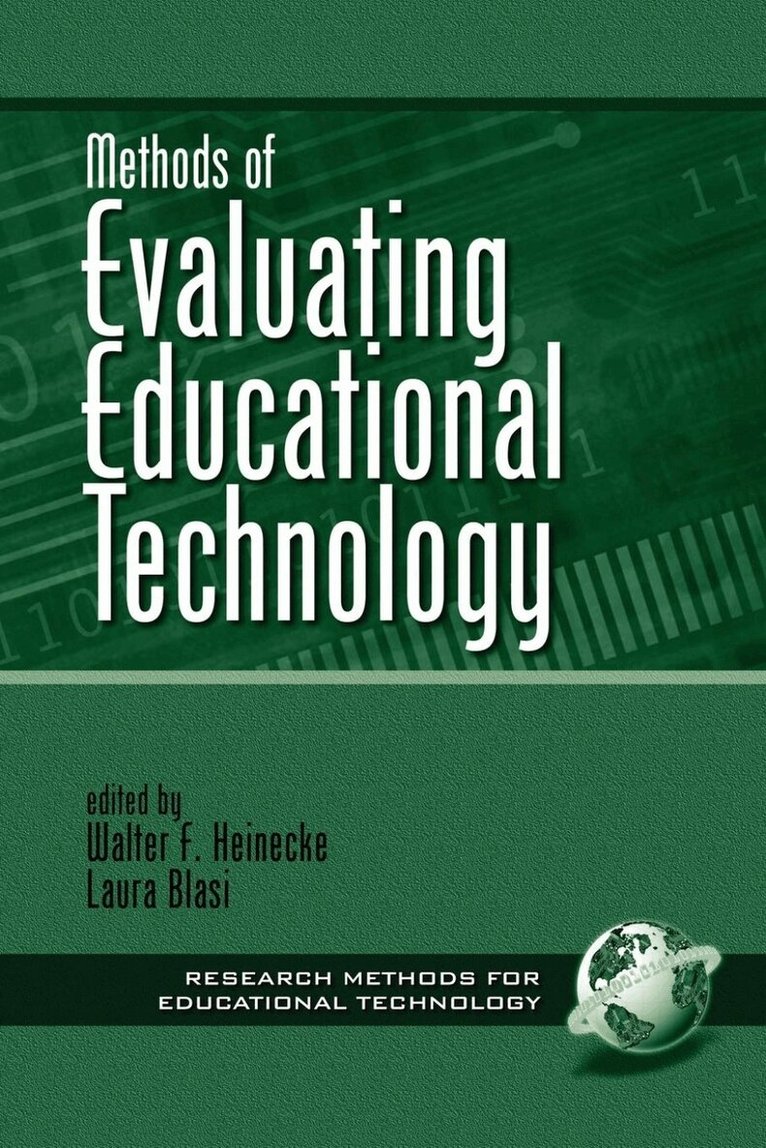
This volume gathers some of the methods being developed by evaluators from university settings and the private sector. While providing models and methods, these authors also raise larger questions, such as: "How can schools meet the challenge of educating all children without being limited by the educational legacy of a 'one size fits all' curriculum and normative testing?" More than documenting an "apprenticeship to gadgetry," evaluators are seeking to measure meaningful learning and changes in teaching - investigating approaches that are not possible or that are less accessible when students are in traditional classrooms without technology.In this first volume of the series Research Methods for Educational Technology (RMET) the contributing authors draw upon examples of their work evaluating the implementation and development of educational technology as well as the impact of policies and programs in this field. Within this volume several authors have written about the implementation and evaluation of technology across cultures and national boundaries, pointing to an area of research that will rapidly expand in this decade. The concern for meeting the needs of policymakers is also apparent in several of these chapters, but there is tension between providing them with positive results to support their efforts and reexamining the questions they are asking and how these questions are developed. We know that evaluation is not the extended arm of public relations, and yet it becomes clear that evaluators are often asked to demonstrate a project "is successful" on the threat that the funding will be cut. While this decision-making process fits the timetable of the fiscal year, it does not acknowledge that evaluation can be formative and strengthen programs. This timetable also ignores the investment of time that is needed when implementing innovations like the Internet into teaching and learning.Many of the authors included in this volume write from the context of evaluating federally-funded programs, and they provide valuable insight for future projects which are created and evaluated at the state-level. As technology initiatives are developed and funded outside of the federal arena, more evaluators will be called upon. From approaches developed from federally-funded projects, we can build upon these methods and models for evaluation within regional projects to answer questions related to budgets and accountability. As we answer these immediate questions, we can move forward to examine the long-term impact of technology, and the possibility that exercises in conformity will replace the adventure of human enlightenment for our children.
1 091 kr
Skickas inom 7-10 vardagar
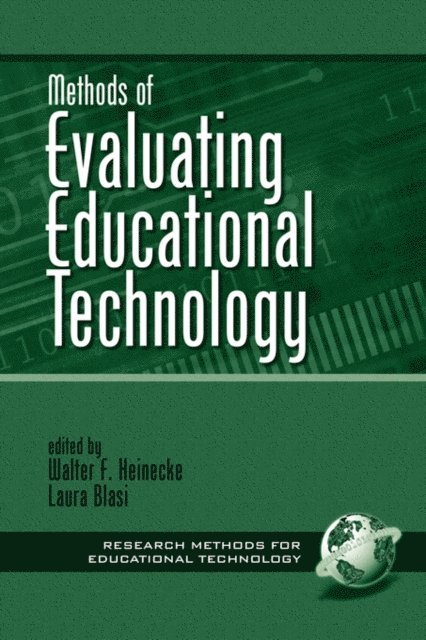
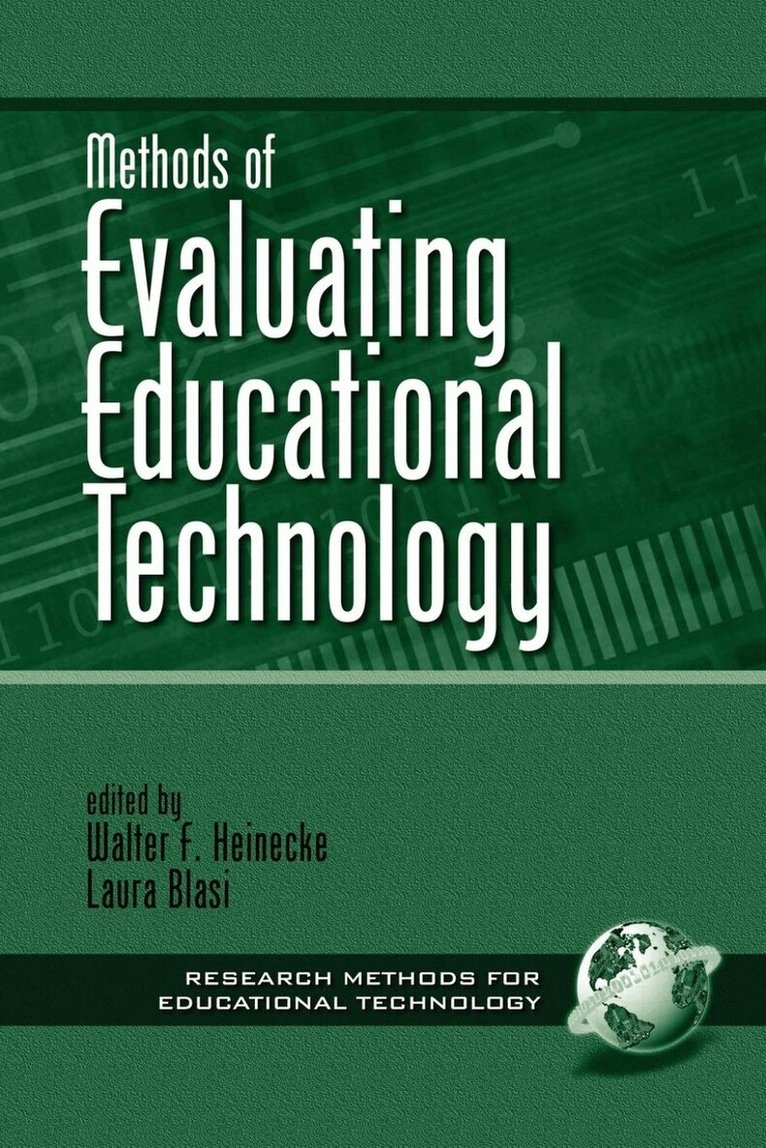
This volume gathers some of the methods being developed by evaluators from university settings and the private sector. While providing models and methods, these authors also raise larger questions, such as: "How can schools meet the challenge of educating all children without being limited by the educational legacy of a 'one size fits all' curriculum and normative testing?" More than documenting an "apprenticeship to gadgetry," evaluators are seeking to measure meaningful learning and changes in teaching - investigating approaches that are not possible or that are less accessible when students are in traditional classrooms without technology.In this first volume of the series Research Methods for Educational Technology (RMET) the contributing authors draw upon examples of their work evaluating the implementation and development of educational technology as well as the impact of policies and programs in this field. Within this volume several authors have written about the implementation and evaluation of technology across cultures and national boundaries, pointing to an area of research that will rapidly expand in this decade. The concern for meeting the needs of policymakers is also apparent in several of these chapters, but there is tension between providing them with positive results to support their efforts and reexamining the questions they are asking and how these questions are developed. We know that evaluation is not the extended arm of public relations, and yet it becomes clear that evaluators are often asked to demonstrate a project "is successful" on the threat that the funding will be cut. While this decision-making process fits the timetable of the fiscal year, it does not acknowledge that evaluation can be formative and strengthen programs. This timetable also ignores the investment of time that is needed when implementing innovations like the Internet into teaching and learning.Many of the authors included in this volume write from the context of evaluating federally-funded programs, and they provide valuable insight for future projects which are created and evaluated at the state-level. As technology initiatives are developed and funded outside of the federal arena, more evaluators will be called upon. From approaches developed from federally-funded projects, we can build upon these methods and models for evaluation within regional projects to answer questions related to budgets and accountability. As we answer these immediate questions, we can move forward to examine the long-term impact of technology, and the possibility that exercises in conformity will replace the adventure of human enlightenment for our children.