Walter A. Orenstein - Böcker
Visar alla böcker från författaren Walter A. Orenstein. Handla med fri frakt och snabb leverans.
5 produkter
5 produkter
3 039 kr
Skickas inom 5-8 vardagar
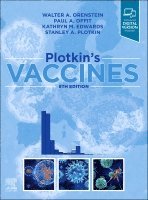
**Selected for Doody’s Core Titles� 2024 with "Essential Purchase" designation in Infectious Disease**From the latest vaccination evidence, recommendations, and protocols . . . to new vaccine development and the use of vaccines in reducing disease, Plotkin’s Vaccines, 8th Edition, covers every aspect of vaccination. Now completely revised and updated from cover to cover, this award-winning text continues to provide reliable information from global authorities, offering a complete understanding of each disease, as well as the latest knowledge of both existing vaccines and those currently in research and development. Described by Bill Gates as "an indispensable guide to the enhancement of the well-being of our world," Plotkin’s Vaccines is a must-have reference for current, authoritative information in this fast-moving field.
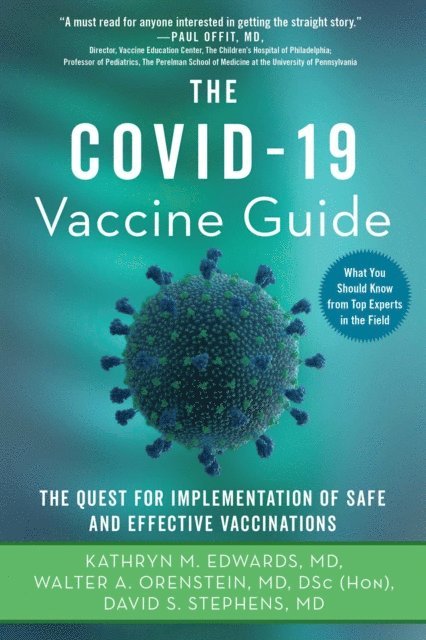
Covid-19 Vaccine Guide
The Quest for Implementation of Safe and Effective Vaccinations
Häftad, Engelska, 2021
77 kr
Tillfälligt slut
What you should know about the Covid-19 vaccines from top experts in the field.As the SARS-Cov2 virus emerged and spread globally in early 2020, unprecedented international efforts began to develop and test vaccines to control the devastating pandemic. This book focuses on the remarkable progress in developing vaccines, the amazing effectiveness of the early vaccines, and the challenges of delivering them to the population. To put this extraordinary progress into perspective, the history of other vaccines is presented and their roles in individual protection and protection of the community, “vaccines that protect the unvaccinated,” are outlined. The rigorous processes whereby vaccines are evaluated in distinct phases and the steps that must be met prior to obtaining regulatory approval for both vaccine safety and effectiveness are highlighted. Multiple vaccine approaches are reviewed, including new approaches such as “messenger or mRNA vaccine” that may revolutionize future vaccine development. The comprehensive models used to provide recommendations and priorities for vaccination of groups of people at risk are summarized. The book also focuses on the questions that remain unanswered after the vaccines are approved. These include duration of immunity, risk factors for vaccine failure, impact of viral evolution and variant strains, and assessment of both immediate and long-term safety. The authors also address concerns about vaccine acceptance including roll-out, access, and detailed and trusted sources of information.
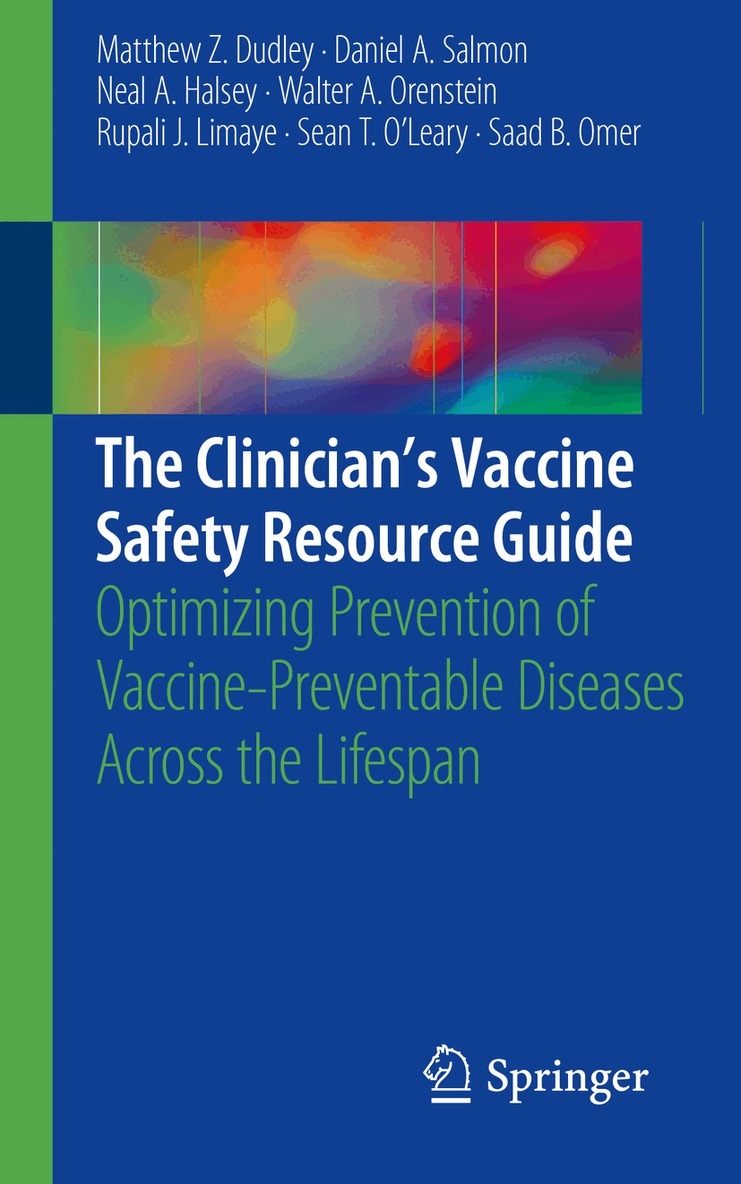
Clinician’s Vaccine Safety Resource Guide
Optimizing Prevention of Vaccine-Preventable Diseases Across the Lifespan
Häftad, Engelska, 2018
1 096 kr
Skickas inom 10-15 vardagar
This book provides clinicians and their staff with essential information on the vaccines that are recommended and not recommended for their patients, the diseases these vaccines prevent, and a broad range of potential vaccine safety issues that may be brought up by their patients.
3 243 kr
Skickas inom 10-15 vardagar
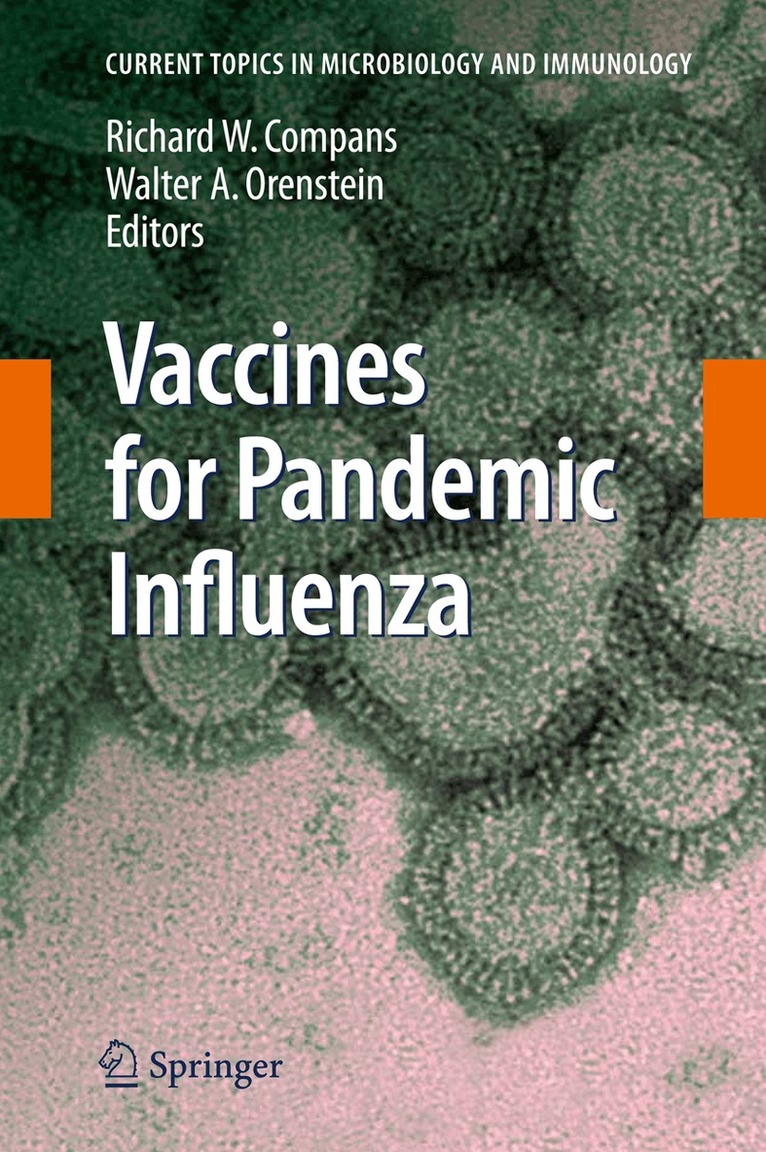
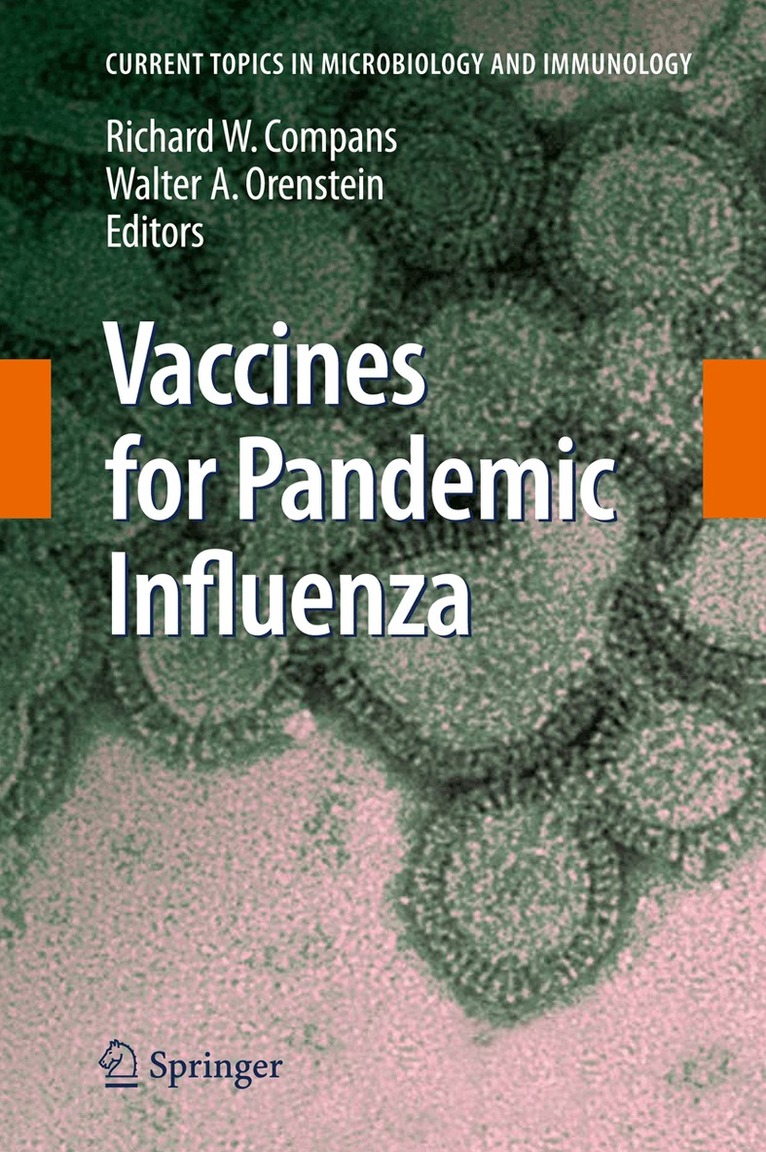
Recent years have seen unprecedented outbreaks of avian influenza A viruses. In particular, highly pathogenic H5N1 viruses have not only resulted in widespread outbreaks in domestic poultry, but have been transmitted to humans, resulting in numerous fatalities. The rapid expansion in their geographic distribution and the possibility that these viruses could acquire the ability to spread from person to person raises the risk that such a virus could cause a global pandemic with high morbidity and mortality. An effective influenza vaccine represents the best approach to prevent and control such an emerging pandemic. However, current influenza vaccines are directed at existing seasonal influenza viruses, which have little or no antigenic relationship to the highly pathogenic H5N1 strains. Concerns about pandemic preparedness have greatly stimulated research activities to develop eff- tive vaccines for pandemic influenza viruses, and to overcome the limitations inh- ent in current approaches to vaccine production and distribution. These limitations include the use of embryonated chicken eggs as the substrate for vaccine prod- tion, which is time-consuming and could involve potential biohazards in growth of new virus strains. Other limitations include the requirement that the current inac- vated influenza vaccines be administered using needles and syringes, requiring trained personnel, which could be a bottleneck when attempting to vaccinate large populations in mass campaigns. In addition, the current inactivated vaccines that are delivered by injection elicit limited protective immunity in the upper respiratory tract where the infection process is initiated.
3 243 kr
Skickas inom 10-15 vardagar
Recent years have seen unprecedented outbreaks of avian influenza A viruses. In particular, highly pathogenic H5N1 viruses have not only resulted in widespread outbreaks in domestic poultry, but have been transmitted to humans, resulting in numerous fatalities. The rapid expansion in their geographic distribution and the possibility that these viruses could acquire the ability to spread from person to person raises the risk that such a virus could cause a global pandemic with high morbidity and mortality. An effective influenza vaccine represents the best approach to prevent and control such an emerging pandemic. However, current influenza vaccines are directed at existing seasonal influenza viruses, which have little or no antigenic relationship to the highly pathogenic H5N1 strains. Concerns about pandemic preparedness have greatly stimulated research activities to develop eff- tive vaccines for pandemic influenza viruses, and to overcome the limitations inh- ent in current approaches to vaccine production and distribution. These limitations include the use of embryonated chicken eggs as the substrate for vaccine prod- tion, which is time-consuming and could involve potential biohazards in growth of new virus strains. Other limitations include the requirement that the current inac- vated influenza vaccines be administered using needles and syringes, requiring trained personnel, which could be a bottleneck when attempting to vaccinate large populations in mass campaigns. In addition, the current inactivated vaccines that are delivered by injection elicit limited protective immunity in the upper respiratory tract where the infection process is initiated.