Walter C. Clemens Jr. – författare
Visar alla böcker från författaren Walter C. Clemens Jr.. Handla med fri frakt och snabb leverans.
13 produkter
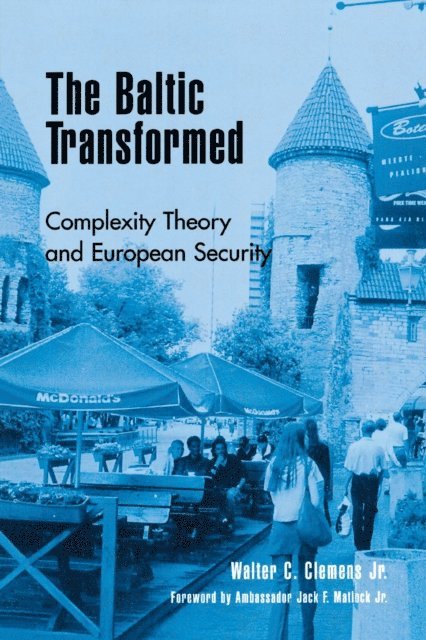
Baltic Transformed
Complexity Theory and European Security
E-bok, 2001
803 kr
Lägg i varukorg
Why isn''t the Baltic region like the Balkans? Why have the Baltic republics not experienced ethnic cleansing, border wars, authoritarian rule, and social chaos? Instead, peace, democracy, and market economies have taken root since the fall of communism. Walter C. Clemens, Jr. here uses complexity …
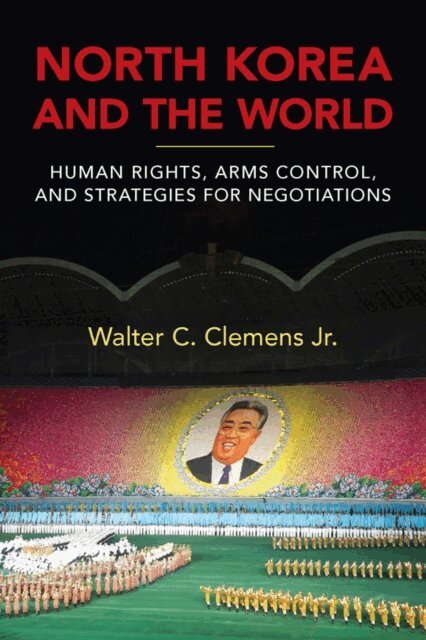
North Korea and the World
Human Rights, Arms Control, and Strategies for Negotiation
E-bok, 2016
593 kr
Lägg i varukorg
With nearly twenty-five million citizens, a secretive totalitarian dictatorship, and active nuclear and ballistic missile weapons programs, North Korea presents some of the world's most difficult foreign policy challenges. For decades, the United States and its partners have employed multiple …
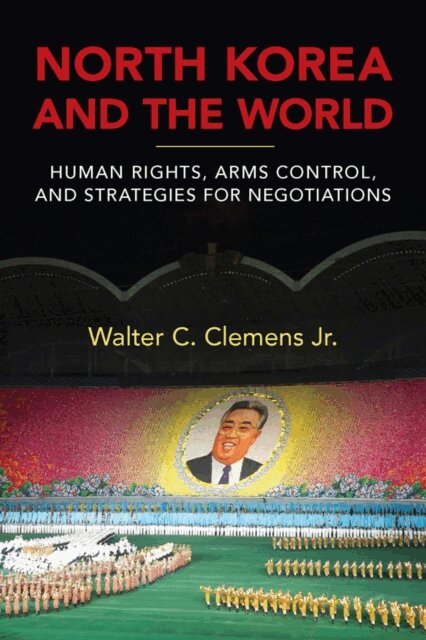
North Korea and the World
Human Rights, Arms Control, and Strategies for Negotiation
E-bok, 2016
611 kr
Lägg i varukorg
With nearly twenty-five million citizens, a secretive totalitarian dictatorship, and active nuclear and ballistic missile weapons programs, North Korea presents some of the world's most difficult foreign policy challenges. For decades, the United States and its partners have employed multiple …
Baltic Transformed
Complexity Theory and European Security
Häftad, 2001
711 kr
Lägg i varukorg
Why isn't the Baltic region like the Balkans? Why have the Baltic republics not experienced ethnic cleansing, border wars, authoritarian rule, and social chaos? Instead, peace, democracy, and market economies have taken root since the fall of communism. Walter C. Clemens, Jr. here uses complexity …
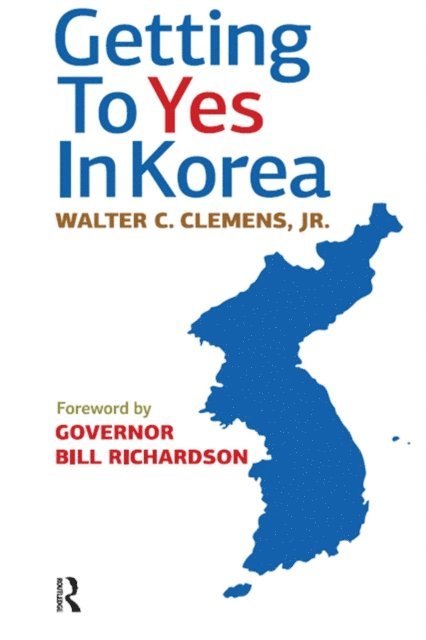
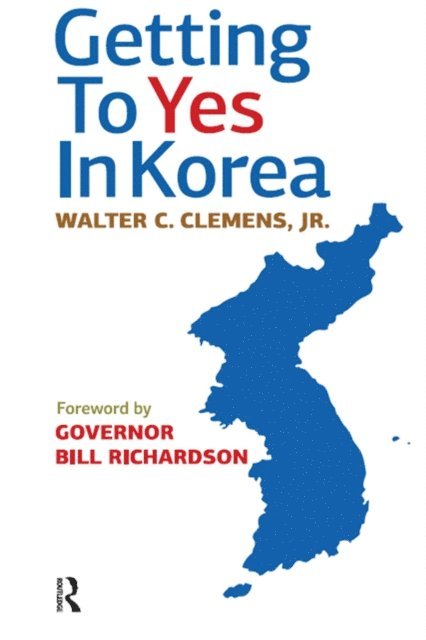
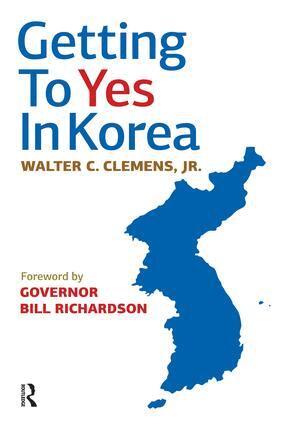
Getting to Yes in Korea
E-bok, 2015
576 kr
Lägg i varukorg
President George W. Bush had pinned North Korea to an "axis of evil" but then neglected Pyongyang until it tested a nuclear device. Would the new administration make similar mistakes? When the Clinton White House prepared to bomb North Korea''s nuclear facilities, private citizen Jimmy Carter …
Getting to Yes in Korea
E-bok, 2015
589 kr
Lägg i varukorg
President George W. Bush had pinned North Korea to an "axis of evil" but then neglected Pyongyang until it tested a nuclear device. Would the new administration make similar mistakes? When the Clinton White House prepared to bomb North Korea''s nuclear facilities, private citizen Jimmy Carter …
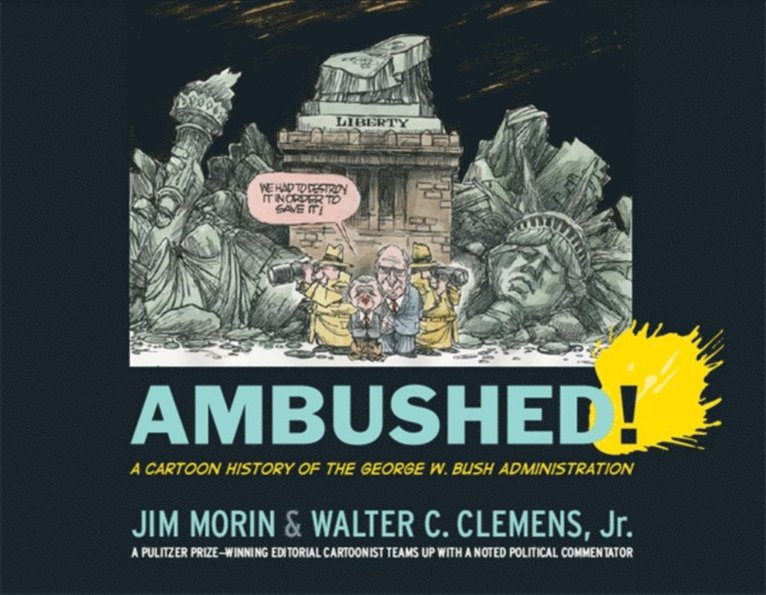
Ambushed!
A Cartoon History of the George W. Bush Administration
Av Walter C. Clemens Jr, Jim Morin
E-bok, 2016
474 kr
Lägg i varukorg
A Pulitzer Prize-winning editorial cartoonist teams up with a noted political commentator. For everyone who loves to hate the Bush administration and is ready to laugh about it! Ambushed! recounts the exploits of the Bush administration, at home and abroad, 2001 to 2008, through the lens of a …
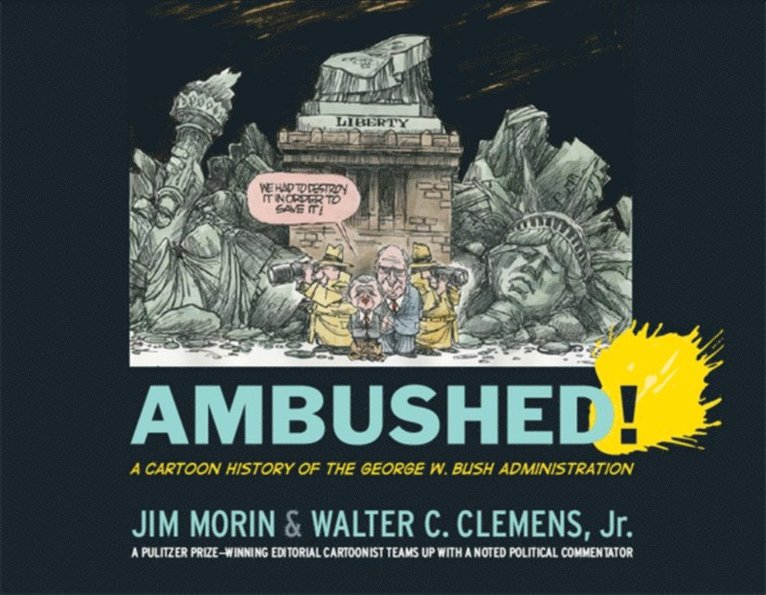
Ambushed!
A Cartoon History of the George W. Bush Administration
Av Walter C. Clemens Jr, Jim Morin
E-bok, 2016
474 kr
Lägg i varukorg
A Pulitzer Prize-winning editorial cartoonist teams up with a noted political commentator. For everyone who loves to hate the Bush administration and is ready to laugh about it! Ambushed! recounts the exploits of the Bush administration, at home and abroad, 2001 to 2008, through the lens of a …
Getting to Yes in Korea
Inbunden, 2009
2736 kr
Lägg i varukorg
President George W. Bush had pinned North Korea to an "axis of evil" but then neglected Pyongyang until it tested a nuclear device. Would the new administration make similar mistakes? When the Clinton White House prepared to bomb North Korea's nuclear facilities, private citizen Jimmy Carter …
Getting to Yes in Korea
Häftad, 2010
500 kr
Lägg i varukorg
President George W. Bush had pinned North Korea to an "axis of evil" but then neglected Pyongyang until it tested a nuclear device. Would the new administration make similar mistakes? When the Clinton White House prepared to bomb North Korea's nuclear facilities, private citizen Jimmy Carter …
Complexity Science and World Affairs
Inbunden, 2013
1076 kr
Tillfälligt slut
Applies complexity science to the study of international politics.Why did some countries transition peacefully from communist rule to political freedom and market economies, while others did not? Why did the United States enjoy a brief moment as the sole remaining superpower, and then lose power …
Complexity Science and World Affairs
Häftad, 2014
401 kr
Tillfälligt slut
Applies complexity science to the study of international politics.Why did some countries transition peacefully from communist rule to political freedom and market economies, while others did not? Why did the United States enjoy a brief moment as the sole remaining superpower, and then lose power …