Walter Earl Fluker - Böcker
Visar alla böcker från författaren Walter Earl Fluker. Handla med fri frakt och snabb leverans.
16 produkter
16 produkter
2 088 kr
Skickas inom 7-10 vardagar
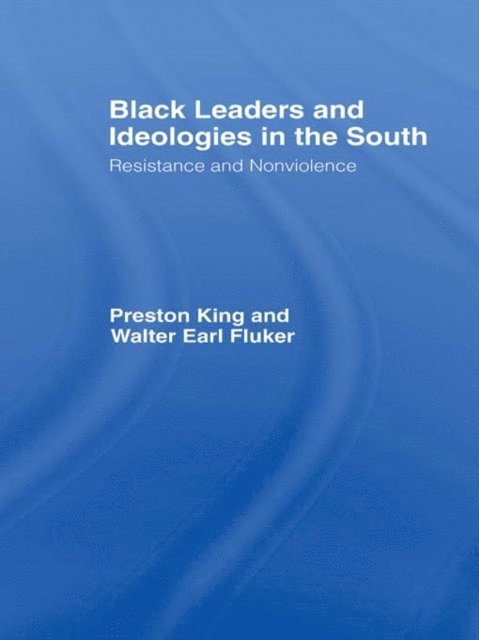
A new collection of philosophical biographies of key figures in Black Southern American social and political thoughtFrederick Douglass, Booker Washington and Ida Wells. Thurgood Marshall and Martin King are focused upon, together with Howard Thurman, Richard Wright, Fred Gray and Barbara Jordan. All are important in various ways to the movements this book seeks out. From the perspective of liberation, the two high points in the African-American Odyssey are marked by Emancipation in the nineteenth century and Desegregation in the twentieth. Douglass bestriding the first, King and Marshall the second. The thread of resistance runs through most of these philosophical profiles, and the thread of non-violence, with greater or less force, also runs throughout. This volume assumes a distinction between (a) an earlier period when Afro-America was more cohesive and collectively committed to self-improvement despite the odds, and (b) the contemporary period, beyond desegregation, marked by rates never previously rivaled of suicide, joblessness, imprisonment, despair and alienation, especially among black poor. The life stories and philosophies presented here make fascinating reading.This book is a Special Issue of the leading journal, Critical Review of International Social and Political Philosophy.
807 kr
Skickas inom 10-15 vardagar
A new collection of philosophical biographies of key figures in Black Southern American social and political thoughtFrederick Douglass, Booker Washington and Ida Wells. Thurgood Marshall and Martin King are focused upon, together with Howard Thurman, Richard Wright, Fred Gray and Barbara Jordan. All are important in various ways to the movements this book seeks out. From the perspective of liberation, the two high points in the African-American Odyssey are marked by Emancipation in the nineteenth century and Desegregation in the twentieth. Douglass bestriding the first, King and Marshall the second. The thread of resistance runs through most of these philosophical profiles, and the thread of non-violence, with greater or less force, also runs throughout. This volume assumes a distinction between (a) an earlier period when Afro-America was more cohesive and collectively committed to self-improvement despite the odds, and (b) the contemporary period, beyond desegregation, marked by rates never previously rivaled of suicide, joblessness, imprisonment, despair and alienation, especially among black poor. The life stories and philosophies presented here make fascinating reading.This book is a Special Issue of the leading journal, Critical Review of International Social and Political Philosophy.
325 kr
Skickas inom 5-8 vardagar
1 061 kr
Skickas inom 10-15 vardagar
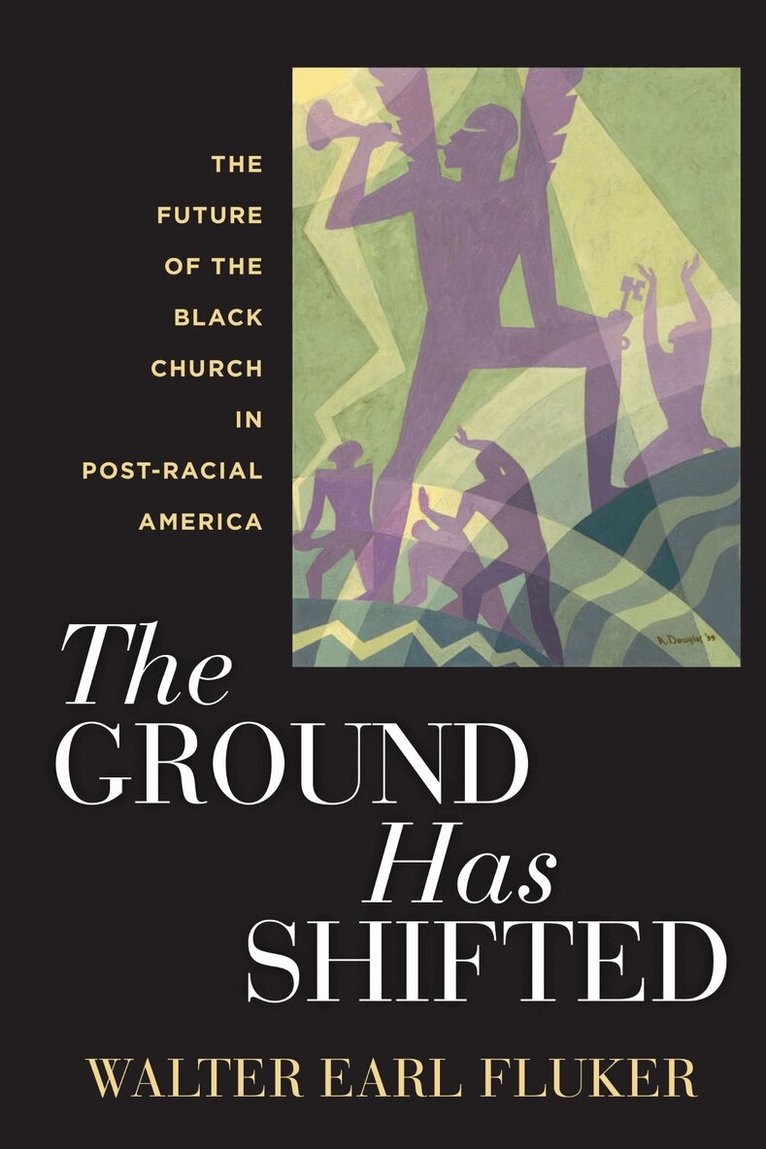
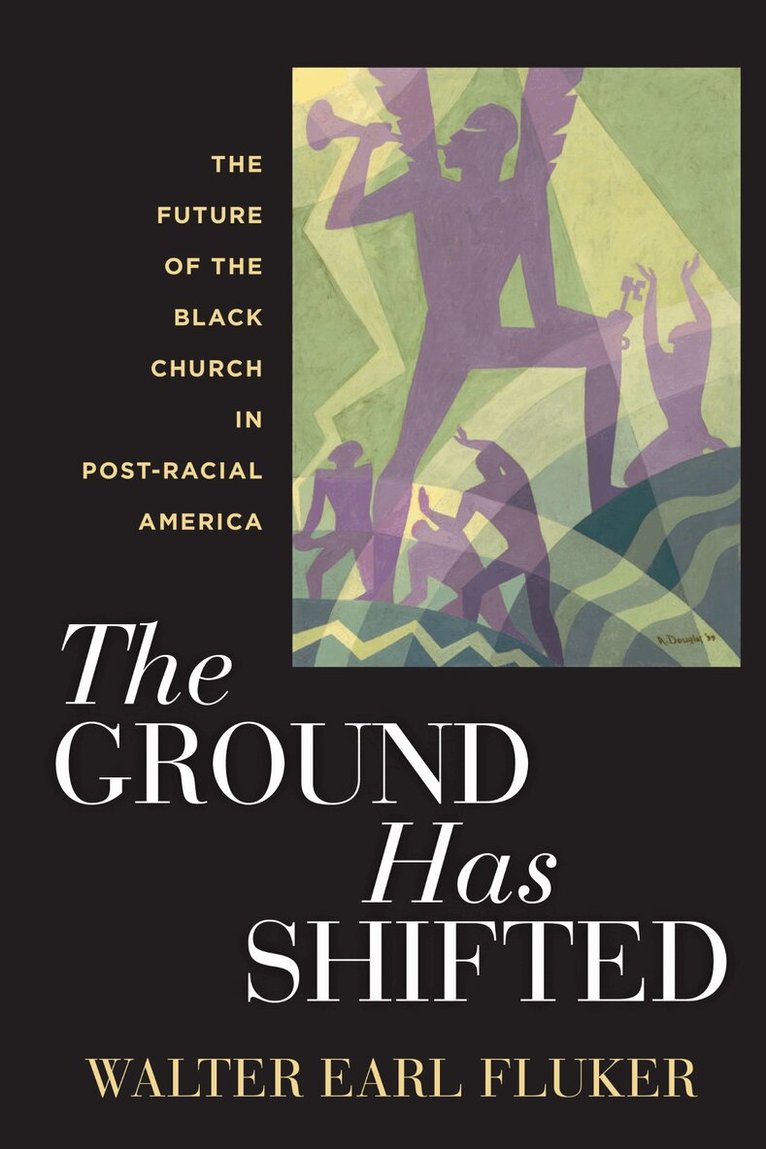
Honorable Mention, Theology and Religious Studies PROSE Award A powerful insight into the historical and cultural roles of the Black churchIf we are in a post-racial era, then what is the future of the Black Church? If the US will at some time in the future be free from discrimination and prejudices that are based on race how will that affect the church's very identity?In The Ground Has Shifted, Walter Earl Fluker passionately and thoroughly discusses the historical and current role of the Black church and argues that the older race-based language and metaphors of religious discourse have outlived their utility. He offers instead a larger, global vision for the Black church that focuses on young Black men and other disenfranchised groups who have been left behind in a world of globalized capital.Lyrically written with an emphasis on the dynamic and fluid movement of life itself, Fluker argues that the church must find new ways to use race as an emancipatory instrument if it is to remain central in Black life, and he points the way for a new generation of church leaders, scholars and activists to reclaim the Black church's historical identity and to turn to the task of infusing character, civility, and a sense of community among its congregants.
309 kr
Skickas inom 7-10 vardagar
Honorable Mention, Theology and Religious Studies PROSE Award A powerful insight into the historical and cultural roles of the Black churchIf we are in a post-racial era, then what is the future of the Black Church? If the US will at some time in the future be free from discrimination and prejudices that are based on race how will that affect the church's very identity?In The Ground Has Shifted, Walter Earl Fluker passionately and thoroughly discusses the historical and current role of the Black church and argues that the older race-based language and metaphors of religious discourse have outlived their utility. He offers instead a larger, global vision for the Black church that focuses on young Black men and other disenfranchised groups who have been left behind in a world of globalized capital.Lyrically written with an emphasis on the dynamic and fluid movement of life itself, Fluker argues that the church must find new ways to use race as an emancipatory instrument if it is to remain central in Black life, and he points the way for a new generation of church leaders, scholars and activists to reclaim the Black church's historical identity and to turn to the task of infusing character, civility, and a sense of community among its congregants.
357 kr
Skickas inom 5-8 vardagar
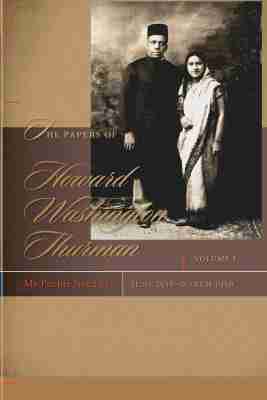
Papers of Howard Washington Thurman V. 1; My People Need Me, June 1918 - March 1936
Inbunden, Engelska, 2009
701 kr
Skickas inom 10-15 vardagar
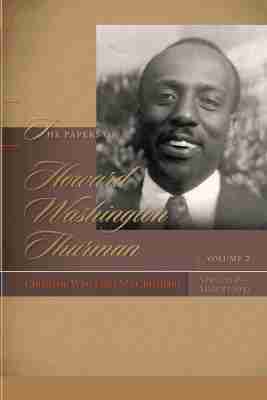
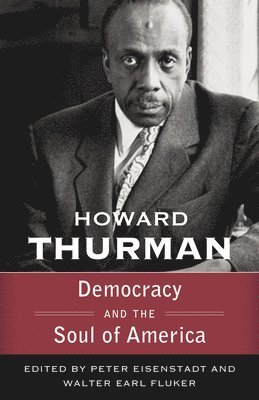
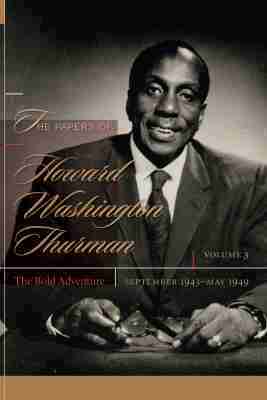
This is the landmark publication of the early writings of this pioneering voice for social justice. The ""Papers of Howard Washington Thurman"" is a four-volume, chronologically arranged documentary edition spanning the long and productive career of the Reverend Howard Thurman, one of the most significant leaders in the history of intellectual and religious life in the mid-twentieth-century United States. The first to lead a delegation of African Americans to meet personally with Mahatma Gandhi, in 1936, Thurman later became one of the principal architects of the modern, nonviolent civil rights movement and a key mentor to Martin Luther King, Jr. In 1953 ""Life"" magazine named Thurman as one of the twelve greatest preachers of the century. The four volumes of this collection, culled from more than 58,000 documents from public and private sources, will feature more than 850 selections of Thurman's sermons, letters, essays, and other writings - many published here for the first time. Each volume will open with an editorial statement, followed by an introductory essay to guide the reader through the dominant themes in Thurman's thought: his understanding of spirituality and social transformations, his creative ecclesiology, and his conception of civic character and the national democratic experiment. Precise annotations to each document illumine Thurman's personal, professional, and intellectual development and place the texts into their historical context. The volumes are further augmented with detailed chronologies and representative illustrations. Volume I (June 1918 - March 1936) documents Thurman's early years in his native Daytona, Florida, his formal education and his leadership in the student movement, and his years at Howard University as a professor of philosophy and religion and dean of Rankin Chapel as well as his historic trip to India and meeting with Mahatma Gandhi in 1936. The texts, images, and editorial commentary presented here reveal the early development of the vision that drove Thurman's career as an educator, theologian, minister, and advocate for social justice and informed the twenty-three books that he began publishing in the mid-1940s. This volume provides rich insights into Thurman's thinking and spiritual growth and offers a window onto the landscape of the defining issues, events, movements, institutions, and individuals that shaped his formative years. The texts presented here make for compelling reading, as Thurman's dialogue with the world of public theology is the story of a nation that was taking stock of its political and religious heritage. The historic publication of his collected papers will make an invaluable contribution not only to American intellectual history and to the history of religion, but to 'America in Search of a Soul', as Thurman titled one of his sermons. This documentary edition is made possible through the efforts of the Howard Thurman Papers Project, a division of the Leadership Center at Morehouse College in Atlanta. This project is funded through support from the Lilly Endowment, Inc.; the Henry Luce Foundation; the Pew Charitable Trusts, Inc.; and the National Historical Publications and Records Commission.
Papers of Howard Washington Thurman
Volume 2: Christian, Who Calls Me Christian?, April 1936–August 1943
Inbunden, Engelska, 2012
701 kr
Skickas inom 10-15 vardagar
This is a four-volume, chronologically arranged documentary edition spanning the long and productive career of the Reverend Howard Thurman, one of the most significant leaders in the history of intellectual and religious life in the mid-twentieth-century US. Thurman was one of the principal architects of the modern non-violent Civil Rights Movement and a key mentor to Dr. Martin Luther King, Jr.
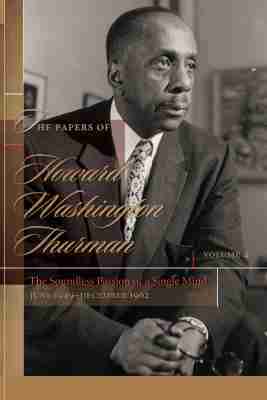
Papers of Howard Washington Thurman, Volume 4
The Soundless Passion of a Single Mind, June 1949–December 1962
Inbunden, Engelska, 2017
711 kr
Skickas inom 7-10 vardagar
The Papers of Howard Washington Thurman is a multivolume, chronologically arranged documentary edition spanning the long and productive career of the Reverend Howard Thurman, one of the most significant leaders in the intellectual and religious life of the United States in the mid–twentieth century. The first to lead a delegation of African Americans to meet with Mahatma Gandhi in 1936, Thurman later became one of the principal architects of the modern nonviolent civil rights movement and a key mentor to Dr. Martin Luther King, Jr., and others involved in the movement. In 1953 Life magazine named Thurman one of the twelve greatest preachers of the century.In volume 4 (June 1949–December 1962), Walter Earl Fluker covers Thurman’s final years at the Fellowship Church in San Francisco and his years as the dean of Marsh Chapel at Boston University and professor of spiritual resources at Boston University School of Theology. In taking on these positions, Thurman became the first African American dean of chapel at a majority-white college or university in the United States and the first tenured African American professor at Boston University School of Theology.During his time at Boston University, Thurman tirelessly advocated for dialogue and understanding between faiths. Although charged with serving the university’s Protestant community, Thurman preferred to pursue a broader ministry. He sought to use his status as dean of the chapel to bring people together, always acting out of a profound belief that no religion holds a monopoly on truth or holiness. Thurman sought to make Marsh Chapel a place where Protestants, Catholics, Jews, and all others could learn from each other as they shared a universal search for meaning and purpose, each drawing strength and insights from his or her own religious tradition. He sought to make the university a place where people who had found safety and comfort in “keeping to their own” would come to understand that intellectual, spiritual, and ethical progress can take place only when barriers between groups are broken down. His vision of interreligious cooperation is as timely as ever, as people of many faiths work to build bridges of understanding and hope to carry us through the challenges of the twenty-first century.
191 kr
Skickas inom 5-8 vardagar
271 kr
Skickas inom 5-8 vardagar
224 kr
Skickas inom 5-8 vardagar
235 kr
Skickas inom 5-8 vardagar
357 kr
Skickas inom 5-8 vardagar
291 kr
Skickas inom 5-8 vardagar
346 kr
Kommande