Walter Ott – författare
Visar alla böcker från författaren Walter Ott. Handla med fri frakt och snabb leverans.
14 produkter
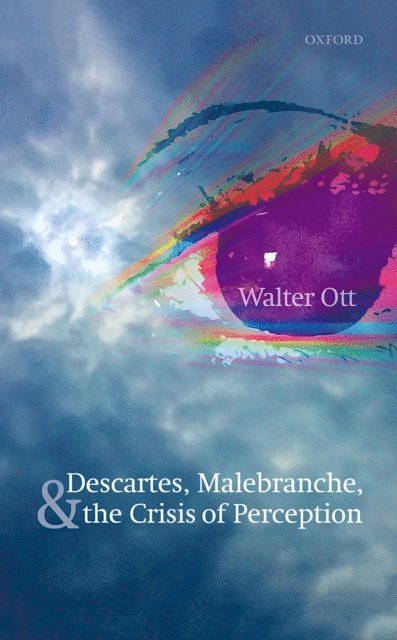
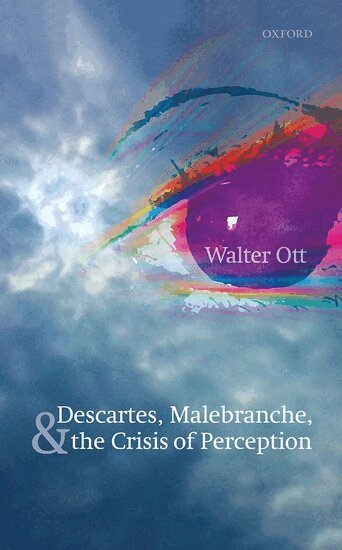
Descartes, Malebranche, and the Crisis of Perception
Av Walter Ott
E-bok, 2017
972 kr
Lägg i varukorg
The seventeenth century witnesses the demise of two core doctrines in the theory of perception: naïve realism about color, sound, and other sensible qualities and the empirical theory, drawn from Alhacen and Roger Bacon, which underwrote it. This created a problem for seventeenth century …
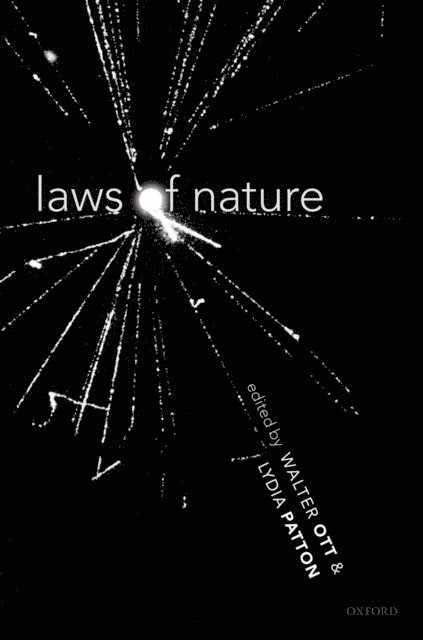
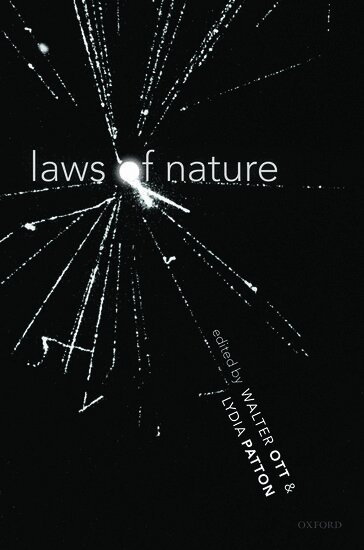
Laws of Nature
E-bok, 2018
935 kr
Lägg i varukorg
What is the origin of the concept of a law of nature? How much does it owe to theology and metaphysics? To what extent do the laws of nature permit contingency? Are there exceptions to the laws of nature? Is it possible to give a reductive analysis of lawhood, or is it a primitive? Twelve new …
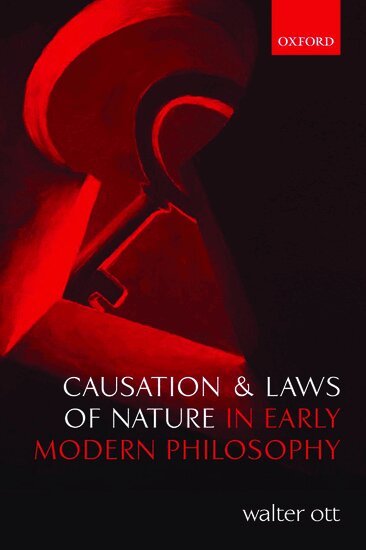
Causation and Laws of Nature in Early Modern Philosophy
Av Walter Ott
E-bok, 2009
587 kr
Lägg i varukorg
Some philosophers think physical explanations stand on their own: what happens, happens because things have the properties they do. Others think that any such explanation is incomplete: what happens in the physical world must be partly due to the laws of nature. Causation and Laws of Nature in …
Descartes, Malebranche, and the Crisis of Perception
Av Walter Ott
E-bok, 2017
972 kr
Lägg i varukorg
The seventeenth century witnesses the demise of two core doctrines in the theory of perception: naïve realism about color, sound, and other sensible qualities and the empirical theory, drawn from Alhacen and Roger Bacon, which underwrote it. This created a problem for seventeenth century …
Metaphysics of Laws of Nature
The Rules of the Game
Av Walter Ott
E-bok, 2022
1229 kr
Lägg i varukorg
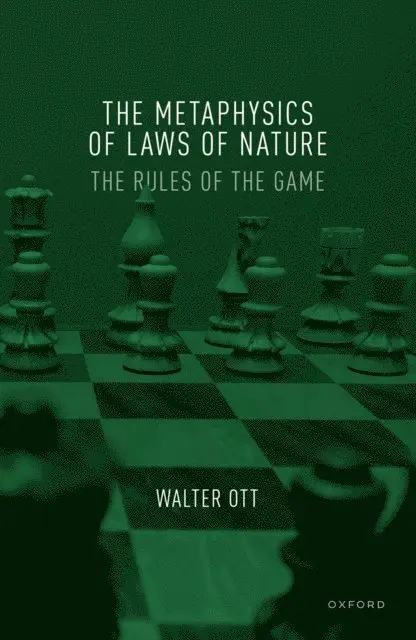
It can seem obvious that we live in a world governed by laws of nature, yet it was not until the seventeenth century that the concept of a law came to the fore. Ever since, it has been attended by controversy: what does it mean to say that Boyle''s law governs the expansion of a gas, or that the …
Metaphysics of Laws of Nature
The Rules of the Game
Av Walter Ott
E-bok, 2022
1229 kr
Lägg i varukorg
It can seem obvious that we live in a world governed by laws of nature, yet it was not until the seventeenth century that the concept of a law came to the fore. Ever since, it has been attended by controversy: what does it mean to say that Boyle''s law governs the expansion of a gas, or that the …
The Metaphysics of Laws of Nature
The Rules of the Game
Av Walter Ott
Inbunden, 2022
1376 kr
Lägg i varukorg
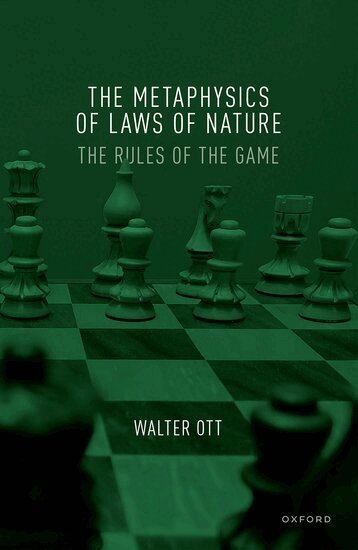
It can seem obvious that we live in a world governed by laws of nature, yet it was not until the seventeenth century that the concept of a law came to the fore. Ever since, it has been attended by controversy: what does it mean to say that Boyle's law governs the expansion of a gas, or that the …
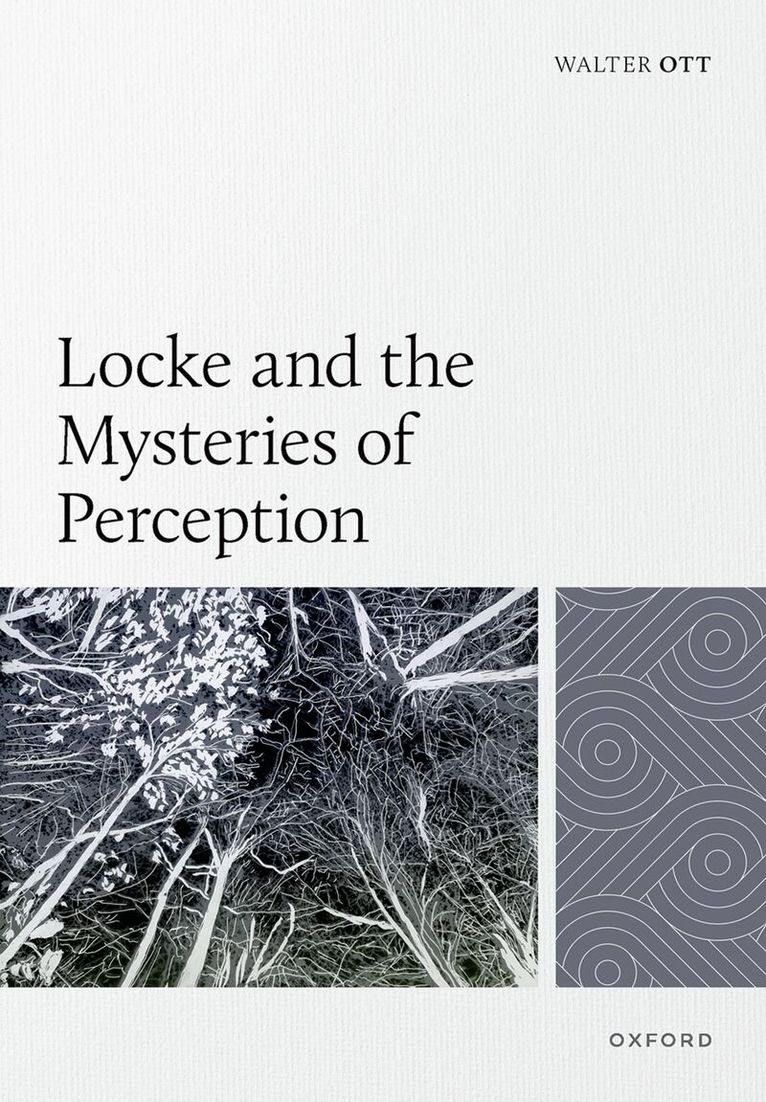
Locke and the Mysteries of Perception
Av Walter Ott
Inbunden, 2026
1563 kr
Lägg i varukorg
John Locke's theory of perception was developed at a time when the orthodox account of this most basic tie between mind and world was being called into question. New theories competed against the old Aristotelian view and against each other, chief among them those of the Cartesians and the …
Laws of Nature
Av Patton Ott, Walter Ott m. fl.
Inbunden, 2018
1481 kr
Lägg i varukorg
What is the origin of the concept of a law of nature? How much does it owe to theology and metaphysics? To what extent do the laws of nature permit contingency? Are there exceptions to the laws of nature? Is it possible to give a reductive analysis of lawhood, or is it a primitive?Twelve new essays …
Descartes, Malebranche, and the Crisis of Perception
Av Walter Ott
Inbunden, 2017
1518 kr
Lägg i varukorg
The seventeenth century witnesses the demise of two core doctrines in the theory of perception: naïve realism about color, sound, and other sensible qualities and the empirical theory, drawn from Alhacen and Roger Bacon, which underwrote it. This created a problem for seventeenth century …
Causation and Laws of Nature in Early Modern Philosophy
Av Walter Ott
Inbunden, 2009
2169 kr
Lägg i varukorg
Some philosophers think physical explanations stand on their own: what happens, happens because things have the properties they do. Others think that any such explanation is incomplete: what happens in the physical world must be partly due to the laws of nature. Causation and Laws of Nature in …
Causation and Laws of Nature in Early Modern Philosophy
Av Walter Ott
Häftad, 2012
944 kr
Lägg i varukorg
Some philosophers think physical explanations stand on their own: what happens, happens because things have the properties they do. Others think that any such explanation is incomplete: what happens in the physical world must be partly due to the laws of nature. Causation and Laws of Nature in …
Formalismus Und Phanomenologie Im Rechtsdenken Der Gegenwart: Festgabe Fur Alois Troller Zum 8. Geburtstag
Av Werner Krawietz, Walter Ott
Inbunden
1832 kr
Lägg i varukorg
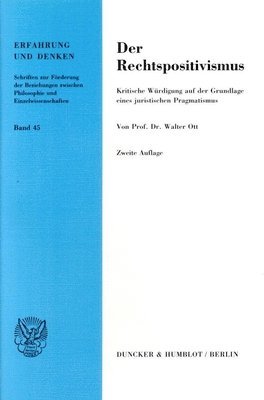
Der Rechtspositivismus: Kritische Wurdigung Auf Der Grundlage Eines Juristischen Pragmatismus
Av Walter Ott
Häftad, 1992
791 kr
Lägg i varukorg