Walter Roy Laird – författare
Visar alla böcker från författaren Walter Roy Laird. Handla med fri frakt och snabb leverans.
6 produkter
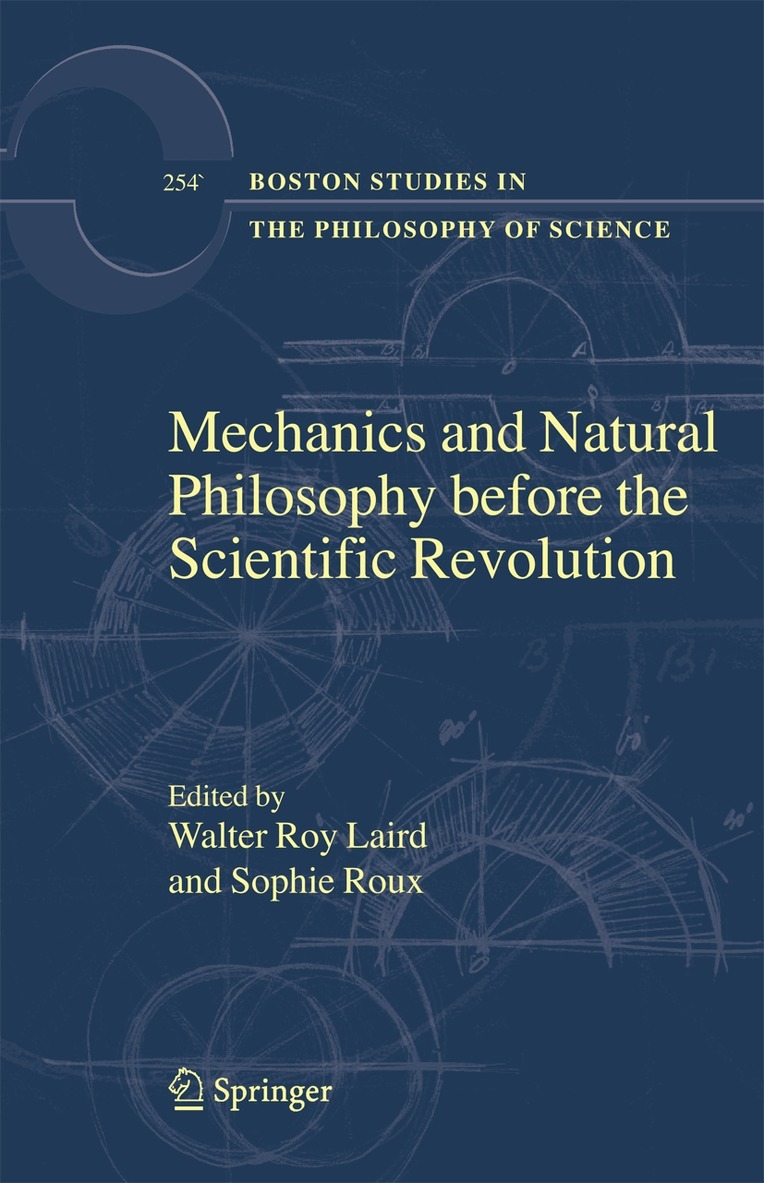
Mechanics and Natural Philosophy before the Scientific Revolution
Av Walter Roy Laird, Sophie Roux
Inbunden, 2008
1971 kr
Lägg i varukorg
Modern mechanics was forged in the seventeenth century from materials inherited from Antiquity and transformed in the period from the Middle Ages through to the sixteenth century. These materials were transmitted through a number of textual traditions and within several disciplines and practices, …
Mechanics and Natural Philosophy before the Scientific Revolution
Av Sophie Roux, Walter Roy Laird
E-bok, 2008
2599 kr
Lägg i varukorg
Modern mechanics was forged in the seventeenth century from materials inherited from Antiquity and transformed in the period from the Middle Ages through to the sixteenth century. These materials were transmitted through a number of textual traditions and within several disciplines and practices, …
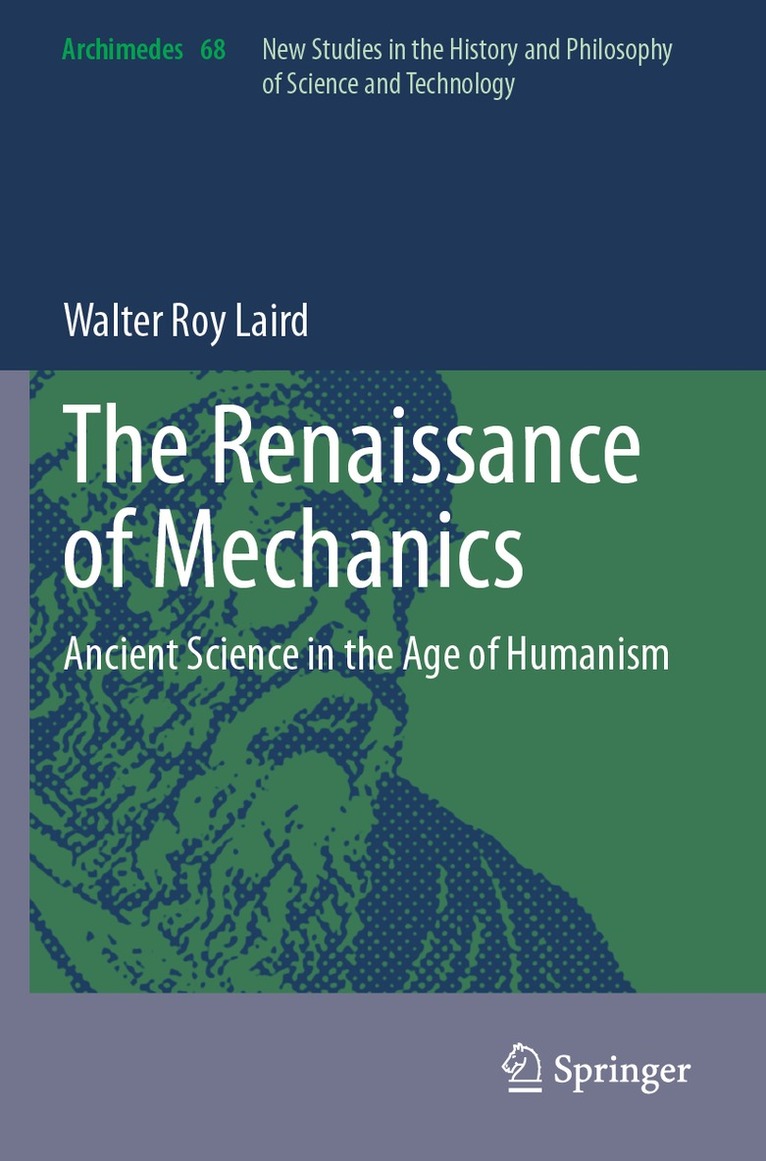
Renaissance of Mechanics
Ancient Science in the Age of Humanism
Inbunden, 2024
1580 kr
Lägg i varukorg
This book gives an account of the origins of theoretical mechanics in antiquity, its limited reception in the Arabic and Latin Middle Ages, and its recovery and subsequent development in Italy to the time of Galileo. From late antiquity to the fifteenth century, the ancient science of mechanics—the …
Renaissance of Mechanics
Ancient Science in the Age of Humanism
E-bok, 2024
1962 kr
Lägg i varukorg
This book gives an account of the origins of theoretical mechanics in antiquity, its limited reception in the Arabic and Latin Middle Ages, and its recovery and subsequent development in Italy to the time of Galileo. From late antiquity to the fifteenth century, the ancient science of mechanics—the …
Renaissance of Mechanics
Ancient Science in the Age of Humanism
Häftad, 2025
1580 kr
Lägg i varukorg
This book gives an account of the origins of theoretical mechanics in antiquity, its limited reception in the Arabic and Latin Middle Ages, and its recovery and subsequent development in Italy to the time of Galileo. From late antiquity to the fifteenth century, the ancient science of mechanics—the …
Mechanics and Natural Philosophy before the Scientific Revolution
Av Walter Roy Laird, Sophie Roux
Häftad, 2010
1971 kr
Lägg i varukorg
Modern mechanics was forged in the seventeenth century from materials inherited from Antiquity and transformed in the period from the Middle Ages through to the sixteenth century. These materials were transmitted through a number of textual traditions and within several disciplines and practices, …