Walter W. Cannon – författare
Visar alla böcker från författaren Walter W. Cannon. Handla med fri frakt och snabb leverans.
5 produkter
Who Hears in Shakespeare?
Shakespeare’s Auditory World, Stage and Screen
Av Laury Magnus, Walter W. Cannon
Inbunden, 2011
1637 kr
Lägg i varukorg
This volume, examining the ways in which Shakespeare’s plays are designed for hearers as well as spectators, has been prompted by recent explorations of the auditory dimension of early modern drama by such scholars as Andrew Gurr, Bruce Smith, and James Hirsh. To look at the dynamics of hearing in …
Who Hears in Shakespeare?
Shakespeare’S Auditory World, Stage and Screen
Av Laury Magnus, Walter W. Cannon
E-bok, 2011
1719 kr
Lägg i varukorg
This volume, examining the ways in which Shakespeare’s plays are designed for hearers as well as spectators, has been prompted by recent explorations of the auditory dimension of early modern drama by such scholars as Andrew Gurr, Bruce Smith, and James Hirsh. To look at the dynamics of hearing in …
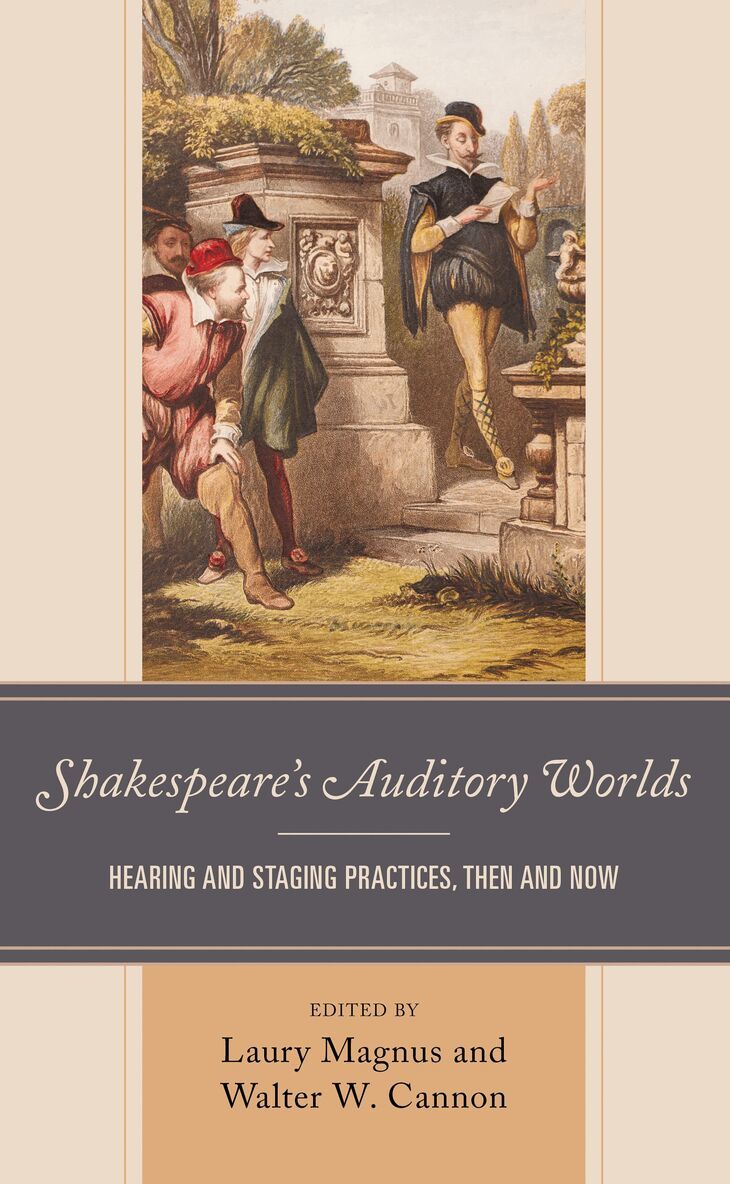
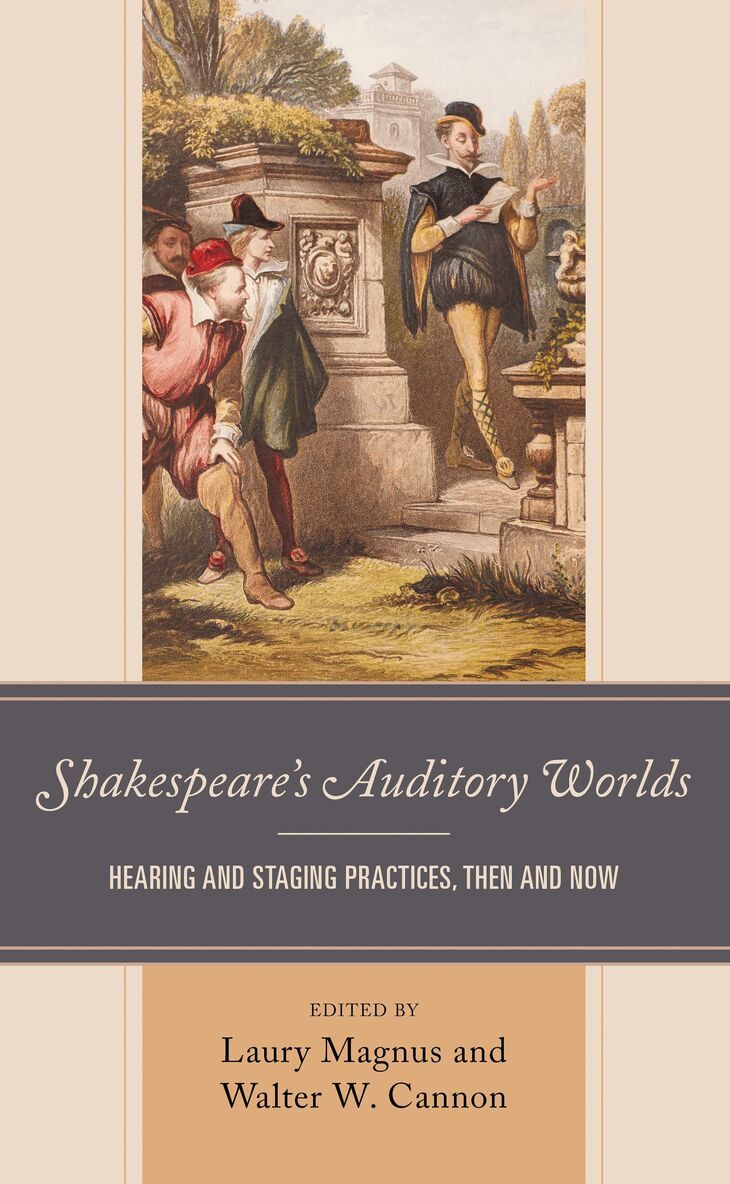
Shakespeare’s Auditory Worlds
Hearing and Staging Practices, Then and Now
Av Laury Magnus, Walter W. Cannon
Inbunden, 2020
1637 kr
Lägg i varukorg
Inspired by the verbal exuberance and richness of all that can be heard by audiences both on and off Shakespeare’s stages, Shakespeare’s Auditory Worlds examines such special listening situations as overhearing, eavesdropping, and asides. It breaks new ground by exploring the complex relationships …
Shakespeare’s Auditory Worlds
Hearing and Staging Practices, Then and Now
Av Laury Magnus, Walter W. Cannon
E-bok, 2020
645 kr
Lägg i varukorg
Inspired by the verbal exuberance and richness of all that can be heard by audiences both on and off Shakespeare’s stages, Shakespeare’s Auditory Worlds examines such special listening situations as overhearing, eavesdropping, and asides. It breaks new ground by exploring the complex relationships …
Shakespeare’s Auditory Worlds
Hearing and Staging Practices, Then and Now
Av Laury Magnus, Walter W. Cannon
Häftad, 2022
594 kr
Lägg i varukorg
Inspired by the verbal exuberance and richness of all that can be heard by audiences both on and off Shakespeare’s stages, Shakespeare’s Auditory Worlds examines such special listening situations as overhearing, eavesdropping, and asides. It breaks new ground by exploring the complex relationships …