Wannaporn Rienjang - Böcker
Visar alla böcker från författaren Wannaporn Rienjang. Handla med fri frakt och snabb leverans.
3 produkter
3 produkter
Problems of Chronology in Gandhāran Art
Proceedings of the First International Workshop of the Gandhāra Connections Project, University of Oxford, 23rd-24th March, 2017
Häftad, Engelska, 2018
486 kr
Skickas
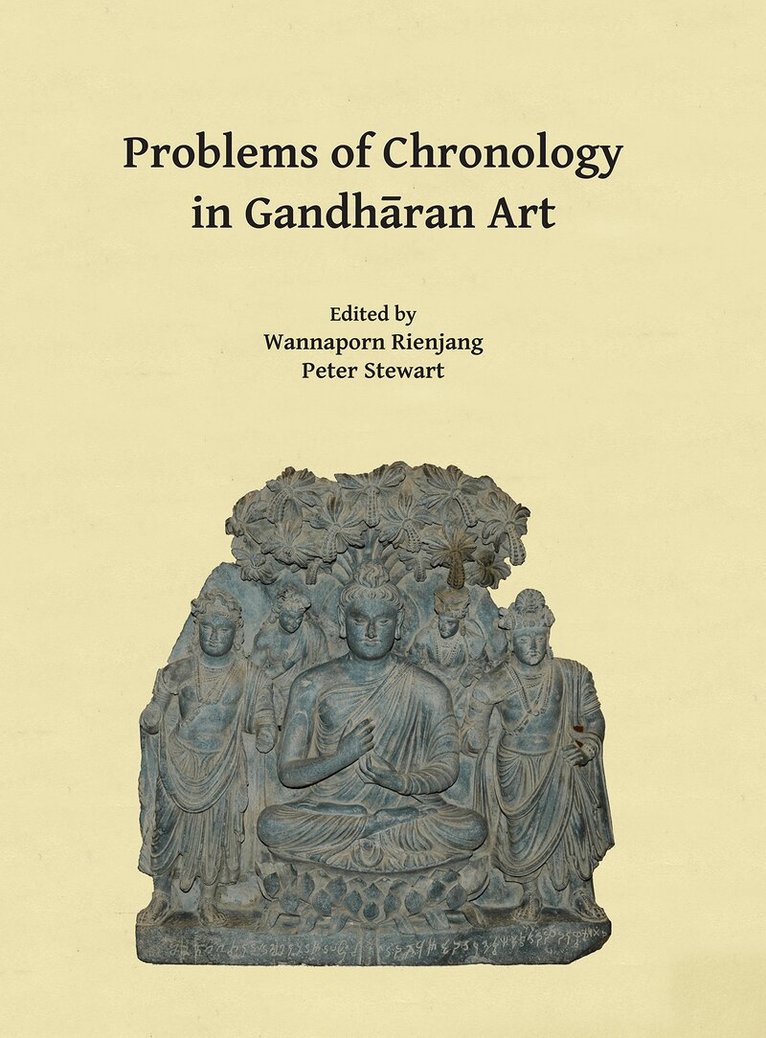
Since the beginning of Gandhāran studies in the nineteenth century, chronology has been one of the most significant challenges to the understanding of Gandhāran art. Many other ancient societies, including those of Greece and Rome, have left a wealth of textual sources which have put their fundamental chronological frameworks beyond doubt. In the absence of such sources on a similar scale, even the historical eras cited on inscribed Gandhāran works of art have been hard to place. Few sculptures have such inscriptions and the majority lack any record of find-spot or even general provenance. Those known to have been found at particular sites were sometimes moved and reused in antiquity. Consequently, the provisional dates assigned to extant Gandhāran sculptures have sometimes differed by centuries, while the narrative of artistic development remains doubtful and inconsistent. Building upon the most recent, cross-disciplinary research, debate and excavation, this volume reinforces a new consensus about the chronology of Gandhāra, bringing the history of Gandhāran art into sharper focus than ever. By considering this tradition in its wider context, alongside contemporary Indian art and subsequent developments in Central Asia, the authors also open up fresh questions and problems which a new phase of research will need to address. Problems of Chronology in Gandhāran Art is the first publication of the Gandhāra Connections project at the University of Oxford’s Classical Art Research Centre, which has been supported by the Bagri Foundation and the Neil Kreitman Foundation. It presents the proceedings of the first of three international workshops on fundamental questions in the study of Gandhāran art, held at Oxford in March 2017.
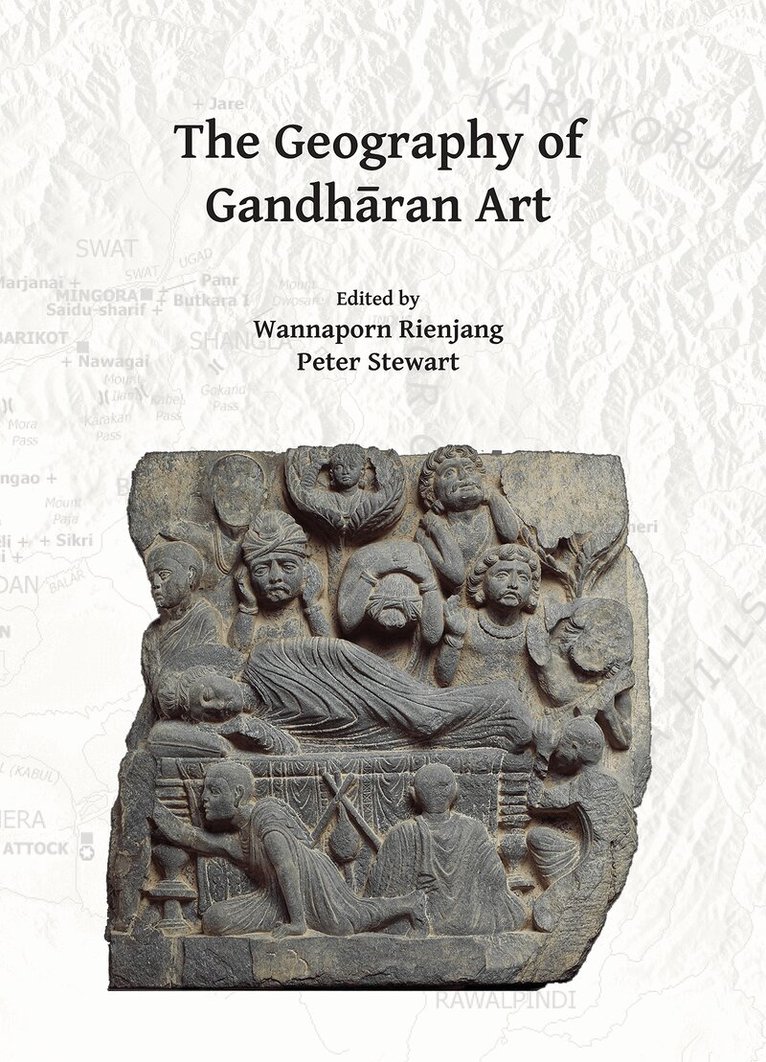
Geography of Gandhāran Art
Proceedings of the Second International Workshop of the Gandhāra Connections Project, University of Oxford, 22nd-23rd March, 2018
Häftad, Engelska, 2019
576 kr
Tillfälligt slut
Gandhāran art is usually regarded as a single phenomenon – a unified regional artistic tradition or ‘school’. Indeed it has distinctive visual characteristics, materials, and functions, and is characterized by its extensive borrowings from the Graeco-Roman world. Yet this tradition is also highly varied. Even the superficial homogeneity of Gandhāran sculpture, which constitutes the bulk of documented artistic material from this region in the early centuries AD, belies a considerable range of styles, technical approaches, iconographic choices, and levels of artistic skill. The geographical variations in Gandhāran art have received less attention than they deserve. Many surviving Gandhāran artefacts are unprovenanced and the difficulty of tracing substantial assemblages of sculpture to particular sites has obscured the fine-grained picture of its artistic geography. Well documented modern excavations at particular sites and areas, such as the projects of the Italian Archaeological Mission in the Swat Valley, have demonstrated the value of looking at sculptures in context and considering distinctive aspects of their production, use, and reuse within a specific locality. However, insights of this kind have been harder to gain for other areas, including the Gandhāran heartland of the Peshawar basin. Even where large collections of artworks can be related to individual sites, the exercise of comparing material within and between these places is still at an early stage. The relationship between the Gandhāran artists or ‘workshops’, particular stone sources, and specific sites is still unclear. Addressing these and other questions, this second volume of the Gandhāra Connections project at Oxford University’s Classical Art Research Centre presents the proceedings of a workshop held in March 2018. Its aim is to pick apart the regional geography of Gandhāran art, presenting new discoveries at particular sites, textual evidence, and the challenges and opportunities of exploring Gandhāra’s artistic geography.
Global Connections of Gandhāran Art
Proceedings of the Third International Workshop of the Gandhāra Connections Project, University of Oxford, 18th-19th March, 2019
Häftad, Engelska, 2020
680 kr
Skickas
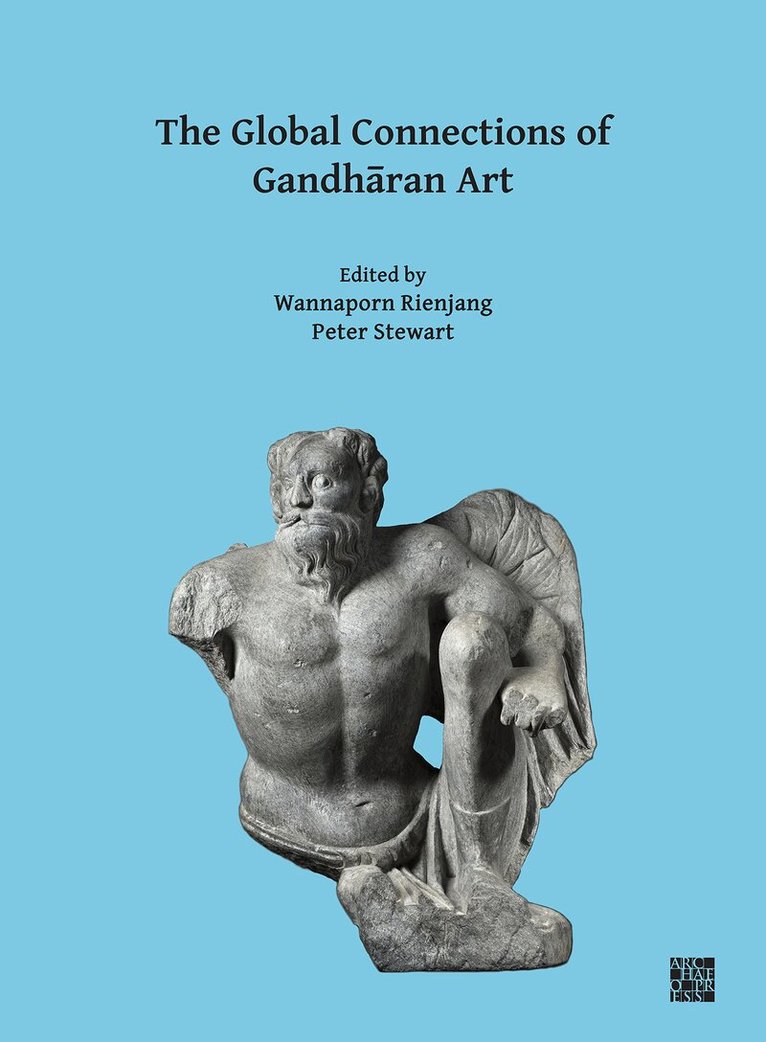
Gandhāran art is often regarded as the epitome of cultural exchange in antiquity. The ancient region of Gandhāra, centred on what is now the northern tip of Pakistan, has been called the ‘crossroads of Asia’. The Buddhist art produced in and around this area in the first few centuries AD exhibits extraordinary connections with other traditions across Asia and as far as the Mediterranean. Since the nineteenth century, the Graeco-Roman associations of Gandhāran art have attracted particular attention. Classically educated soldiers and administrators of that era were astonished by the uncanny resemblance of many works of Gandhāran sculpture to Greek and Roman art made thousands of miles to the west. More than a century later we can recognize that the Gandhāran artists’ appropriation of classical iconography and styles was diverse and extensive, but the explanation of this ‘influence’ remains puzzling and elusive. The Gandhāra Connections project at the University of Oxford’s Classical Art Research Centre was initiated principally to cast new light on this old problem.This volume is the third set of proceedings of the project’s annual workshop, and the first to address directly the question of cross-cultural influence on and by Gandhāran art. The contributors wrestle with old controversies, particularly the notion that Gandhāran art is a legacy of Hellenistic Greek rule in Central Asia and the growing consensus around the important role of the Roman Empire in shaping it. But they also seek to present a more complex and expansive view of the networks in which Gandhāra was embedded. Adopting a global perspective on the subject, they examine aspects of Gandhāra’s connections both within and beyond South Asia and Central Asia, including the profound influence which Gandhāran art itself had on the development of Buddhist art in China and India.