Warwick F. Vincent – författare
Visar alla böcker från författaren Warwick F. Vincent. Handla med fri frakt och snabb leverans.
6 produkter
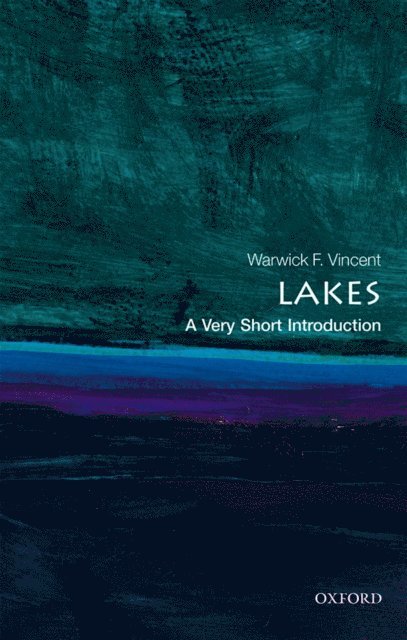
Lakes
A Very Short Introduction
E-bok, 2018
123 kr
Lägg i varukorg
From the mysterious depths of Lake Vostok, Antarctica, to tropical floodplain lakes, inland seas, hydro-reservoirs and the variety of waterbodies in our local environment, lakes encompass a huge diversity of shapes, sizes, depths, colours, and even salinities. Often very large and very deep, they …
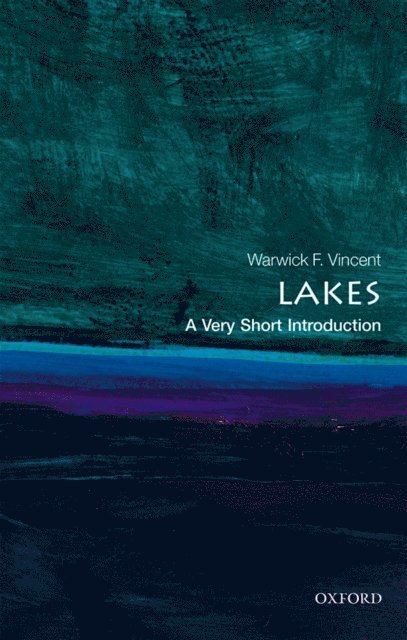
Lakes
A Very Short Introduction
E-bok, 2018
123 kr
Lägg i varukorg
From the mysterious depths of Lake Vostok, Antarctica, to tropical floodplain lakes, inland seas, hydro-reservoirs and the variety of waterbodies in our local environment, lakes encompass a huge diversity of shapes, sizes, depths, colours, and even salinities. Often very large and very deep, they …
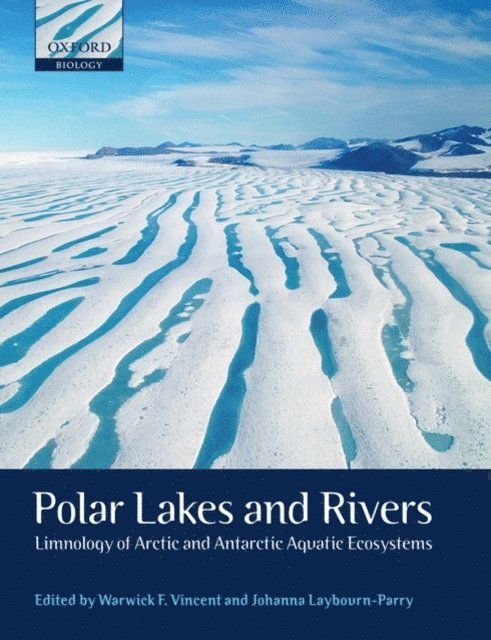
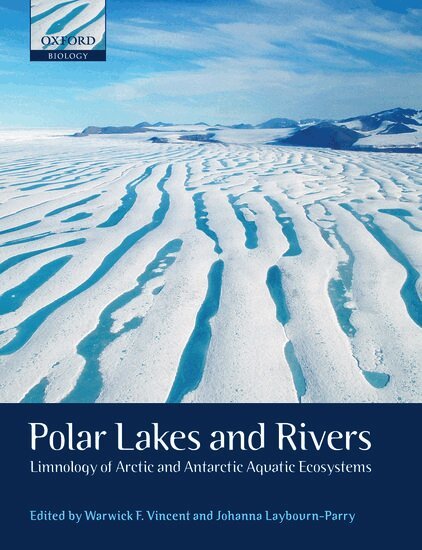
Polar Lakes and Rivers
Limnology of Arctic and Antarctic Aquatic Ecosystems
Av Johanna Laybourn-Parry, Warwick F. Vincent
E-bok, 2008
398 kr
Lägg i varukorg
This is the first book to describe the ecology of high latitude lakes, rivers and glacial environments in both the North and South polar regions. From the lake-rich floodplains of the Arctic to the deep, enigmatic waters of Lake Vostok, Antarctica, these regions contain some of the most …
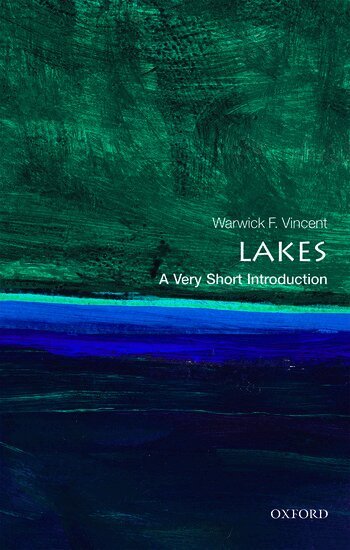
Lakes
A Very Short Introduction
Häftad, 2018
113 kr
Lägg i varukorg
From the mysterious depths of Lake Vostok, Antarctica, to tropical floodplain lakes, inland seas, hydro-reservoirs and the variety of waterbodies in our local environment, lakes encompass a huge diversity of shapes, sizes, depths, colours, and even salinities. Often very large and very deep, they …
Polar Lakes and Rivers
Limnology of Arctic and Antarctic Aquatic Ecosystems
Av Warwick F. Vincent, Johanna Laybourn-Parry
Häftad, 2008
788 kr
Lägg i varukorg
This is the first book to describe the ecology of high latitude lakes, rivers and glacial environments in both the North and South polar regions. From the lake-rich floodplains of the Arctic to the deep, enigmatic waters of Lake Vostok, Antarctica, these regions contain some of the most …
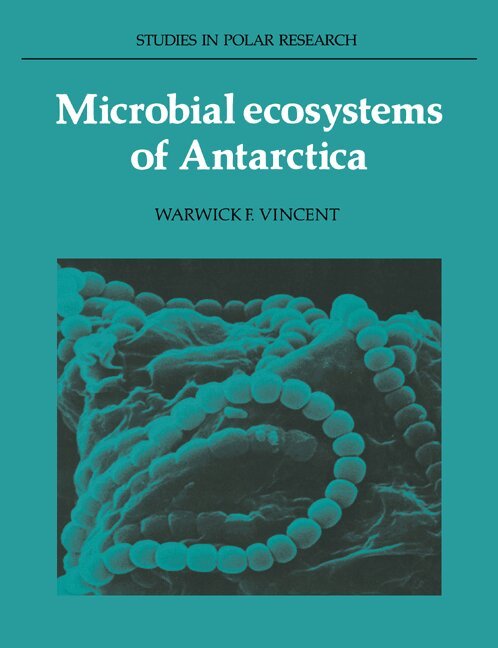
Microbial Ecosystems of Antarctica
Av Warwick F. Vincent, L. C. Bliss m. fl.
Häftad, 2004
944 kr
Lägg i varukorg
This book provides a structured account of the full range of environments in Antarctica and of the microbial communities that live within them. Environments examined include: snow and ice; benthic marine; sea ice; lakes and streams; marginal ice; soil; the open ocean; rock. In the more extreme …