Wendy Bellion – författare
Visar alla böcker från författaren Wendy Bellion. Handla med fri frakt och snabb leverans.
8 produkter
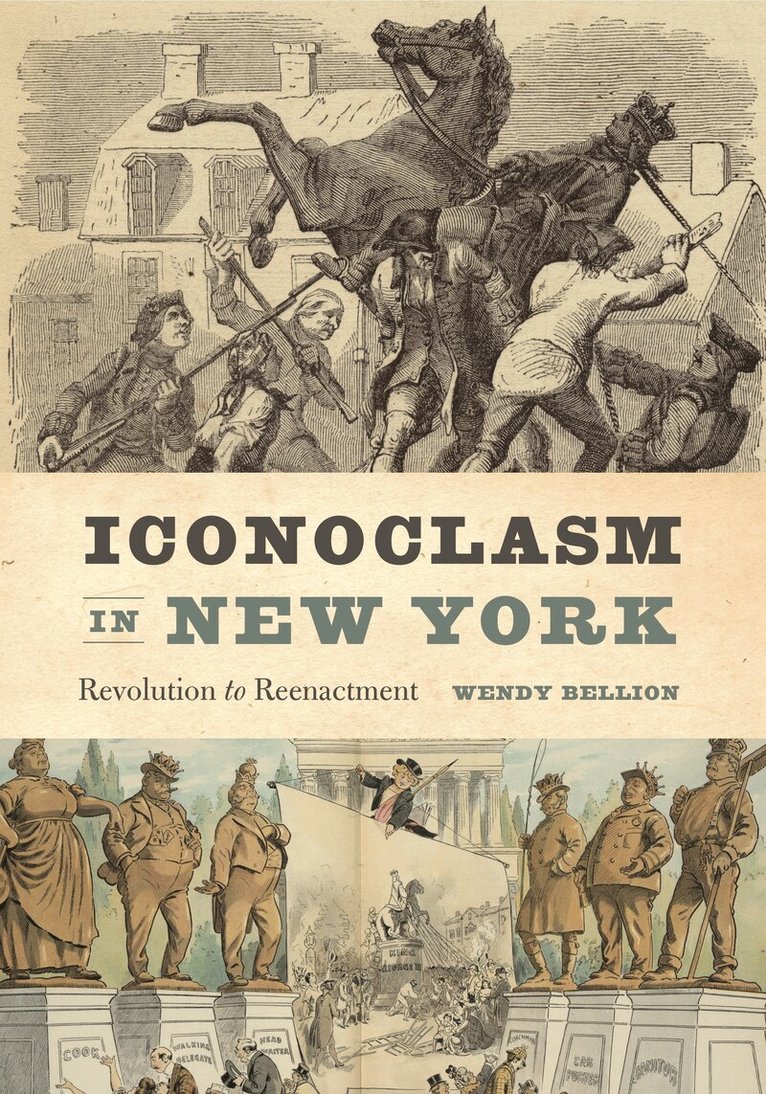
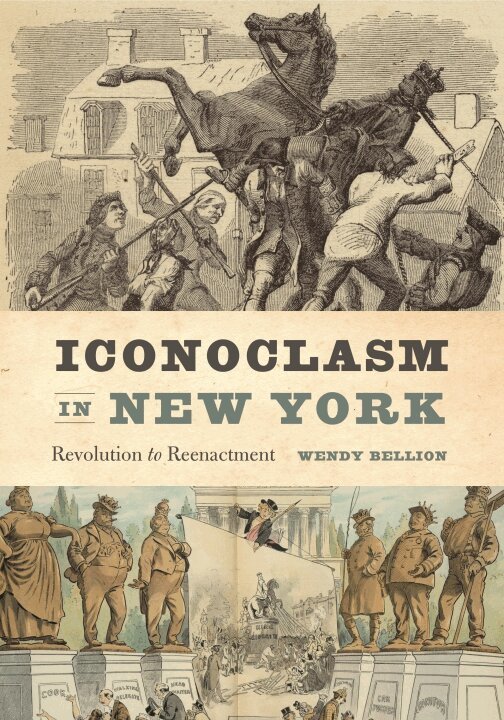
Iconoclasm in New York
Revolution to Reenactment
Häftad, 2021
379 kr
Lägg i varukorg
King George III will not stay on the ground. Ever since a crowd in New York City toppled his equestrian statue in 1776, burying some of the parts and melting the rest into bullets, the king has been riding back into American culture, raising his gilded head in visual representations and reappearing …
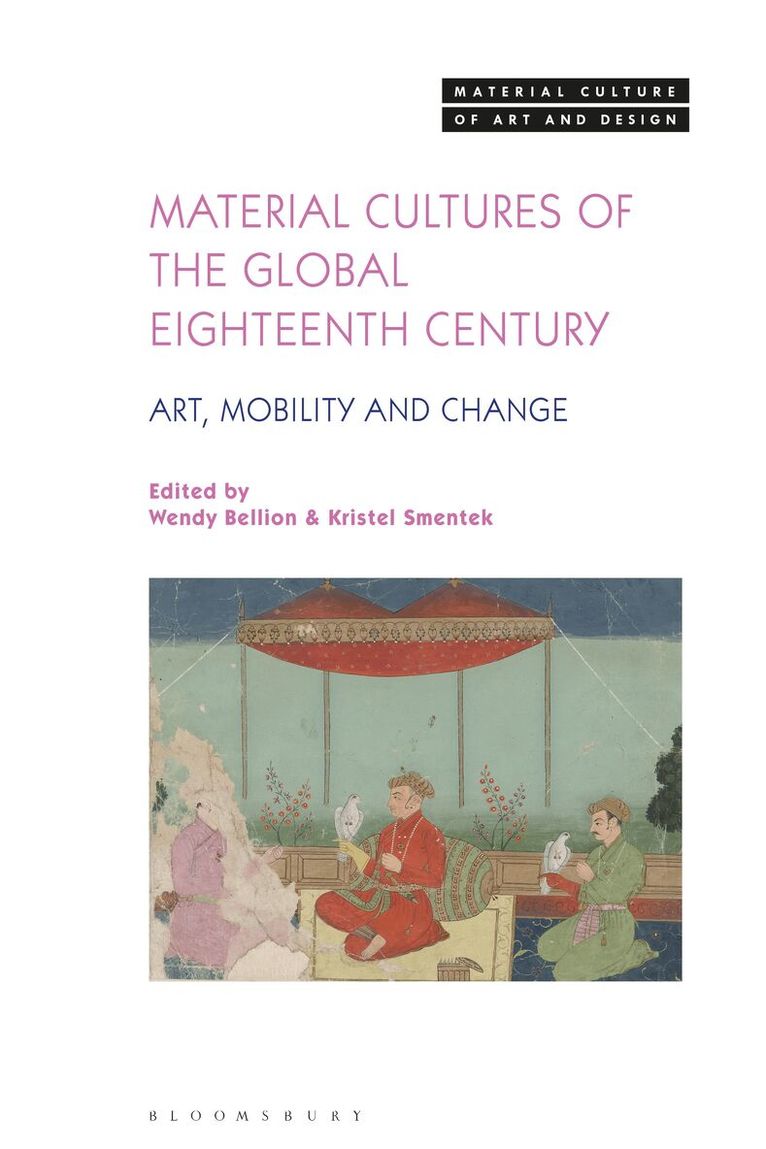
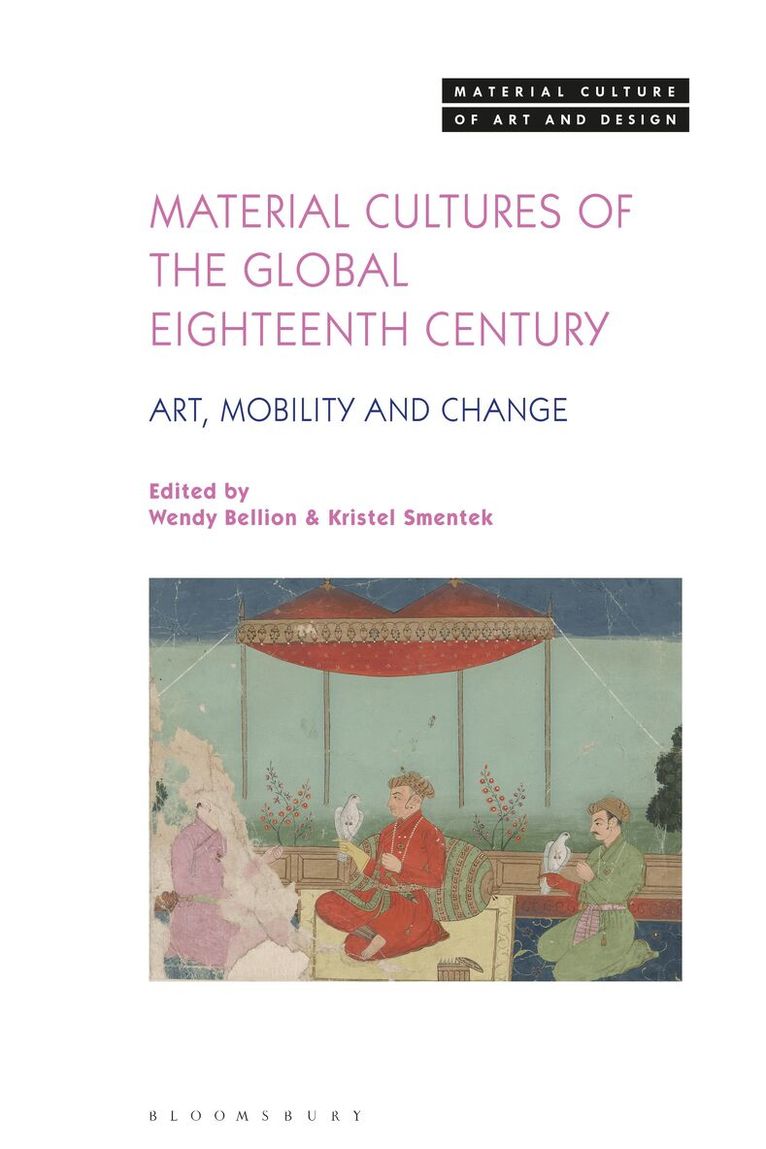
Material Cultures of the Global Eighteenth Century
Art, Mobility, and Change
Av Wendy Bellion, Kristel Smentek
Inbunden, 2023
1304 kr
Lägg i varukorg
Things change. Broken and restored, reused and remade, objects transcend their earliest functions, locations, and appearances. While every era witnesses change, the eighteenth century experienced artistic, economic, and demographic transformations that exerted unique pressures on material cultures …
Material Cultures of the Global Eighteenth Century
Art, Mobility, and Change
Av Wendy Bellion, Kristel Smentek
E-bok, 2023
401 kr
Lägg i varukorg
Things change. Broken and restored, reused and remade, objects transcend their earliest functions, locations, and appearances. While every era witnesses change, the eighteenth century experienced artistic, economic, and demographic transformations that exerted unique pressures on material cultures …
Material Cultures of the Global Eighteenth Century
Art, Mobility, and Change
Av Wendy Bellion, Kristel Smentek
E-bok, 2023
401 kr
Lägg i varukorg
Things change. Broken and restored, reused and remade, objects transcend their earliest functions, locations, and appearances. While every era witnesses change, the eighteenth century experienced artistic, economic, and demographic transformations that exerted unique pressures on material cultures …
Material Cultures of the Global Eighteenth Century
Art, Mobility, and Change
Av Wendy Bellion, Kristel Smentek
Häftad, 2025
367 kr
Lägg i varukorg
From porcelain to betel leaves, Chumash hats to natural history cabinets, this book examines how objects embody imperialism, knowledge, and resistance in various ways. While every era witnesses change, the eighteenth century experienced artistic, economic, and demographic transformations that …
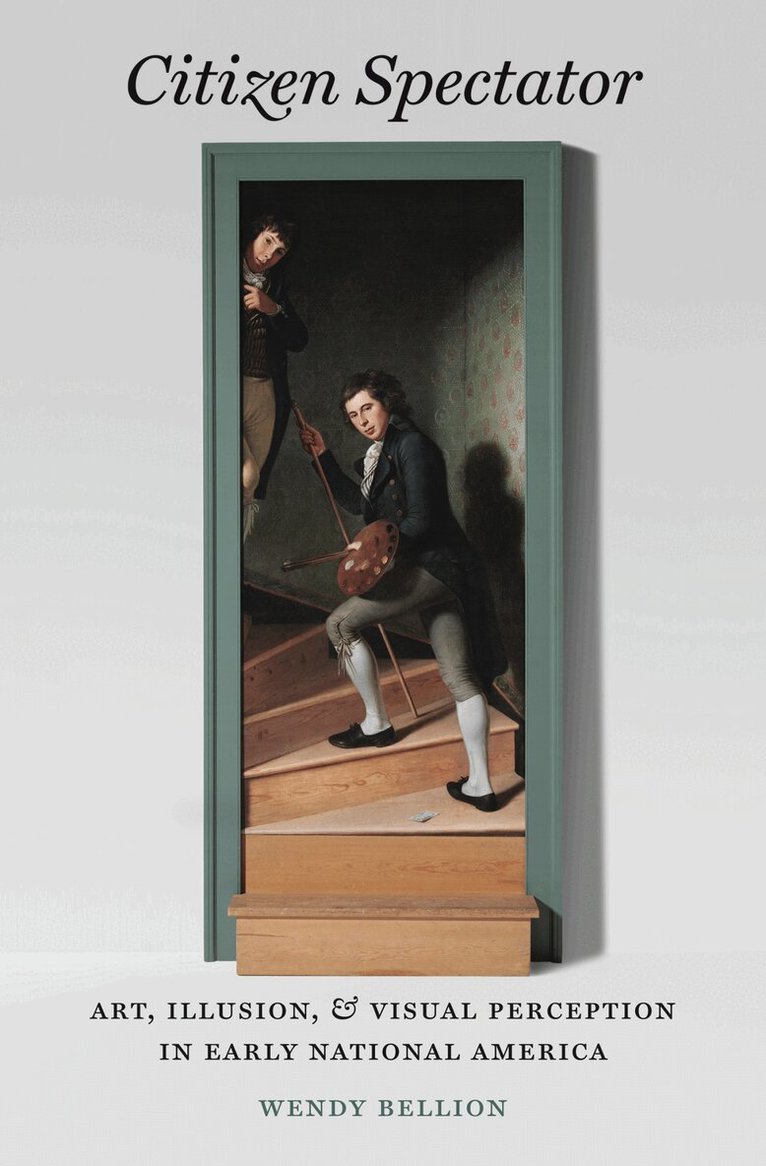
Citizen Spectator
Art, Illusion, and Visual Perception in Early National America
Häftad, 2025
515 kr
Lägg i varukorg
In this richly illustrated study, the first book-length exploration of illusionistic art in the early United States, Wendy Bellion investigates Americans' experiences with material forms of visual deception and argues that encounters with illusory art shaped their understanding of knowledge, …
Citizen Spectator
Art, Illusion, and Visual Perception in Early National America
E-bok, 2012
410 kr
Lägg i varukorg
In this richly illustrated study, the first book-length exploration of illusionistic art in the early United States, Wendy Bellion investigates Americans'' experiences with material forms of visual deception and argues that encounters with illusory art shaped their understanding of knowledge, …
Iconoclasm in New York
Revolution to Reenactment
Inbunden, 2019
1586 kr
Tillfälligt slut
King George III will not stay on the ground. Ever since a crowd in New York City toppled his equestrian statue in 1776, burying some of the parts and melting the rest into bullets, the king has been riding back into American culture, raising his gilded head in visual representations and reappearing …