Wendy Hamand Venet – författare
Visar alla böcker från författaren Wendy Hamand Venet. Handla med fri frakt och snabb leverans.
10 produkter
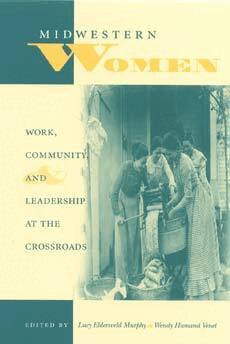
Midwestern Women
Work, Community, and Leadership at the Crossroads
Av Lucy Eldersveld Murphy, Wendy Hamand Venet
Häftad, 1997
261 kr
Lägg i varukorg
" . . . an excellent introduction to a complex subject. Anyone interested in the Midwest or in women's history will find it a valuable resource." —Agricultural History" . . . the volume as a whole invigorates the field of midwestern history." —Wisconsin Magazine of History" . . . examines four …
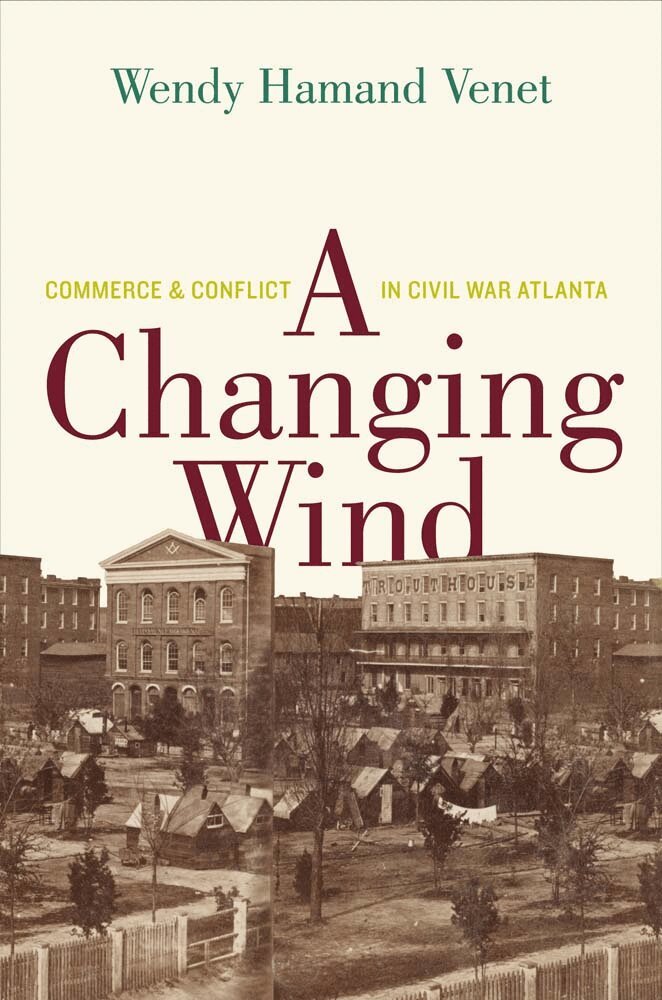
Changing Wind
Commerce and Conflict in Civil War Atlanta
Inbunden, 2014
940 kr
Lägg i varukorg
A compelling exploration of what real life was like for residents of Civil War–era AtlantaIn 1845, Atlanta was the last stop at the end of a railroad line, the home of just twelve families and three general stores. By the 1860s, it was a thriving Confederate city, second only to Richmond in …
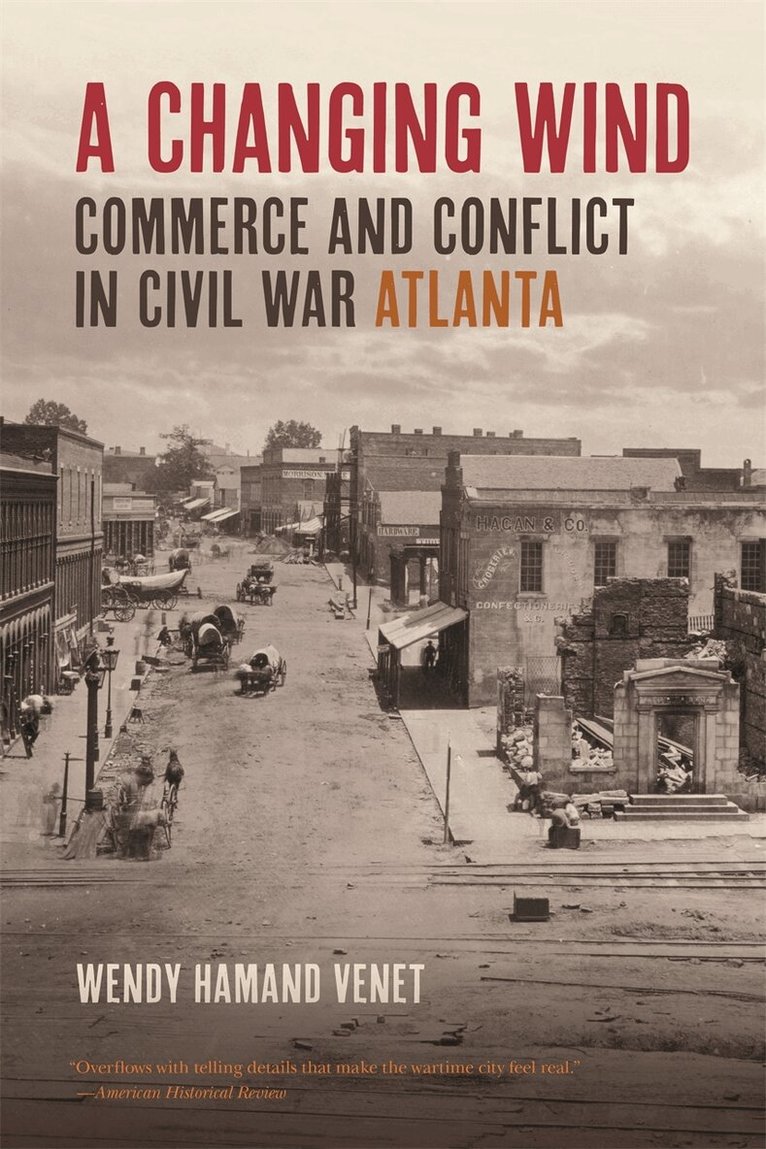
Changing Wind
Commerce and Conflict in Civil War Atlanta
Häftad, 2017
494 kr
Lägg i varukorg
In 1845 Atlanta was the last stop at the end of a railroad line, the home of just twelve families and three general stores. By the 1860s, it was a thriving Confederate city, second only to Richmond in importance. A Changing Wind is the first history to explore what it meant to live in Atlanta …
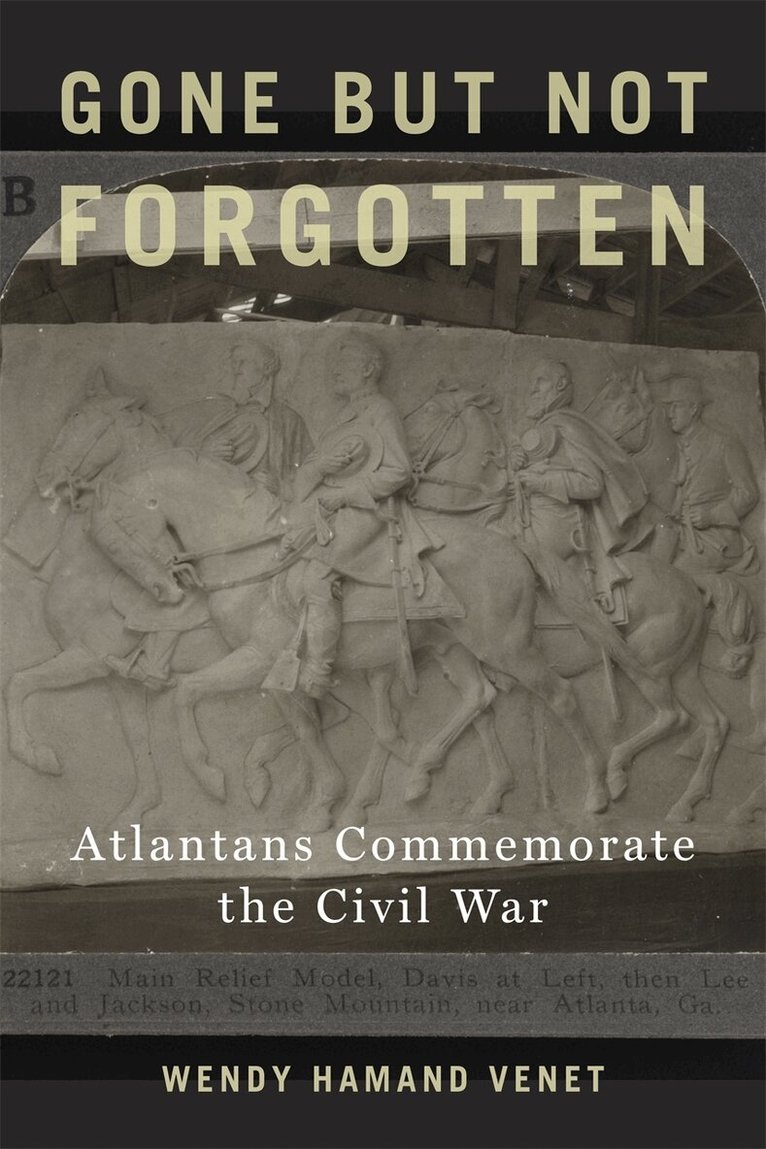
Gone but Not Forgotten
Atlantans Commemorate the Civil War
Inbunden, 2020
2134 kr
Lägg i varukorg
This book examines the differing ways that Atlantans have remembered the Civil War since its end in 1865. During the Civil War, Atlanta became the second-most important city in the Confederacy after Richmond, Virginia. Since 1865, Atlanta’s civic and business leaders promoted the city’s image as a …
Gone but Not Forgotten
Atlantans Commemorate the Civil War
E-bok, 2020
1954 kr
Lägg i varukorg
This book examines the differing ways that Atlantans have remembered the Civil War since its end in 1865. During the Civil War, Atlanta became the second-most important city in the Confederacy after Richmond, Virginia. Since 1865, Atlanta’s civic and business leaders promoted the city’s image as a …
Gone but Not Forgotten
Atlantans Commemorate the Civil War
Häftad, 2020
608 kr
Lägg i varukorg
This book examines the differing ways that Atlantans have remembered the Civil War since its end in 1865. During the Civil War, Atlanta became the second-most important city in the Confederacy after Richmond, Virginia. Since 1865, Atlanta’s civic and business leaders promoted the city’s image as a …
Gone but Not Forgotten
Atlantans Commemorate the Civil War
E-bok, 2020
1903 kr
Lägg i varukorg
This book examines the differing ways that Atlantans have remembered the Civil War since its end in 1865. During the Civil War, Atlanta became the second-most important city in the Confederacy after Richmond, Virginia. Since 1865, Atlanta’s civic and business leaders promoted the city’s image as a …
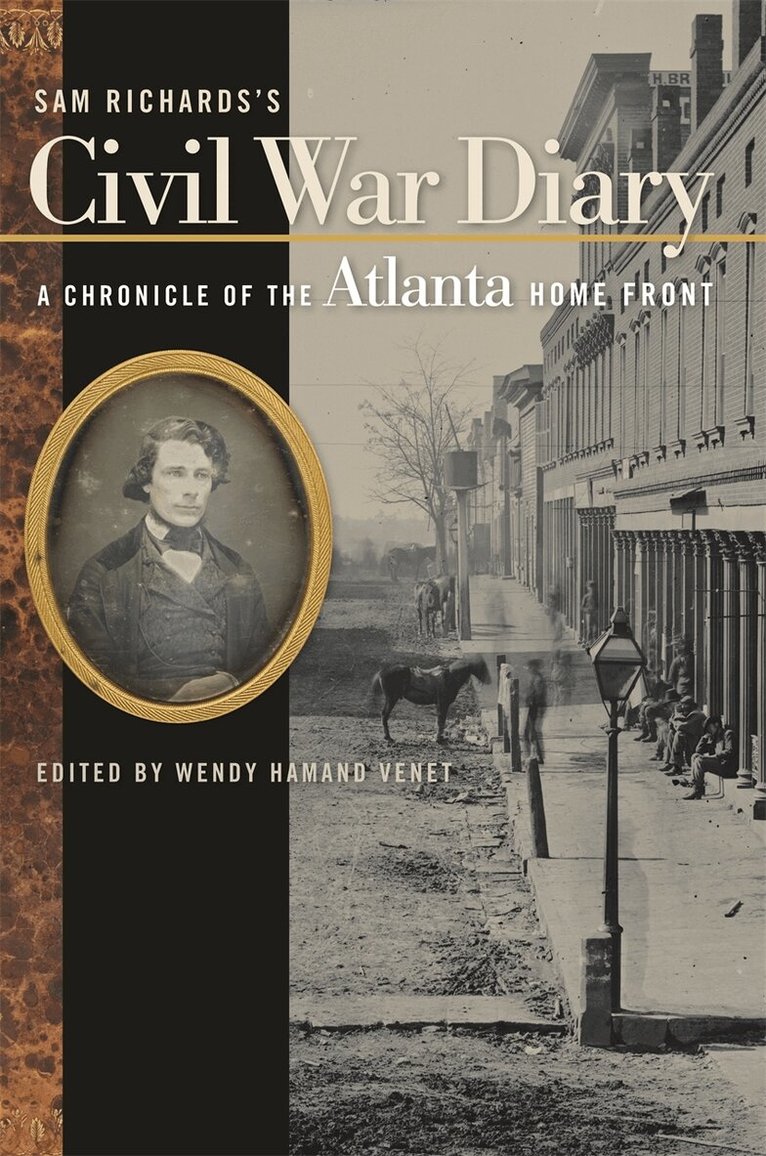
Sam Richards's Civil War Diary
A Chronicle of the Atlanta Home Front
Av Samuel Pearce Richards, Wendy Hamand Venet
Häftad, 2025
394 kr
Lägg i varukorg
This previously unpublished diary is the best-surviving firsthand account of life in Civil War-era Atlanta. Bookseller Samuel Pearce Richards (1824-1910) kept a diary for sixty-seven years. This volume excerpts the diary from October 1860, just before the presidential election of Abraham Lincoln, …
Sam Richards's Civil War Diary
A Chronicle of the Atlanta Home Front
Inbunden, 2009
827 kr
Tillfälligt slut
This previously unpublished diary is the best-surviving firsthand account of life in Civil War-era Atlanta. Bookseller Samuel Pearce Richards (1824-1910) kept a diary for sixty-seven years. This volume excerpts the diary from October 1860, just before the presidential election of Abraham Lincoln, …
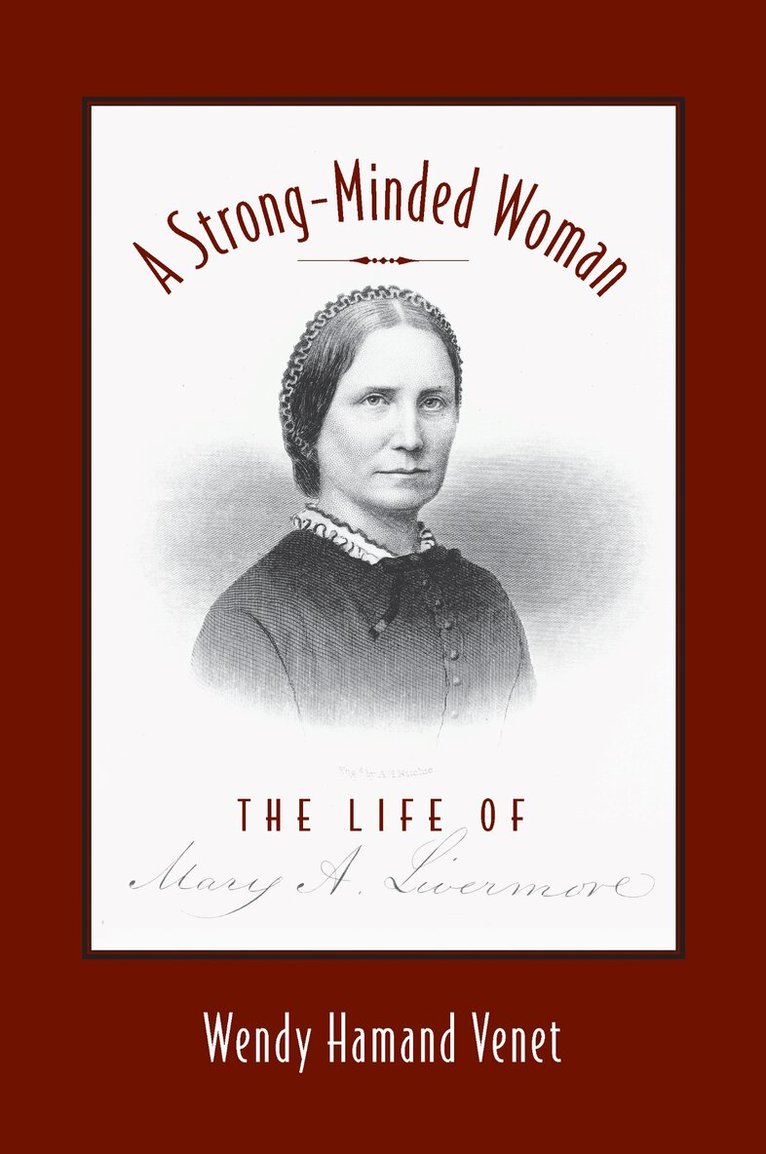
Strong-minded Woman
The Life of Mary Livermore
Häftad, 2005
378 kr
Tillfälligt slut
This is the first biography of an important nineteenth-century reformer. When Mary Livermore died in 1905, at age 84, a Boston newspaper praised her as ""America's foremost woman."" A leading figure in the struggle for woman's rights, as well as in the temperance movement, she was as widely …