Wendy Larson – författare
Visar alla böcker från författaren Wendy Larson. Handla med fri frakt och snabb leverans.
13 produkter
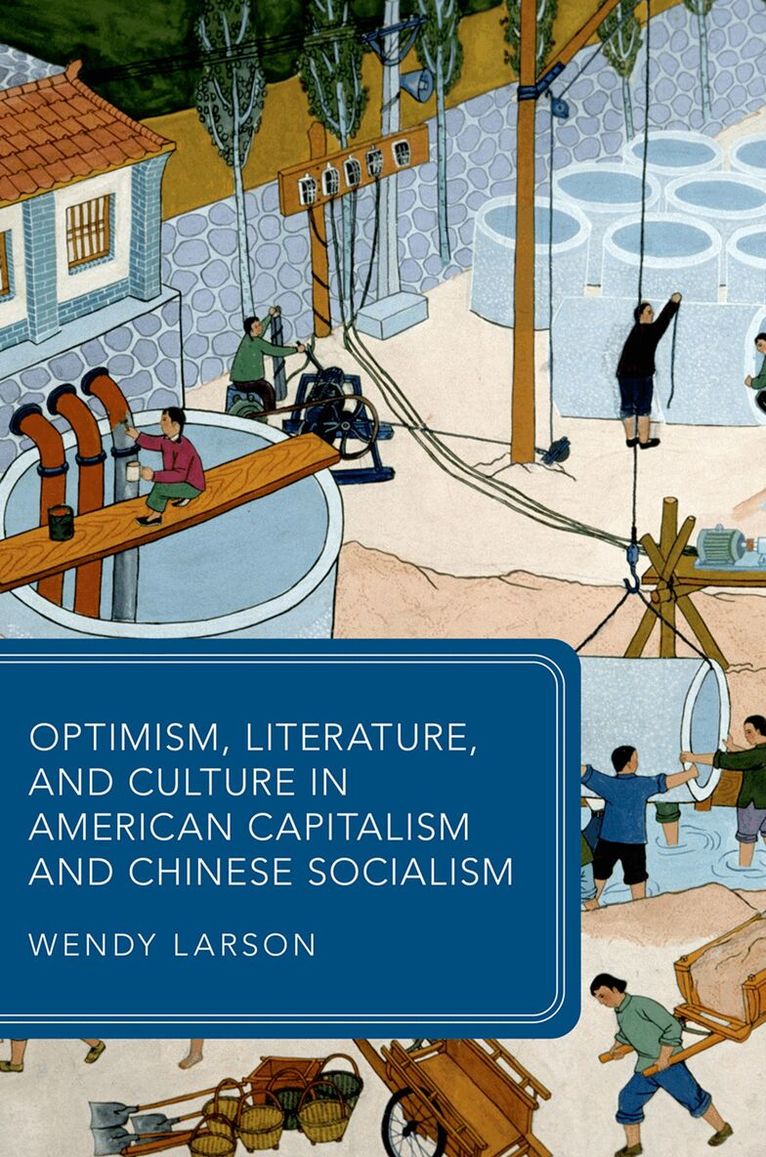
Optimism, Literature, and Culture in American Capitalism and Chinese Socialism
Av Wendy Larson
Inbunden, 2025
1271 kr
Lägg i varukorg
This book examines and interprets the uncanny similarity between capitalism and socialism over the twentieth century as both systems found ways to encourage happiness and optimism in their citizens. As inheritors of the Enlightenment's emphasis on scientific rationality, these cultures sought to …
Optimism, Literature, and Culture in American Capitalism and Chinese Socialism
Av Wendy Larson
E-bok, 2025
1139 kr
Lägg i varukorg
This book examines and interprets the uncanny similarity between capitalism and socialism over the twentieth century as both systems found ways to encourage happiness and optimism in their citizens. As inheritors of the Enlightenment''s emphasis on scientific rationality, these cultures sought to …
Optimism, Literature, and Culture in American Capitalism and Chinese Socialism
Av Wendy Larson
E-bok, 2025
1103 kr
Lägg i varukorg
This book examines and interprets the uncanny similarity between capitalism and socialism over the twentieth century as both systems found ways to encourage happiness and optimism in their citizens. As inheritors of the Enlightenment''s emphasis on scientific rationality, these cultures sought to …
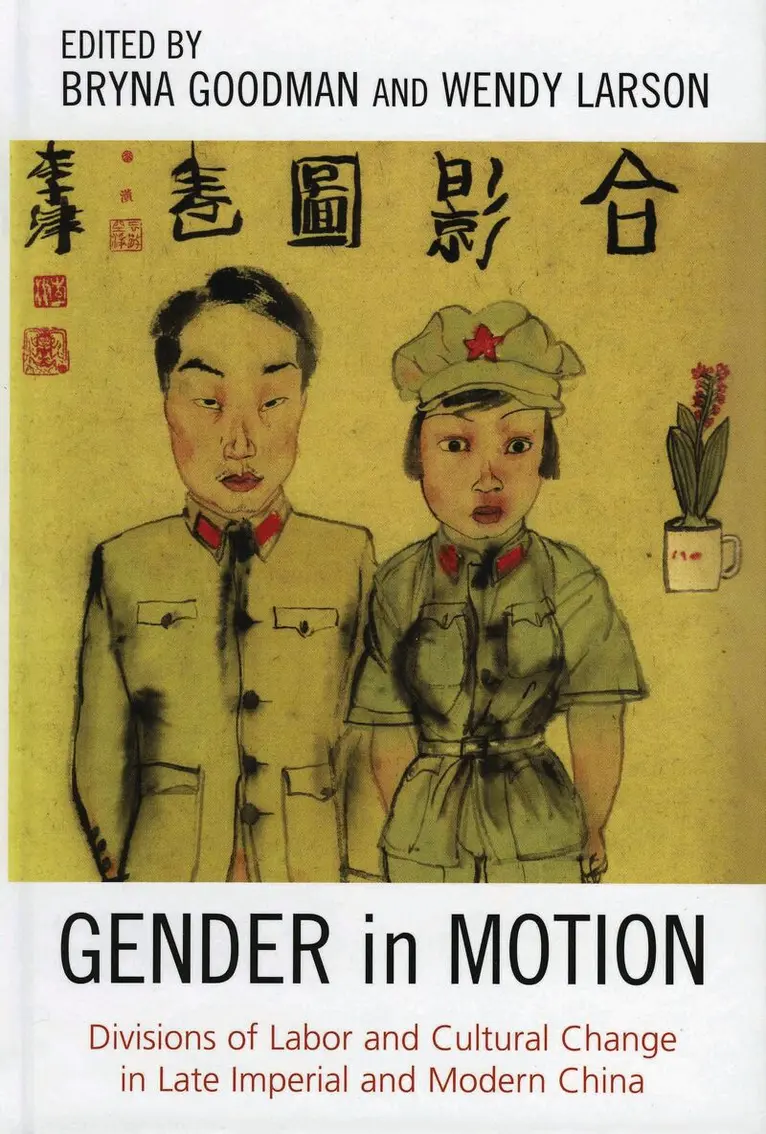
Gender in Motion
Divisions of Labor and Cultural Change in Late Imperial and Modern China
Av Bryna Goodman, Wendy Larson
Häftad, 2005
618 kr
Lägg i varukorg
Bringing together the work of distinguished China historians, anthropologists, and literary and film scholars, Gender in Motion raises provocative questions about the diversity of gender practices during the late imperial society and the persistence and transformation of older gender ideologies …
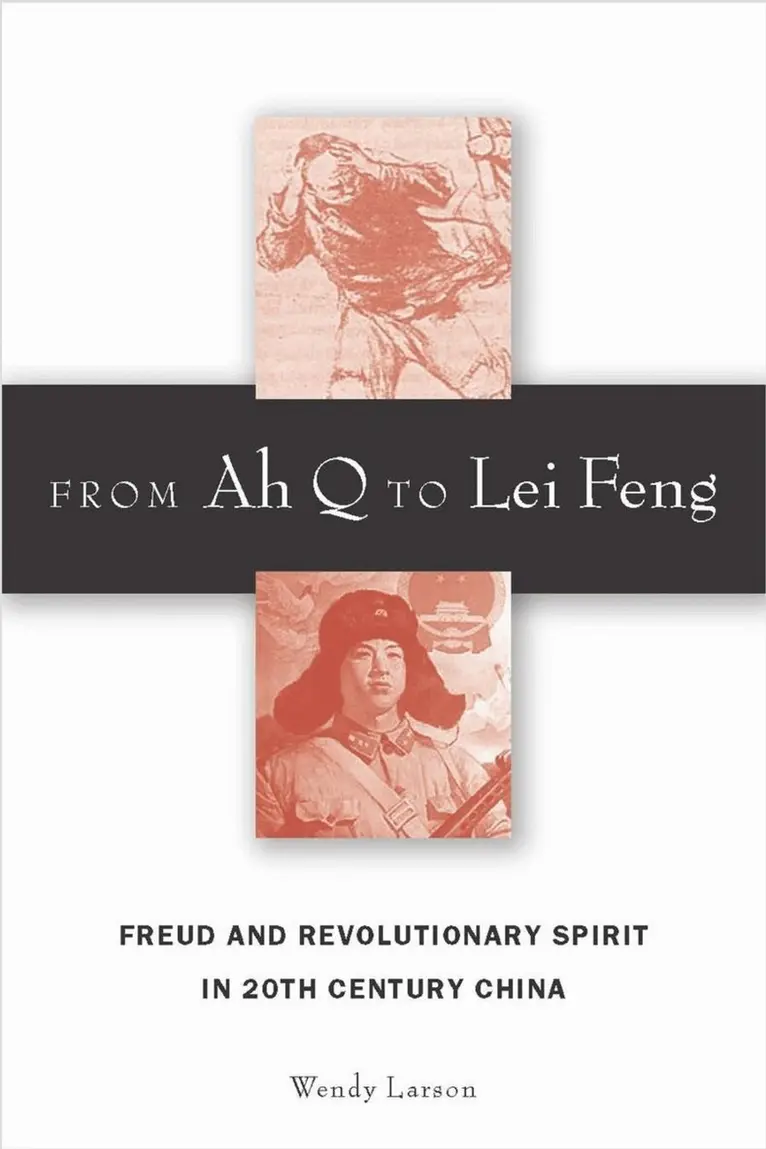
From Ah Q to Lei Feng
Freud and Revolutionary Spirit in 20th Century China
Av Wendy Larson
Inbunden, 2008
984 kr
Lägg i varukorg
When Freudian sexual theory hit China in the early 20th century, it ran up against competing models of the mind from both Chinese tradition and the new revolutionary culture. Chinese theorists of the mind—both traditional intellectuals and revolutionary psychologists— steadily put forward the …
Women and Writing in Modern China
Av Wendy Larson
Inbunden, 1998
1040 kr
Lägg i varukorg
Analyzing the protracted cultural debate in modern China over what and how women should write, this book focuses on two concepts of great importance in Chinese literary modernization—the new, liberated woman and the new, autonomous writing.Throughout the Ming and Qing dynasties, women's moral …
From Ah Q to Lei Feng
Freud and Revolutionary Spirit in 20th Century China
Av Wendy Larson
E-bok, 2008
1080 kr
Lägg i varukorg
When Freudian sexual theory hit China in the early 20th century, it ran up against competing models of the mind from both Chinese tradition and the new revolutionary culture. Chinese theorists of the mind—both traditional intellectuals and revolutionary psychologists— steadily put forward the …
Zhang Yimou
Globalization and the Subject of Culture
Av Wendy Larson
Inbunden, 2017
1630 kr
Lägg i varukorg
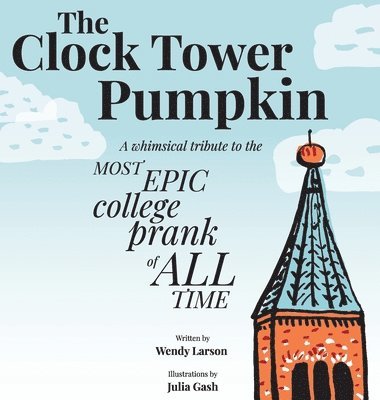
The Clock Tower Pumpkin: A whimsical tribute to the most epic college prank of all time
Av Wendy Larson
Inbunden, 2025
423 kr
Lägg i varukorg
Dragon Day
A whimsical tribute to the most epic college tradition of all time
Av Wendy Larson
Inbunden, 2026
348 kr
Lägg i varukorg
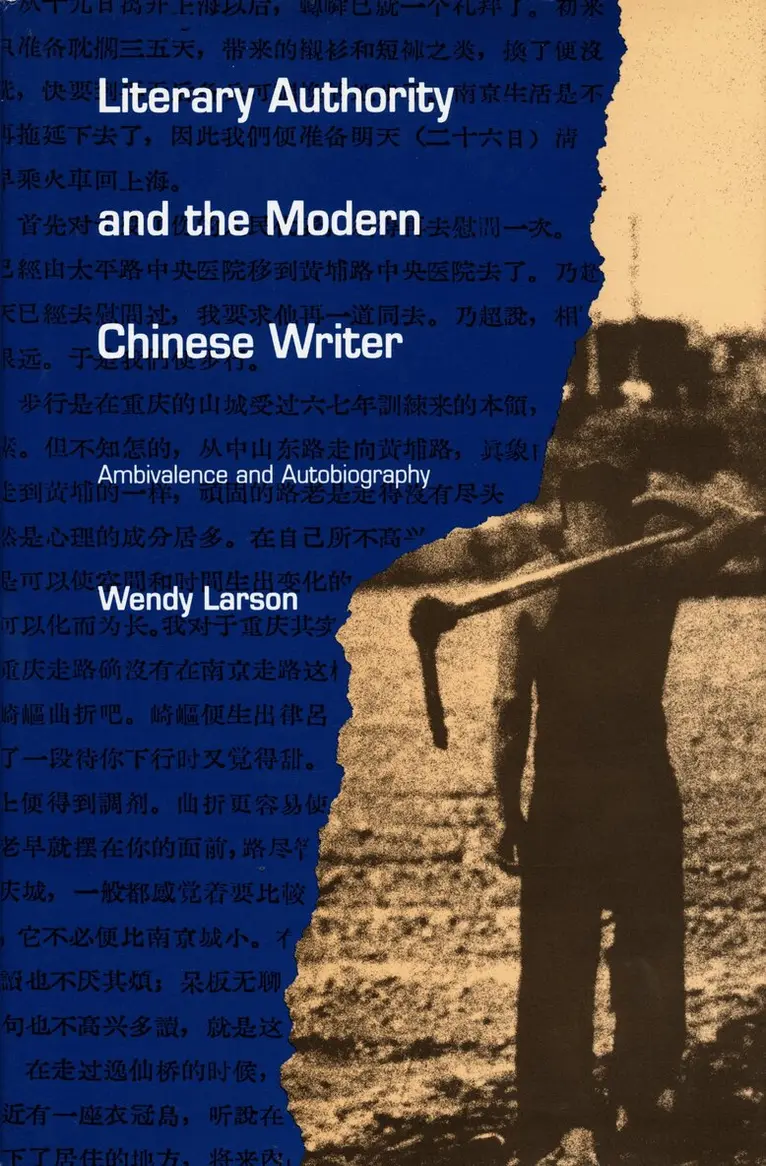
Literary Authority and the Modern Chinese Writer
Ambivalence and Autobiography
Av Wendy Larson
Inbunden, 1991
1104 kr
Tillfälligt slut
Throughout the twentieth century, Chinese writers have confronted the problem of creating a new literary tradition that both maintains the culturally unique aspects of a rich heritage and succeeds in promoting a new modernity. In the first book-length treatment of the topic, Wendy Larson examines …