Bryna Goodman - Böcker
Visar alla böcker från författaren Bryna Goodman. Handla med fri frakt och snabb leverans.
5 produkter
5 produkter
Twentieth Century Colonialism and China
Localities, the everyday, and the world
Inbunden, Engelska, 2012
2 160 kr
Skickas inom 10-15 vardagar
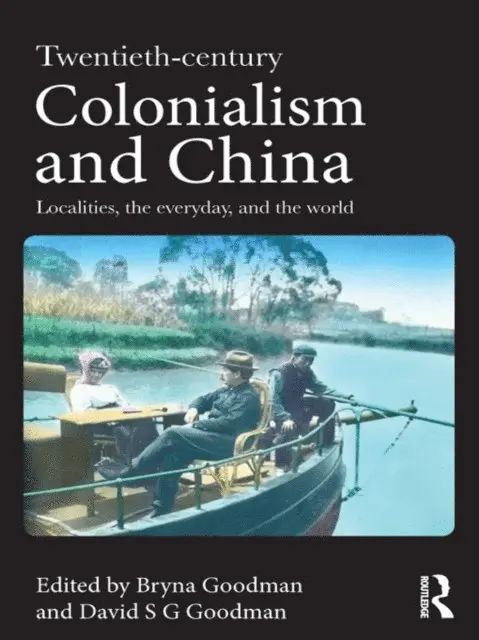
Colonialism in China was a piecemeal agglomeration that achieved its greatest extent in the first half of the twentieth century, the last edifices falling at the close of the century. The diversity of these colonial arrangements across China’s landscape defies systematic characterization.This book investigates the complexities and subtleties of colonialism in China during the first half of the twentieth century. In particular, the contributors examine the interaction between localities and forces of globalization that shaped the particular colonial experiences characterizing much of China’s experience at this time. In the process it is clear that an emphasis on interaction, synergy and hybridity can add much to an understanding of colonialism in Twentieth Century China based on the simple binaries of colonizer and colonized, of aggressor and victim, and of a one-way transfer of knowledge and social understanding. To provide some kind of order to the analysis, the chapters in this volume deal in separate sections with colonial institutions of hybridity, colonialism in specific settings, the social biopolitics of colonialism, colonial governance, and Chinese networks in colonial environments.Bringing together an international team of experts, Twentieth Century Colonialism and China is an essential resource for students and scholars of modern Chinese history and colonialism and imperialism.
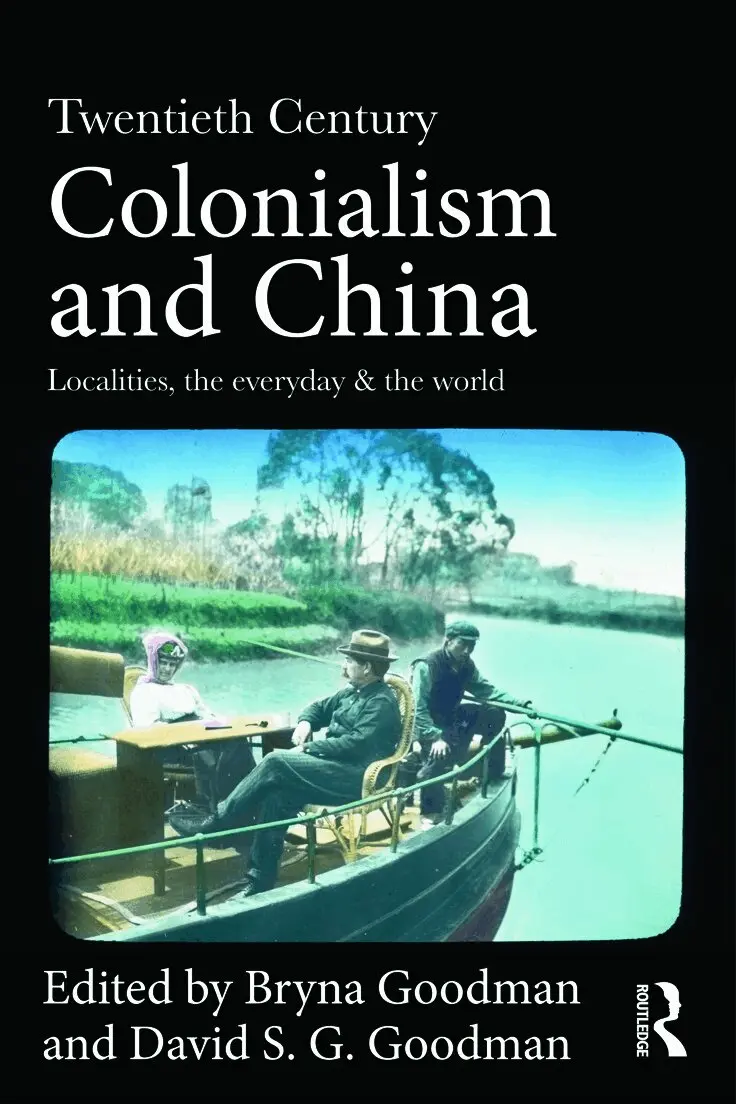
Twentieth Century Colonialism and China
Localities, the everyday, and the world
Häftad, Engelska, 2012
750 kr
Skickas inom 10-15 vardagar
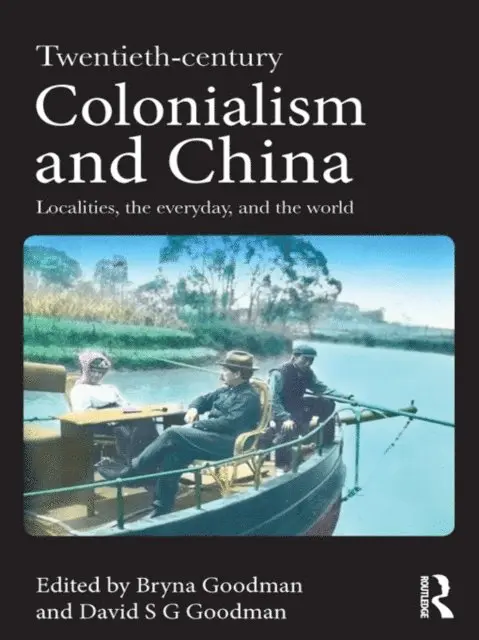
Colonialism in China was a piecemeal agglomeration that achieved its greatest extent in the first half of the twentieth century, the last edifices falling at the close of the century. The diversity of these colonial arrangements across China’s landscape defies systematic characterization.This book investigates the complexities and subtleties of colonialism in China during the first half of the twentieth century. In particular, the contributors examine the interaction between localities and forces of globalization that shaped the particular colonial experiences characterizing much of China’s experience at this time. In the process it is clear that an emphasis on interaction, synergy and hybridity can add much to an understanding of colonialism in Twentieth Century China based on the simple binaries of colonizer and colonized, of aggressor and victim, and of a one-way transfer of knowledge and social understanding. To provide some kind of order to the analysis, the chapters in this volume deal in separate sections with colonial institutions of hybridity, colonialism in specific settings, the social biopolitics of colonialism, colonial governance, and Chinese networks in colonial environments.Bringing together an international team of experts, Twentieth Century Colonialism and China is an essential resource for students and scholars of modern Chinese history and colonialism and imperialism.
Native Place, City, and Nation
Regional Networks and Identities in Shanghai, 1853–1937
Inbunden, Engelska, 1995
1 031 kr
Skickas inom 3-6 vardagar
This book explores the role of native place associations in the development of modern Chinese urban society and the role of native-place identity in the development of urban nationalism. From the late nineteenth to the early twentieth century, sojourners from other provinces dominated the population of Shanghai and other expanding commercial Chinese cities. These immigrants formed native place associations beginning in the imperial period and persisting into the mid-twentieth century. Goodman examines the modernization of these associations and argues that under weak urban government, native place sentiment and organization flourished and had a profound effect on city life, social order and urban and national identity.
330 kr
Skickas
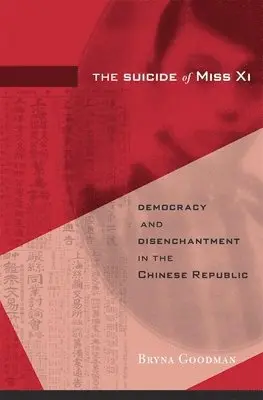
A suicide scandal in Shanghai reveals the social fault lines of democratic visions in China’s troubled Republic in the early 1920s.On September 8, 1922, the body of Xi Shangzhen was found hanging in the Shanghai newspaper office where she worked. Although her death occurred outside of Chinese jurisdiction, her US-educated employer, Tang Jiezhi, was kidnapped by Chinese authorities and put on trial. In the unfolding scandal, novelists, filmmakers, suffragists, reformers, and even a founding member of the Chinese Communist Party seized upon the case as emblematic of deep social problems. Xi’s family claimed that Tang had pressured her to be his concubine; his conviction instead for financial fraud only stirred further controversy.The creation of a republic ten years earlier had inspired a vision of popular sovereignty and citizenship premised upon gender equality and legal reform. After the quick suppression of the first Chinese parliament, commercial circles took up the banner of democracy in their pursuit of wealth. But, Bryna Goodman shows, the suicide of an educated “new woman” exposed the emptiness of republican democracy after a flash of speculative finance gripped the city. In the shadow of economic crisis, Tang’s trial also exposed the frailty of legal mechanisms in a political landscape fragmented by warlords and enclaves of foreign colonial rule.The Suicide of Miss Xi opens a window onto how urban Chinese in the early twentieth century navigated China’s early passage through democratic populism, in an ill-fated moment of possibility between empire and party dictatorship. Xi Shangzhen became a symbol of the failures of the Chinese Republic as well as the broken promises of citizen’s rights, gender equality, and financial prosperity betokened by liberal democracy and capitalism.
Gender in Motion
Divisions of Labor and Cultural Change in Late Imperial and Modern China
Häftad, Engelska, 2005
685 kr
Skickas inom 5-8 vardagar
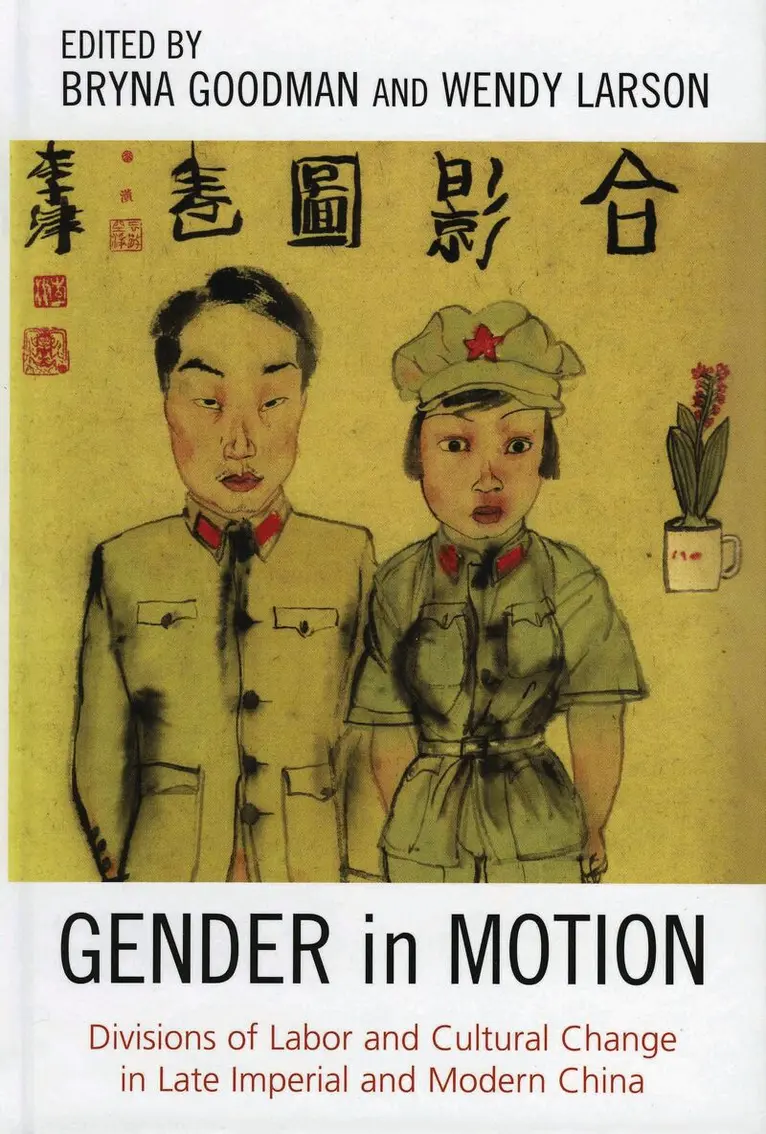
Bringing together the work of distinguished China historians, anthropologists, and literary and film scholars, Gender in Motion raises provocative questions about the diversity of gender practices during the late imperial society and the persistence and transformation of older gender ideologies under the conditions of modernity in China. While several studies have investigated gender or labor in late imperial and twentieth century China, this book brings these two concepts together, asking how these two categories interacted and produced new social practices and theories. Individual chapters examine agricultural and urban work, travel within China, overseas study, polyandry, the acting profession, courtesan culture, female politicians, Maoist work culture, and the boundaries of virtue and respectability.Governing notions of the social order (and interrelated constructions of gender) changed radically in the modern era—initially with the questioning of the imperial, dynastic order and the creation of a Chinese republic in the early twentieth century, later with the creation of a Communist government and, most recently, with China's political and cultural transformations in the post-Mao era. As ideas and practices of gender have changed, the persistence of older rhetorical signs in the interstices of new political visions has complicated the social projects and understandings of modernity, especially in terms of the creation of new public spaces, new concepts of work and virtue, and new configurations of gender.Contributions by: Madeleine Yue Dong, Bryna Goodman, Gail Hershatter, Ellen R. Judd, Joan Judge, Wendy Larson, Susan Mann, Kenneth L. Pomeranz, Tze-lan Deborah Sang, Matthew H. Sommer, Luo Suwen, Catherine Vance Yeh, and Wang Zheng.