Whitney Crothers Dilley - Böcker
Visar alla böcker från författaren Whitney Crothers Dilley. Handla med fri frakt och snabb leverans.
8 produkter
8 produkter
883 kr
Skickas inom 7-10 vardagar
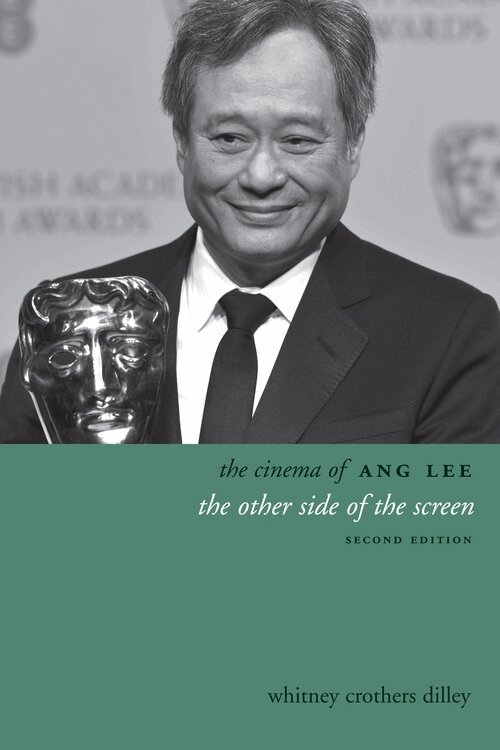
Born in Taiwan, Ang Lee is one of cinema's most versatile and daring directors. His ability to cut across cultural, national, and sexual boundaries has given him recognition in all corners of the world, the ability to work with complete artistic freedom whether inside or outside of Hollywood, and two Academy Awards for Best Director. He has won astounding critical acclaim for Crouching Tiger, Hidden Dragon (2000), which transformed the status of martial arts films across the globe, Brokeback Mountain (2005), which challenged the reception and presentation of homosexuality in mainstream cinema, and Life of Pi (2012), Lee's first use of groundbreaking 3D technology and his first foray into complex spiritual themes.In this volume, the only full-length study of Lee's work, Whitney Crothers Dilley analyzes all of his career to date: Lee's early Chinese trilogy films (including The Wedding Banquet, 1993, and Eat Drink Man Woman, 1994), period drama (Sense and Sensibility, 1995), martial arts (Crouching Tiger, Hidden Dragon, 2000), blockbusters (Hulk, 2003), and intimate portraits of wartime psychology, from the Confederate side of the Civil War (Ride with the Devil, 1999) to Japanese-occupied Shanghai (Lust/Caution, 2007). Dilley examines Lee's favored themes such as father/son relationships and intergenerational conflict in The Ice Storm (1997) and Taking Woodstock (2009). By looking at the beginnings of Lee's career, Dilley positions the filmmaker's work within the roots of the Taiwan New Cinema movement, as well as the larger context of world cinema. Using suggestive readings of both gender and identity, this new study not only provides a valuable academic resource but also an enjoyable read that uncovers the enormous appeal of this acclaimed director.
274 kr
Skickas inom 7-10 vardagar
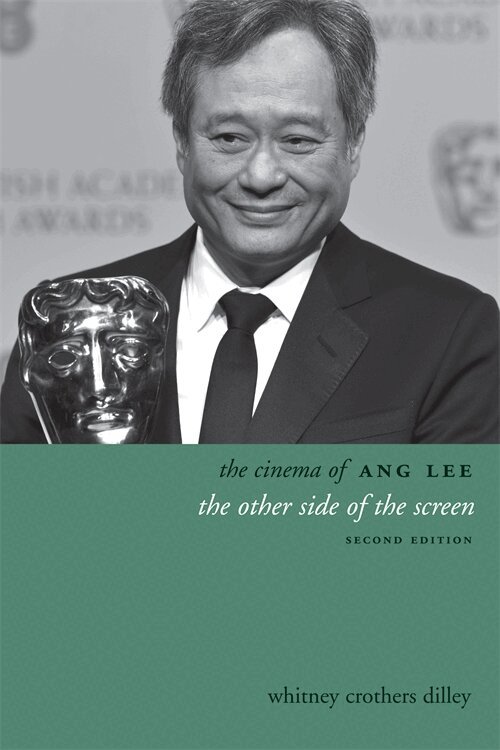
Born in Taiwan, Ang Lee is one of cinema's most versatile and daring directors. His ability to cut across cultural, national, and sexual boundaries has given him recognition in all corners of the world, the ability to work with complete artistic freedom whether inside or outside of Hollywood, and two Academy Awards for Best Director. He has won astounding critical acclaim for Crouching Tiger, Hidden Dragon (2000), which transformed the status of martial arts films across the globe, Brokeback Mountain (2005), which challenged the reception and presentation of homosexuality in mainstream cinema, and Life of Pi (2012), Lee's first use of groundbreaking 3D technology and his first foray into complex spiritual themes.In this volume, the only full-length study of Lee's work, Whitney Crothers Dilley analyzes all of his career to date: Lee's early Chinese trilogy films (including The Wedding Banquet, 1993, and Eat Drink Man Woman, 1994), period drama (Sense and Sensibility, 1995), martial arts (Crouching Tiger, Hidden Dragon, 2000), blockbusters (Hulk, 2003), and intimate portraits of wartime psychology, from the Confederate side of the Civil War (Ride with the Devil, 1999) to Japanese-occupied Shanghai (Lust/Caution, 2007). Dilley examines Lee's favored themes such as father/son relationships and intergenerational conflict in The Ice Storm (1997) and Taking Woodstock (2009). By looking at the beginnings of Lee's career, Dilley positions the filmmaker's work within the roots of the Taiwan New Cinema movement, as well as the larger context of world cinema. Using suggestive readings of both gender and identity, this new study not only provides a valuable academic resource but also an enjoyable read that uncovers the enormous appeal of this acclaimed director.
883 kr
Skickas inom 7-10 vardagar
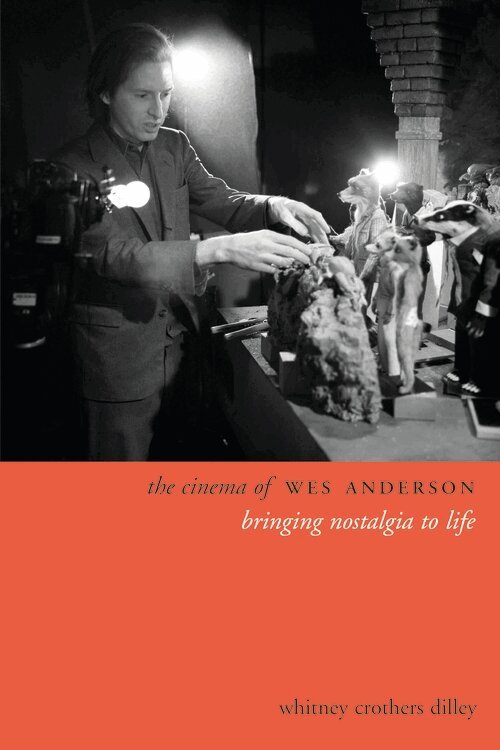
Wes Anderson is considered one of the most important directors of the post-Baby Boom generation, making films such as Rushmore (1998) and The Royal Tenenbaums (2001) in a style so distinctive that his films are often recognizable from a single frame. Through the travelogue The Darjeeling Limited (2007) and the stop-motion animation of Fantastic Mr. Fox (2009), his films examine issues of gender, race, and class through dysfunctional family dynamics, with particular focus on masculinity and male bonding. Anderson's auteur status is enriched by his fascination with Truffaut and the French New Wave, as well as his authorship of every one of his screenplays, drawing on influences as diverse as Mark Twain, J. D. Salinger, Roald Dahl, and Stefan Zweig. Works such as Moonrise Kingdom (2012) and The Grand Budapest Hotel (2014) continue to fascinate with their postmodern, hyper-nostalgic attention to detail. This book explores the filmic and literary influences that have helped make Anderson a major voice in 21st century "indie" culture, and reveals why Wes Anderson is one of the most inventive filmmakers working in cinema today.
258 kr
Skickas inom 7-10 vardagar
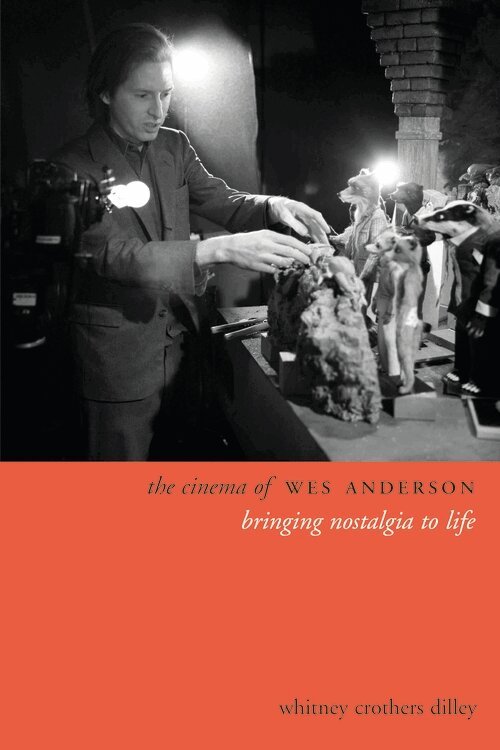
Wes Anderson is considered one of the most important directors of the post-Baby Boom generation, making films such as Rushmore (1998) and The Royal Tenenbaums (2001) in a style so distinctive that his films are often recognizable from a single frame. Through the travelogue The Darjeeling Limited (2007) and the stop-motion animation of Fantastic Mr. Fox (2009), his films examine issues of gender, race, and class through dysfunctional family dynamics, with particular focus on masculinity and male bonding. Anderson's auteur status is enriched by his fascination with Truffaut and the French New Wave, as well as his authorship of every one of his screenplays, drawing on influences as diverse as Mark Twain, J. D. Salinger, Roald Dahl, and Stefan Zweig. Works such as Moonrise Kingdom (2012) and The Grand Budapest Hotel (2014) continue to fascinate with their postmodern, hyper-nostalgic attention to detail. This book explores the filmic and literary influences that have helped make Anderson a major voice in 21st century "indie" culture, and reveals why Wes Anderson is one of the most inventive filmmakers working in cinema today.
979 kr
Kommande
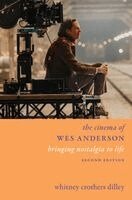
With his characteristic style often recognizable from a single frame, Wes Anderson is one of the most iconic directors in American cinema. His acclaimed and inventive films, such as Rushmore, The Royal Tenenbaums, Moonrise Kingdom, and The Grand Budapest Hotel, examine dysfunctional family dynamics, male bonding, first love, and the experience of grief and loss through a deeply personal and imaginative lens of nostalgia.In this book, Whitney Crothers Dilley explores the filmic and literary influences that have shaped Wes Anderson’s distinctive voice, revealing what makes him one of today’s most significant filmmakers. This analysis considers the director’s fascination with François Truffaut and the French New Wave and traces how Anderson has drawn on authors such as Mark Twain, F. Scott Fitzgerald, J. D. Salinger, Roald Dahl, Stefan Zweig, and James Baldwin. Dilley discusses how Anderson’s films treat questions of gender, race, and class and analyzes his meticulously detailed yet pseudohistorical representations of the past.This second edition of The Cinema of Wes Anderson adds discussion of the films the director has released since the book’s original publication in 2017: Isle of Dogs, The French Dispatch, Asteroid City, and The Phoenician Scheme, as well as a series of short films for Netflix based on stories by Roald Dahl, including the Academy Award–winning The Wonderful Story of Henry Sugar. Fully updated throughout, it remains the definitive account of the life’s work of a beloved and influential director.
331 kr
Kommande
With his characteristic style often recognizable from a single frame, Wes Anderson is one of the most iconic directors in American cinema. His acclaimed and inventive films, such as Rushmore, The Royal Tenenbaums, Moonrise Kingdom, and The Grand Budapest Hotel, examine dysfunctional family dynamics, male bonding, first love, and the experience of grief and loss through a deeply personal and imaginative lens of nostalgia.In this book, Whitney Crothers Dilley explores the filmic and literary influences that have shaped Wes Anderson’s distinctive voice, revealing what makes him one of today’s most significant filmmakers. This analysis considers the director’s fascination with François Truffaut and the French New Wave and traces how Anderson has drawn on authors such as Mark Twain, F. Scott Fitzgerald, J. D. Salinger, Roald Dahl, Stefan Zweig, and James Baldwin. Dilley discusses how Anderson’s films treat questions of gender, race, and class and analyzes his meticulously detailed yet pseudohistorical representations of the past.This second edition of The Cinema of Wes Anderson adds discussion of the films the director has released since the book’s original publication in 2017: Isle of Dogs, The French Dispatch, Asteroid City, and The Phoenician Scheme, as well as a series of short films for Netflix based on stories by Roald Dahl, including the Academy Award–winning The Wonderful Story of Henry Sugar. Fully updated throughout, it remains the definitive account of the life’s work of a beloved and influential director.
2 496 kr
Skickas inom 10-15 vardagar
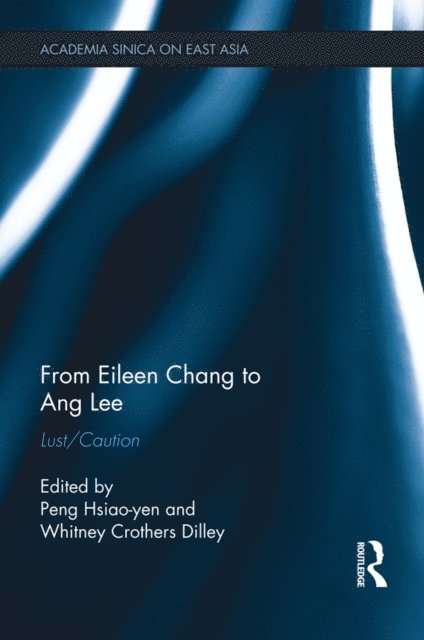
In 2007, Ang Lee made an espionage thriller based on the short story "Lust, Caution" by Eileen Chang, China’s most famous female author of the twentieth century. The release of the film became a trigger for heated debates on issues of national identity and political loyalty, and brought unexpectedly harsh criticism from China, where Ang Lee was labelled a traitor in scathing internet critiques, whilst the film's leading actress Tang Wei was banned from appearing on screen for two years. This book analyses Ang Lee’s art of film adaptation through the lens of modern literary and film theory, as well as featuring detailed readings and analyses of different dialogues and scenes, directorial and authorial decisions and intentions, while at the same time confronting the intense political debates resulting from the film’s subject matter. The theories of Freud, Lacan, Deleuze, Bataille and others are used to identify and clarify issues raised by the film related to gender, sexuality, eroticism, power, manipulation, and betrayal; the themes of lust and caution are dealt with in conjunction with the controversial issues of contemporary political consciousness concerning patriotism, and the Sino-Japanese War complicated by divided historical experiences and cross-Taiwan Strait relationships. The contributors to this volume cover translation and adaptation, loyalty and betrayal, collaboration and manipulation, playing roles and performativity, whilst at the same time intertwining these with issues of national identity, political loyalty, collective memory, and gender. As such, the book will appeal to students and scholars of Chinese and Asian cinema and literature, as well as those interested in modern Chinese history and cultural studies.
832 kr
Skickas inom 10-15 vardagar
In 2007, Ang Lee made an espionage thriller based on the short story "Lust, Caution" by Eileen Chang, China’s most famous female author of the twentieth century. The release of the film became a trigger for heated debates on issues of national identity and political loyalty, and brought unexpectedly harsh criticism from China, where Ang Lee was labelled a traitor in scathing internet critiques, whilst the film's leading actress Tang Wei was banned from appearing on screen for two years. This book analyses Ang Lee’s art of film adaptation through the lens of modern literary and film theory, as well as featuring detailed readings and analyses of different dialogues and scenes, directorial and authorial decisions and intentions, while at the same time confronting the intense political debates resulting from the film’s subject matter. The theories of Freud, Lacan, Deleuze, Bataille and others are used to identify and clarify issues raised by the film related to gender, sexuality, eroticism, power, manipulation, and betrayal; the themes of lust and caution are dealt with in conjunction with the controversial issues of contemporary political consciousness concerning patriotism, and the Sino-Japanese War complicated by divided historical experiences and cross-Taiwan Strait relationships. The contributors to this volume cover translation and adaptation, loyalty and betrayal, collaboration and manipulation, playing roles and performativity, whilst at the same time intertwining these with issues of national identity, political loyalty, collective memory, and gender. As such, the book will appeal to students and scholars of Chinese and Asian cinema and literature, as well as those interested in modern Chinese history and cultural studies.