William A. Edmundson – författare
Visar alla böcker från författaren William A. Edmundson. Handla med fri frakt och snabb leverans.
14 produkter
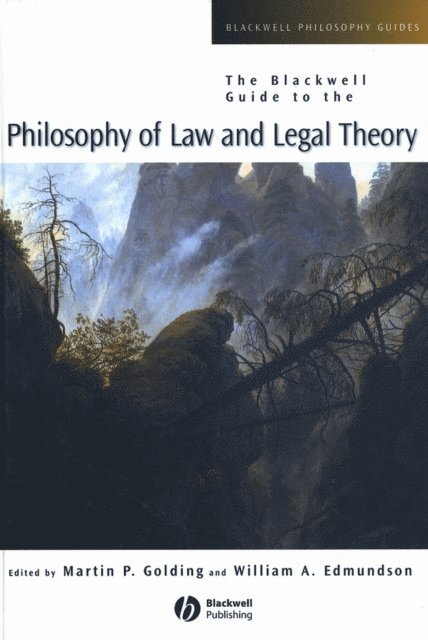
Blackwell Guide to the Philosophy of Law and Legal Theory
Av William A. Edmundson, Martin P. Golding
E-bok, 2008
554 kr
Lägg i varukorg
The Blackwell Guide to the Philosophy of Law and Legal Theory is a handy guide to the state of play in contemporary philosophy of law and legal theory. Comprises 23 essays critical essays on the central themes and issues of the philosophy of law today, written by an international assembly of …
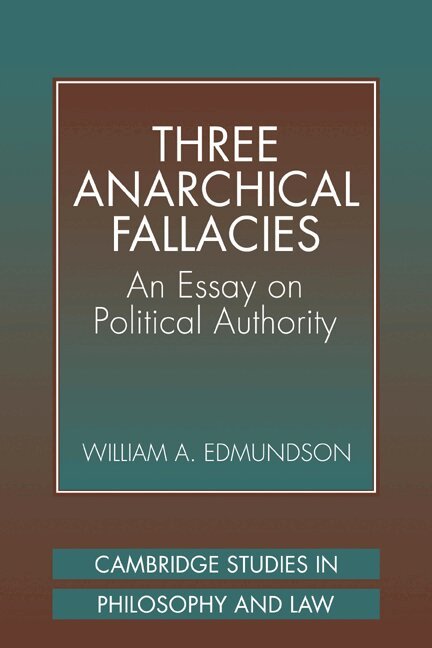
Three Anarchical Fallacies
An Essay on Political Authority
Häftad, 2007
569 kr
Lägg i varukorg
How is a legitimate state possible? Obedience, coercion and intrusion are three ideas that seem inseparable from all government and seem to render state authority presumptively illegitimate. This book exposes three fallacies inspired by these ideas and in doing so challenges assumptions shared by …
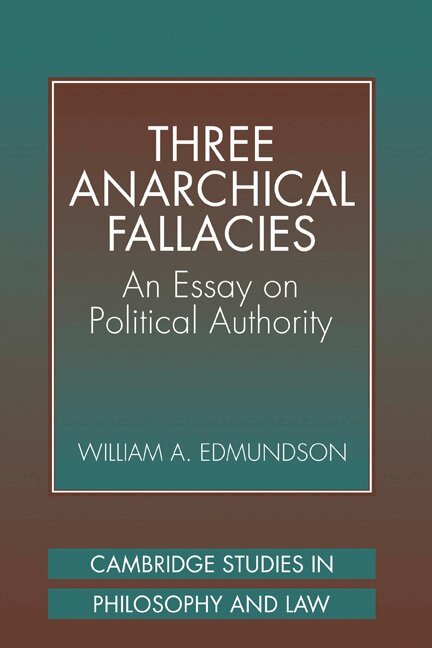
Three Anarchical Fallacies
An Essay on Political Authority
Inbunden, 1998
1563 kr
Lägg i varukorg
How is a legitimate state possible? Obedience, coercion and intrusion are three ideas that seem inseparable from all government and seem to render state authority presumptively illegitimate. This book exposes three fallacies inspired by these ideas and in doing so challenges assumptions shared by …
Blackwell Guide to the Philosophy of Law and Legal Theory
Häftad, 2004
481 kr
Lägg i varukorg
The Blackwell Guide to the Philosophy of Law and Legal Theory is a handy guide to the state of play in contemporary philosophy of law and legal theory. Comprises 23 essays critical essays on the central themes and issues of the philosophy of law today, written by an international assembly of …
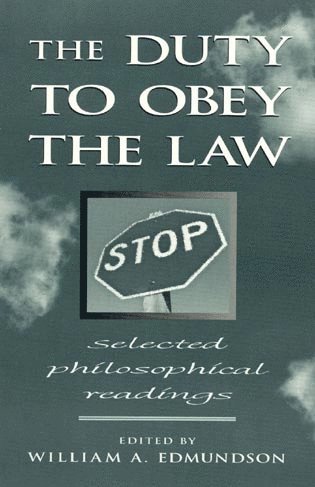
Duty to Obey the Law
Selected Philosophical Readings
Inbunden, 1998
1697 kr
Lägg i varukorg
The question, "Why should I obey the law?" introduces a contemporary puzzle that is as old as philosophy itself. The puzzle is especially troublesome if we think of cases in which breaking the law is not otherwise wrongful, and in which the chances of getting caught are negligible. Philosophers …
Duty to Obey the Law
Selected Philosophical Readings
Häftad, 1998
782 kr
Lägg i varukorg
The question, "Why should I obey the law?" introduces a contemporary puzzle that is as old as philosophy itself. The puzzle is especially troublesome if we think of cases in which breaking the law is not otherwise wrongful, and in which the chances of getting caught are negligible. Philosophers …
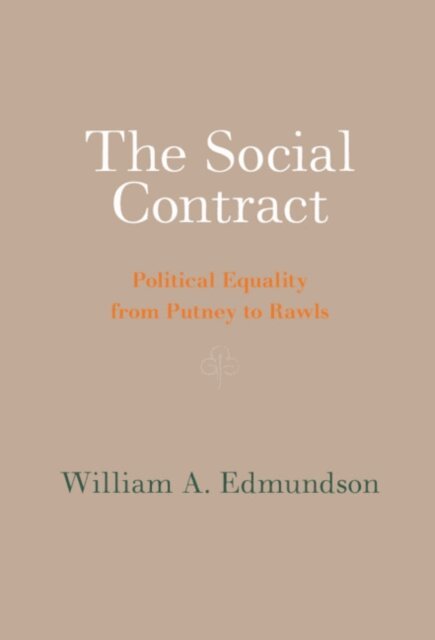
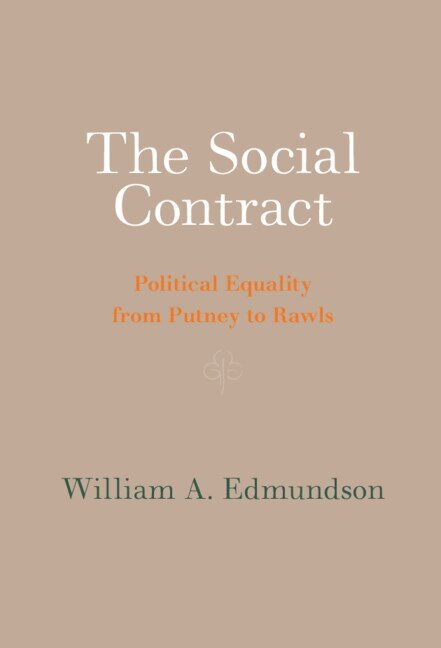
The Social Contract
Political Equality from Putney to Rawls
Inbunden, 2025
1563 kr
Lägg i varukorg
We are all parties to a social contract and obligated under it. Or is this mere fiction? How is such an agreement possible in a society riven by deep moral disagreement? William Edmundson explains the social-contract tradition from its beginnings in the English Revolution, through Hobbes, Locke, …
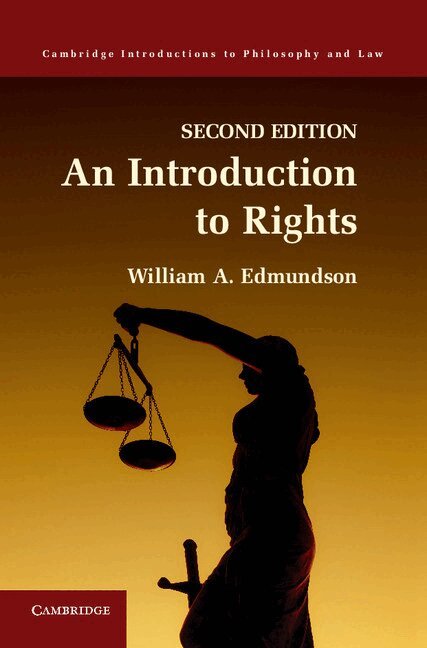
An Introduction to Rights
Inbunden, 2012
1115 kr
Lägg i varukorg
An Introduction to Rights is a readable and accessible introduction to the history, logic, moral implications and political tendencies of the idea of rights. It is organized chronologically and discusses important historical events such as the French and American Revolutions. It treats a range of …
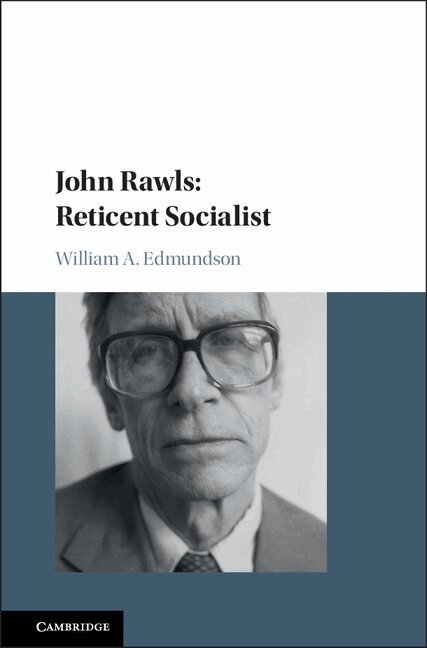
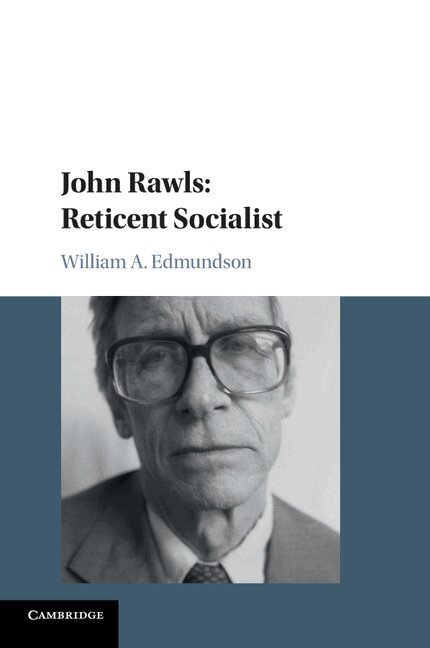
John Rawls: Reticent Socialist
Inbunden, 2017
1832 kr
Lägg i varukorg
This book is the first detailed reconstruction of the late work of John Rawls, who was perhaps the most influential philosopher of the twentieth century. Rawls's 1971 treatise, A Theory of Justice, stimulated an outpouring of commentary on 'justice-as-fairness,' his conception of justice for an …
An Introduction to Rights
Häftad, 2012
477 kr
Lägg i varukorg
An Introduction to Rights is a readable and accessible introduction to the history, logic, moral implications and political tendencies of the idea of rights. It is organized chronologically and discusses important historical events such as the French and American Revolutions. It treats a range of …
John Rawls: Reticent Socialist
Häftad, 2018
569 kr
Lägg i varukorg
This book is the first detailed reconstruction of the late work of John Rawls, who was perhaps the most influential philosopher of the twentieth century. Rawls's 1971 treatise, A Theory of Justice, stimulated an outpouring of commentary on 'justice-as-fairness,' his conception of justice for an …
Blackwell Guide to the Philosophy of Law and Legal Theory
Av MP Golding, Martin P. Golding m. fl.
E-bok, 2008
481 kr
Tillfälligt slut
Written by an international assembly of distinguished philosophers and legal theorists, The Blackwell Guide to the Philosophy of Law and Legal Theory brings into focus the central contemporary themes and issues in the area. Each of the 23 essays incorporates essential background material and …