
William A. Rugh – författare
Visar alla böcker från författaren William A. Rugh. Handla med fri frakt och snabb leverans.
5 produkter
5 produkter
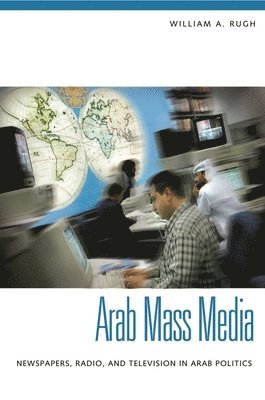
Inbunden, Engelska, 2004
826 kr
Skickas inom 10-15 vardagar
Since September 11, 2001, and the wars in Afghanistan and Iraq, many television viewers in the United States have become familiar with Al Jazeera as offering an alternative take on events from that presented by mainstream U.S. media, as well as disseminating anti-American invective. Westerners have tended toward simplistic views of Arab newspapers, radio, and television, assuming that they are all under government control and that freedom of press is non-existent. William A. Rugh, a long time observer of the Arab mass media, offers a more nuanced picture of the Arab press as it relates to the political situation in the Arab world today.Although governmental influence over the media is stronger in the Middle East than in Europe or the United States, Rugh argues that there is more diversity in the Arab media than most people in the West realize. In reality, the Arab media are coming to reflect the diversity and wide range of opinions of those within the Arab world itself. In particular, the advent of privately owned Arab satellite television in the 1990s has led to significant liberalization of the media throughout the region. Rugh concludes that a democracy of ideas and voices is slowly growing in the Arab world, and he remains guardedly optimistic about the positive role the Arab media can play in processes of democratization and nation-building.
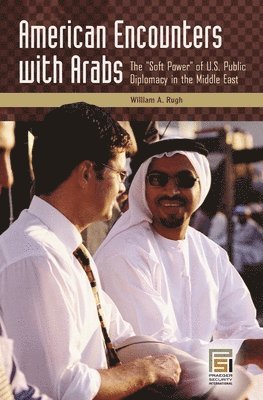
Inbunden, Engelska, 2005
690 kr
Skickas inom 10-15 vardagar
For sixty years, U.S. government officials have conducted public diplomacy programs to try to reach Arab public opinion—to inform, educate, and understand Arab attitudes. American public affairs officers have met serious challenges in the past, but Arab public criticism of the United States has reached unprecedented levels since September 11, 2001. Polls show that much of the negative opinion of the United States, especially in the Middle East, can be traced to dissatisfaction with U.S. foreign policy. Rugh, a retired career Foreign Service officer who twice served as ambassador to countries in the region, explains how U.S. government officials have dealt with key problem issues over the years, and he recommends ways that public diplomacy can better support and enhance U.S. national interests in the Middle East. This struggle for the hearts and minds of the Arab world, so crucial to the success of American efforts in post-occupation Iraq, is carried out through broadcasting, cultural contacts, and educational and professional exchanges.Rugh describes the difference between public diplomacy and propaganda. He points out that public diplomacy uses open means of communication and is truthful. Its four main components are explaining U.S. foreign policy to foreign publics; presenting them with a fair and balanced picture of American society, culture, and institutions; promoting mutual understanding; and advising U.S. policy makers on foreign attitudes. Public diplomacy supports the traditional diplomatic functions of official business between governments. Whereas diplomats from the United States deal with diplomats of foreign governments, public affairs officers deal with opinion leaders such as media editors, reporters, academics, student leaders, and prominent intellectuals and cultural personalities. Rugh provides an up-close-and-personal look at how public affairs officers do their jobs, how they used innovation in their efforts to meet the challenges of the past, and how they continue to do so in the post-September 11 era.
Häftad, Engelska, 2004
389 kr
Skickas inom 10-15 vardagar
Since September 11, 2001, and the wars in Afghanistan and Iraq, many television viewers in the United States have become familiar with Al Jazeera as offering an alternative take on events from that presented by mainstream U.S. media, as well as disseminating anti-American invective. Westerners have tended toward simplistic views of Arab newspapers, radio, and television, assuming that they are all under government control and that freedom of press is non-existent. William A. Rugh, a long time observer of the Arab mass media, offers a more nuanced picture of the Arab press as it relates to the political situation in the Arab world today.Although governmental influence over the media is stronger in the Middle East than in Europe or the United States, Rugh argues that there is more diversity in the Arab media than most people in the West realize. In reality, the Arab media are coming to reflect the diversity and wide range of opinions of those within the Arab world itself. In particular, the advent of privately owned Arab satellite television in the 1990s has led to significant liberalization of the media throughout the region. Rugh concludes that a democracy of ideas and voices is slowly growing in the Arab world, and he remains guardedly optimistic about the positive role the Arab media can play in processes of democratization and nation-building.
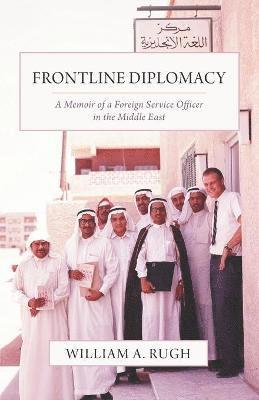
Häftad, Engelska, 2021
199 kr
Skickas inom 5-8 vardagar
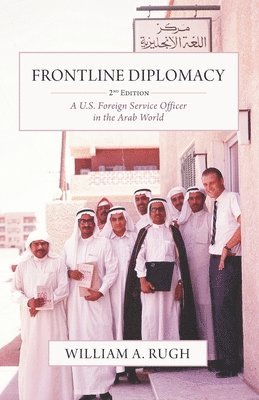
Häftad, Engelska, 2022
194 kr
Skickas inom 5-8 vardagar