William Arnal - Böcker
Visar alla böcker från författaren William Arnal. Handla med fri frakt och snabb leverans.
4 produkter
4 produkter
877 kr
Skickas inom 5-8 vardagar
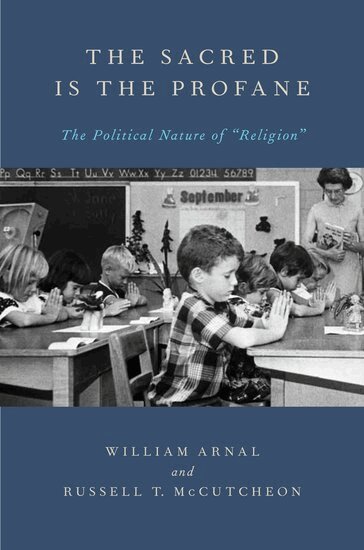
The Sacred is the Profane collects nine essays written over several years by William Arnal and Russell McCutcheon, specialists in two very different areas of the field (one, a scholar of Christian origins and the other working on the history of the modern study of religion). They share a convergent perspective: not simply that both the category and concept "religion" is a construct, something that we cannot assume to be "natural" or universal, but also that the ability to think and act "religiously" is, quite specifically, a modern, political category in its origins and effects, the mere by-product of modern secularism. These collected essays, substantially rewritten for this volume, advance current scholarly debates on secularism-debates which, the authors argue, insufficiently theorize the sacred/secular, church/state, and private/public binaries by presupposing religion (often under the guise of such terms as "religiosity," "faith," or "spirituality") to historically precede the nation-state. The essays return, again and again, to the question of what "religion"--word and concept--accomplishes, now, for those who employ it, whether at the popular, political, or scholarly level. The focus here for two writers from seemingly different fields is on the efficacy, costs, and the tactical work carried out by dividing the world between religious and political, church and state, sacred and profane. As the essays make clear, this is no simple matter. Part of the reason for the incoherence and at the same time the stubborn persistence of both the word and idea of "religion" is precisely its multi-faceted nature, its plurality, its amenability to multiple and often self-contradictory uses. Offering an argument that builds as they are read, these papers explore these uses, including the work done by positing a human orientation to "religion," the political investment in both the idea of religion and the academic study of religion, and the ways in which the field of religious studies works to shape, and stumbles against, its animating conception.
510 kr
Skickas inom 5-8 vardagar
The Sacred is the Profane collects nine essays written over several years by William Arnal and Russell McCutcheon, specialists in two very different areas of the field (one, a scholar of Christian origins and the other working on the history of the modern study of religion). They share a convergent perspective: not simply that both the category and concept "religion" is a construct, something that we cannot assume to be "natural" or universal, but also that the ability to think and act "religiously" is, quite specifically, a modern, political category in its origins and effects, the mere by-product of modern secularism. These collected essays, substantially rewritten for this volume, advance current scholarly debates on secularism-debates which, the authors argue, insufficiently theorize the sacred/secular, church/state, and private/public binaries by presupposing religion (often under the guise of such terms as "religiosity," "faith," or "spirituality") to historically precede the nation-state. The essays return, again and again, to the question of what "religion"--word and concept--accomplishes, now, for those who employ it, whether at the popular, political, or scholarly level. The focus here for two writers from seemingly different fields is on the efficacy, costs, and the tactical work carried out by dividing the world between religious and political, church and state, sacred and profane. As the essays make clear, this is no simple matter. Part of the reason for the incoherence and at the same time the stubborn persistence of both the word and idea of "religion" is precisely its multi-faceted nature, its plurality, its amenability to multiple and often self-contradictory uses. Offering an argument that builds as they are read, these papers explore these uses, including the work done by positing a human orientation to "religion," the political investment in both the idea of religion and the academic study of religion, and the ways in which the field of religious studies works to shape, and stumbles against, its animating conception.
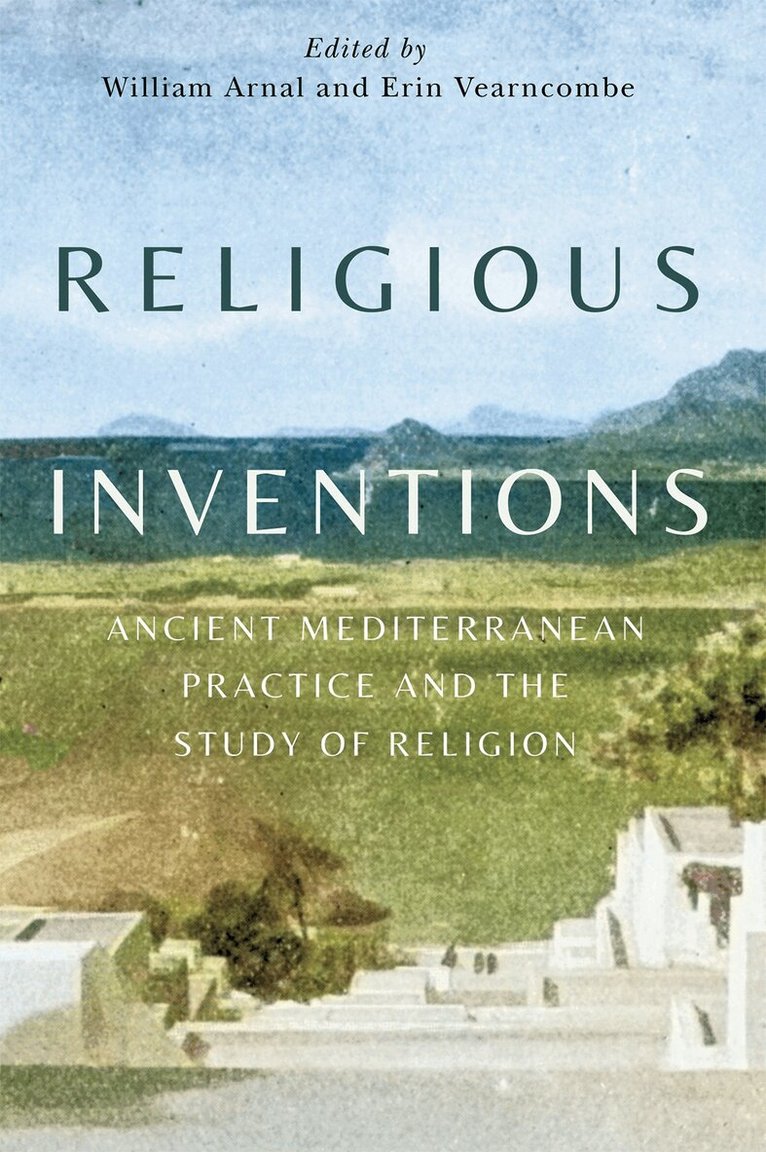
Religious Inventions
Ancient Mediterranean Practice and the Study of Religion
Inbunden, Engelska, 2025
1 200 kr
Skickas inom 11-20 vardagar
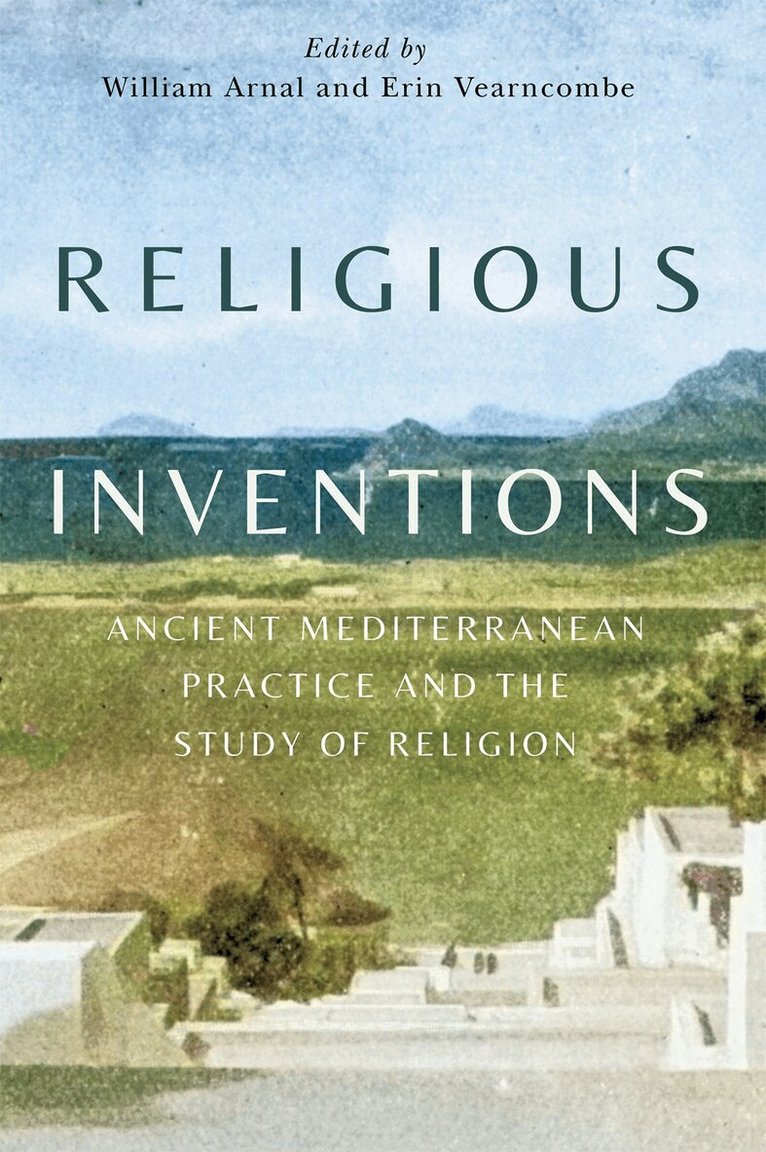
Religion is a modern invention, a category used to describe and study certain kinds of human behaviour. Yet when it comes to the ancient world and its texts – including those that comprise the Jewish and Christian Bibles – it can be easy to forget that they did not fall from the sky as simple expressions of dogma. Rather, the ancient writings of early Judaism and Christianity are firmly rooted in the world and are the product of an astonishing array of human experience and agency: acts of self-fashioning; of imaginative speculation; of mourning and memorializing; of forming, dissolving, or refashioning group identities; and more.Religious Inventions asks how modern conceptions of religion can shed light on the relics, textual and otherwise, of ancient Mediterranean Jews and Christians. What insights from the contemporary study of religious behaviours and practices challenge what we think we know about the ancient world? Conversely, how can thinking about the ancient world challenge what we think we know about religion today? This volume responds to these questions through explorations of the material and social circumstances behind the production of written artifacts. It examines how religious practices relate to conceptions of identity and critiques the utility of the comparative method for approaching ancient writings.Textual authority is used and abused by many of today's public figures. Religious Inventions offers an alternative approach to understanding how authority is constructed: from the ground up, by the creative actions and choices of real people who lived long ago.
441 kr
Skickas inom 7-10 vardagar
Religion is a modern invention, a category used to describe and study certain kinds of human behaviour. Yet when it comes to the ancient world and its texts – including those that comprise the Jewish and Christian Bibles – it can be easy to forget that they did not fall from the sky as simple expressions of dogma. Rather, the ancient writings of early Judaism and Christianity are firmly rooted in the world and are the product of an astonishing array of human experience and agency: acts of self-fashioning; of imaginative speculation; of mourning and memorializing; of forming, dissolving, or refashioning group identities; and more.Religious Inventions asks how modern conceptions of religion can shed light on the relics, textual and otherwise, of ancient Mediterranean Jews and Christians. What insights from the contemporary study of religious behaviours and practices challenge what we think we know about the ancient world? Conversely, how can thinking about the ancient world challenge what we think we know about religion today? This volume responds to these questions through explorations of the material and social circumstances behind the production of written artifacts. It examines how religious practices relate to conceptions of identity and critiques the utility of the comparative method for approaching ancient writings.Textual authority is used and abused by many of today's public figures. Religious Inventions offers an alternative approach to understanding how authority is constructed: from the ground up, by the creative actions and choices of real people who lived long ago.