William Bains – författare
Visar alla böcker från författaren William Bains. Handla med fri frakt och snabb leverans.
6 produkter
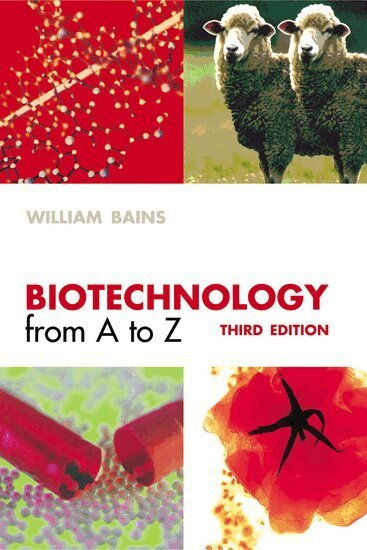
Biotechnology from A to Z
Häftad, 2003
1468 kr
Lägg i varukorg
This book provides a clear, practical and illuminating guide to the ideas and terminology of Biotechnology. Biotechnology is one of the fastest growing, most exciting, and most controversial areas of science and technology in the 21st Century, an industry worth billions and a political topic that …
Coping with Crisis
International Financial Institutions in the Interwar Period
Av William Bains, Makoto Kasuya
Inbunden, 2003
2281 kr
Lägg i varukorg
A comparative examination of financial institutions in the interwar period focusing on the UK, the US, Germany, France, and Japan. In this latest addition to the prestigious Fuji Business History series, the contributors to the volume analyse the ways in which different institutions coped with the …
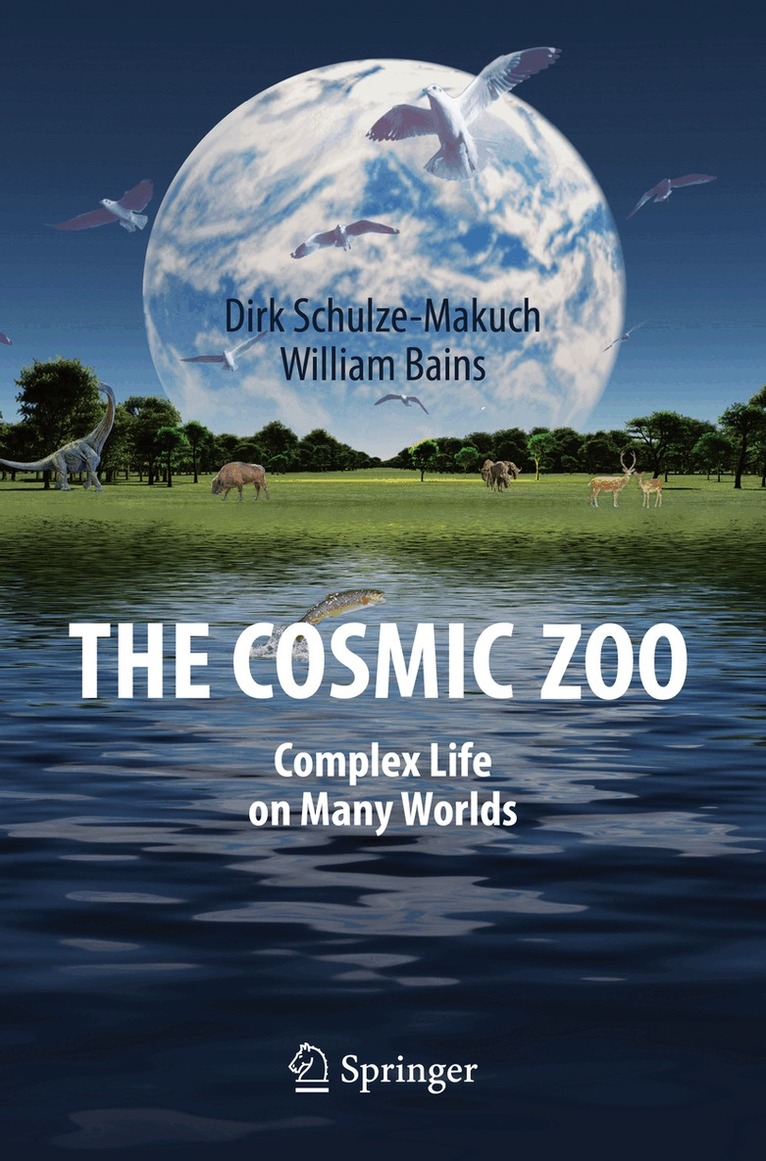
Cosmic Zoo
Complex Life on Many Worlds
Av Dirk Schulze-Makuch, William Bains
Häftad, 2017
585 kr
Lägg i varukorg
Are humans a galactic oddity, or will complex life with human abilities develop on planets with environments that remain habitable for long enough? In a clear, jargon-free style, two leading researchers in the burgeoning field of astrobiology critically examine the major evolutionary steps that led …
Cosmic Zoo
Complex Life on Many Worlds
Av William Bains, Dirk Schulze-Makuch
E-bok, 2017
897 kr
Lägg i varukorg
Are humans a galactic oddity, or will complex life with human abilities develop on planets with environments that remain habitable for long enough? In a clear, jargon-free style, two leading researchers in the burgeoning field of astrobiology critically examine the major evolutionary steps that led …
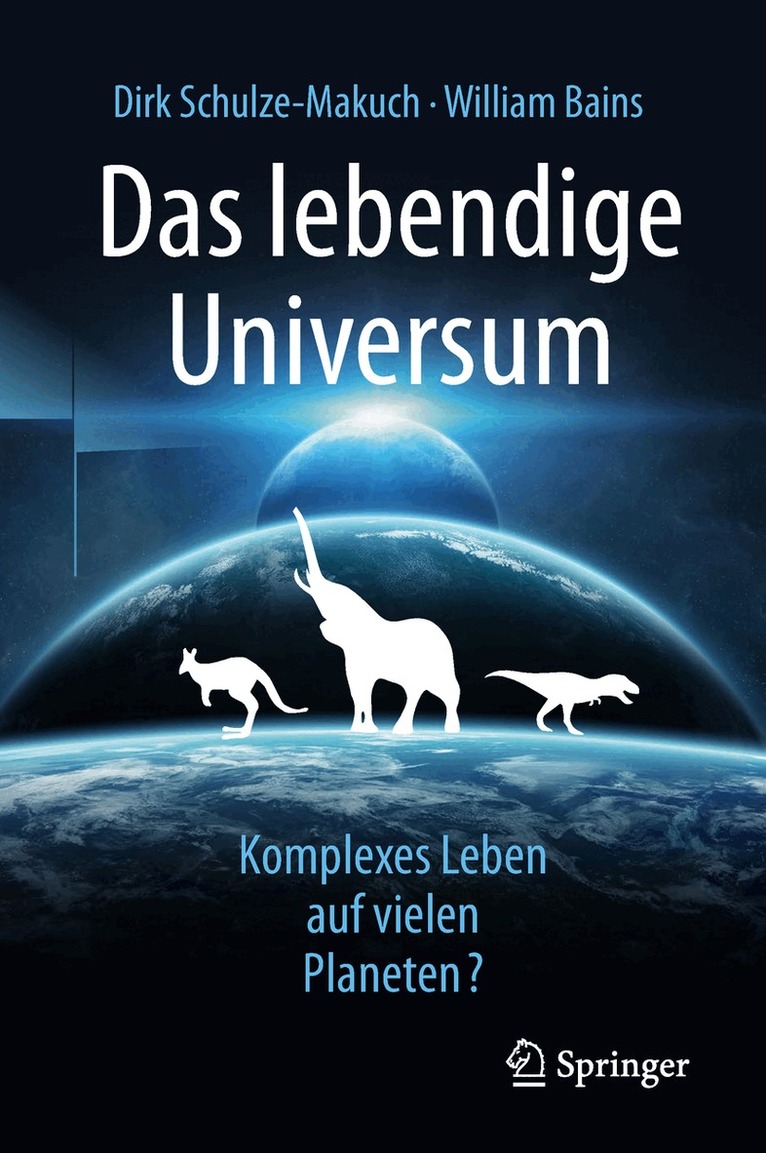
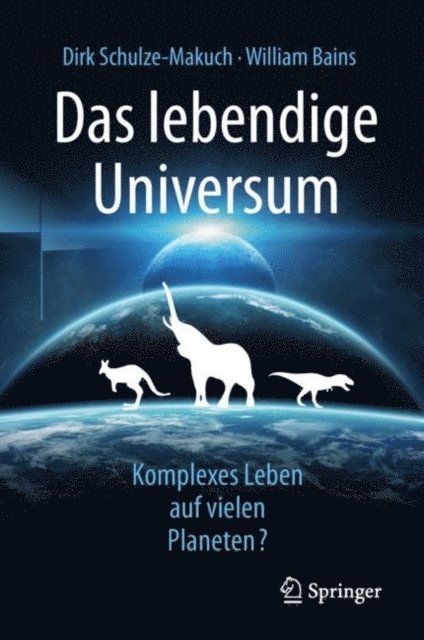
Das lebendige Universum
Komplexes Leben auf vielen Planeten?
Av Dirk Schulze-Makuch, William Bains
Inbunden, 2019
466 kr
Lägg i varukorg
Sind wir allein im Universum? Dieses Buch bietet eine einzigartige Perspektive auf die Frage, die die Menschheit von Anbeginn beschäftigt. In klarem und allgemein verständlichem Stil untersuchen zwei führende Forscher aus der Astrobiologie die verschiedenen Wege, die zu einer vielfältigen Biosphäre …
Das lebendige Universum
Komplexes Leben auf vielen Planeten?
Av William Bains, Dirk Schulze-Makuch
E-bok, 2019
489 kr
Lägg i varukorg
Sind wir allein im Universum? Dieses Buch bietet eine einzigartige Perspektive auf die Frage, die die Menschheit von Anbeginn beschäftigt. In klarem und allgemein verständlichem Stil untersuchen zwei führende Forscher aus der Astrobiologie die verschiedenen Wege, die zu einer vielfältigen Biosphäre …