
William Craft Brumfield – författare
Visar alla böcker från författaren William Craft Brumfield. Handla med fri frakt och snabb leverans.
6 produkter
6 produkter
Häftad, Engelska, 2015
423 kr
Skickas inom 5-8 vardagar
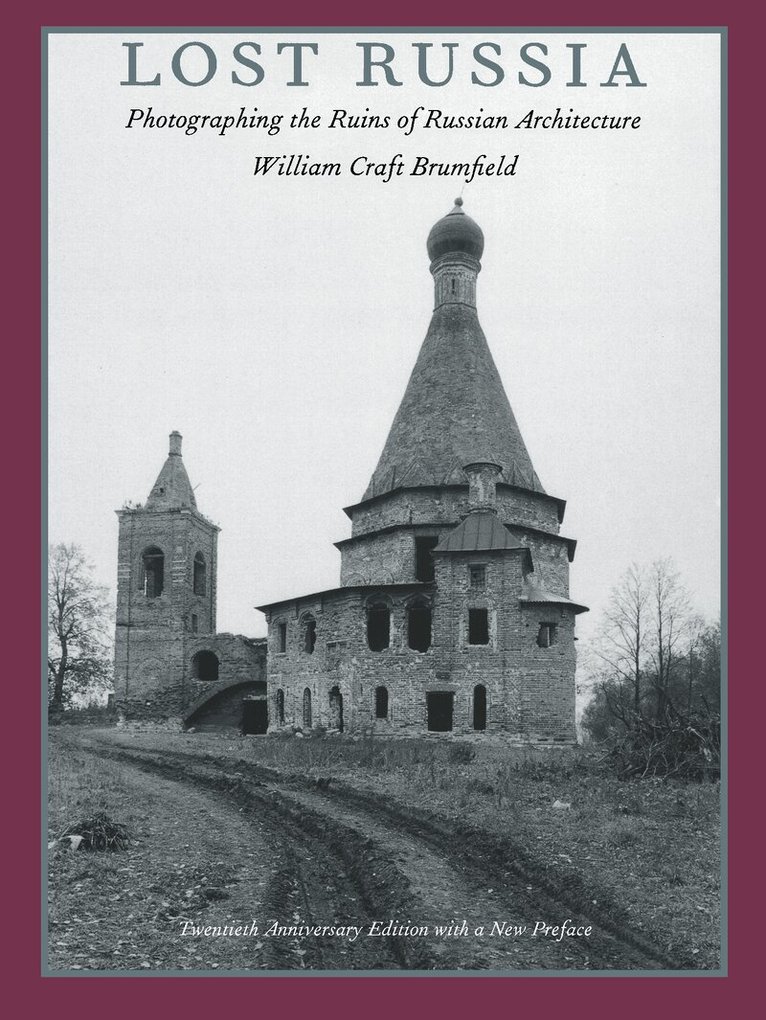
Twentieth Anniversary Edition, with a new preface by the author, available in June 2015The twentieth century in Russia has been a cataclysm of rare proportions, as war, revolution, famine, and massive political terror tested the limits of human endurance. The results of this assault on Russian culture are particularly evident in ruined architectural monuments, some of which are little known even within Russia itself. Over the past four decades William Craft Brumfield, noted historian and photographer of Russian architecture, has traveled throughout Russia and photographed many of these neglected, lost buildings, poignant and haunting in their ruin. Lost Russia provides a unique view of Brumfield’s acclaimed work, which illuminates Russian culture as reflected in these remnants of its distinctive architectural traditions.Capturing the quiet, ineffable beauty that graces these buildings, these photographs are accompanied by a text that provides not only a brief historical background for Russian architecture, but also Brumfield’s personal impressions, thoughts, and insights on the structures he views. Churches and monasteries from the fifteenth to the twentieth century as well as abandoned, ruined manor houses are shown-ravaged by time, willful neglect, and cultural vandalism. Brumfield also illustrates examples of recent local initiatives to preserve cultural landmarks from steady decline and destruction.Concluding with photographs of the remarkable log architecture found in Russia’s far north, Lost Russia is a book for all those concerned with the nation’s cultural legacy, history, and architecture, and with historic and cultural preservation generally. It will also interest those who appreciate the fine art of exceptional photography.
Inbunden, Engelska, 2015
447 kr
Skickas inom 3-6 vardagar
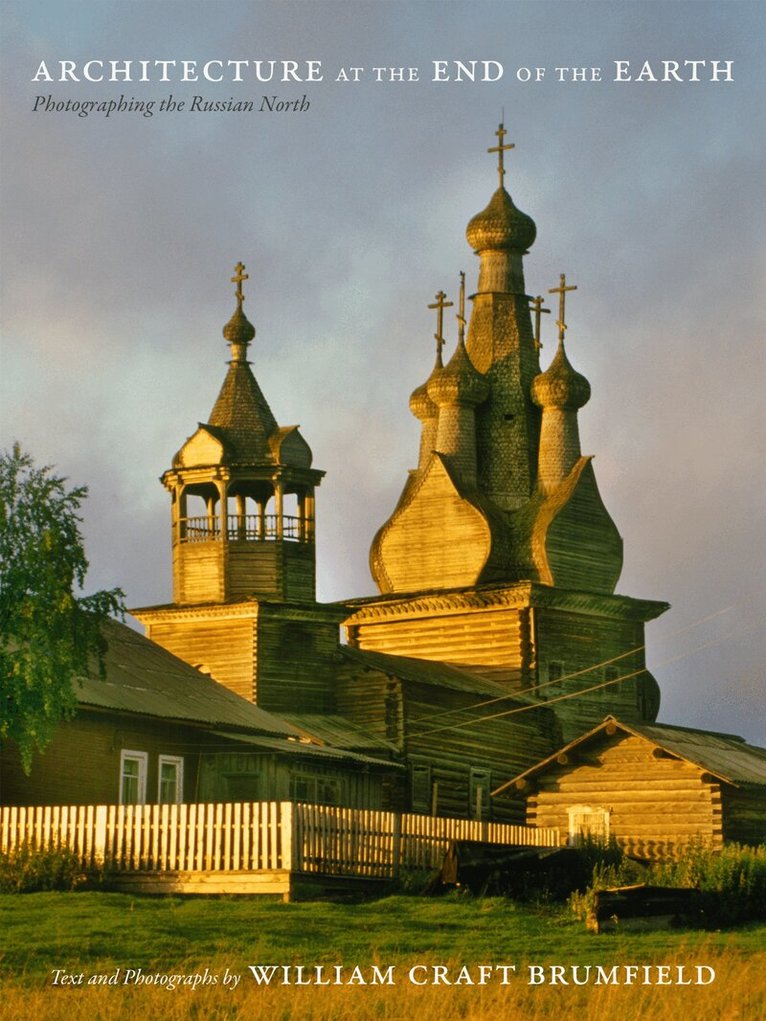
Carpeted in boreal forests, dotted with lakes, cut by rivers, and straddling the Arctic Circle, the region surrounding the White Sea, which is known as the Russian North, is sparsely populated and immensely isolated. It is also the home to architectural marvels, as many of the original wooden and brick churches and homes in the region's ancient villages and towns still stand. Featuring nearly two hundred full color photographs of these beautiful centuries-old structures, Architecture at the End of the Earth is the most recent addition to William Craft Brumfield's ongoing project to photographically document all aspects of Russian architecture.The architectural masterpieces Brumfield photographed are diverse: they range from humble chapels to grand cathedrals, buildings that are either dilapidated or well cared for, and structures repurposed during the Soviet era. Included are onion-domed wooden churches such as the Church of the Dormition, built in 1674 in Varzuga; the massive walled Transfiguration Monastery on Great Solovetsky Island, which dates to the mid-1550s; the Ferapontov-Nativity Monastery's frescoes, painted in 1502 by Dionisy, one of Russia's greatest medieval painters; nineteenth-century log houses, both rustic and ornate; and the Cathedral of St. Sophia in Vologda, which was commissioned by Ivan the Terrible in the 1560s. The text that introduces the photographs outlines the region's significance to Russian history and culture.Brumfield is challenged by the immense difficulty of accessing the Russian North, and recounts traversing sketchy roads, crossing silt-clogged rivers on barges and ferries, improvising travel arrangements, being delayed by severe snowstorms, and seeing the region from the air aboard the small planes he needs to reach remote areas.The buildings Brumfield photographed, some of which lie in near ruin, are at constant risk due to local indifference and vandalism, a lack of maintenance funds, clumsy restorations, or changes in local and national priorities. Brumfield is concerned with their futures and hopes that the region's beautiful and vulnerable achievements of master Russian carpenters will be preserved. Architecture at the End of the Earth is at once an art book, a travel guide, and a personal document about the discovery of this bleak but beautiful region of Russia that most readers will see here for the first time.
Inbunden, Engelska, 2020
558 kr
Skickas
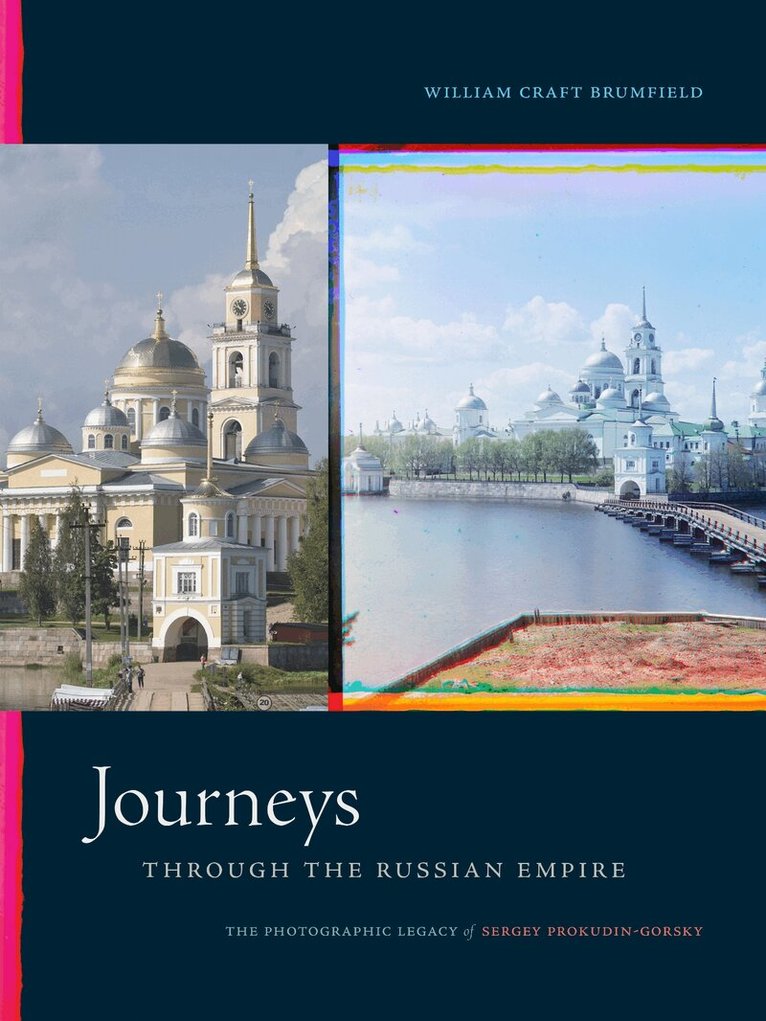
At the turn of the twentieth century, the photographer Sergey Prokudin-Gorsky undertook a quest to document an empire that was undergoing rapid change due to industrialization and the building of railroads. Between 1903 and 1916 Prokudin-Gorsky, who developed a pioneering method of capturing color images on glass plates, scoured the Russian Empire with the patronage of Nicholas II. Intrepidly carrying his cumbersome and awkward camera from the western borderlands over the Volga River to Siberia and central Asia, he created a singular record of Imperial Russia.In 1918 Prokudin-Gorsky escaped an increasingly chaotic, violent Russia and regained nearly 2,000 of his bulky glass negatives. His subsequent peripatetic existence before settling in Paris makes his collection's survival all the more miraculous. The U.S. Library of Congress acquired Prokudin-Gorsky's collection in 1948, and since then it has become a touchstone for understanding pre-revolutionary Russia. Now digitized and publicly available, his images are a sensation in Russia, where people visit websites dedicated to them.William Craft Brumfield-photographer, scholar, and the leading authority on Russian architecture in the West-began working with Prokudin-Gorsky's photographs in 1985. He curated the first public exhibition of them in the United States and has annotated the entire collection. In Journeys through the Russian Empire, Brumfield-who has spent decades traversing Russia and photographing buildings and landscapes in their various stages of disintegration or restoration-juxtaposes Prokudin-Gorsky's images against those he took of the same buildings and areas. In examining the intersections between his own photography and that of Prokudin-Gorsky, Brumfield assesses the state of preservation of Russia's architectural heritage and calls into question the nostalgic assumptions of those who see Prokudin-Gorsky's images as the recovery of the lost past of an idyllic, pre-Soviet Russia.This lavishly illustrated volume-which features some 400 stunning full-color images of ancient churches and mosques, railways and monasteries, towns and remote natural landscapes-is a testament to two brilliant photographers whose work prompts and illuminates, monument by monument, questions of conservation, restoration, and cultural identity and memory.
Inbunden, Engelska, 2025
562 kr
Skickas inom 5-8 vardagar
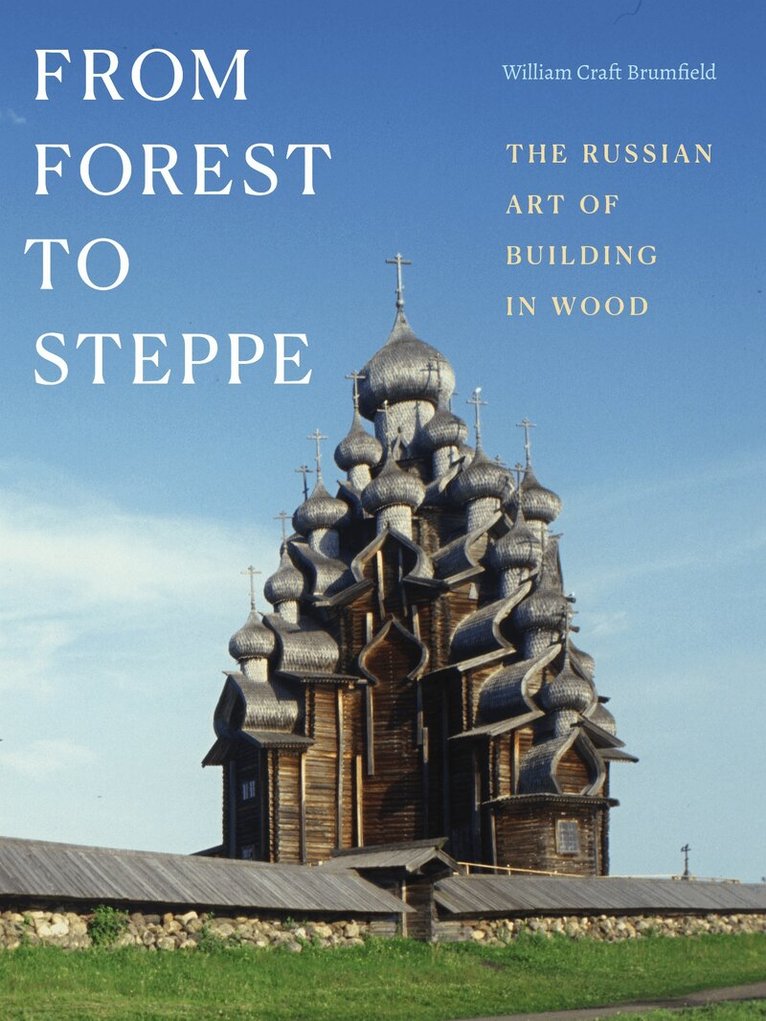
Throughout Russian history, local craftsmen have shown remarkable skill in fashioning wood into items of daily use, from bridges and street paving to carts and boats to household utensils and combs. Russia has the largest forested zone on the planet, so its architecture was also traditionally made from timber. From homes to churches to forts, Russian buildings are almost all, underneath, constructed with logs, often covered by plank siding or by lathing and plaster.In From Forest to Steppe, renowned scholar and photographer William Craft Brumfield offers a panoramic survey of Russia’s centuries-long heritage of wooden architecture. Lavishly illustrated with more than 400 color photographs, the volume links log-built barns, windmills, houses, and churches in the Far North; Buddhist shrines in the Transbaikal region; and eighteenth-century palaces on the outskirts of Moscow. Brumfield also takes readers to the estate houses of many Russian literary giants, from Chekhov and Tolstoy to Dostoevsky and Pushkin. Spanning thousands of photographed sites, five decades of field work, and seven time zones, Brumfield’s photographs offer compelling evidence of the adaptability of log construction and its ability to transcend class, cultural, and aesthetic boundaries.In the decades since Brumfield began photographing Russian architecture, many of the buildings he has documented have been demolished or abandoned and left to rot at alarming rates. Brumfield observes a contradiction in contemporary Russia: It acknowledges the cultural importance of wooden buildings yet struggles to find and dedicate the resources and solutions needed to save them. A hymn and elegy to the long Russian practice of building with wood, From Forest to Steppe is an unparalleled look into one of the world’s most singular architectural traditions.
Inbunden, Engelska, 1997
2 293 kr
Skickas inom 10-15 vardagar
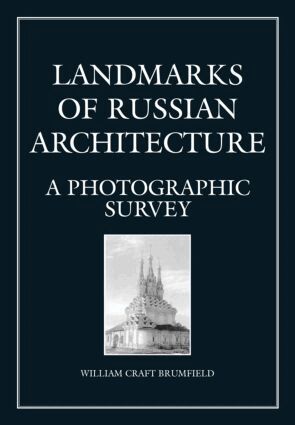
A comprehensive guide to Russian architecture, this volume is designed for students and other readers wishing to gain an understanding of the subject.
Häftad, Engelska, 1997
764 kr
Skickas inom 10-15 vardagar
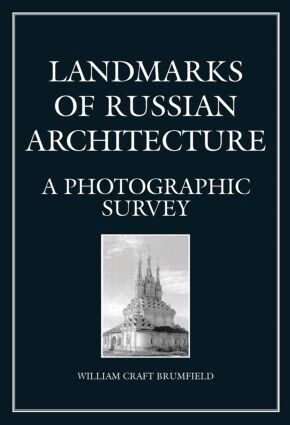
A comprehensive guide to Russian architecture, this volume is designed for students and other readers wishing to gain an understanding of the subject.