William Debuys – författare
Visar alla böcker från författaren William Debuys. Handla med fri frakt och snabb leverans.
17 produkter
A Great Aridness: Climate Change and the Future of the American Southwest
Inbunden, 2011
383 kr
Lägg i varukorg
A Great Aridness: Climate Change and the Future of the American Southwest
Häftad, 2013
302 kr
Lägg i varukorg
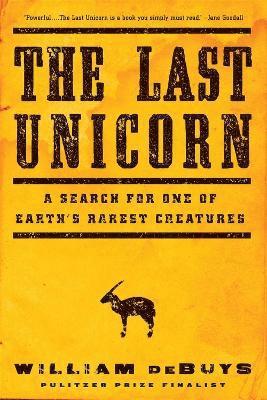
Last Unicorn
A Search for One of Earth's Rarest Creatures
Häftad, 2015
225 kr
Lägg i varukorg
In 1992, in a remote mountain range, a team of scientists discovered the remains of an unusual animal with beautiful long horns. It turned out to be a living species new to western science -- a saola, the first large land mammal discovered in 50 years.Rare then and rarer now, no westerner had …
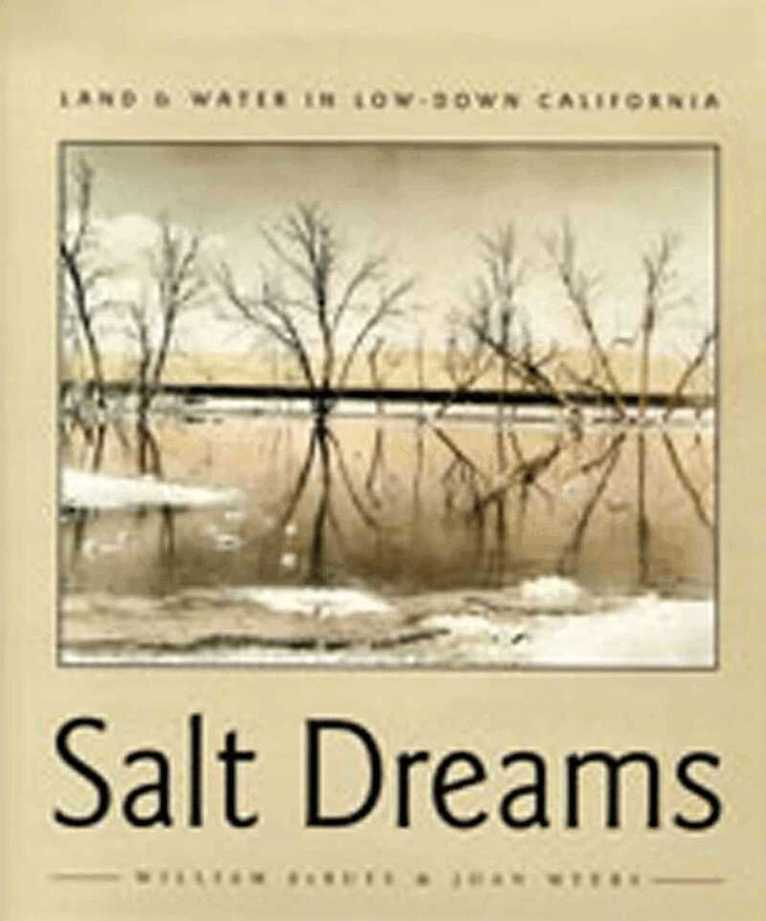
Salt Dreams
Land and Water in Low-down California
Av William DeBuys, Joan Myers m. fl.
Häftad, 2001
397 kr
Lägg i varukorg
In low places consequences collect, and in all North America you cannot get much lower than the Imperial Valley of southern California, where one town, 186 feet below sea level, calls itself the Lowest Down City in the Western Hemisphere, and where the waters of the Colorado River sustain a …
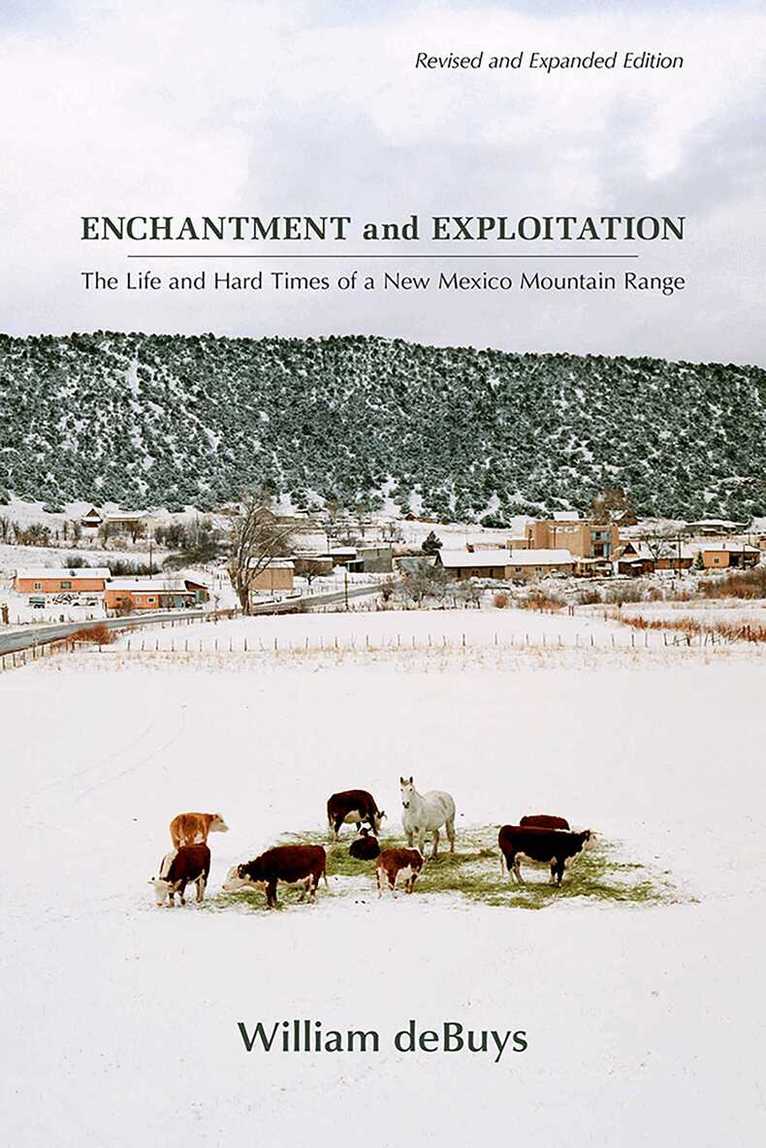
Enchantment and Exploitation
The Life and Hard Times of a New Mexico Mountain Range
Häftad, 2015
335 kr
Lägg i varukorg
First published in 1985, William deBuys’s Enchantment and Exploitation has become a New Mexico classic. It offers a complete account of the relationship between society and environment in the Sangre de Cristo Mountains of northern New Mexico, a region unique in its rich combination of ecological …
Enchantment and Exploitation
The Life and Hard Times of a New Mexico Mountain Range, Revised and Expanded Edition
E-bok, 2015
357 kr
Lägg i varukorg
First published in 1985, William deBuys’s Enchantment and Exploitation has become a New Mexico classic. It offers a complete account of the relationship between society and environment in the Sangre de Cristo Mountains of northern New Mexico, a region unique in its rich combination of ecological …
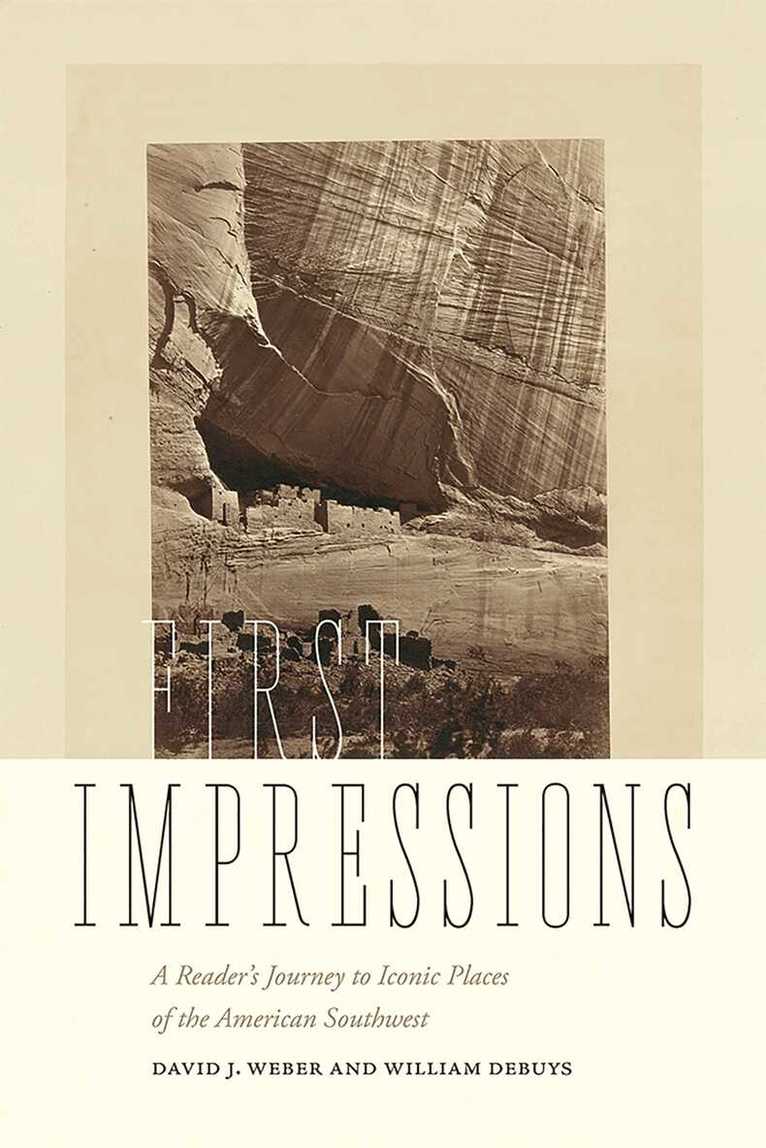
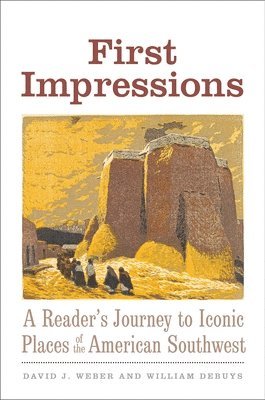
First Impressions
A Reader's Journey to Iconic Places of the American Southwest
Av David J. Weber, William deBuys
Häftad, 2022
282 kr
Lägg i varukorg
First Impressions: A Reader's Journey to Iconic Places of the American Southwest tells the story of fifteen iconic sites across Arizona, Utah, New Mexico, and southern Colorado through the eyes of the explorers, missionaries, and travelers who were the first nonnatives to describe them. Noted …
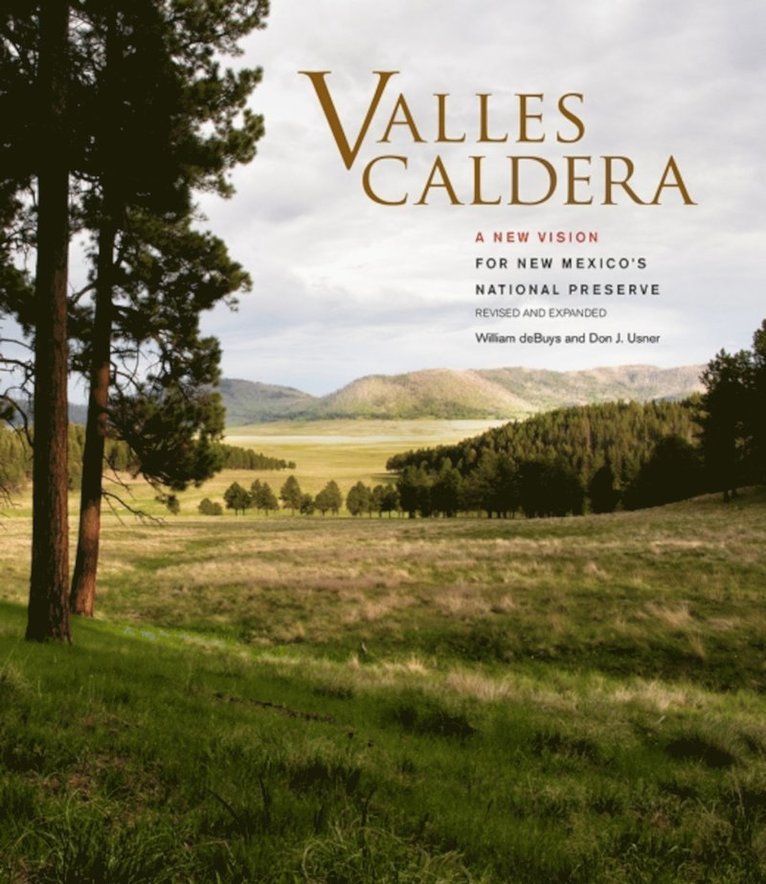
Valles Caldera
A New Vision for New Mexico's National Preserve
Inbunden, 2021
621 kr
Lägg i varukorg
About 1.25 million years ago, a spectacular volcanic eruption created the 13-mile-wide circular depression now known as the Valles Caldera, located in northern New Mexico. This revised & expanded edition marks the twentieth anniversary of the Valles Caldera Preservation Act, a visionary piece of …
Walk
Häftad, 2009
160 kr
Lägg i varukorg
In The Walk, William deBuys writes about personal loss and the power of the landscape to nurture the recovery of hope. The book consists of three interrelated essays that move from a period of strife in the author's life to a kind of limbo and eventually to a place of peace. The setting is deBuys' …
River of Traps
A New Mexico Mountain Life
Av Alex Harris, William deBuys
E-bok, 2016
267 kr
Lägg i varukorg
New Mexico’s Sangre de Cristo mountains are a place where two cultures — Hispanic and Anglo — meet. They''re also the place where three men meet: William deBuys, a young writer; Alex Harris, a young photographer; and Jacobo Romero, an old farmer. When Harris and deBuys move to New Mexico in the …
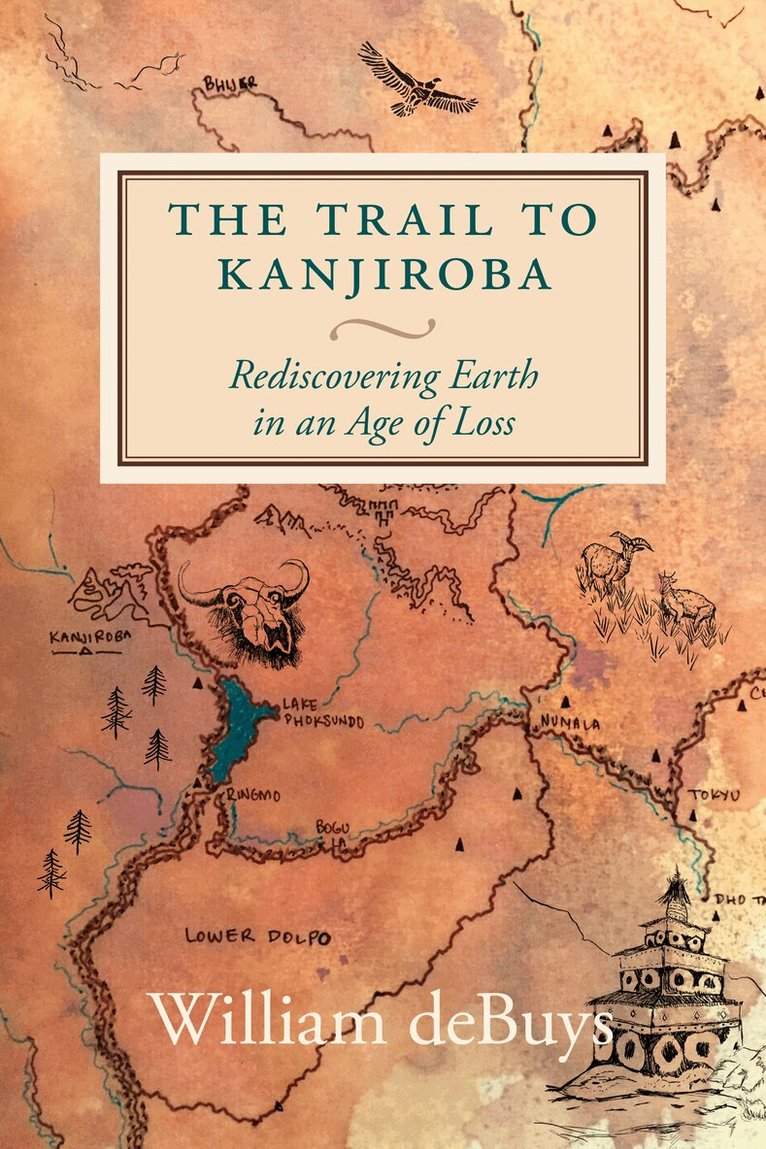
Trail to Kanjiroba
Inbunden, 2021
223 kr
Lägg i varukorg
A revitalizing new perspective on Earthcare from Pulitzer Prize finalist William deBuys. In 2016 and 2018 acclaimed author and conservationist William deBuys joined extended medical expeditions into Upper Dolpo, a remote, ethnically Tibetan region of northwestern Nepal, to provide basic medical …
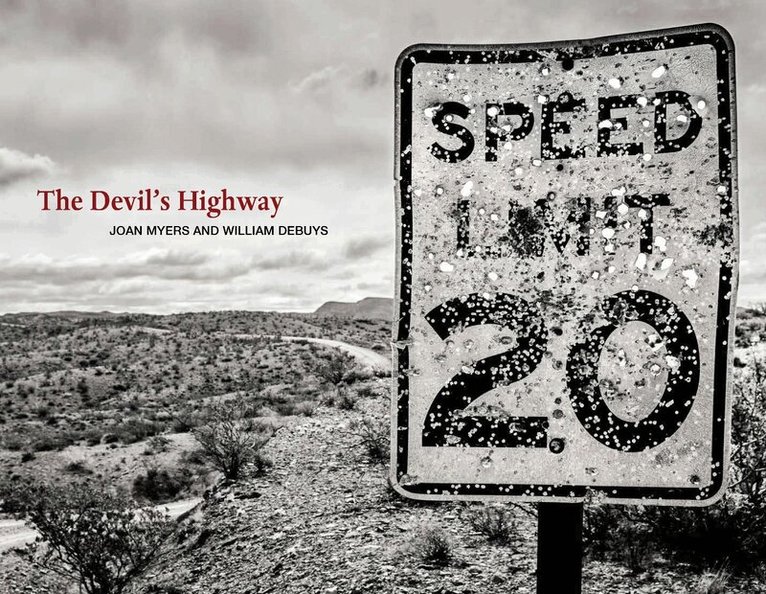
Devil's Highway
On the Road in the American West
Inbunden, 2022
528 kr
Lägg i varukorg
With this haunting new collection of photographs, Joan Myers continues the decades-long journey she began in Where the Buffalo Roamed (with Lucy Lippard), documenting the changing landscape and culture of the American West. The images in this new collection are more personal, more elegiac-and all …
First Impressions
A Reader’s Journey to Iconic Places of the American Southwest
Av David J. Weber, William DeBuys
Inbunden, 2017
324 kr
Tillfälligt slut
A guide to the history and culture of the American Southwest, as told through early encounters with fifteen iconic sitesThis unique guide for literate travelers in the American Southwest tells the story of fifteen iconic sites across Arizona, New Mexico, southern Utah, and southern Colorado through …
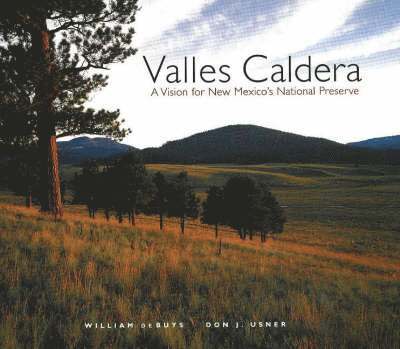
Valles Caldera
A Vision for New Mexico's National Preserve
Av William deBuys, Don J. Usner
Inbunden, 2006
400 kr
Tillfälligt slut
Seeing Things Whole
The Essential John Wesley Powell
Av John Wesley Powell, William deBuys
Häftad, 2004
565 kr
Tillfälligt slut
John Wesley Powell was an American original. He was the last of the nation's great continental explorers and the first of a new breed of public servant: part scientist, part social reformer, part institution builder. His work and life reveal an enduringly valuable way of thinking about land, water, …
River of Traps
A New Mexico Mountain Life
Av William deBuys, Alex Harris
Häftad, 2007
223 kr
Tillfälligt slut
New Mexico's Sangre de Cristo mountains are a place where two cultures -- Hispanic and Anglo -- meet. They're also the place where three men meet: William deBuys, a young writer; Alex Harris, a young photographer; and Jacobo Romero, an old farmer. When Harris and deBuys move to New Mexico in the …