William Dusinberre - Böcker
Visar alla böcker från författaren . Handla med fri frakt och snabb leverans.
6 produkter
6 produkter
2 303 kr
Skickas inom 5-8 vardagar
BLUnique insights into the workings of slavery in the Antebullum American SouthIn this close study of slavery in the rice plantations of South Carolina and Georgia, the emphasis is principally on the human relations of slavery, both black and white.
941 kr
Skickas inom 3-6 vardagar
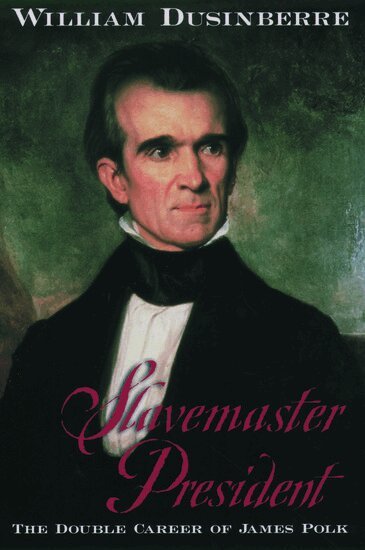
James Polk was President of the United States from 1845 to 1849, a time when slavery began to dominate American politics. Polk's presidency coincided with the eruption of the territorial slavery issue, which within a few years would lead to the catastrophe of the Civil War. Polk himself owned substantial cotton plantations-- in Tennessee and later in Mississippi-- and some 50 slaves. Unlike many antebellum planters who portrayed their involvement with slavery as a historical burden bestowed onto them by their ancestors, Polk entered the slave business of his own volition, for reasons principally of financial self-interest. Drawing on previously unexplored records, Slavemaster President recreates the world of Polk's plantation and the personal histories of his slaves, in what is arguably the most careful and vivid account to date of how slavery functioned on a single cotton plantation. Life at the Polk estate was brutal and often short. Fewer than one in two slave children lived to the age of fifteen, a child mortality rate even higher than that on the average plantation. A steady stream of slaves temporarily fled the plantation throughout Polk's tenure as absentee slavemaster. Yet Polk was in some respects an enlightened owner, instituting an unusual incentive plan for his slaves and granting extensive privileges to his most favored slave. Startlingly, Dusinberre shows how Polk sought to hide from public knowledge the fact that, while he was president, he was secretly buying as many slaves as his plantation revenues permitted. Shortly before his sudden death from cholera, the president quietly drafted a new will, in which he expressed the hope that his slaves might be freed--but only after he and his wife were both dead. The very next day, he authorized the purchase, in strictest secrecy, of six more very young slaves. By contrast with Senator John C. Calhoun, President Polk has been seen as a moderate Southern Democratic leader. But Dusinberre suggests that the president's political stance toward slavery-- influenced as it was by his deep personal involvement in the plantation system-- may actually have helped precipitate the Civil War that Polk sought to avoid.
318 kr
Skickas inom 5-8 vardagar
James Polk was President of the United States from 1845 to 1849, a time when slavery began to dominate American politics. Polk's presidency coincided with the eruption of the territorial slavery issue, which within a few years would lead to the catastrophe of the Civil War. Polk himself owned substantial cotton plantations-- in Tennessee and later in Mississippi-- and some 50 slaves. Unlike many antebellum planters who portrayed their involvement with slavery as a historical burden bestowed onto them by their ancestors, Polk entered the slave business of his own volition, for reasons principally of financial self-interest. Drawing on previously unexplored records, Slavemaster President recreates the world of Polk's plantation and the personal histories of his slaves, in what is arguably the most careful and vivid account to date of how slavery functioned on a single cotton plantation. Life at the Polk estate was brutal and often short. Fewer than one in two slave children lived to the age of fifteen, a child mortality rate even higher than that on the average plantation. A steady stream of slaves temporarily fled the plantation throughout Polk's tenure as absentee slavemaster. Yet Polk was in some respects an enlightened owner, instituting an unusual incentive plan for his slaves and granting extensive privileges to his most favored slave. Startlingly, Dusinberre shows how Polk sought to hide from public knowledge the fact that, while he was president, he was secretly buying as many slaves as his plantation revenues permitted. Shortly before his sudden death from cholera, the president quietly drafted a new will, in which he expressed the hope that his slaves might be freed--but only after he and his wife were both dead. The very next day, he authorized the purchase, in strictest secrecy, of six more very young slaves. By contrast with Senator John C. Calhoun, President Polk has been seen as a moderate Southern Democratic leader. But Dusinberre suggests that the president's political stance toward slavery-- influenced as it was by his deep personal involvement in the plantation system-- may actually have helped precipitate the Civil War that Polk sought to avoid.
434 kr
Skickas inom 10-15 vardagar
550 kr
Skickas inom 5-8 vardagar
Them Dark Days is a study of the callous, capitalistic nature of the vast rice plantations along the southeastern coast. It is essential reading for anyone whose view of slavery’s horrors might be softened by the current historical emphasis on slave community and family and slave autonomy and empowerment.Looking at Gowrie and Butler Island plantations in Georgia and Chicora Wood in South Carolina, William Dusinberre considers a wide range of issues related to daily life and work there: health, economics, politics, dissidence, coercion, discipline, paternalism, and privilege. Based on overseers’ letters, slave testimonies, and plantation records, Them Dark Days offers a vivid reconstruction of slavery in action and casts a sharp new light on slave history.
1 054 kr
Skickas inom 10-15 vardagar
Philadelphia, before the Confederate bombardment of Fort Sumter, was not simply a "Northern" city. Unlike proslavery Washington but also unlike antislavery Boston, Philadelphia lay in the "Northern border area," where mixed sympathies led to divided loyalties and to frequent convulsions over the great issues that preceded the war.In Civil War Issues in Philadelphia, 1856-1865, author William Dusinberre examines three traditional interpretations of the war and shows how each has to be modified to fit Philadelphia's experience. In Part I he portrays the fundamental Philadelphia attitudes as they appeared in 1856 and the two main controversies-the fugitive slave question and the territorial issue-as they developed until 1858. Part II is devoted to the John Brown affair and the secession crisis. Part III analyzes wartime issues: the treatment of dissenters, the Negro question, and the recruitment of short-term soldiers when Confederate armies approached Pennsylvania.From this investigation emerges a vivid portrait of the North's second greatest city and its leading citizens-racist sympathizers with the South, cautious conciliators, firm conservatives, unconstrained anti-Southerners, outnumbered idealists-contending with the crisis of the Civil War periods.