William Elliott Hazelgrove – författare
Visar alla böcker från författaren William Elliott Hazelgrove. Handla med fri frakt och snabb leverans.
13 produkter
13 produkter
297 kr
Skickas inom 3-6 vardagar
266 kr
Skickas
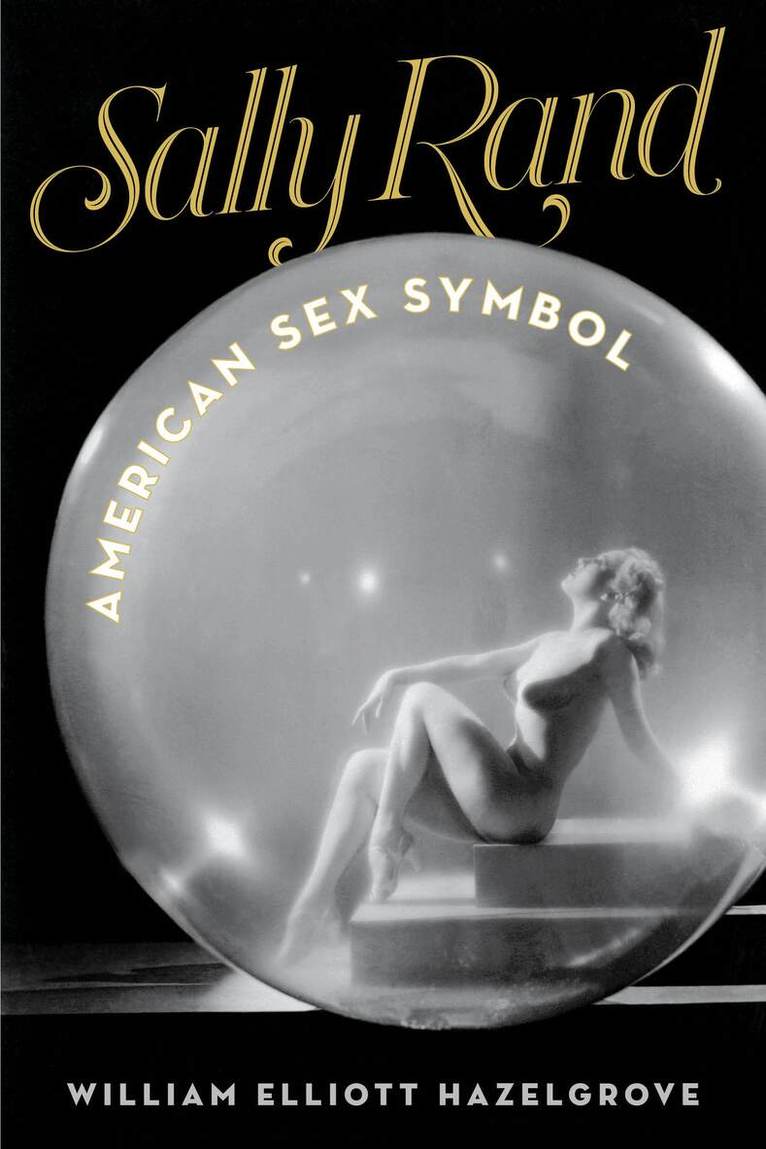
She would appear in more than thirty films and be named after a Road Atlas by Cecil B Demille. A football play would be named after her. She would appear on To Tell the Truth. She would be arrested six times in one day for indecency. She would be immortalized in the final scene of The Right Stuff, cartoons, popular culture, and live on as the iconic symbol of the Chicago World’s Fair of 1933. She would pave the way for every sex symbol to follow from Marilyn Monroe to Lady Gaga. She would die penniless and in debt. In the end, Sammy Davis Jr. would write her a $10,000 check when she had nothing left. Her name was Sally Rand. Until now, there has not been a biography of Sally Rand. But you can draw a line from her to Lana Turner, Marilyn Monroe, Raquel Welch, Ann Margret, Madonna, and Lady Gaga. She broke the mold in 1933, by proclaiming the female body as something beautiful and taking it out of the strip club with her ethereal fan dance. She was a poor girl from the Ozarks who ran away with a carnival, then joined the circus, and finally made it to Hollywood where Cecil B Demille set her on the road to fame with silent movies. When the talkies came her career collapsed, and she ended up in Chicago, broke, sleeping in alleys. Two ostrich feathers in a second-hand store rescued her from obscurity.
262 kr
Skickas inom 5-8 vardagar
She would appear in more than thirty films and be named after a Road Atlas by Cecil B Demille. A football play would be named after her. She would appear on To Tell the Truth. She would be arrested six times in one day for indecency. She would be immortalized in the final scene of The Right Stuff, cartoons, popular culture, and live on as the iconic symbol of the Chicago World’s Fair of 1933. She would pave the way for every sex symbol to follow from Marilyn Monroe to Lady Gaga. She would die penniless and in debt. In the end, Sammy Davis Jr. would write her a $10,000 check when she had nothing left. Her name was Sally Rand. You can draw a line from her to Lana Turner, Marilyn Monroe, Raquel Welch, Ann Margret, Madonna, and Lady Gaga. She broke the mold in 1933, by proclaiming the female body as something beautiful and taking it out of the strip club with her ethereal fan dance. She was a poor girl from the Ozarks who ran away with a carnival, then joined the circus, and finally made it to Hollywood where Cecil B Demille set her on the road to fame with silent movies. When the talkies came her career collapsed, and she ended up in Chicago, broke, sleeping in alleys. Two ostrich feathers in a second-hand store rescued her from obscurity.
370 kr
Skickas inom 5-8 vardagar
239 kr
Skickas
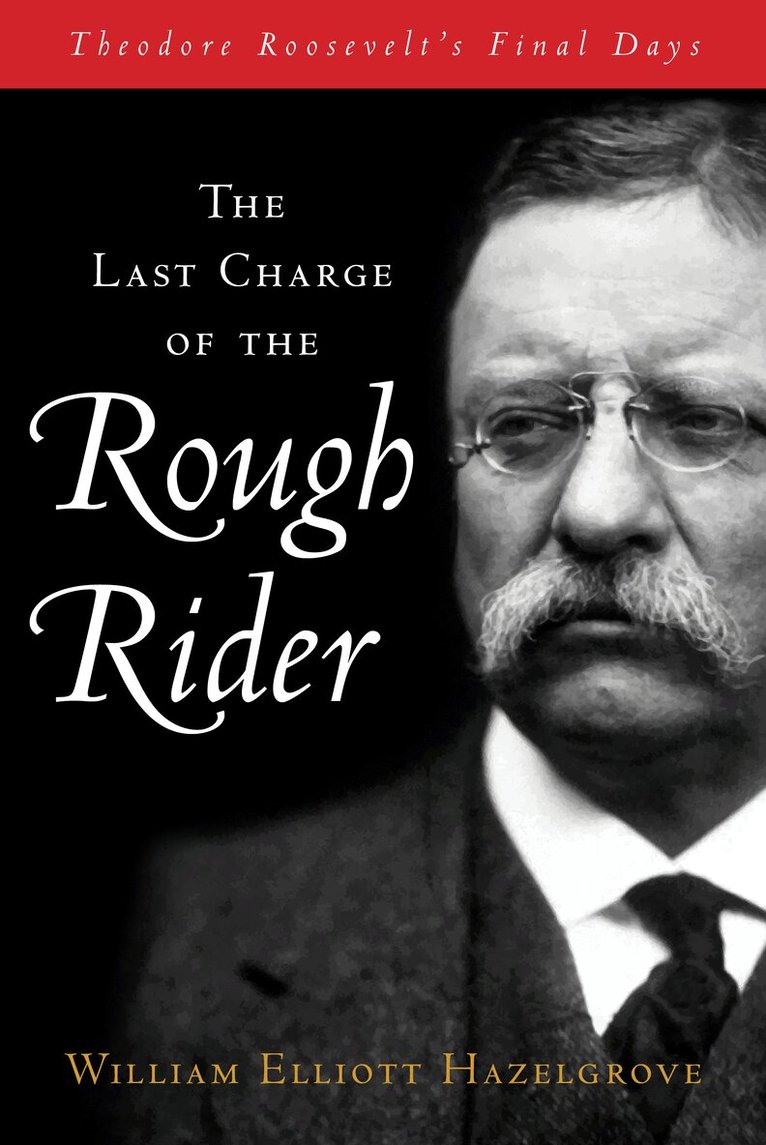
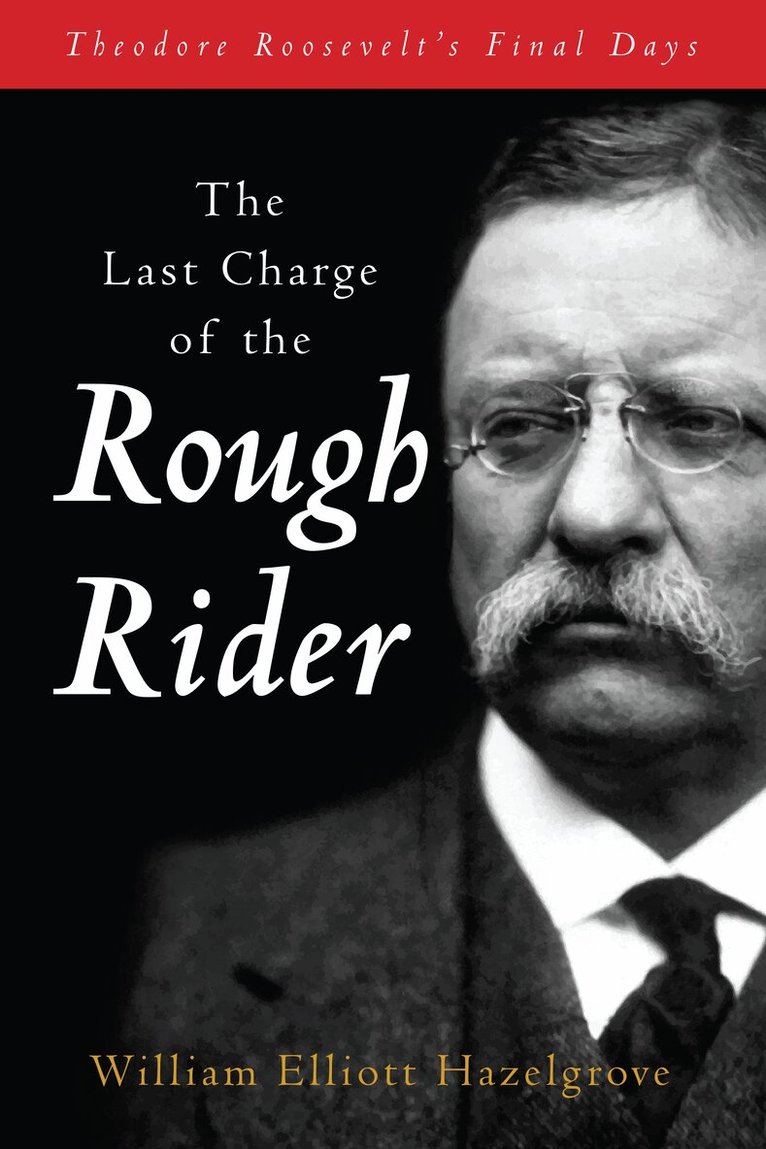
There have been many books on Theodore Roosevelt, but there are none that solely focus on the last years of his life. Racked by rheumatism, a ticking embolism, pathogens in his blood, a bad leg from an accident, a bullet in his chest from an assassination attempt, in the last two years of his life from April 1917 to January 6, 1919 he went from the great disappointment of being denied his own regiment in World War I, leading a suicide mission of roughriders against the Germans, to the devastating news that his son Quentin had been shot down and killed over France. Racked by grief and guilt, marginalized by world events, the great glow that had been his life was now but a dimming lantern. But TR’s final years were productive ones as well: he churned out several “instant” books that promoted U.S. entry into the Great War, and he was making plans for another run at the Presidency in 1920 at the time of his death. Indeed, his political influence was so great that his opposition to the policies of Woodrow Wilson helped the Republican Party take back the Congress in 1918. However, as William Hazelgrove points out in this book, it was Roosevelt’s quest for the “vigorous life” that, ironically, may have led to his early demise at the age of 60. ‘The Old Lion is dead,” TR’s son Archie cabled his brother on January 6, 1919, and so, too, ended a historic era in American life and politics.
310 kr
Skickas inom 3-6 vardagar
There have been many books on Theodore Roosevelt, but there are none that solely focus on the last years of his life. Racked by rheumatism, a ticking embolism, pathogens in his blood, a bad leg from an accident, and a bullet in his chest from an assassination attempt, in the last two years of his life from April 1917 to January 6, 1919, he went from the great disappointment of being denied his own regiment in World War I, leading a suicide mission of Rough Riders against the Germans, to the devastating news that his son Quentin had been shot down and killed over France. Suffering from grief and guilt, marginalized by world events, the great glow that had been his life was now but a dimming lantern. But TR’s final years were productive ones as well: he churned out several “instant” books that promoted U.S. entry into the Great War, and he was making plans for another run at the Presidency in 1920 at the time of his death. Indeed, his political influence was so great that his opposition to the policies of Woodrow Wilson helped the Republican Party take back the Congress in 1918. However, as William Hazelgrove points out in this book, it was Roosevelt’s quest for the “vigorous life” that, ironically, may have led to his early demise at the age of sixty. "The Old Lion is dead,” TR’s son Archie cabled his brother on January 6, 1919, and so, too, ended a historic era in American life and politics.
192 kr
Skickas
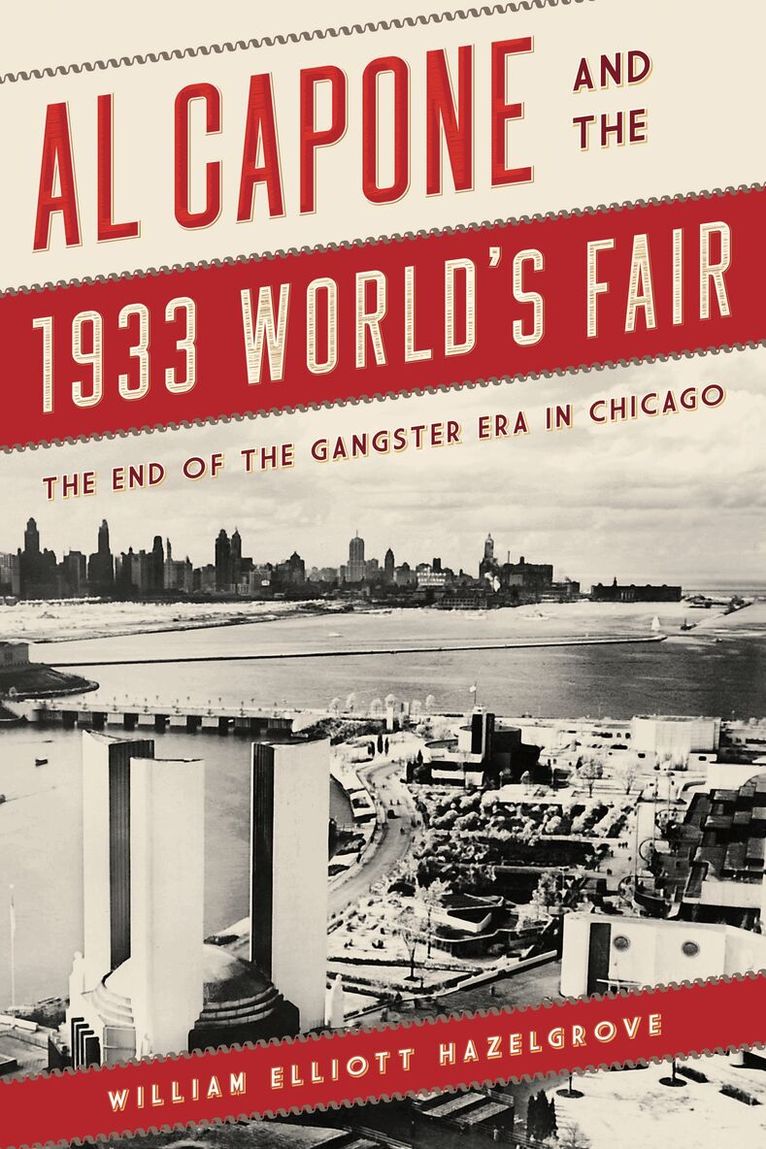
Al Capone and the 1933 World’s Fair: The End of the Gangster Era in Chicago is a historical look at Chicago during the darkest days of the Great Depression. The story of Chicago fighting the hold that organized crime had on the city to be able to put on The 1933 World's Fair.William Hazelgrove provides the exciting and sprawling history behind the 1933 World's Fair, the last of the golden age. He reveals the story of the six millionaire businessmen, dubbed The Secret Six, who beat Al Capone at his own game, ending the gangster era as prohibition was repealed. The story of an intriguing woman, Sally Rand, who embodied the World's Fair with her own rags to riches story and brought sex into the open. The story of Rufus and Charles Dawes who gave the fair a theme and then found financing in the worst economic times the country had ever experienced. The story of the most corrupt mayor of Chicago, William Thompson, who owed his election to Al Capone; and the mayor who followed him, Anton Cermak, who was murdered months before the fair opened by an assassin many said was hired by Al Capone.But most of all it’s the story about a city fighting for survival in the darkest of times; and a shining light of hope called A Century of Progress.
341 kr
Skickas inom 10-15 vardagar
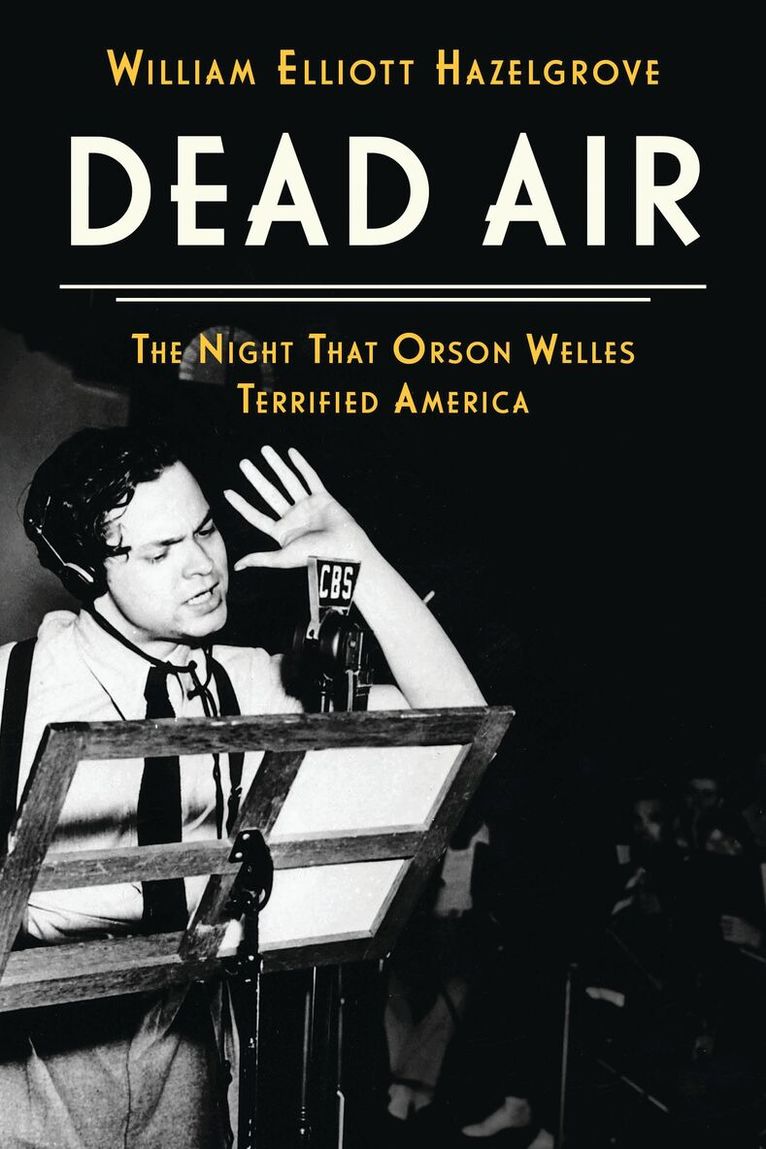
A "granular history" (Wall Street Journal) of the greatest hoax in radio history and the panic that followed, which Publishers Weekly calls "a rollicking portrait of a director on the cusp of greatness" and Booklist, in a starred review, says, "Hazelgrove’s feverishly focused retelling of the broadcast as well as the fallout makes for a propulsive read as a study of both a cultural moment of mass hysteria and the singular voice at its root.”On a warm Halloween Eve, October 30, 1938, during a broadcast of H G. Wells’ War of the Worlds, a twenty-three-year-old Orson Welles held his hands up for radio silence in the CBS studio in New York City while millions of people ran out into the night screaming, grabbed shotguns, drove off in cars, and hid in basements, attics, or anywhere they could find to get away from Martians intent on exterminating the human race. As Welles held up his hands to his fellow actors, musicians, and sound technicians, he turned six seconds of radio silence—dead air—into absolute horror, changing the way the world would view media forever, and making himself one of the most famous men in America. In Dead Air: The Night that Orson Welles Terrified America, Willliam Elliot Hazelgrove illustrates for the first time how Orson Welles’ broadcast caused massive panic in the United States, convincing listeners across the nation that the end of the World had arrived and even leading military and government officials to become involved. Using newspaper accounts of the broadcast, Hazelgrove shows the true, staggering effect that Welles’ opera of panic had on the nation. Beginning with Welles’ incredible rise from a young man who lost his parents early to a child prodigy of the stage, Dead Air introduces a Welles who threw his Hail Mary with War of the Worlds, knowing full well that obscurity and fame are two sides of the same coin. Hazelgrove demonstrates that Welles’ knew he had one shot to grab the limelight before it forever passed him by—and he made it count.
220 kr
Skickas inom 10-15 vardagar
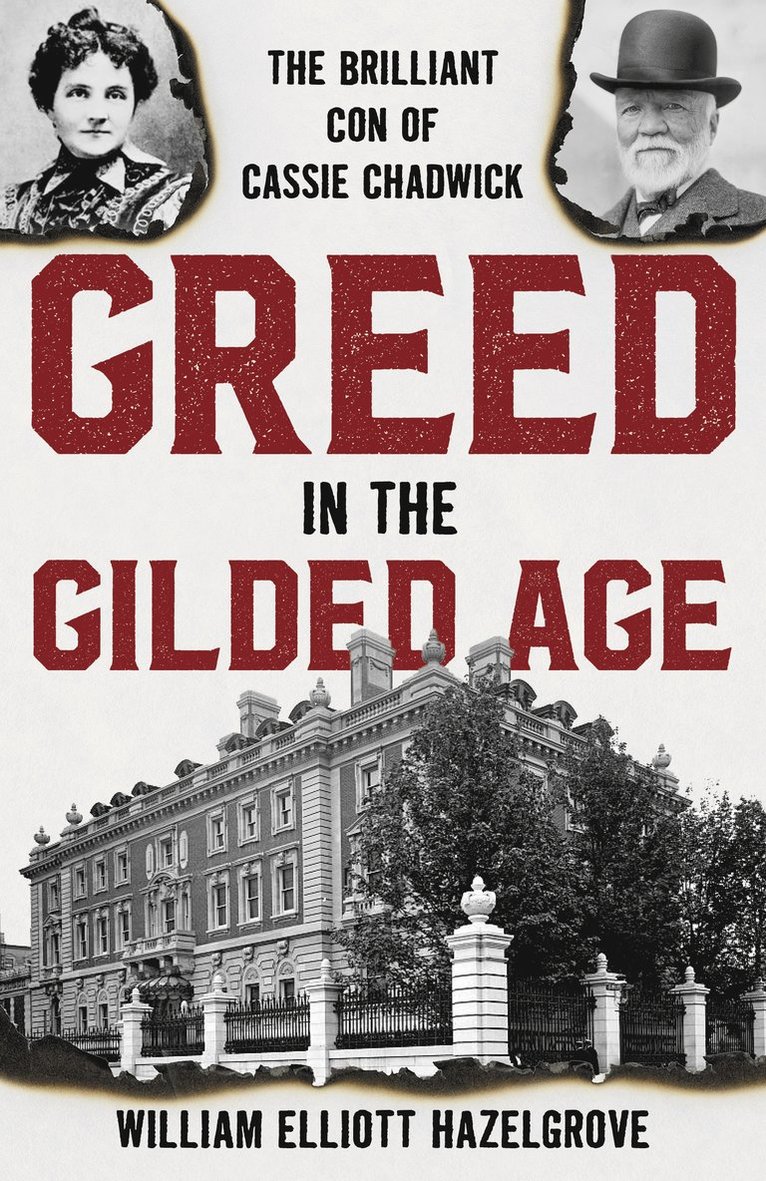
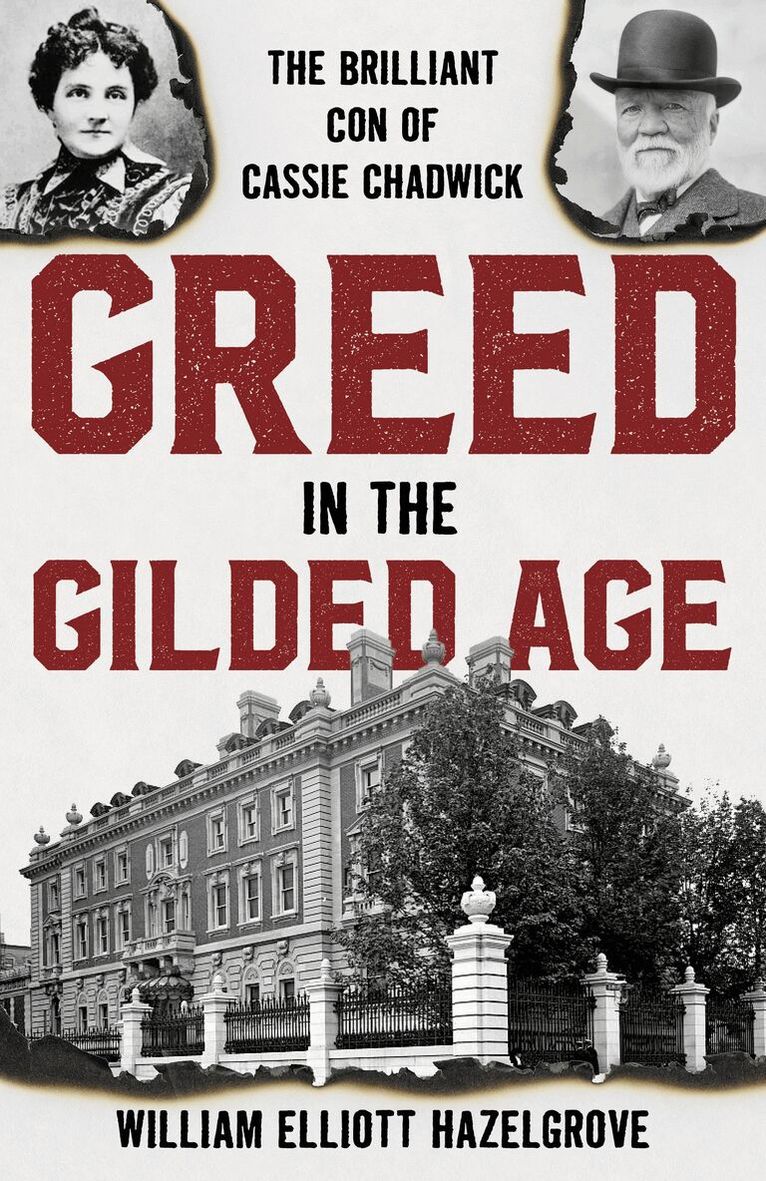
Greed in the Gilded Age is a Gatsby-esque tale of mystery, money, sex, and scandal. ‘Millionaire’ had just entered the American lexicon and Cassie Chadwick was front page news, becoming a media sensation before mass media, even eclipsing President Roosevelt’s inauguration. Using these newspaper articles, Hazelgrove tells the story of one of the greatest cons in American history. Combining the sexuality and helplessness her gender implied, Chadwick conned at least 2 million dollars, equivalent to about 60 million today, simply by claiming to be the illegitimate daughter and heir of steel titan, Andrew Carnegie. Playing to their greed, she was able to convince highly educated financiers to loan hundreds of thousands of dollars, on nothing more than a rumor and her word. She was a product of her time and painting her as a criminal is only one way to look at it. Those times rewarded someone who was smart, inventive, bold, and aggressive. She was able to break through boundaries of class, education, and gender, to beat the men of the one percent at their own game.
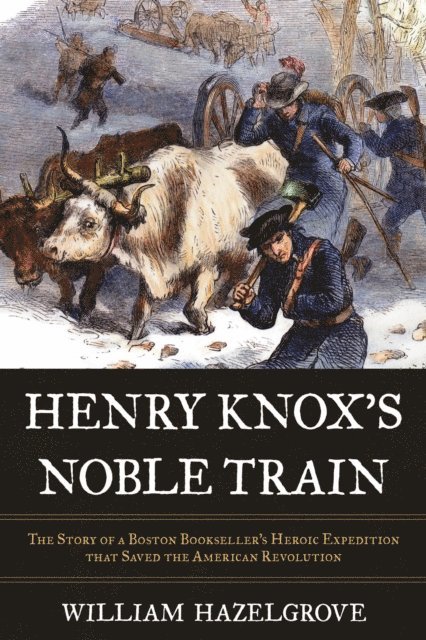
Henry Knox's Noble Train
The Story of a Boston Bookseller's Heroic Expedition That Saved the American Revolution
Inbunden, Engelska, 2020
420 kr
Skickas inom 3-6 vardagar
The inspiring story of a little-known hero's pivotal role in the American Revolutionary WarDuring the brutal winter of 1775-1776, an untested Boston bookseller named Henry Knox commandeered an oxen train hauling sixty tons of cannons and other artillery from Fort Ticonderoga near the Canadian border. He and his men journeyed some three hundred miles south and east over frozen, often-treacherous terrain to supply George Washington for his attack of British troops occupying Boston. The result was the British surrender of Boston and the first major victory for the Colonial Army. This is one of the great stories of the American Revolution, still little known by comparison with the more famous battles of Concord, Lexington, and Bunker Hill. Told with a novelist's feel for narrative, character, and vivid description, The Noble Train brings to life the events and people at a time when the ragtag American rebels were in a desperate situation. Washington's army was withering away from desertion and expiring enlistments. Typhoid fever, typhus, and dysentery were taking a terrible toll. There was little hope of dislodging British General Howe and his 20,000 British troops in Boston--until Henry Knox arrived with his supply convoy of heavy armaments. Firing down on the city from the surrounding Dorchester Heights, these weapons created a decisive turning point. An act of near desperation fueled by courage, daring, and sheer tenacity led to a tremendous victory for the cause of independence.This exciting tale of daunting odds and undaunted determination highlights a pivotal episode that changed history.
225 kr
Skickas inom 5-8 vardagar
323 kr
Skickas inom 7-10 vardagar
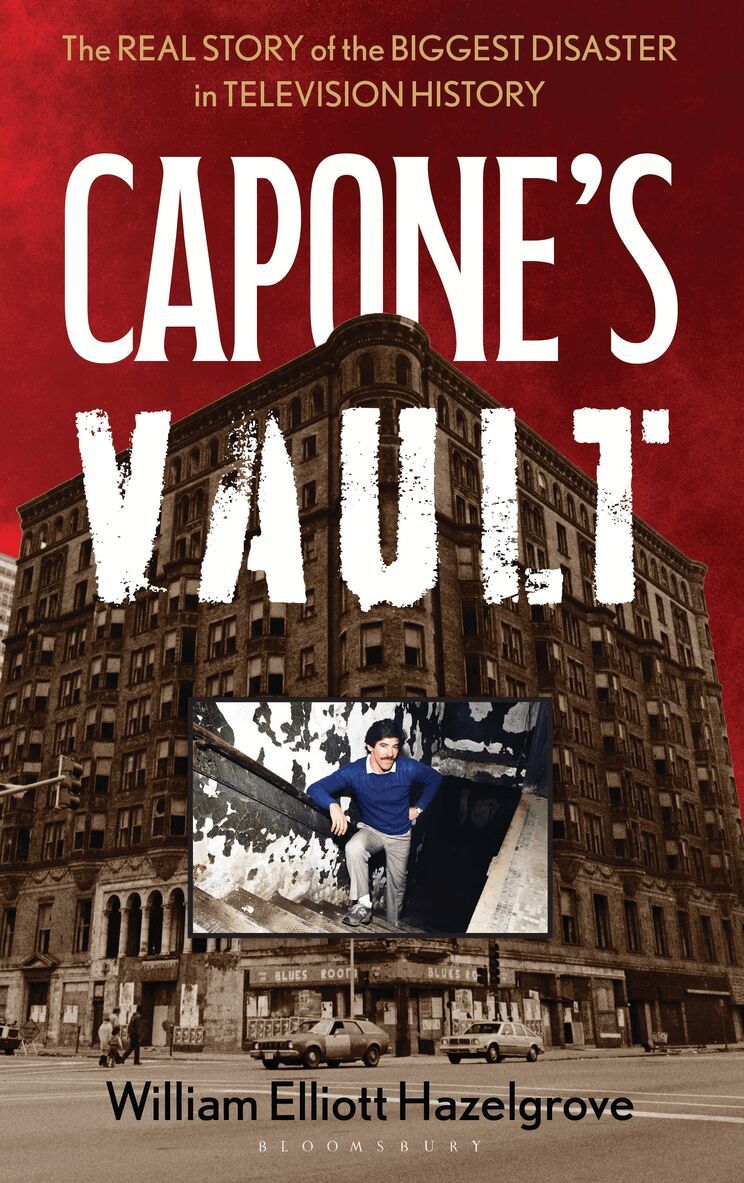
Coinciding with the 40th anniversary of the broadcast, an inside look at the historic televised reveal of Al Capone’s vaults that would define Geraldo Rivera’s career and change television forever.In 1986, more people watched The Mystery of Al Capone’s Vaults than either the Super Bowl or David Frost’s interview with Richard Nixon. It was a high-wire, high-reward, high-disaster broadcast that was meant to be a comeback for journalist Geraldo Rivera, who had been fired from ABC after fifteen years. On April 21,1986, at 9:15pm Eastern, Geraldo gave the signal at the midpoint of the broadcast to blow open with dynamite the subterranean vaults of the Lexington Hotel, ready to reveal to thirty million viewers at home the great secrets and treasures of legendary gangster Al Capone—but the live broadcast didn’t go to plan.In Capone’s Vault: The Real Story of the Biggest Disaster in Television History, William Elliott Hazelgrove weaves together the stories of Geraldo Rivera’s career and the history of Al Capone, leading to the development of the infamous The Mystery of Al Capone’s Vaults broadcast. These stories merge on the night of the show with a play-by-play recalling of the disastrous two-hour program and its aftermath. The broadcast was a simple bet that Geraldo Rivera would open a vault in the basement of a nineteenth-century hotel and show the world something from Al Capone, but it would instead reveal basic truths about television that persist today. This is a wild and captivating true story for readers both new to the mystery and for those ready to relive what would be a crazy night that has defined live television for forty years.
275 kr
Skickas
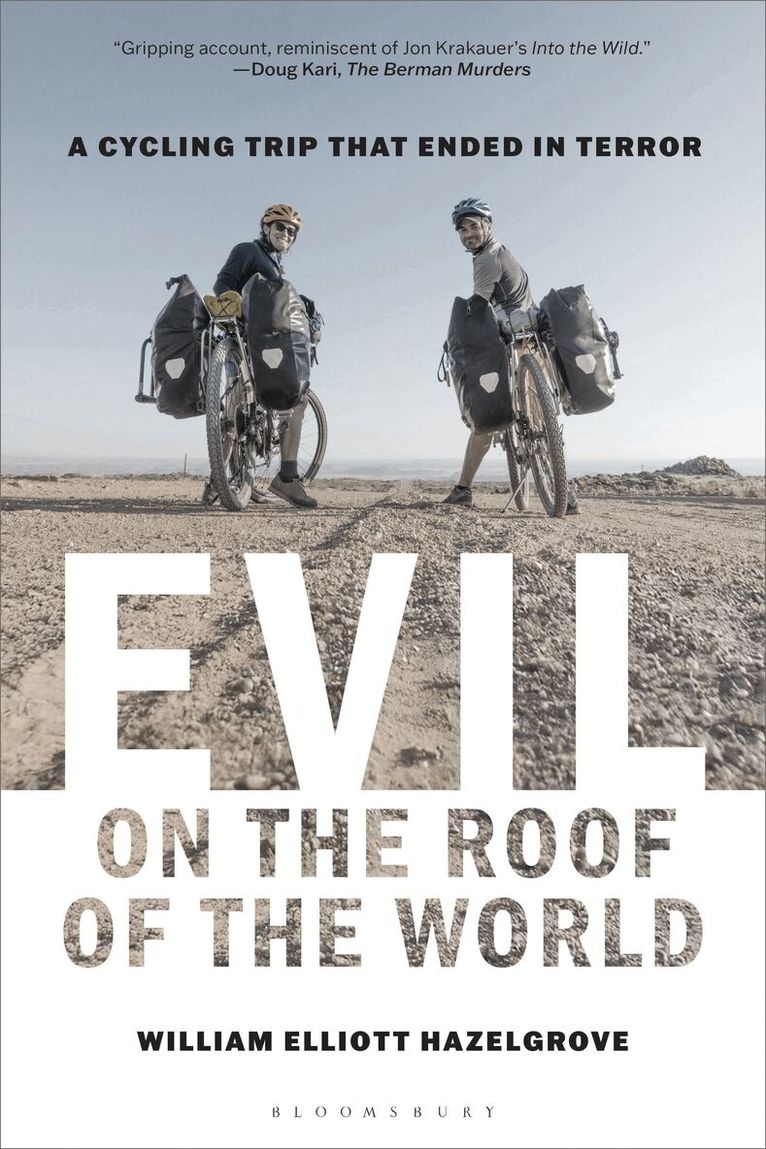
On a bleak highway in the mountains of Tajikistan known as "the roof of the world", in July of 2018, Lauren Geoghegan and Jay Austin, along with two other cyclists, were brutally murdered by five ISIS terrorists.They were both Georgetown University graduates who had quit their well-paying Washington, DC, jobs to pursue a bike trip around the world, looking for a different kind of American Dream. Pieced together from Jay and Lauren's Simply Cycling travel blog and social media posts, interviews with their friends and family, and media coverage of their murder, author William Elliott Hazelgrove creates a complete, narrative retelling of Jay and Lauren's story. Evil on the Roof of the World combines biking and travel adventure with true crime elements, sensitively presenting the trajectory of Jay and Lauren’s hopeful beginnings; the difficulties and meaningful experiences they found on their journey; the foreshadowing leading up to the attack; and the way they, their loved ones, the media, and the perpetrators made sense of this violent encounter. Like Jon Krakauer's Into The Wild, this is a story of a couple who went off the grid to find the great adventure of life only to have it end in tragedy.