William Engel - Böcker
Visar alla böcker från författaren William Engel. Handla med fri frakt och snabb leverans.
3 produkter
3 produkter
2 572 kr
Skickas inom 5-8 vardagar
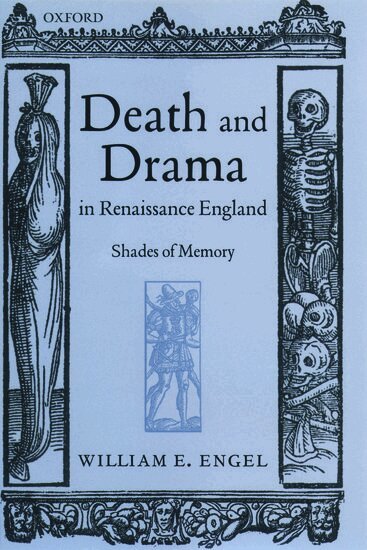
Drawing on a range of works from the English Renaissance, Death and Drama in Renaissance England offers a novel way to understand, in their original contexts, key aspects of Renaissance mental life and letters. Focusing on the classical Memory Arts, William Engel explores issues of death and decline in exemplary dramas, dictionaries, and histories of the period, and demonstrates the ways in which emblems and memory images were used to communicate special meanings.Special attention is given, initially, to select tragedies by Shakespeare and other contemporary playwrights who stages spectacles of silent death. This is followed by a survey of the end to which foreign language phrase-books crafted highly mannered vignettes of daily life, and a discussion of the ways in which metaphors of the stage were translated into a body of work which portrayed the soul of history in terms of an overriding Aesthetic of Decline. The result is a thought-provoking account of the essentially mnemonic principles of design informing and animating a range of works from the English Renaissance.

971 kr
Skickas inom 7-10 vardagar
Portfolio Design for Interiors teaches the aspiring interior designer how to create a professional quality portfolio. Using real examples of outstanding student portfolios, authors Harold Linton and William Engel demonstrate how to analyze, organize, problem-solve, and convey diverse types of visual and text information in various forms of historic, contemporary, and innovative styles. The text features a robust art program and examples of various presentation applications, including graduate study, employment, scholarships, grants, competitions, and fellowships. This is an accessible and comprehensive resource for students learning professional portfolio design.
463 kr
Skickas inom 3-6 vardagar
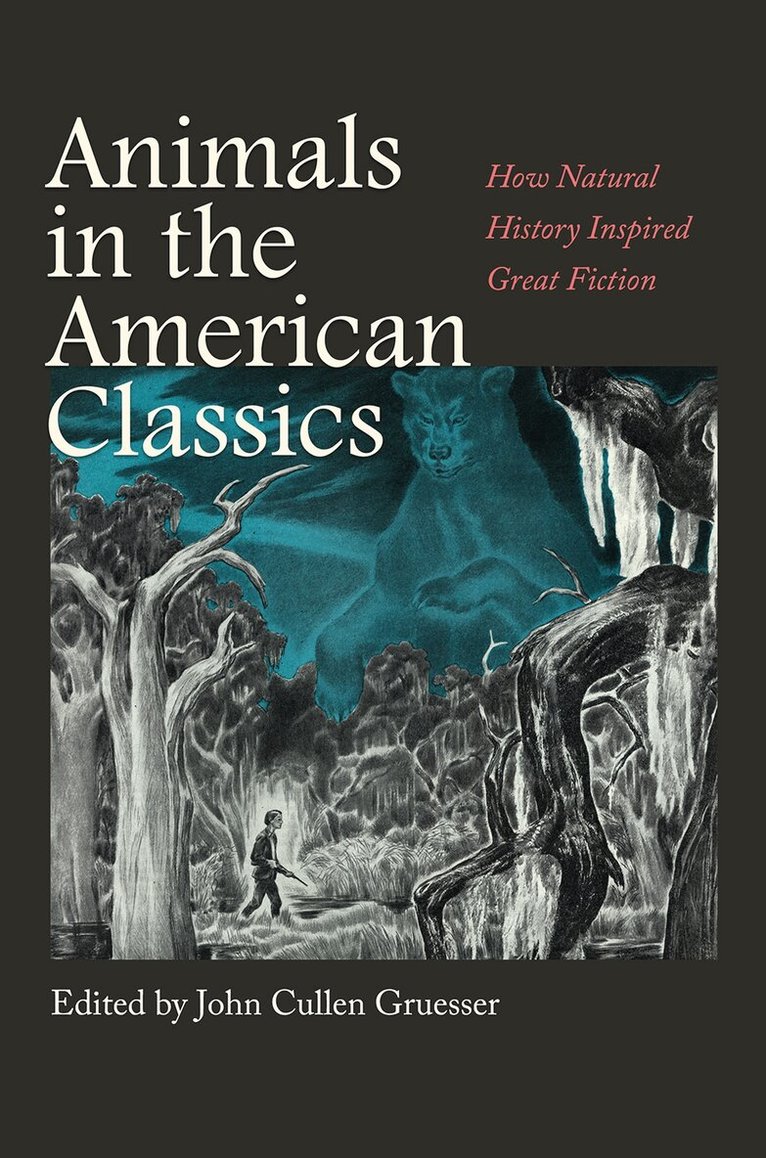
As defined by conservation biologist Thomas Fleishner, natural history is “a practice of intentional, focused receptivity to the more-than-human world . . . one of the oldest continuous human traditions.” Seldom is this idea so clearly reflected as in classic works of American fiction of the nineteenth and twentieth centuries.John Cullen Gruesser’s edited volume Animals in the American Classics: How Natural History Inspired Great Fiction features essays by prominent literary scholars that showcase natural history and the multifaceted role of animals in well-known works of fiction, from Washington Irving in the early nineteenth century to Cormac McCarthy in the late twentieth century, and including short stories and novels by Edgar Allan Poe, Herman Melville, Mark Twain, Zora Neale Hurston, William Faulkner, Ernest Hemingway, Jack London, John Steinbeck, and Harper Lee.As an introduction to or a new way of thinking about some of the best-known and most beloved literary texts this nation has produced, Animals in the American Classics considers fundamental questions of ethics and animal intelligence as well as similarities among racism, ageism, misogyny, and speciesism. With their awareness of Poe’s “more-than-casual knowledge of natural science,” Mark Twain’s proto–animal rights sensibilities, and Hurston’s training as an anthropologist, the contributors show that by drawing attention to and thinking like an animal, fiction tests the limits of humanity.