William H. Bartsch – författare
Visar alla böcker från författaren William H. Bartsch. Handla med fri frakt och snabb leverans.
6 produkter
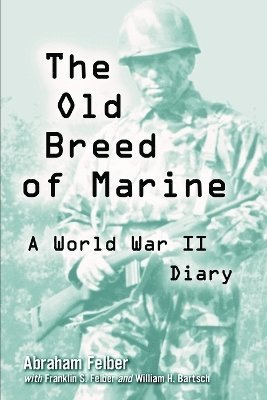
Old Breed of Marine
A World War II Diary
Av Abraham Felber, Franklin S. Felber m. fl.
Häftad, 2002
384 kr
Lägg i varukorg
On Friday, August 7, 1942, at 1300, after a furious cannonading by the Navy fighting vessels slamming salvo after salvo into the shores, 36-year-old Marine Sergeant Abraham Felber jumped from a Higgins boat onto Beach Red in the first-wave assault on the deadly jungle island of Guadalcanal. Felber …
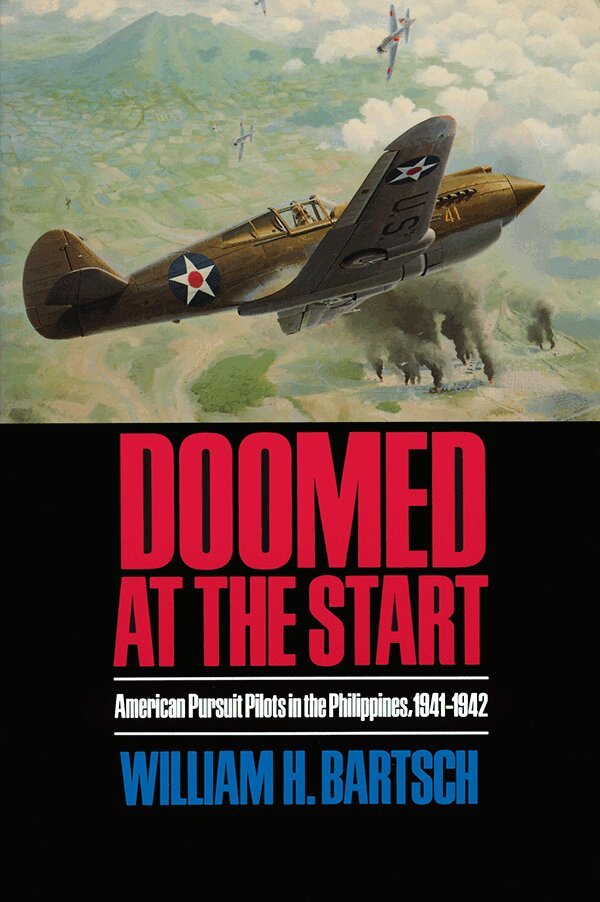
Doomed at the Start
American Pursuit Pilots in the Philippines, 1941-1942
Häftad, 1995
3,0 utav 5 stjärnor. Totalt antal röster: (1)
332 kr
Lägg i varukorg
During the first three days of the Japanese assault on American Pacific bases in December of 1941, the 24th Pursuit Group, the only unit of interceptor aircraft in the Philippine Islands, was almost destroyed as an effective force. Yet the group’s pilots, doomed from the start by their limited …
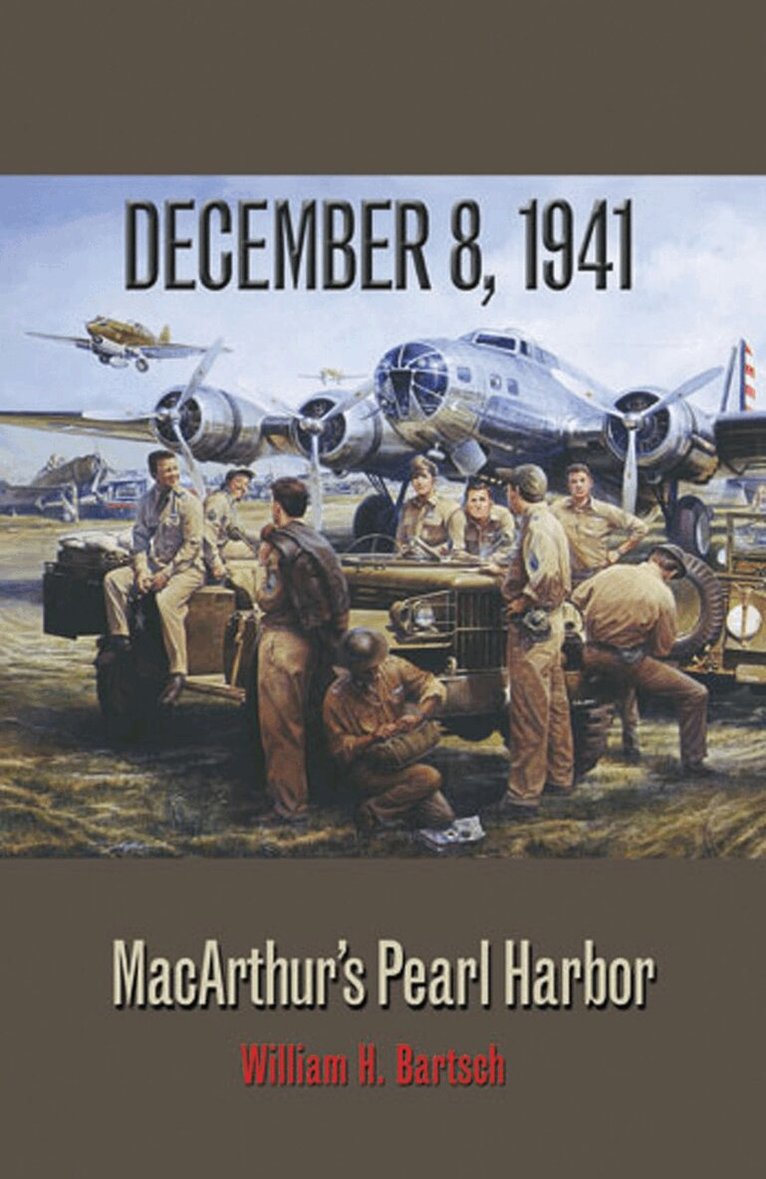
December 8, 1941
MacArthur''s Pearl Harbor
E-bok, 2003
333 kr
Lägg i varukorg
Ten hours after the attack on Pearl Harbor, “another Pearl Harbor” of even more devastating consequence for American arms occurred in the Philippines, 4,500 miles to the west. On December 8, 1941, at 12.35 p.m., 196 Japanese Navy bombers and fighters crippled the largest force of B-17 four-engine …
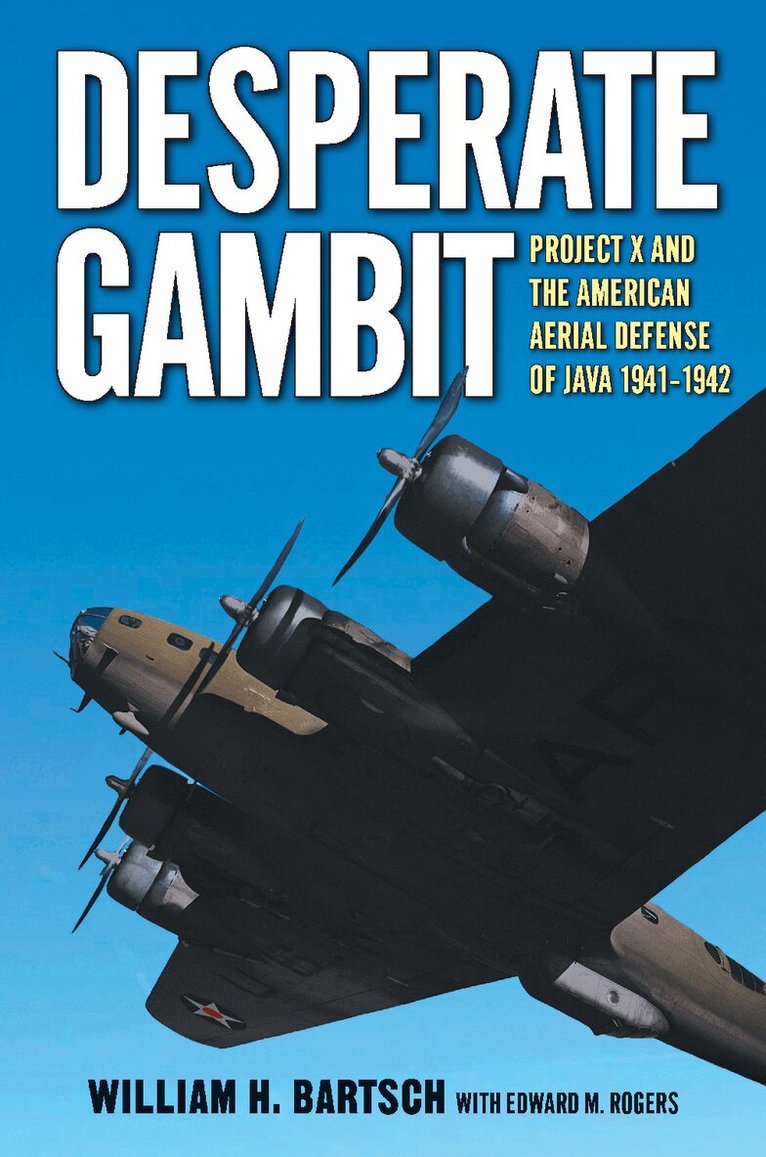
Desperate Gambit
Project X and the American Aerial Defense of Java, 1941–1942
Av William H. Bartsch, Edward M. Rogers
Inbunden, 2026
1851 kr
Kommande
In the dark days of World War II, just after Pearl Harbor, Japanese forces were moving almost at will across Southeast Asia and the Pacific. With his troops besieged in the Philippines and his bomber and fighter squadrons decimated, General MacArthur pressured the US War Department to provide …
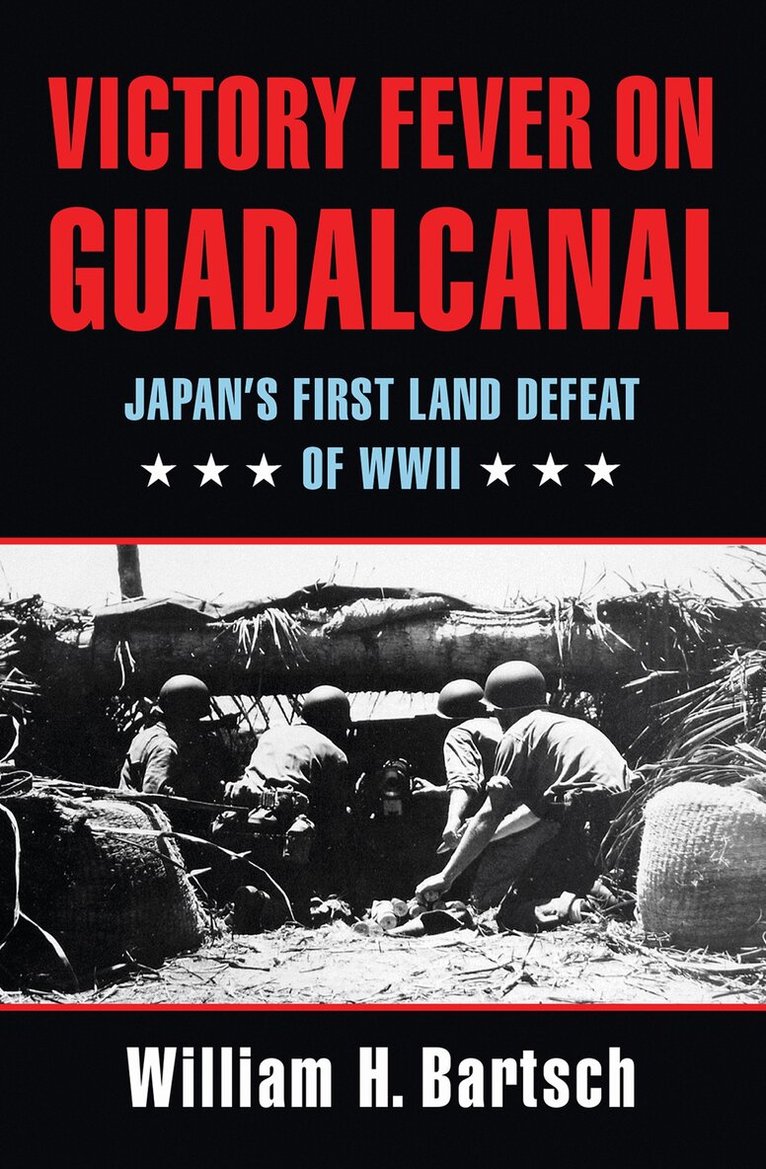
Victory Fever on Guadalcanal
Japan's First Land Defeat of World War II
Inbunden, 2014
410 kr
Tillfälligt slut
Following their rampage through Southeast Asia and the Pacific in the five months after Pearl Harbor, Japanese forces moved into the Solomon Islands, intending to cut off the critical American supply line to Australia. But when they began to construct an airfield on Guadalcanal in July 1942, the …