William H. Roberts - Böcker
Visar alla böcker från författaren William H. Roberts. Handla med fri frakt och snabb leverans.
3 produkter
3 produkter
584 kr
Tillfälligt slut
Civil War Ironclads supplies the first comprehensive study of one of the most ambitious programs in the history of naval shipbuilding. In constructing its new fleet of ironclads, William H. Roberts explains, the U.S. Navy faced the enormous engineering challenges of a largely experimental technology. In addition, it had to manage a ship acquisition program of unprecedented size and complexity. To meet these challenges, the Navy established a "project office" that was virtually independent of the existing administrative system. The office spearheaded efforts to broaden the naval industrial base and develop a marine fleet of ironclads by granting shipbuilding contracts to inland firms. Under the intense pressure of a wartime economy, it learned to support its high-technology vessels while incorporating the lessons of combat. But neither the broadened industrial base nor the advanced management system survived the return of peace. Cost overruns, delays, and technical blunders discredited the embryonic project office, while capital starvation and never-ending design changes crippled or ruined almost every major builder of ironclads.When Navy contracts evaporated, so did the shipyards. Contrary to widespread belief, Roberts concludes, the ironclad program set Navy shipbuilding back a generation.
370 kr
Skickas inom 11-20 vardagar
Civil War Ironclads supplies the first comprehensive study of one of the most ambitious programs in the history of naval shipbuilding. In constructing its new fleet of ironclads, William H. Roberts explains, the U.S. Navy faced the enormous engineering challenges of a largely experimental technology. In addition, it had to manage a ship acquisition program of unprecedented size and complexity. To meet these challenges, the Navy established a "project office" that was virtually independent of the existing administrative system. The office spearheaded efforts to broaden the naval industrial base and develop a marine fleet of ironclads by granting shipbuilding contracts to inland firms. Under the intense pressure of a wartime economy, it learned to support its high-technology vessels while incorporating the lessons of combat. But neither the broadened industrial base nor the advanced management system survived the return of peace. Cost overruns, delays, and technical blunders discredited the embryonic project office, while capital starvation and never-ending design changes crippled or ruined almost every major builder of ironclads.When Navy contracts evaporated, so did the shipyards. Contrary to widespread belief, Roberts concludes, the ironclad program set Navy shipbuilding back a generation.
475 kr
Skickas inom 3-6 vardagar
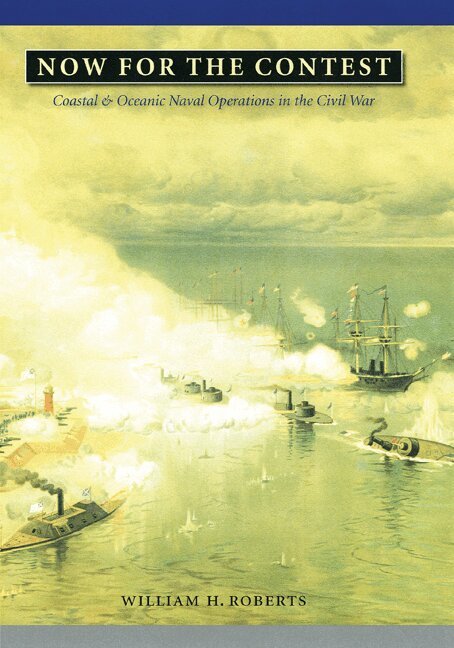
Now for the Contest tells the story of the Civil War at sea in the context of three campaigns: the blockade of the southern coast, the raiding of Union commerce, and the projection of power ashore. The Civil War at sea was profoundly influenced by innovation and asymmetry—both sides embraced innovation, but differences in their resources and their strategic objectives pushed them down different paths. At its peak the Union navy boasted over fifty thousand men and nearly seven hundred ships. The Confederate navy was far smaller, never exceeding some five thousand men, and it numbered its ships in the tens rather than the hundreds. The Confederacy's "technology strategy" and its overseas programs formed the main counterweight to the Union's numerical force. Now for the Contest also examines how both sides mobilized and employed their resources for a war that proved to be of unprecedented intensity and duration. For both antagonists the conduct of the naval war was complicated by rapid technological change, as steam power, metal armor, and more powerful ordnance sparked experiment and innovation both in naval construction and in tactics. The war years brought tremendous change to a service that did not always welcome it. Innovative technologies flourished in this hothouse atmosphere, however, and a rising generation of naval leaders would carry the knowledge of combat into the long peace that followed.