William J. Talbott – författare
Visar alla böcker från författaren William J. Talbott. Handla med fri frakt och snabb leverans.
11 produkter
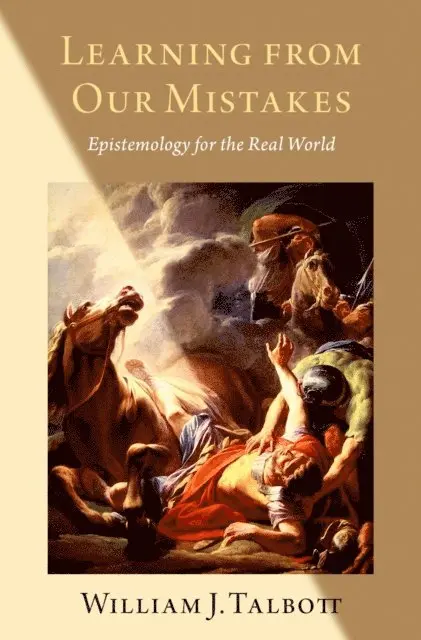
Learning from Our Mistakes
Epistemology for the Real World
E-bok, 2021
1283 kr
Lägg i varukorg
In Learning from Our Mistakes: Epistemology for the Real World , William J. Talbott provides a new framework for understanding the history of Western epistemology and uses it to propose a new way of understanding rational belief that can be applied to pressing social and political issues. …
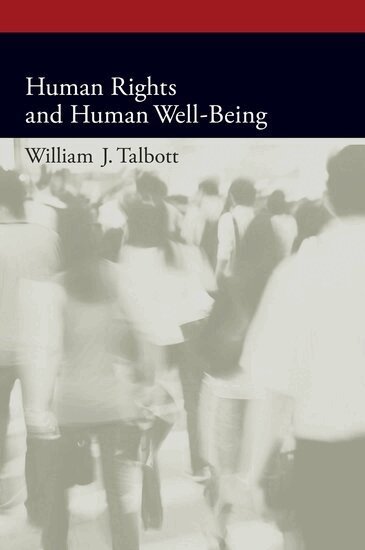
Human Rights and Human Well-Being
E-bok, 2010
457 kr
Lägg i varukorg
In the last half of the twentieth century, legalized segregation ended in the southern United States, apartheid ended in South Africa, women in many parts of the world came to be recognized as having equal rights with men, persons with disabilities came to be recognized as having rights to develop …
Which Rights Should Be Universal?
Häftad, 2007
813 kr
Lägg i varukorg
We hold these truths to be self-evident... So begins the U.S. Declaration of Independence. What follows those words is a ringing endorsement of universal rights, but it is far from self-evident. Why did the authors claim that it was? William Talbott suggests that they were trapped by a …
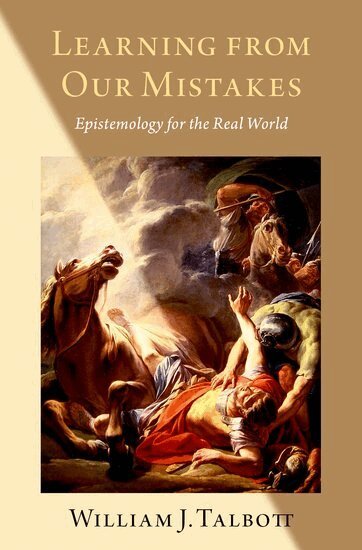
Learning from Our Mistakes
Epistemology for the Real World
Inbunden, 2021
1469 kr
Lägg i varukorg
In Learning from Our Mistakes: Epistemology for the Real World, William J. Talbott provides a new framework for understanding the history of Western epistemology and uses it to propose a new way of understanding rational belief that can be applied to pressing social and political issues.Talbott's …
Learning from Our Mistakes
Epistemology for the Real World
E-bok, 2021
1283 kr
Lägg i varukorg
In Learning from Our Mistakes: Epistemology for the Real World , William J. Talbott provides a new framework for understanding the history of Western epistemology and uses it to propose a new way of understanding rational belief that can be applied to pressing social and political issues. …
Human Rights and Human Well-Being
Häftad, 2013
667 kr
Lägg i varukorg
In the last half of the twentieth century, legalized segregation ended in the southern United States, apartheid ended in South Africa, women in many parts of the world came to be recognized as having equal rights with men, persons with disabilities came to be recognized as having rights to develop …
Human Rights and Human Well-Being
E-bok, 2010
457 kr
Lägg i varukorg
In the last half of the twentieth century, legalized segregation ended in the southern United States, apartheid ended in South Africa, women in many parts of the world came to be recognized as having equal rights with men, persons with disabilities came to be recognized as having rights to develop …
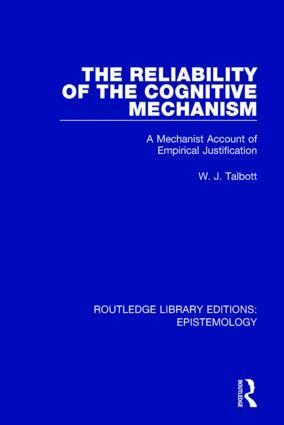
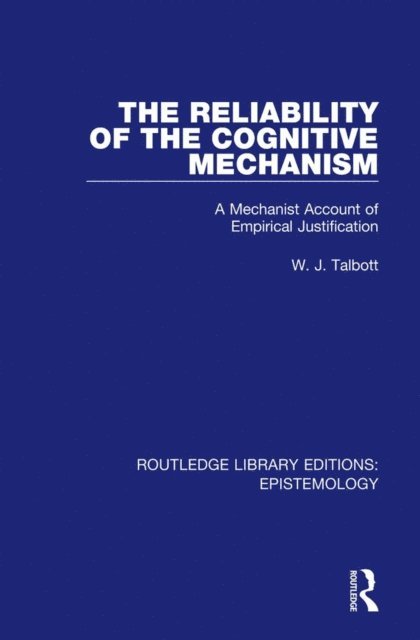
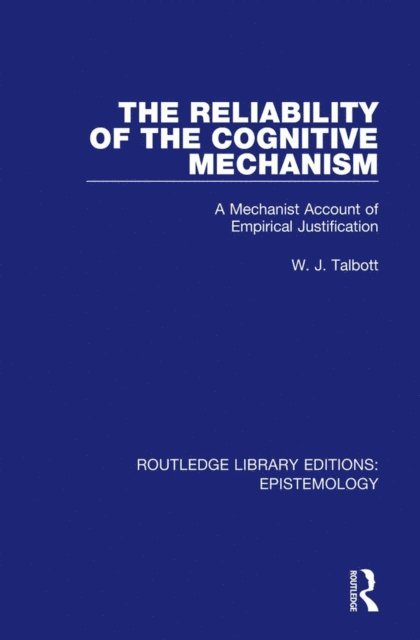
Reliability of the Cognitive Mechanism
A Mechanist Account of Empirical Justification
Inbunden, 2015
2510 kr
Lägg i varukorg
Originally published in 1990. Examining epistemic justification, truth and logic, this book works towards a holistic theory of knowledge. It discusses evidence, belief, reliability and many philosophical theories surrounding the nature of true knowledge. A thorough Preface updates the main work …
Reliability of the Cognitive Mechanism
A Mechanist Account of Empirical Justification
Häftad, 2016
749 kr
Lägg i varukorg
Originally published in 1990. Examining epistemic justification, truth and logic, this book works towards a holistic theory of knowledge. It discusses evidence, belief, reliability and many philosophical theories surrounding the nature of true knowledge. A thorough Preface updates the main work …
Reliability of the Cognitive Mechanism
A Mechanist Account of Empirical Justification
E-bok, 2015
883 kr
Lägg i varukorg
Originally published in 1990. Examining epistemic justification, truth and logic, this book works towards a holistic theory of knowledge. It discusses evidence, belief, reliability and many philosophical theories surrounding the nature of true knowledge. A thorough Preface updates the main work …
Reliability of the Cognitive Mechanism
A Mechanist Account of Empirical Justification
E-bok, 2015
883 kr
Lägg i varukorg
Originally published in 1990. Examining epistemic justification, truth and logic, this book works towards a holistic theory of knowledge. It discusses evidence, belief, reliability and many philosophical theories surrounding the nature of true knowledge. A thorough Preface updates the main work …