William L. Ramsey - Böcker
Visar alla böcker från författaren William L. Ramsey. Handla med fri frakt och snabb leverans.
2 produkter
2 produkter
434 kr
Skickas inom 10-15 vardagar
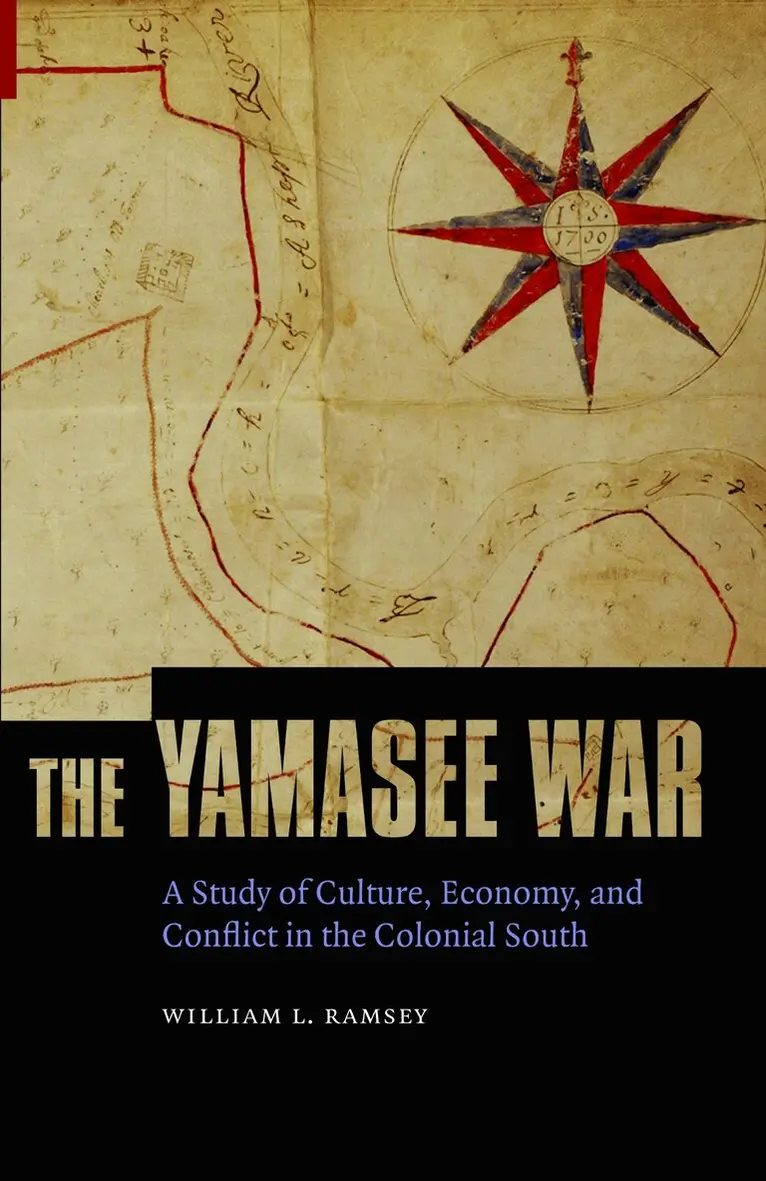
William L. Ramsey provides a thorough reappraisal of the Yamasee War, an event that stands alongside King Philip's War in New England and Pontiac's Rebellion as one of the three major "Indian wars" of the colonial era. By arguing that the Yamasee War may be the definitive watershed in the formation of the Old South, Ramsey challenges traditional arguments about the war's origins and positions the prewar concerns of Native Americans within the context of recent studies of the Indian slave trade and the Atlantic economy. The Yamasee War was a violent and bloody conflict between southeastern American Indian tribes and English colonists in South Carolina from 1715 to 1718. Ramsey's discussion of the war itself goes far beyond the coastal conflicts between Yamasees and Carolinians, however, and evaluates the regional diplomatic issues that drew Indian nations as far distant as the Choctaws in modern-day Mississippi into a far-flung anti-English alliance. In tracing the decline of Indian slavery within South Carolina during and after the war, the book reveals the shift in white racial ideology that responded to wartime concerns, including anxieties about a "black majority," which shaped efforts to revive Anglo-Indian trade relations, control the slave population, and defend the southern frontier. In assessing the causes and consequences of this pivotal conflict, The Yamasee War situates it in the broader context of southern history.
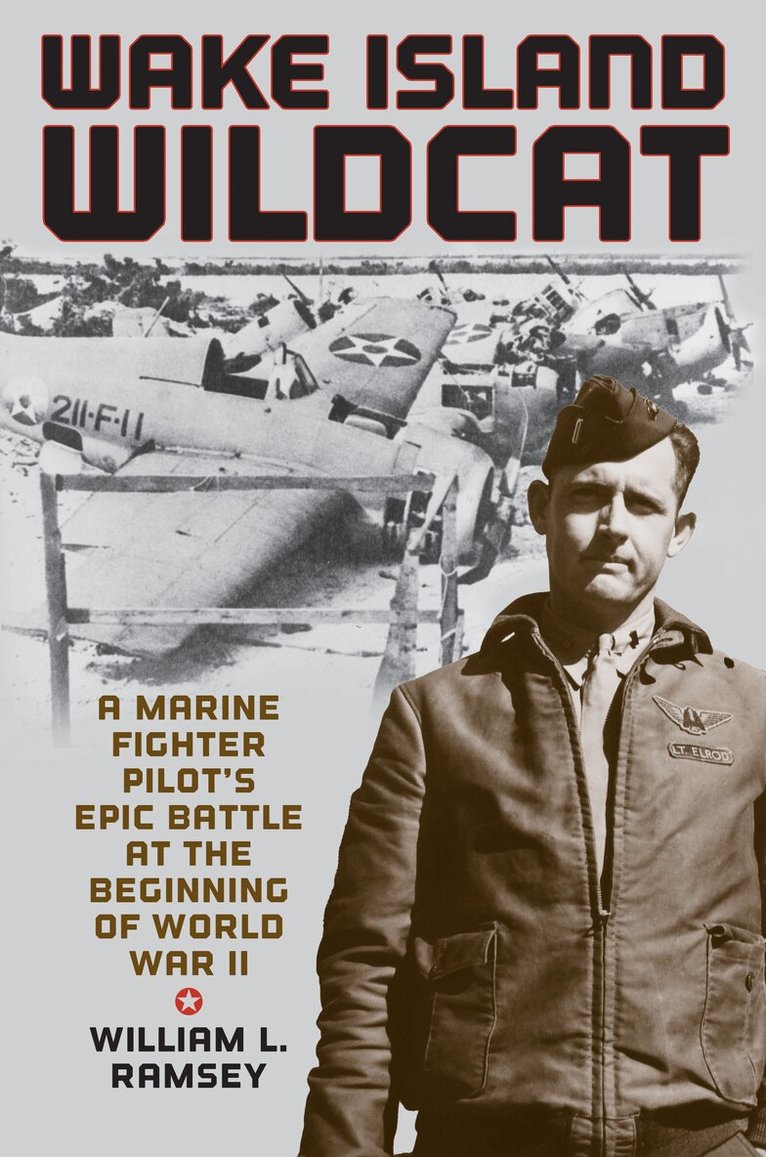
Wake Island Wildcat
A Marine Fighter Pilot's Epic Battle at the Beginning of World War II
Inbunden, Engelska, 2024
359 kr
Skickas inom 5-8 vardagar
When the Japanese attacked Wake Island in December 1941—the same day as Pearl Harbor—Marine pilot Henry Elrod took to the skies in his F4F Wildcat fighter to defend the American military base on the tiny Pacific atoll, battling swarms of enemy planes and ships with rare courage and skill for the next two weeks. A graduate of Yale who had spent his freshman year playing football at the University of Georgia, Captain Elrod had arrived mere days before to join a fighter squadron of twelve pilots. On December 12, Elrod had one of the most remarkable days of the war for any pilot in any theater, when he took on a group of twenty-two Japanese planes—shooting down two—and then bombed and strafed the destroyer Kisaragi, sinking the vessel with all hands and becoming the first American pilot to sink a warship in World War II. Then, once American aircraft were too badly damaged to fly, the pilots joined the ground defense against Japanese invasion forces. Elrod assumed command of one sector of the beach and led the repulse of repeated enemy assaults until he was killed on the last day of the battle, just before the American surrender.Even though unsuccessful, the against-the-odds battle for Wake buoyed American morale during a dark period of World War II. Elrod, who became known as “Hammerin’ Hank,” was the linchpin of the defense. For his gallantry, he was posthumously promoted to major and awarded the Medal of Honor; a U.S. Navy frigate and a street at Marine Base Quantico were named for him; and a piece of his plane is on display at the National Air & Space Museum. Drawing on research in military archives and on materials from Elrod’s family, William Ramsey tells this story—which is not only the story of the battle for Wake Island, but also the story of a Marine fighter pilot at war—with drama and verve.