William M. Aird - Böcker
Visar alla böcker från författaren William M. Aird. Handla med fri frakt och snabb leverans.
3 produkter
3 produkter
Del 14 - Studies in the History of Medieval Religion
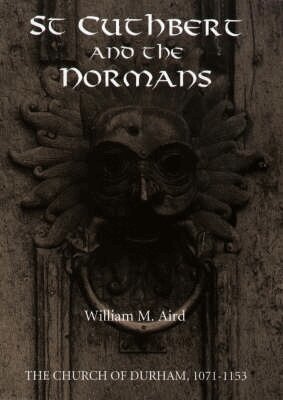
St Cuthbert and the Normans
The Church of Durham, 1071-1153
Inbunden, Engelska, 1998
1 170 kr
Skickas inom 10-15 vardagar
An alternative view of the Conquest and settlement from north-east England, charting relations between the monastic community and the invading Normans.North-east England experienced the Norman Conquest rather differently from the south of the country. This account of events in Northumbria gives an important alternative view of the Conquest and settlement, distinct from the moreusual southern and court-centred evidence. A key factor in events was the monastic community of St Cuthbert in Durham, which had survived the political upheavals following the collapse of the Northumbrian kingdom under Scandinavian pressure in the ninth century. Its position thus strengthened, it occupied an influential place in the factors ranged against the Normans, who recognised in the community a powerful force for resistance. The history of the community during the Anglo-Norman period is closely examined, particularly the relationship between the new Norman bishops and the monastic cathedral chapter and their respective rights and privileges. From this detailed study, Dr Airdargues that conquest, in the north-east at least, took a different, less traumatic form from that generally assumed from the early twelfth-century description of the reformation of the church in 1083. Throughout this account of events in Durham in the years following the conquest, Dr Aird is careful also to give due emphasis to relations with the Scots kings of the later eleventh and twelfth centuries, and to the distinctive nature of medieval Northumbriaand the Haliwerfolc in particular, that region subject to the bishops of the Church.Dr WILLIAM M. AIRD is Lecturer in History, School of History, Classics and Archaeology, University of Edinburgh.
321 kr
Skickas inom 5-8 vardagar
The acclaimed biography of the eldest son of William the Conqueror, whose failure to secure the kingdom of England has overshadowed his role in capturing Jerusalem during the First Crusade.This detailed biography offers a reappraisal of the career of Robert Curthose, William the Conqueror's eldest son and duke of Normandy from 1087 to 1106, locating the duke's career in the social, cultural and political context ofthe period. Robert's relationship with members of his family shaped the political landscape of England and Normandy for much of the late eleventh and early twelfth centuries: indeed, even after his incarceration, from 1106 to 1134, his son William Clito (d. 1128) continued the fight against Robert's brother, Henry I. Twice driven into exile, Robert defeated his father in battle and eventually succeeded to the duchy of Normandy, although the throne of England was seized by William Rufus and then Henry I. For twenty years Robert successfully defended Normandy, developing policies to counter the vastly superior English resources at the disposal of his brothers. Robert's leading role in the success of the First Crusade [1095-99] also made him one of the most famous warriors of his age. He returned to Western Europe in 1100, a chivalric hero with a reputation that stretched from Scotland to Palestine. This book returns Robert Curthose to centre stage in the bloody drama of this period, a drama so often dominated by accounts from a royal and English perspective.
1 259 kr
Kommande
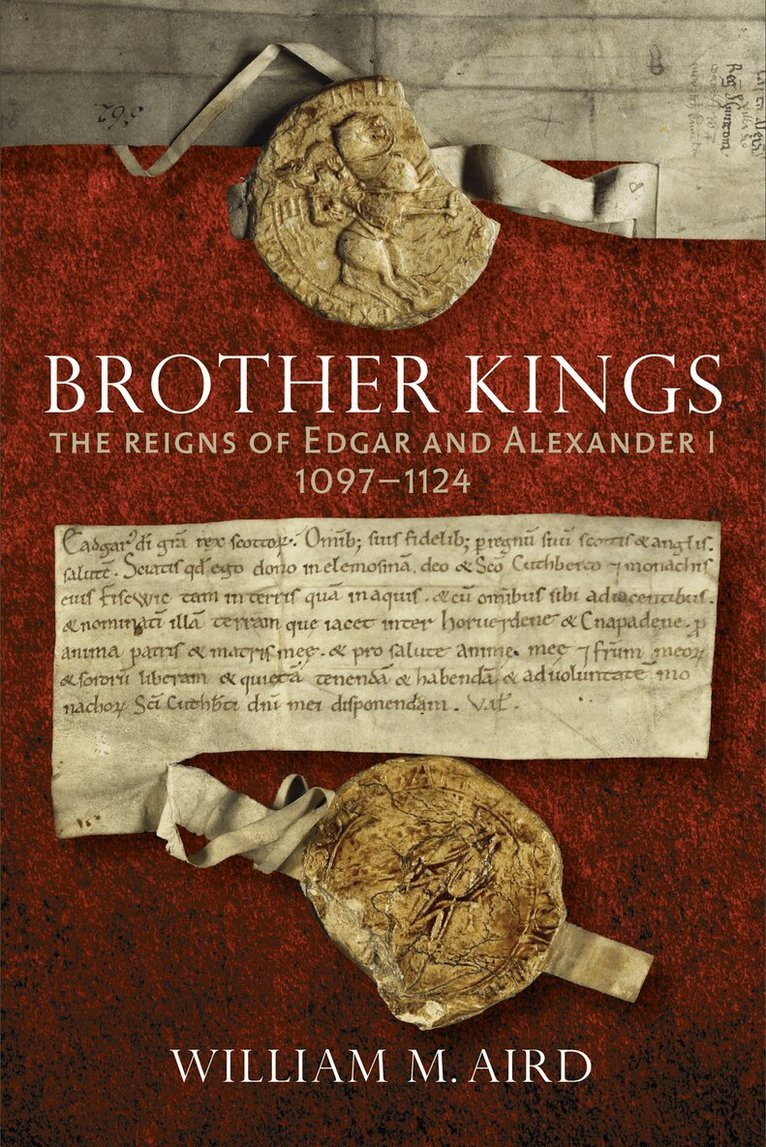
The reigns of Edgar (1097–1107) and Alexander I (1107–1124) have been overshadowed by those of their father Mael Coluim III (1057–1093) and their younger brother David I (1124–1153). This joint biographical study of the two kings highlights that the kingship of the Scots was a family enterprise in the eleventh and twelfth centuries.The relatively peaceful succession of the three brothers, Edgar, Alexander I and David I, stands in sharp contrast with the violent deaths, civil wars and usurpations that marked the turbulent succession to William the Conqueror in England and Normandy. The book argues that the sibling relationships between the brothers and with other members of their family, especially their sisters Queen Matilda of England and Mary, Countess of Boulogne, allow us to take a new look at the key developments that took place in the kingdom of Scots at the beginning of the twelfth century. One twelfth-century historian, the monk Orderic Vitalis, wrote: ‘all these brothers in turn reigned Scotland, giving abundant evidence of their good character and love of God; and they led praiseworthy lives in the way appropriate for young laymen.’ This book tests the truth of Orderic’s assessment.