William M. Ferriter – författare
Visar alla böcker från författaren William M. Ferriter. Handla med fri frakt och snabb leverans.
14 produkter
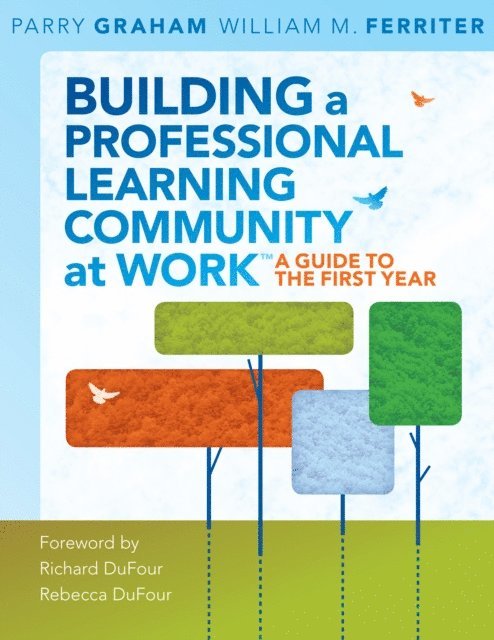
Building a Professional Learning Community at Work TM
A Guide to the First Year
Av William M. Ferriter, Parry Graham
E-bok, 2009
427 kr
Lägg i varukorg
Get a play-by-play guide to implementing PLC concepts. Each chapter begins with a story focused on a particular challenge. A follow-up analysis of the story identifies the good decisions or common mistakes made in relation to that particular scenario. The authors examine the research behind best …
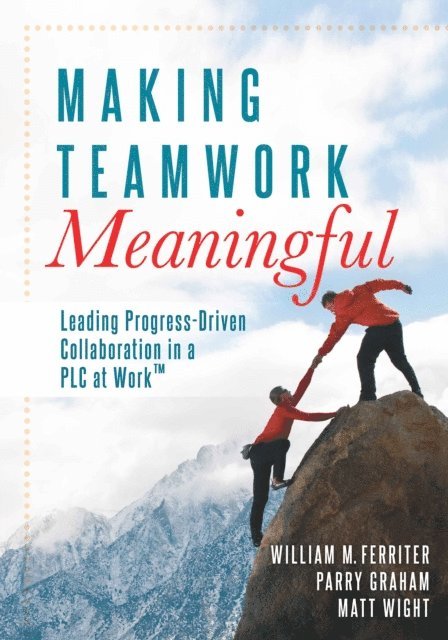
Making Teamwork Meaningful
Leading Progress-Driven Collaboration in a PLC at Work™
Av Parry Graham, William M. Ferriter
E-bok, 2012
390 kr
Lägg i varukorg
Focus on developing people—not just improving test scores. The authors examine how staffing decisions can strengthen professional learning communities and explore actions that can help school leaders safeguard their schools against complacency. Collect tips and strategies that every teacher can …
Teaching the iGeneration
Five Easy Ways to Introduce Essential Skills With Web 2.0 Tools
Av Adam Garry, William M. Ferriter
E-bok, 2015
341 kr
Lägg i varukorg
Find the natural overlap between the work you already believe in and the digital tools that define today’s learning. Each chapter introduces an enduring skill: information fluency, verbal persuasion, visual persuasion, collaborative dialogue, and problem solving. Then, the authors present a digital …
Creating Purpose-Driven Learning Experiences
E-bok, 2015
256 kr
Lägg i varukorg
Motivate and inspire students to learn at high levels. By bringing meaningful work to the classroom, students will develop curiosity, become actively engaged, and have a sense of purpose for their education. Discover strategies and tips for reshaping the traditional classroom environment to give …
Creating a Culture of Feedback
(Empower Students to Own Their Learning)
Av Paul J. Cancellieri, William M. Ferriter
E-bok, 2016
251 kr
Lägg i varukorg
By overemphasizing high-stakes evaluations as tools for reporting what students know and can do, we’ve created a culture of grading instead of a culture of feedback in our schools and classrooms. In this book, the authors urge educators to shift their classroom focus, prioritizing effective …
Big Book of Tools for Collaborative Teams in a PLC at Work®
(An explicitly structured guide for team learning and implementing collaborative PLC strategies)
Häftad, 2020
484 kr
Lägg i varukorg
Build your team's capacity to become agents of positive change. Organized around the four critical questions of PLC at Work®, this comprehensive book of field-tested, easy-to-use tools provides an explicit structure for collaborative teams. Rely on these resources and best practices to help you …
Big Book of Tools for Collaborative Teams in a PLC at Work(R)
(An explicitly structured guide for team learning and implementing collaborative PLC strategies)
E-bok, 2020
463 kr
Lägg i varukorg
Build your team''s capacity to become agents of positive change. Organized around the four critical questions of PLC at Work®, this comprehensive book of field-tested, easy-to-use tools provides an explicit structure for collaborative teams. Rely on these resources and best practices to help you …
You Can Learn!
Building Student Ownership, Motivation, and Efficacy With the PLC at Work® Process (Strategies for PLC Teams to Improve Student Engagement and Promote Self-Efficacy in the Classroom)
Av William M. Ferriter, Tim Brown
E-bok, 2021
390 kr
Lägg i varukorg
Great learning starts when students believe in their academic abilities. In You Can Learn! , authors Tim Brown and William M. Ferriter introduce intentional and purposeful steps collaborative teams can take to increase the self-efficacy of every learner. By incorporating the book''s research-backed …
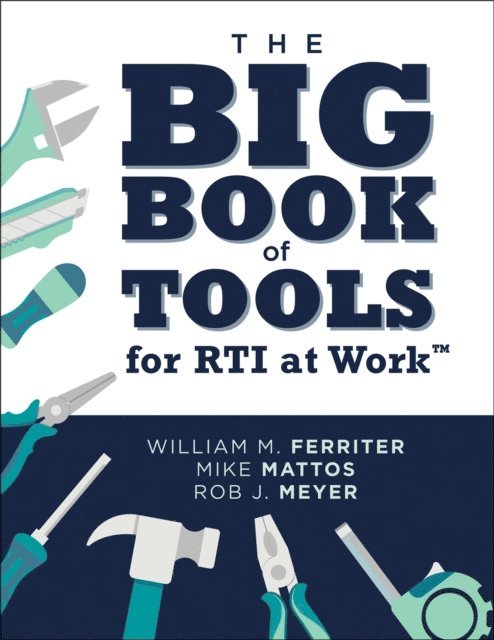
Big Book of Tools for RTI at Work(TM)
(Targeted, ready-to-use tools for achieving MTSS)
Av Rob J. Meyer, Mike Mattos m. fl.
E-bok, 2024
463 kr
Lägg i varukorg
In The Big Book of Tools for RTI at Work™, William M. Ferriter, Mike Mattos, and Rob J. Meyer deliver a robust set of tools for teachers and leaders to employ on their journey to implementing effective additional support for struggling students. Practical and full of resources, this book supplies …
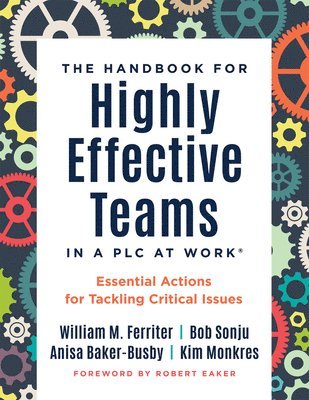
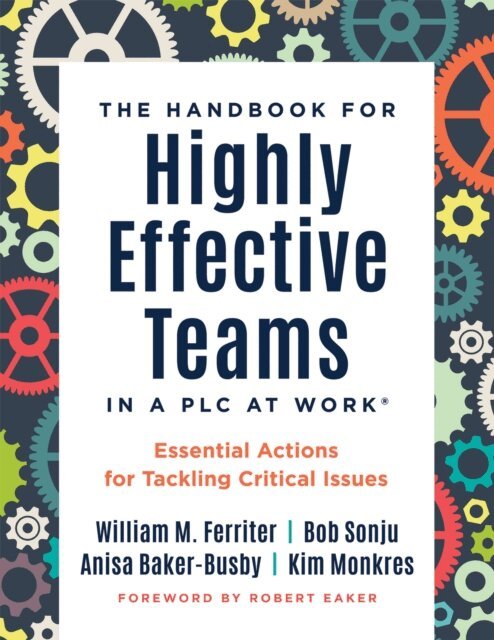
Handbook for Highly Effective Teams in a PLC at Work(R)
Essential Actions for Tackling Critical Issues (Building highly effective teams)
Av Kim Monkres, Anisa Baker-Busby m. fl.
E-bok, 2025
453 kr
Lägg i varukorg
Transform your teacher teams into the driving force of student success and collaboration with this practical, action-driven guide. A companion to Learning by Doing, this handbook delivers 15 essential actions that highly effective teams use to strengthen collaboration, clarify student learning …
Building a Professional Learning Community at Work: A Guide to the First Year Library Edition
Av Parry Graham, William M. Ferriter
Inbunden
639 kr
Tillfälligt slut
Communicating & Connecting with Social Media
Av William M. Ferriter, Jason T. Ramsden
Inbunden
294 kr
Tillfälligt slut