William Marotti – författare
Visar alla böcker från författaren William Marotti. Handla med fri frakt och snabb leverans.
7 produkter
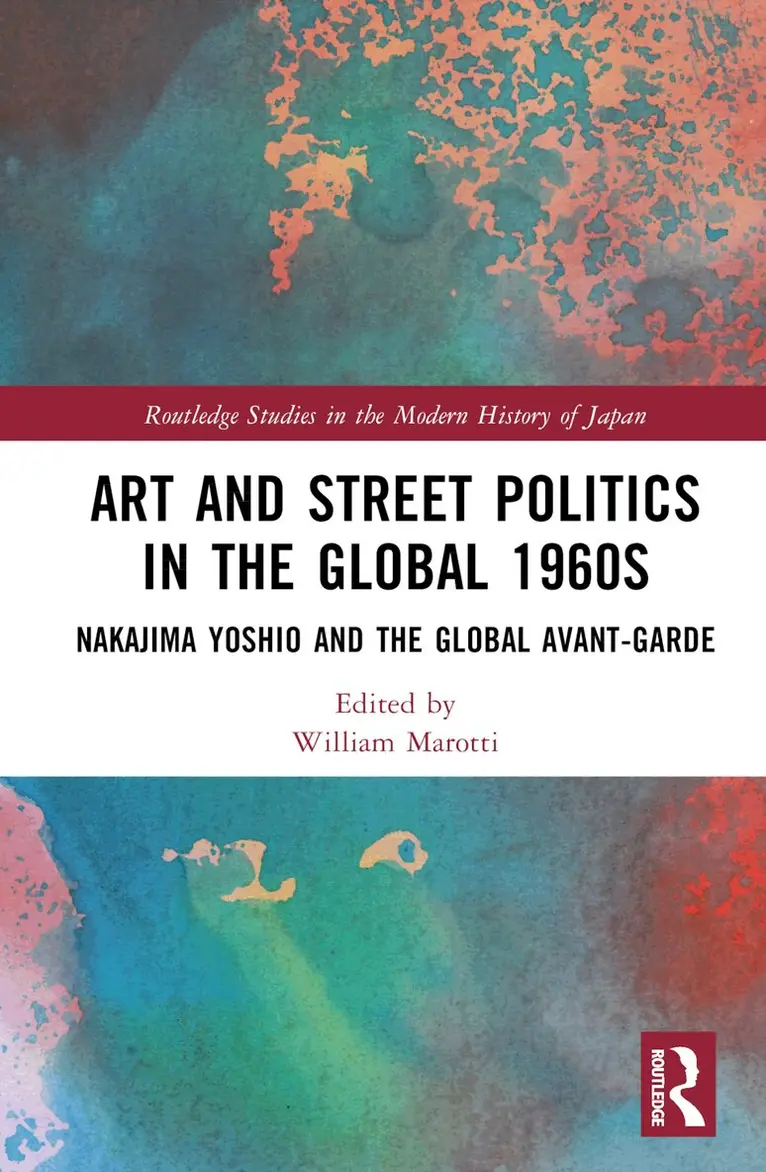
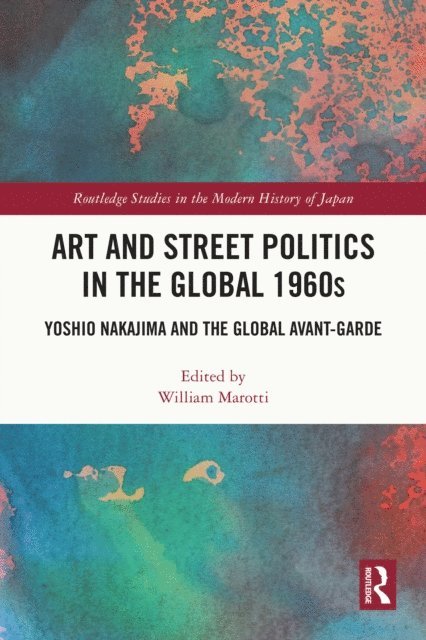
Art and Street Politics in the Global 1960s
Yoshio Nakajima and the Global Avant-Garde
Inbunden, 2023
2578 kr
Lägg i varukorg
Anarchic street performances in late-1950s Japan; inauguration of the first Happenings in Antwerp and charging of the "magic circle" in Amsterdam; Bauhaus Situationiste and anti-national art exchanges, networks and communes. As "Happener" and "Art Missionary," Yoshio Nakajima’s storied career …
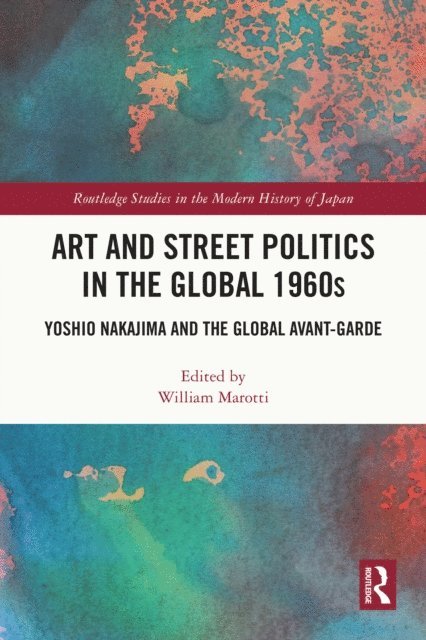
Art and Street Politics in the Global 1960s
Yoshio Nakajima and the Global Avant-Garde
Häftad, 2024
710 kr
Lägg i varukorg
Anarchic street performances in late-1950s Japan; inauguration of the first Happenings in Antwerp and charging of the "magic circle" in Amsterdam; Bauhaus Situationiste and anti-national art exchanges, networks and communes. As "Happener" and "Art Missionary," Yoshio Nakajima’s storied career …
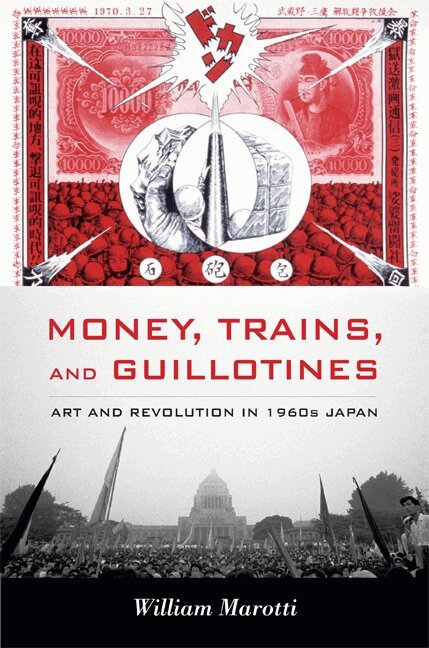
Money, Trains, and Guillotines
Art and Revolution in 1960s Japan
Inbunden, 2013
1501 kr
Lägg i varukorg
During the 1960s a group of young artists in Japan challenged official forms of politics and daily life through interventionist art practices. William Marotti situates this phenomenon in the historical and political contexts of Japan after the Second World War and the international activism of the …
Money, Trains, and Guillotines
Art and Revolution in 1960s Japan
Häftad, 2013
510 kr
Lägg i varukorg
During the 1960s a group of young artists in Japan challenged official forms of politics and daily life through interventionist art practices. William Marotti situates this phenomenon in the historical and political contexts of Japan after the Second World War and the international activism of the …
Money, Trains, and Guillotines
Art and Revolution in 1960s Japan
E-bok, 2013
756 kr
Lägg i varukorg
During the 1960s a group of young artists in Japan challenged official forms of politics and daily life through interventionist art practices. William Marotti situates this phenomenon in the historical and political contexts of Japan after the Second World War and the international activism of the …
Art and Street Politics in the Global 1960s
Yoshio Nakajima and the Global Avant-Garde
E-bok, 2023
820 kr
Lägg i varukorg
Anarchic street performances in late-1950s Japan; inauguration of the first Happenings in Antwerp and charging of the "magic circle" in Amsterdam; Bauhaus Situationiste and anti-national art exchanges, networks and communes. As "Happener" and "Art Missionary," Yoshio Nakajima’s storied career …
Art and Street Politics in the Global 1960s
Yoshio Nakajima and the Global Avant-Garde
E-bok, 2023
820 kr
Lägg i varukorg
Anarchic street performances in late-1950s Japan; inauguration of the first Happenings in Antwerp and charging of the "magic circle" in Amsterdam; Bauhaus Situationiste and anti-national art exchanges, networks and communes. As "Happener" and "Art Missionary," Yoshio Nakajima’s storied career …