William McCord - Böcker
Visar alla böcker från författaren William McCord. Handla med fri frakt och snabb leverans.
6 produkter
6 produkter
683 kr
Skickas inom 10-15 vardagar
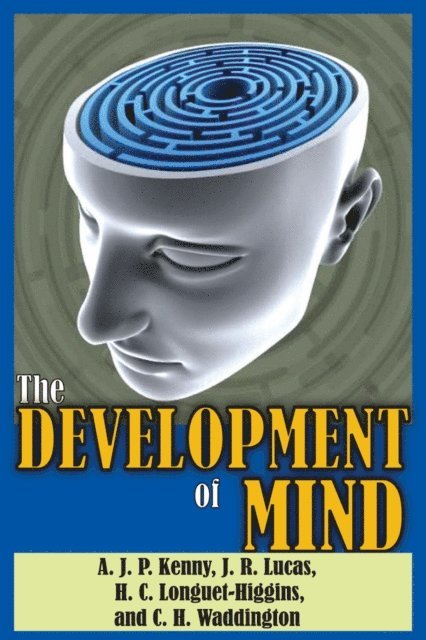
The experimental and highly regarded Gifford Lectures at Edinburgh University was endowed in the late nineteenth century. Over the years, participants have including many leading representatives of religion, science, and philosophy. This series has as its subject, The Development of Mind. First published in 1972, the series continues to attract widespread interest. In this volume, contributors argue about the mind from diverse analytical standpoints.The focus of the series remains the relationship between religion, science, and philosophy. This volume attempts to achieve a comprehensive view of the subject of mind. The mental development of children in the light of modern psychology is discussed, and the distinction between "how" and "why" questions is put forward with clarity. The development of mind is further contrasted with the evolution of embryos in the young. The mind is considered as a capacity for intellectual activity, and as a multi-purpose program. Goal-directed behavior and language development are given importance, and issues of cosmic purpose, and the how and why of evolution, are never far from the surface of the argument.The lecturers know their opposition and their positions, and the cut-and-thrust of the discussion has much acumen and wit to it. Issues ranging from the impact of mind on theories of religion, causation, and rational will are examined in an informal, yet compelling, manner.
1 748 kr
Skickas inom 10-15 vardagar
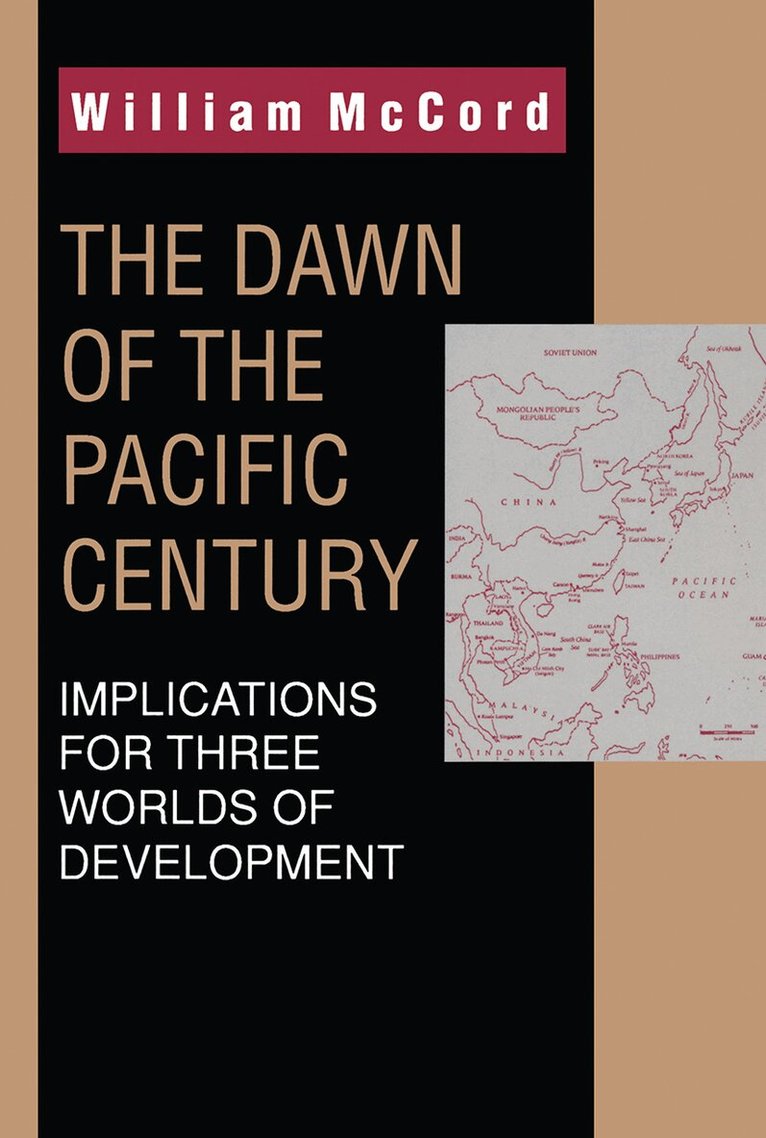
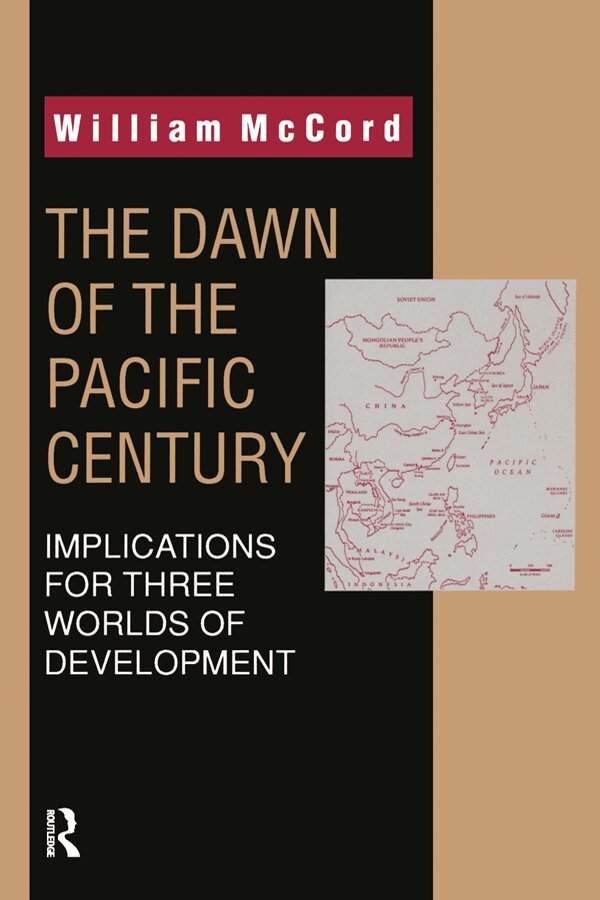
This book is a bold affirmation of the Asian "miracle" of development, an explanation of the reasons for its success, and a review of its implications. As McCord reminds us, understanding why and how these nations have propelled themselves so far, so fast, is a key to anticipating the destiny of much of the rest of the world.Despite their interest, analysts have been confounded in attempts to explain Asian development-without resources and colonies, without internal violence, and broadly distributing wealth as they have grown. Existing theories of development offer little guidance. Even explanations that look to the special circumstances of Asian countries have their weaknesses. McCord considers some of these ideas, so as to draw from them common themes. These so-called explanations have ranged from the "culture" argument, which he generally discounts, to the more persuasive arguments positing that Asian social structures have enabled them to avoid some of the problems in the West, while wise political policies have fueled economic development Reviewing all of these explanations, McCord identifies a common group of socioeconomic values and policies shared by most of these nations. And these, he shows, tell us much.The Dawn of the Pacific Century convincingly makes the case for a genuinely Asian model of development-one that must be understood, on its own terms, without reference to either Adam Smith or Karl Marx. McCord's is an optimistic vision. He acknowledges some very real perils that may lay ahead for these nations, but believes they will be overcome. On the critical question of whether the Asian model is applicable to other parts of the developing world McCord answers "Yes, if...", and outlines what non-Asian nations must do to achieve their own successes.Engagingly written, displaying a commanding knowledge of a broad range of literature, and informed by deep personal experience in Asia and other parts of the world, The Dawn of the Pacific Century challenges conventional thinking. It should find a broad professional social science readership. In addition, those general readers who wish to learn from and understand the Asian challenge will find this book a good beginning.
2 103 kr
Skickas inom 10-15 vardagar
The experimental and highly regarded Gifford Lectures at Edinburgh University was endowed in the late nineteenth century. Over the years, participants have including many leading representatives of religion, science, and philosophy. This series has as its subject, The Development of Mind. First published in 1972, the series continues to attract widespread interest. In this volume, contributors argue about the mind from diverse analytical standpoints.The focus of the series remains the relationship between religion, science, and philosophy. This volume attempts to achieve a comprehensive view of the subject of mind. The mental development of children in the light of modern psychology is discussed, and the distinction between "how" and "why" questions is put forward with clarity. The development of mind is further contrasted with the evolution of embryos in the young. The mind is considered as a capacity for intellectual activity, and as a multi-purpose program. Goal-directed behavior and language development are given importance, and issues of cosmic purpose, and the how and why of evolution, are never far from the surface of the argument.The lecturers know their opposition and their positions, and the cut-and-thrust of the discussion has much acumen and wit to it. Issues ranging from the impact of mind on theories of religion, causation, and rational will are examined in an informal, yet compelling, manner.
1 213 kr
Skickas inom 10-15 vardagar
In 1964, sociologist William McCord, long interested in movements for social change in the United States, began a study of Mississippi's Freedom Summer. Stanford University, where McCord taught, had been the site of recruiting efforts for student volunteers for the Freedom Summer project by such activists as Robert Moses and Allard Lowenstein. Described by his wife as ""an old-fashioned liberal,"" McCord believed that he should both examine and participate in events in Mississippi. He accompanied student workers and black Mississippians to courthouses and Freedom Houses, and he attracted police attention as he studied the mechanisms of white supremacy and the black nonviolent campaign against racial segregation.Published in 1965 by W. W. Norton, his book, Mississippi: The Long, Hot Summer, is one of the first examinations of the events of 1964 by a scholar. It provides a compelling, detailed account of Mississippi people and places, including the thousands of student workers who found in the state both opportunities and severe challenges. McCord's work sought to communicate to a broad audience the depth of repression in Mississippi. Here was evidence of the need for federal action to address what he recognized as both national and southern failures to secure civil rights for black Americans. His field work and activism in Mississippi offered a perspective that few other academics or other white Americans had shared.Historian Françoise N. Hamlin provides a substantial introduction that sets McCord's work within the context of other narratives of Freedom Summer and explores McCord's broader career that combined distinguished scholarship with social activism.
377 kr
Skickas inom 10-15 vardagar
In 1964, sociologist William McCord, long interested in movements for social change in the United States, began a study of Mississippi's Freedom Summer. Stanford University, where McCord taught, had been the site of recruiting efforts for student volunteers for the Freedom Summer project by such activists as Robert Moses and Allard Lowenstein. Described by his wife as ""an old-fashioned liberal,"" McCord believed that he should both examine and participate in events in Mississippi. He accompanied student workers and black Mississippians to courthouses and Freedom Houses, and he attracted police attention as he studied the mechanisms of white supremacy and the black nonviolent campaign against racial segregation.Published in 1965 by W. W. Norton, his book, Mississippi: The Long, Hot Summer, is one of the first examinations of the events of 1964 by a scholar. It provides a compelling, detailed account of Mississippi people and places, including the thousands of student workers who found in the state both opportunities and severe challenges. McCord's work sought to communicate to a broad audience the depth of repression in Mississippi. Here was evidence of the need for federal action to address what he recognized as both national and southern failures to secure civil rights for black Americans. His field work and activism in Mississippi offered a perspective that few other academics or other white Americans had shared.Historian Françoise N. Hamlin provides a substantial introduction that sets McCord's work within the context of other narratives of Freedom Summer and explores McCord's broader career that combined distinguished scholarship with social activism.
426 kr
Skickas inom 10-15 vardagar
This book is a bold affirmation of the Asian "miracle" of development, an explanation of the reasons for its success, and a review of its implications. As McCord reminds us, understanding why and how these nations have propelled themselves so far, so fast, is a key to anticipating the destiny of much of the rest of the world.Despite their interest, analysts have been confounded in attempts to explain Asian development-without resources and colonies, without internal violence, and broadly distributing wealth as they have grown. Existing theories of development offer little guidance. Even explanations that look to the special circumstances of Asian countries have their weaknesses. McCord considers some of these ideas, so as to draw from them common themes. These so-called explanations have ranged from the "culture" argument, which he generally discounts, to the more persuasive arguments positing that Asian social structures have enabled them to avoid some of the problems in the West, while wise political policies have fueled economic development Reviewing all of these explanations, McCord identifies a common group of socioeconomic values and policies shared by most of these nations. And these, he shows, tell us much.The Dawn of the Pacific Century convincingly makes the case for a genuinely Asian model of development-one that must be understood, on its own terms, without reference to either Adam Smith or Karl Marx. McCord's is an optimistic vision. He acknowledges some very real perils that may lay ahead for these nations, but believes they will be overcome. On the critical question of whether the Asian model is applicable to other parts of the developing world McCord answers "Yes, if...", and outlines what non-Asian nations must do to achieve their own successes.Engagingly written, displaying a commanding knowledge of a broad range of literature, and informed by deep personal experience in Asia and other parts of the world, The Dawn of the Pacific Century challenges conventional thinking. It should find a broad professional social science readership. In addition, those general readers who wish to learn from and understand the Asian challenge will find this book a good beginning.