William N. Still Jr. – författare
Visar alla böcker från författaren William N. Still Jr.. Handla med fri frakt och snabb leverans.
6 produkter
Elements of Confederate Defeat
Nationalism, War Aims, and Religion
Av Richard E. Beringer, Herman Hattaway m. fl.
Häftad, 1988
477 kr
Lägg i varukorg
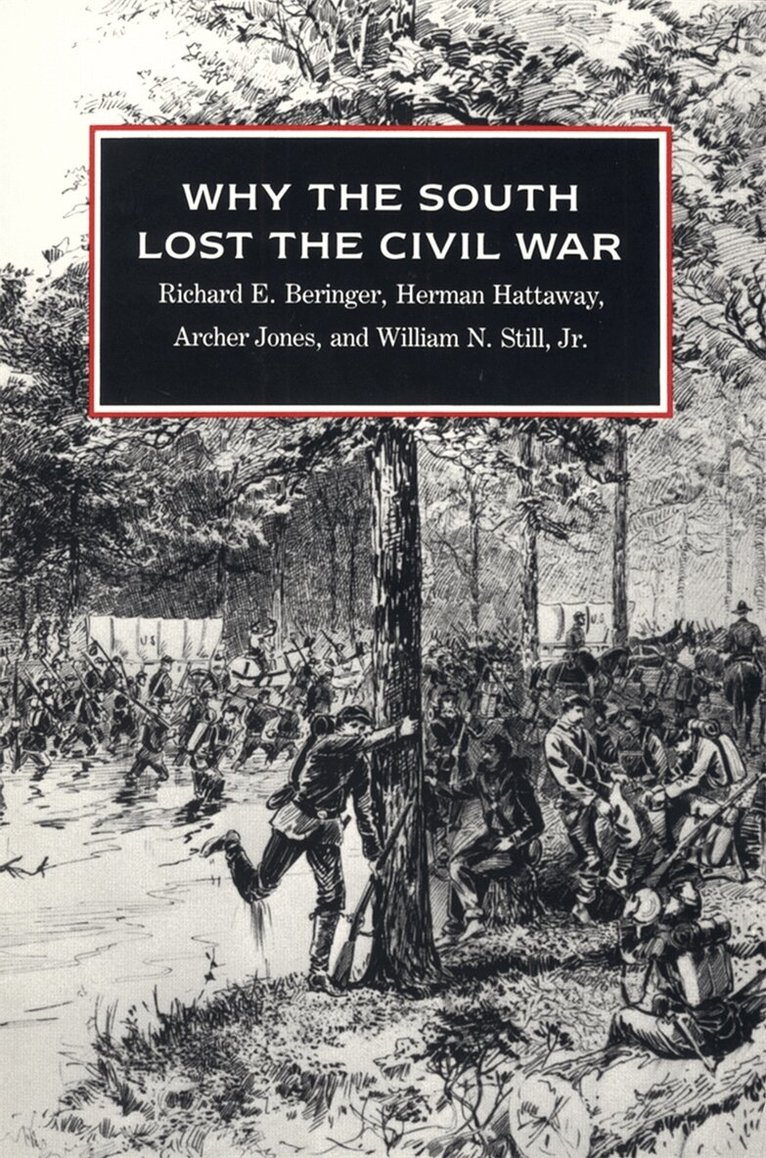
In Why the South Lost the Civil War, four historians considered the dominant explanations of southern defeat. At end, the authors found that states' rights disputes, the Union blockade, and inadequate southern forces did not fully account for the surrender. Rather, they concluded, the South lacked …
Why the South Lost the Civil War
Av Richard E. Beringer, Herman Hattaway m. fl.
Häftad, 1991
698 kr
Lägg i varukorg
In this widely heralded book first published in 1986, four historians consider the popularly held explanations for southern defeat—state-rights disputes, inadequate military supply and strategy, and the Union blockade—undergirding their discussion with a chronological account of the war's progress. …
Shipbuilding in North Carolina, 1688-1918
Av William N. Still Jr., Richard A. Stephenson
Häftad, 2021
458 kr
Lägg i varukorg
In their comprehensive and authoritative history of boat and shipbuilding in North Carolina through the early twentieth century, William Still and Richard Stephenson document for the first time a bygone era when maritime industries dotted the Tar Heel coast. The work of shipbuilding craftsmen and …
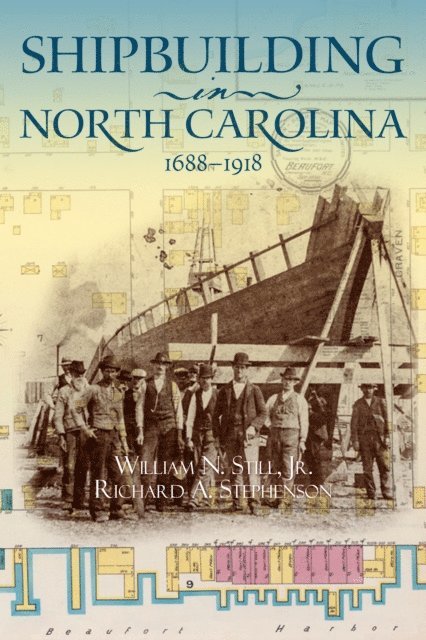
Shipbuilding in North Carolina, 1688-1918
Av Richard A. Stephenson, William N. Still Jr.
E-bok, 2021
2140 kr
Lägg i varukorg
In their comprehensive and authoritative history of boat and shipbuilding in North Carolina through the early twentieth century, William Still and Richard Stephenson document for the first time a bygone era when maritime industries dotted the Tar Heel coast. The work of shipbuilding craftsmen and …
American Sea Power in the Old World
The United States Navy in European and Near Eastern Waters, 1865-1917
Häftad, 2018
273 kr
Lägg i varukorg
This classic study examines the deployment of U.S. naval vessels in European and Near Eastern waters from the end of the Civil War until the United States declared war in April 1917. Initially these ships were employed to visit various ports from the Baltic Sea to the eastern Mediterranean and …
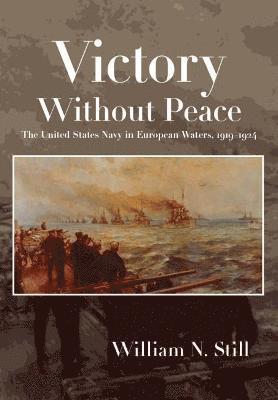
Victory Without Peace
The United States Navy in European Waters, 1919-1924
Inbunden, 2018
1182 kr
Lägg i varukorg
Victory Without Peace concentrates on the U.S. Navy in European and NearEastern waters during the post-World War I era. As participants in theVersailles peace negotiations, the Navy was charged with executing the navalterms of the Armistice as well as preserving stability and peace. U.S. …