William R. Childs – författare
Visar alla böcker från författaren William R. Childs. Handla med fri frakt och snabb leverans.
4 produkter
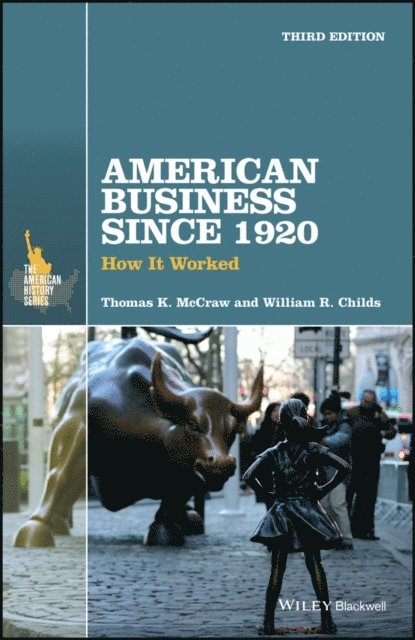
American Business Since 1920
How It Worked
Av William R. Childs, Thomas K. McCraw
E-bok, 2017
453 kr
Lägg i varukorg
Tells the story of how America’s biggest companies began, operated, and prospered post-World War I This book takes the vantage point of people working within companies as they responded to constant change created by consumers and technology. It focuses on the entrepreneur, the firm, and the …
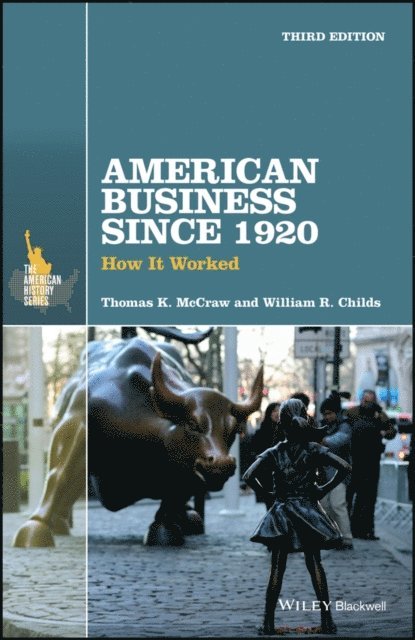
American Business Since 1920
How It Worked
Av William R. Childs, Thomas K. McCraw
E-bok, 2017
453 kr
Lägg i varukorg
Tells the story of how America’s biggest companies began, operated, and prospered post-World War I This book takes the vantage point of people working within companies as they responded to constant change created by consumers and technology. It focuses on the entrepreneur, the firm, and the …
American Business Since 1920
How It Worked
Av Thomas K. McCraw, William R. Childs
Häftad, 2018
395 kr
Lägg i varukorg
Tells the story of how America’s biggest companies began, operated, and prospered post-World War IThis book takes the vantage point of people working within companies as they responded to constant change created by consumers and technology. It focuses on the entrepreneur, the firm, and the …
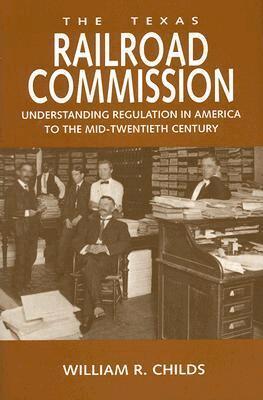
Texas Railroad Commission
Understanding Regulation in America to the Mid-Twentieth Century
Inbunden, 2005
410 kr
Lägg i varukorg
Before OPEC took center stage, one state agency in Texas was widely believed to set oil prices for the world. The Texas Railroad Commission (TRC) evolved from its founding in 1891 to a multi-divisional regulatory commission that oversaw not only railroads but also a number of other industries …