William S. Kiser - Böcker
Visar alla böcker från författaren William S. Kiser. Handla med fri frakt och snabb leverans.
8 produkter
8 produkter
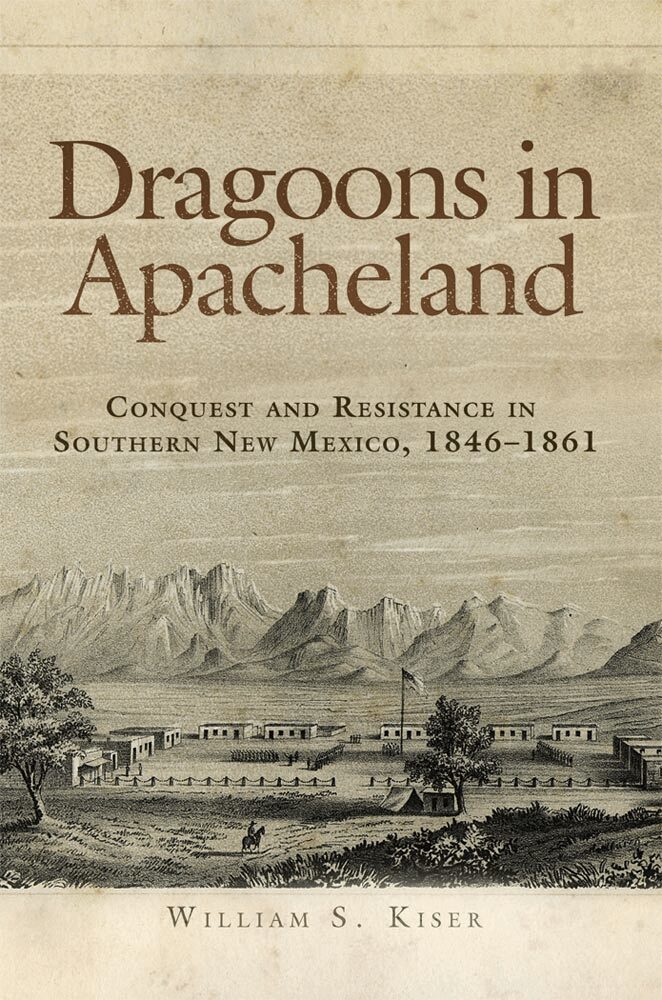
Dragoons in Apacheland
Conquest and Resistance in Southern New Mexico, 1846–1861
Häftad, Engelska, 2014
239 kr
Skickas inom 10-15 vardagar
In the fifteen years prior to the American Civil War, the U.S. Army established a presence in southern New Mexico, the homeland of Mescalero, Mimbres, and Mogollon bands of the Apache Indians. From the army's perspective, the Apaches presented an obstacle to be overcome in making the region - newly acquired in the Mexican-American War - safe for Anglo settlers. In Dragoons in Apacheland, William S. Kiser recounts the conflicts that ensued and examines how both Apache warriors and American troops shaped the future of the Southwest Borderlands.Kiser narrates two distinct contests. The Apaches were defending their territory against the encroachment of soldiers and settlers. At the same time, the Anglo-Americans maneuvered against one another in a competition for political and economic power and for Apache territory. Cross-cultural misunderstandings, political corruption in Santa Fe and Washington, anti-Indian racism, troublemakers among both Apaches and settlers, irresponsible army officers and troops, corrupt American and Mexican traders, and policy disagreements among government officials all contributed to the ongoing hostilities. Kiser examines the behaviors and motivations of individuals involved in all aspects of these local, regional, and national disputes.Kiser is one of only a few historians to deal with this crucial period in Indian-white relations in the Southwest - and the first to detail the experiences of the First and Second United States Dragoons, elite mounted troops better equipped and trained than infantry to confront Apache guerrilla warriors more accustomed to the southwestern environment. Often led by the Gila leader Mangas Coloradas, the Apaches fought desperately to protect their lands and way of life. The Americans, Kiser shows, used unauthorized tactics of total warfare, encouraging field units to attack villages and destroy crops and livestock, particularly when the Apaches refused to engage the troops in pitched battles.Kiser's insights into the pre-Civil War conflicts in southern New Mexico are essential to a deeper understanding of the larger U.S.-Apache war that culminated in the heroic resistance of Cochise, Victorio, and Geronimo.
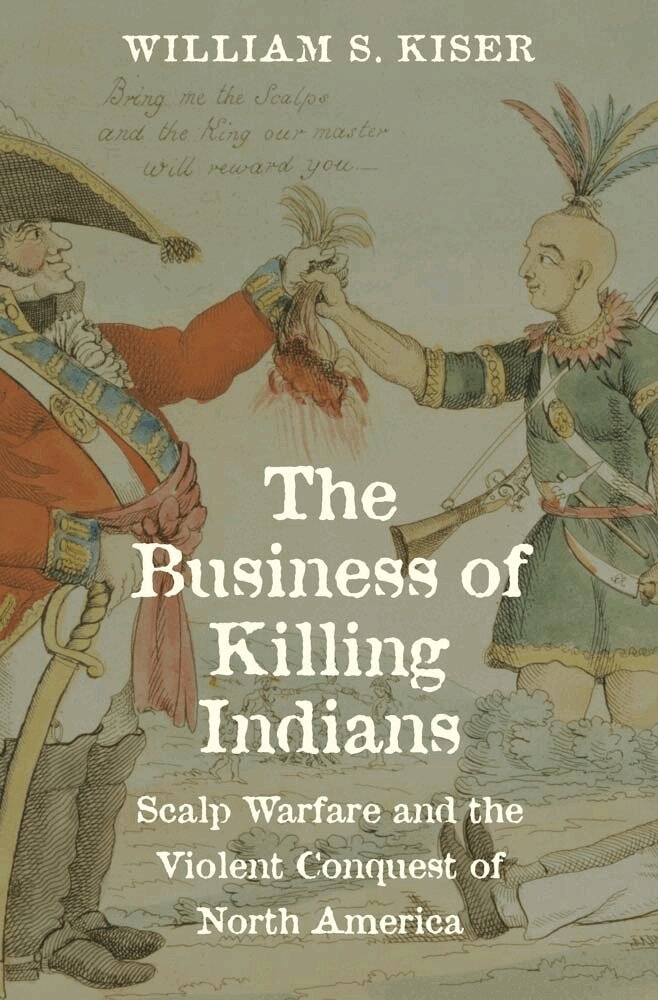
Business of Killing Indians
Scalp Warfare and the Violent Conquest of North America
Inbunden, Engelska, 2025
329 kr
Skickas inom 7-10 vardagar
How colonial conquest was driven by state-sponsored, profit-driven campaigns to murder and mutilate Indian peoples in North America From the mid-1600s through the late 1800s, states sponsored scalp bounties and volunteer campaigns to murder and mutilate thousands of Indians throughout North America. Since central governments in Amsterdam, Paris, London, Mexico City, and Washington, DC, failed to provide adequate military support and financial resources for colonial frontier defense, administrators in regional capitals such as New York, Québec City, New Orleans, Boston, Ciudad Chihuahua, Austin, and Sacramento took matters into their own hands. At different times and in almost every part of the continent, they paid citizens for killing Indians, taking Indians captive, scalping or beheading Indians, and undertaking other forms of performative violence. As militant operatives and civilians alike struggled to prevail over Indigenous forces they considered barbaric and savage, they engaged in not just plundering, slaving, and killing but also dismembering corpses for symbolic purposes and for profit. Although these tactics mostly failed in their intent to exterminate populations, state sponsorship of indiscriminate violence took a significant demographic toll by flooding frontier zones with murderous units whose campaigns diminished Indigenous power, reduced tribal populations, and forced weakened survivors away from traditional homelands. High wages for volunteer campaigning, along with cash bounties for Indian body parts and the ability to take captives and keep valuable plunder, promoted a state-sponsored profit opportunity for civilians.
357 kr
Skickas inom 7-10 vardagar
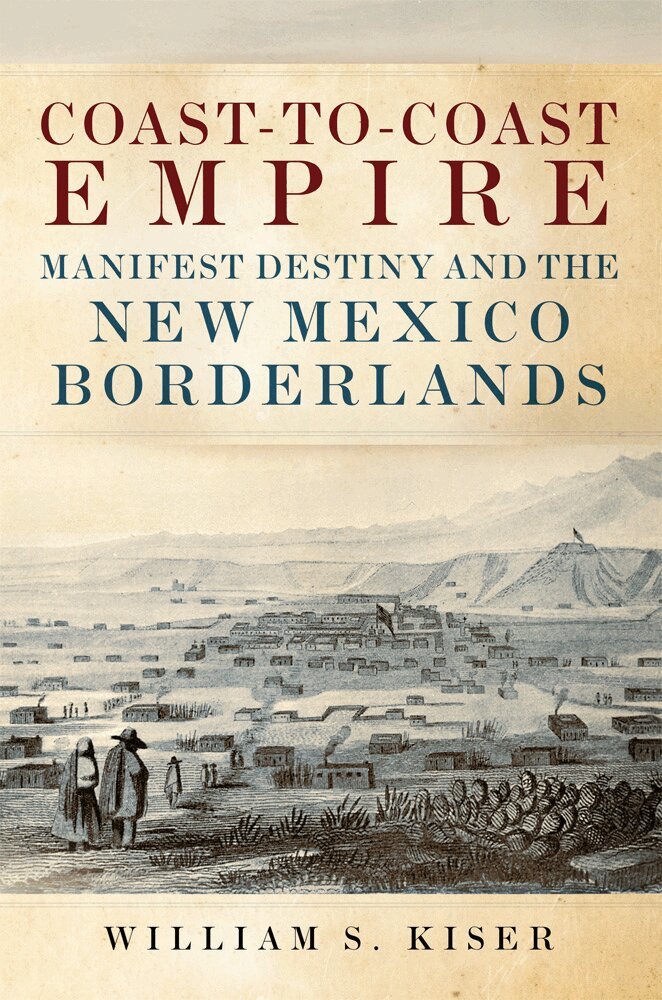
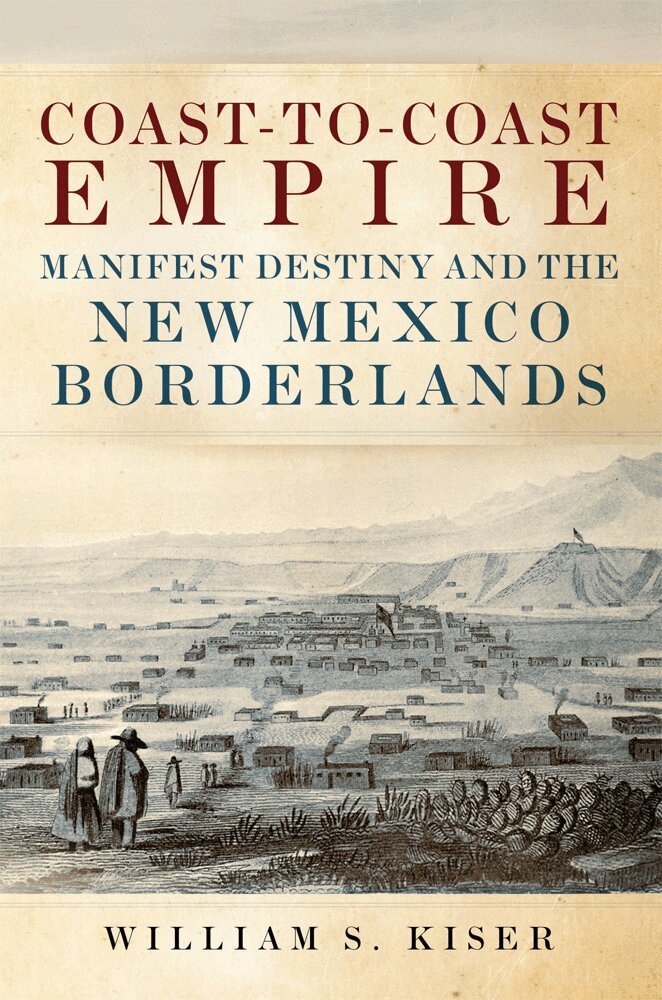
Following Zebulon Pike's expeditions in the early nineteenth century, U.S. expansionists focused their gaze on the Southwest. Explorers, traders, settlers, boundary adjudicators, railway surveyors, and the U.S. Army crossed into and through New Mexico, transforming it into a battleground for competing influences determined to control the region.Previous histories have treated the Santa Fe trade, the American occupation under Colonel Stephen W. Kearny, the antebellum Indian Wars, debates over slavery, the Pacific Railway, and the Confederate invasion during the Civil War as separate events in New Mexico. In Coast-to-Coast Empire, William S. Kiser demonstrates instead that these developments were interconnected parts of a process by which the United States effected the political, economic, and ideological transformation of the region.New Mexico was an early proving ground for Manifest Destiny, the belief that U.S. possession of the entire North American continent was inevitable. Kiser shows that the federal government's military commitment to the territory stemmed from its importance to U.S. expansion. Americans wanted California, but in order to retain possession of it and realize its full economic and geopolitical potential, they needed New Mexico as a connecting thoroughfare in their nation-building project. The use of armed force to realize this claim fundamentally altered New Mexico and the Southwest. Soldiers marched into the territory at the onset of the Mexican-American War and occupied it continuously through the 1890s, leaving an indelible imprint on the region's social, cultural, political, judicial, and economic systems.By focusing on the activities of a standing army in a civilian setting, Kiser reshapes the history of the Southwest, underlining the role of the military not just in obtaining territory but in retaining it.
356 kr
Skickas inom 5-8 vardagar
Following Zebulon Pike’s expeditions in the early nineteenth century, U.S. expansionists focused their gaze on the Southwest. Explorers, traders, settlers, boundary adjudicators, railway surveyors, and the U.S. Army crossed into and through New Mexico, transforming it into a battleground for competing influences determined to control the region.Previous histories have treated the Santa Fe trade, the American occupation under Colonel Stephen W. Kearny, the antebellum Indian Wars, debates over slavery, the Pacific Railway, and the Confederate invasion during the Civil War as separate events in New Mexico. In Coast-to-Coast Empire, William S. Kiser demonstrates instead that these developments were interconnected parts of a process by which the United States effected the political, economic, and ideological transformation of the region.New Mexico was an early proving ground for Manifest Destiny, the belief that U.S. possession of the entire North American continent was inevitable. Kiser shows that the federal government’s military commitment to the territory stemmed from its importance to U.S. expansion. Americans wanted California, but in order to retain possession of it and realize its full economic and geopolitical potential, they needed New Mexico as a connecting thoroughfare in their nation-building project. The use of armed force to realize this claim fundamentally altered New Mexico and the Southwest. Soldiers marched into the territory at the onset of the Mexican-American War and occupied it continuously through the 1890s, leaving an indelible imprint on the region’s social, cultural, political, judicial, and economic systems.By focusing on the activities of a standing army in a civilian setting, Kiser reshapes the history of the Southwest, underlining the role of the military not just in obtaining territory but in retaining it.
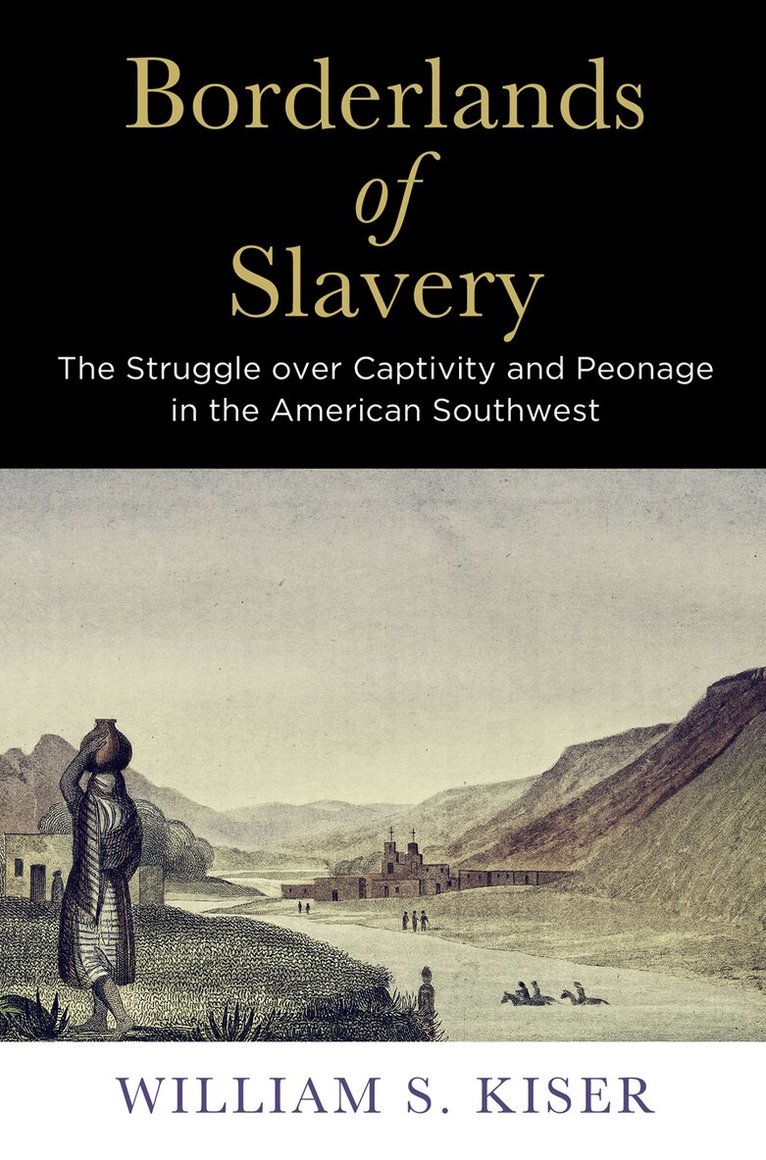
Borderlands of Slavery
The Struggle Over Captivity and Peonage in the American Southwest
Häftad, Engelska, 2021
317 kr
Skickas inom 7-10 vardagar
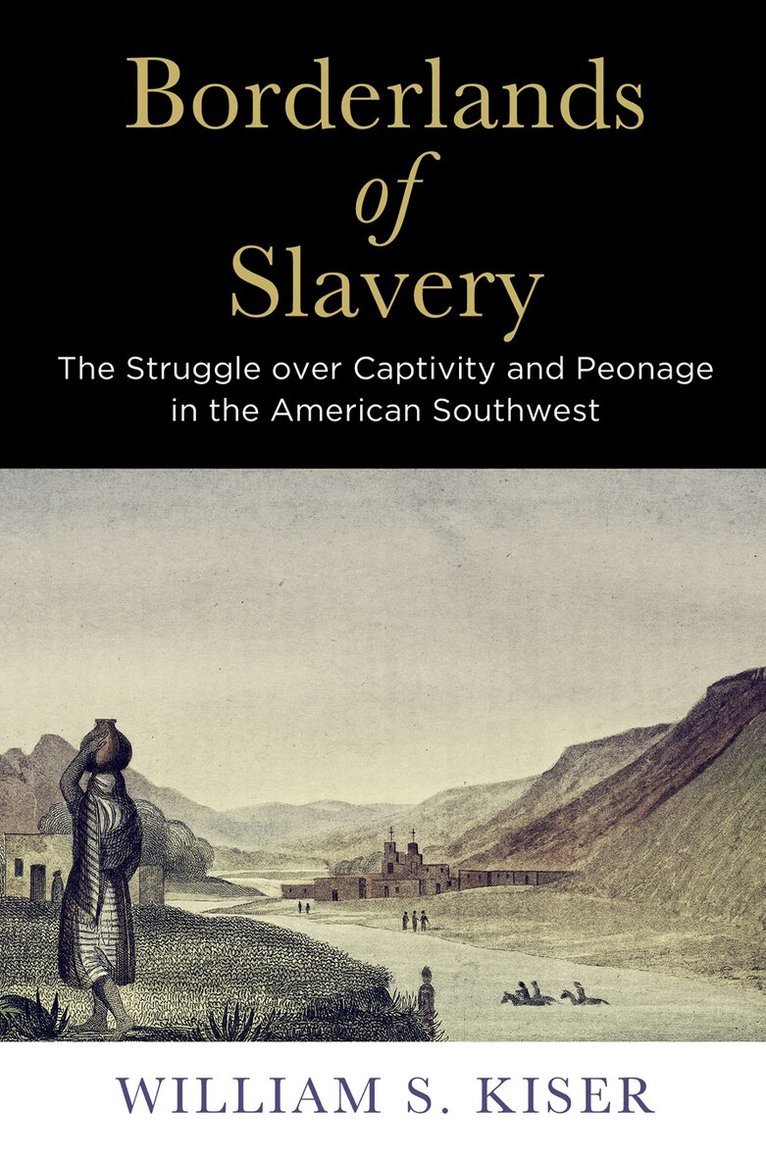
It is often taken as a simple truth that the Civil War and the Thirteenth Amendment to the Constitution ended slavery in the United States. In the Southwest, however, two coercive labor systems, debt peonage-in which a debtor negotiated a relationship of servitude, often lifelong, to a creditor-and Indian captivity, not only outlived the Civil War but prompted a new struggle to define freedom and bondage in the United States.In Borderlands of Slavery, William S. Kiser presents a comprehensive history of debt peonage and Indian captivity in the territory of New Mexico after the Civil War. It begins in the early 1700s with the development of Indian slavery through slave raiding and fictive kinship. By the early 1800s, debt peonage had emerged as a secondary form of coerced servitude in the Southwest, augmenting Indian slavery to meet increasing demand for labor. While indigenous captivity has received considerable scholarly attention, the widespread practice of debt peonage has been largely ignored. Kiser makes the case that these two intertwined systems were of not just regional but also national importance and must be understood within the context of antebellum slavery, the Civil War, emancipation, and Reconstruction.Kiser argues that the struggle over Indian captivity and debt peonage in the Southwest helped both to broaden the public understanding of forced servitude in post-Civil War America and to expand political and judicial philosophy regarding free labor in the reunified republic. Borderlands of Slavery emphasizes the lasting legacies of captivity and peonage in Southwestern culture and society as well as in the coercive African American labor regimes in the Jim Crow South that persevered into the early twentieth century.
Borderlands of Slavery
The Struggle Over Captivity and Peonage in the American Southwest
Inbunden, Engelska, 2017
1 100 kr
Skickas inom 10-15 vardagar
It is often taken as a simple truth that the Civil War and the Thirteenth Amendment to the Constitution ended slavery in the United States. In the Southwest, however, two coercive labor systems, debt peonage-in which a debtor negotiated a relationship of servitude, often lifelong, to a creditor-and Indian captivity, not only outlived the Civil War but prompted a new struggle to define freedom and bondage in the United States.In Borderlands of Slavery, William S. Kiser presents a comprehensive history of debt peonage and Indian captivity in the territory of New Mexico after the Civil War. It begins in the early 1700s with the development of Indian slavery through slave raiding and fictive kinship. By the early 1800s, debt peonage had emerged as a secondary form of coerced servitude in the Southwest, augmenting Indian slavery to meet increasing demand for labor. While indigenous captivity has received considerable scholarly attention, the widespread practice of debt peonage has been largely ignored. Kiser makes the case that these two intertwined systems were of not just regional but also national importance and must be understood within the context of antebellum slavery, the Civil War, emancipation, and Reconstruction.Kiser argues that the struggle over Indian captivity and debt peonage in the Southwest helped both to broaden the public understanding of forced servitude in post-Civil War America and to expand political and judicial philosophy regarding free labor in the reunified republic. Borderlands of Slavery emphasizes the lasting legacies of captivity and peonage in Southwestern culture and society as well as in the coercive African American labor regimes in the Jim Crow South that persevered into the early twentieth century.
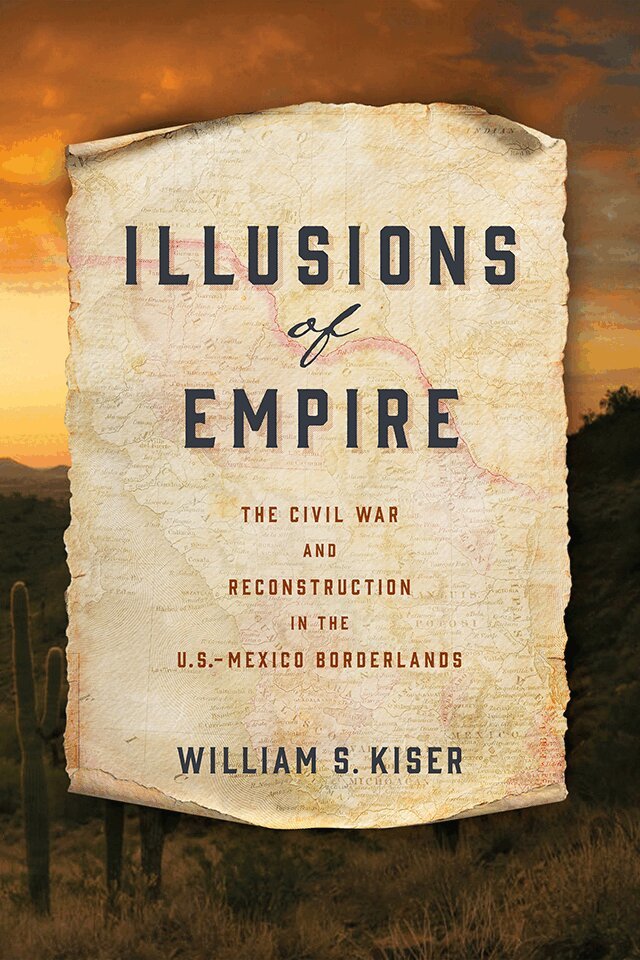
Illusions of Empire
The Civil War and Reconstruction in the U.S.-Mexico Borderlands
Inbunden, Engelska, 2021
600 kr
Skickas inom 7-10 vardagar
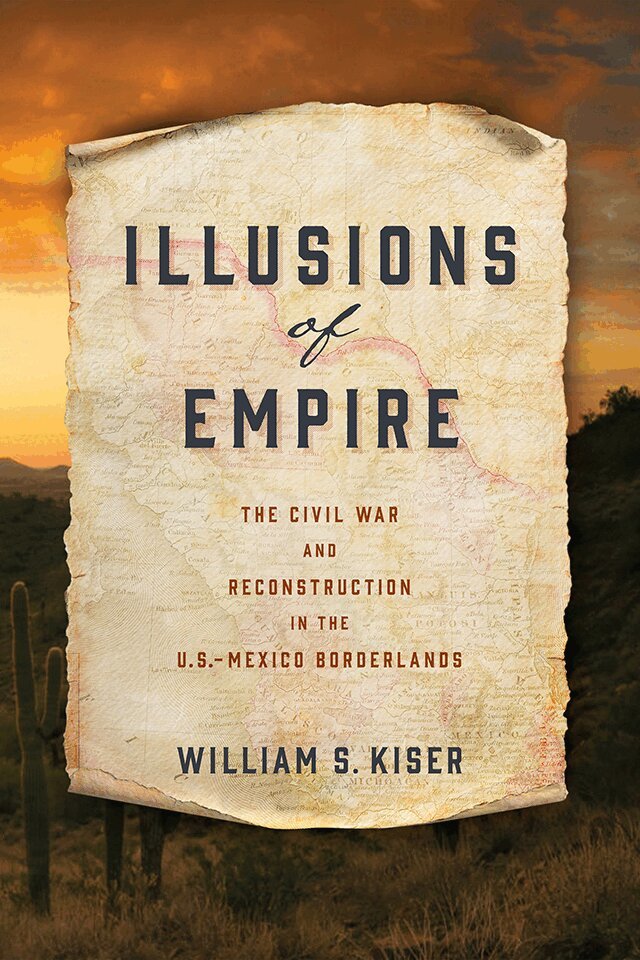
Illusions of Empire adopts a multinational view of North American borderlands, examining the ways in which Mexico's North overlapped with the U.S. Southwest in the context of diplomacy, politics, economics, and military operations during the Civil War era.William S. Kiser examines a fascinating series of events in which a disparate group of historical actors vied for power and control along the U.S.-Mexico border: from Union and Confederate generals and presidents, to Indigenous groups, diplomatic officials, bandits, and revolutionaries, to a Mexican president, a Mexican monarch, and a French king. Their unconventional approaches to foreign relations demonstrate the complex ways that individuals influence the course of global affairs and reveal that borderlands simultaneously enable and stifle the growth of empires.This is the first study to treat antebellum U.S. foreign policy, Civil War campaigning, the French Intervention in Mexico, Southwestern Indian Wars, South Texas Bandit Wars, and U.S. Reconstruction in a single volume, balancing U.S. and Mexican source materials to tell an important story of borderlands conflict with ramifications that are still felt in the region today.
239 kr
Skickas inom 10-15 vardagar
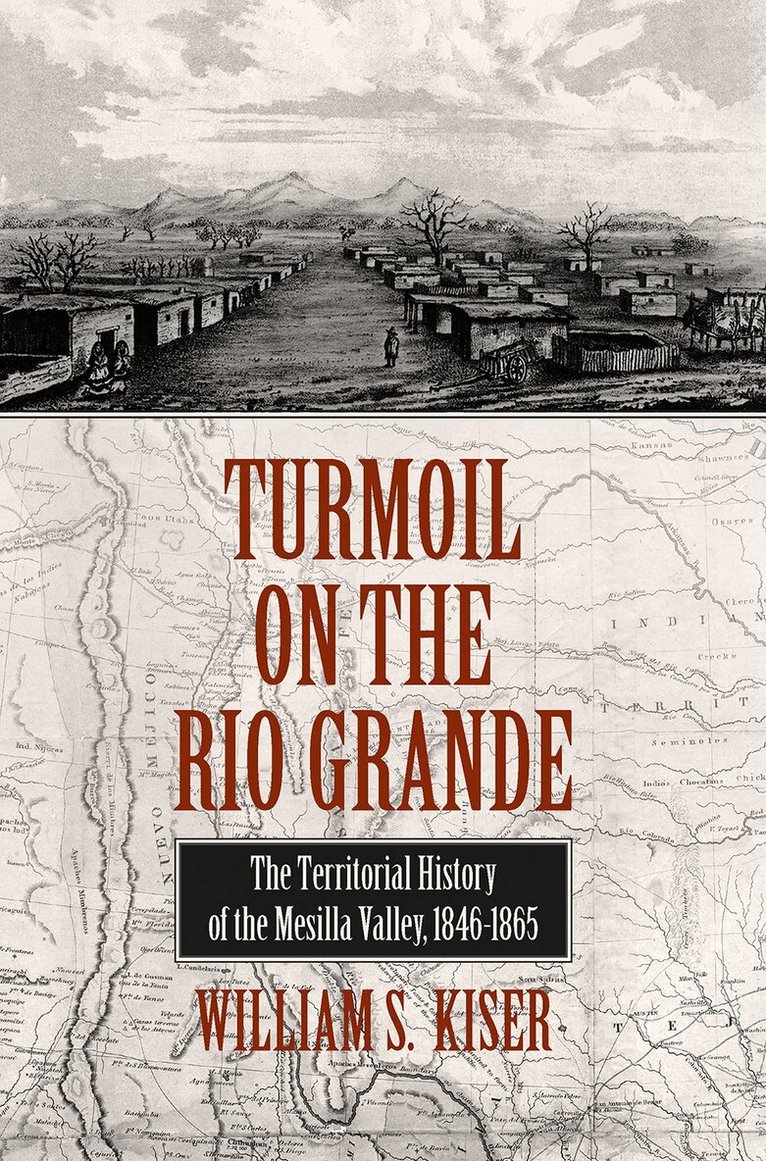
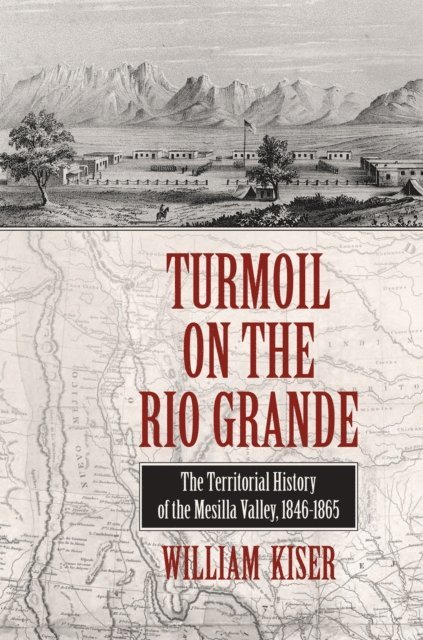
The mid-nineteenth century was a tumultuous yet formative time for the Mesilla Valley, home to present-day Las Cruces, New Mexico. With the coming of the U.S. Army to Mexican territory in 1846, the region became the site of a continent-shaping power struggle between two rival nations.Then Mexican governor Manuel Armijo unexpectedly fled Santa Fe, he left the New Mexico territory undefended, and it fell to forces under Brigadier General Stephen Watts Kearny in a bloodless occupation. In the ensuing two decades, the southern portion of New Mexico's Rio Grande Valley played a prominent role in the conflict that overtook the infant American territory.In Turmoil on the Rio Grande, William S. Kiser has mined primary archives and secondary materials alike to tell the story of those rough-and-tumble years and to highlight the effect the region had in the developing U.S. empire of the West. Kiser carefully limns in the culture into which the U.S. soldiers inserted themselves before going on to describe the armed forces that arrived and the actions in which they were involved. From the thirty-minute Battle of Brazito—in which the greenhorn recruits of the 1st Regiment of Missouri Volunteers, led by Col. Alexander Doniphan, vanquished Mexican troops through superior technology—to the Treaty of Guadalupe-Hidalgo, the international boundary disputes, and the Confederate victory at Fort Fillmore, Kiser deftly describes the actions that made the Mesilla Valley important in American history.