William Stueck – författare
Visar alla böcker från författaren William Stueck. Handla med fri frakt och snabb leverans.
9 produkter
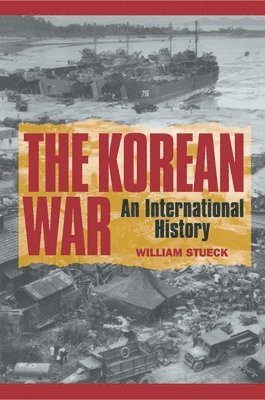
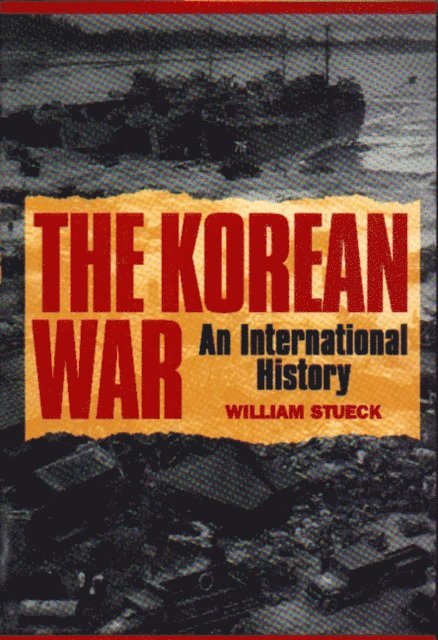
Korean War
An International History
Häftad, 1997
476 kr
Lägg i varukorg
This first truly international history of the Korean War argues that by its timing, its course, and its outcome it functioned as a substitute for World War III. Stueck draws on recently available materials from seven countries, plus the archives of the United Nations, presenting a detailed …
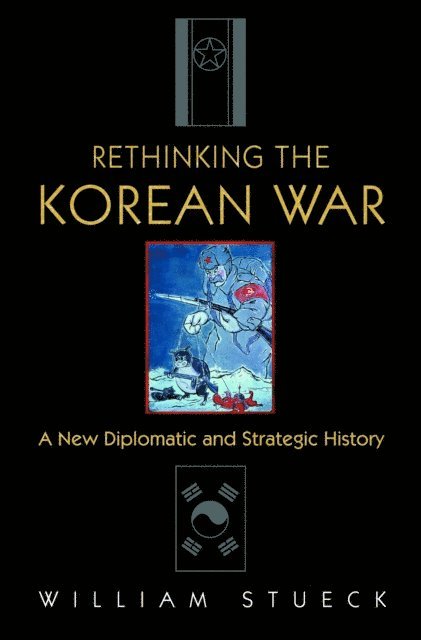
Rethinking the Korean War
A New Diplomatic and Strategic History
Häftad, 2004
396 kr
Lägg i varukorg
Fought on what to Westerners was a remote peninsula in northeast Asia, the Korean War was a defining moment of the Cold War. It militarized a conflict that previously had been largely political and economic. And it solidified a series of divisions--of Korea into North and South, of Germany and …
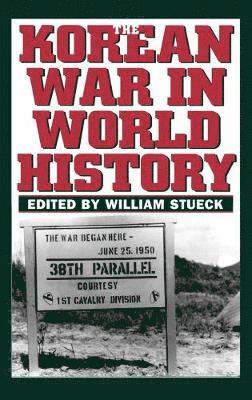
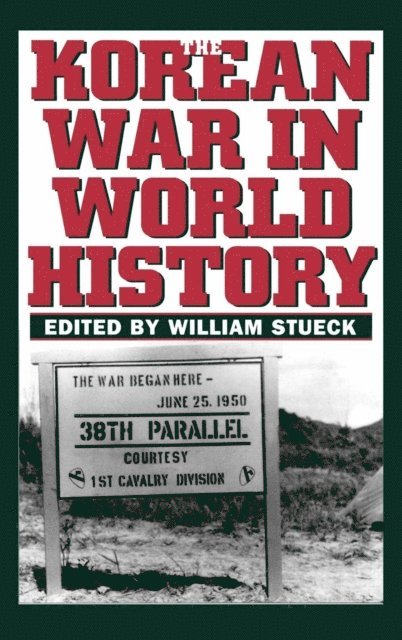
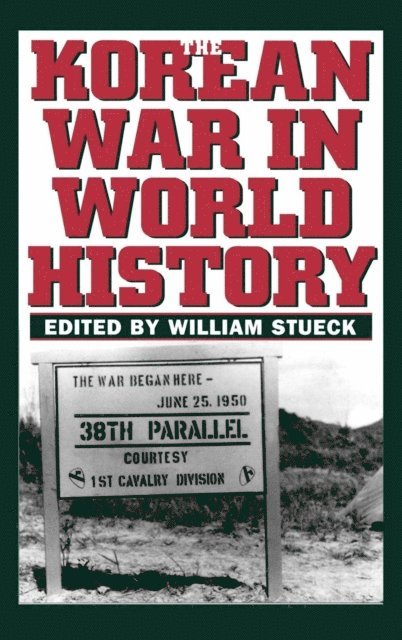
Korean War in World History
Inbunden, 2004
587 kr
Lägg i varukorg
The Korean War in World History features the accomplishments of noted scholars over the last decade and lays the groundwork for the next generation of scholarship. These essays present the latest thinking on the Korean War, focusing on the relationship of one country to the war. William Stueck's …
Korean War in World History
E-bok, 2010
551 kr
Lägg i varukorg
The Korean War in World History features the accomplishments of noted scholars over the last decade and lays the groundwork for the next generation of scholarship. These essays present the latest thinking on the Korean War, focusing on the relationship of one country to the war. William Stueck''s …
Korean War in World History
E-bok, 2004
539 kr
Lägg i varukorg
The Korean War in World History features the accomplishments of noted scholars over the last decade and lays the groundwork for the next generation of scholarship. These essays present the latest thinking on the Korean War, focusing on the relationship of one country to the war. William Stueck''s …
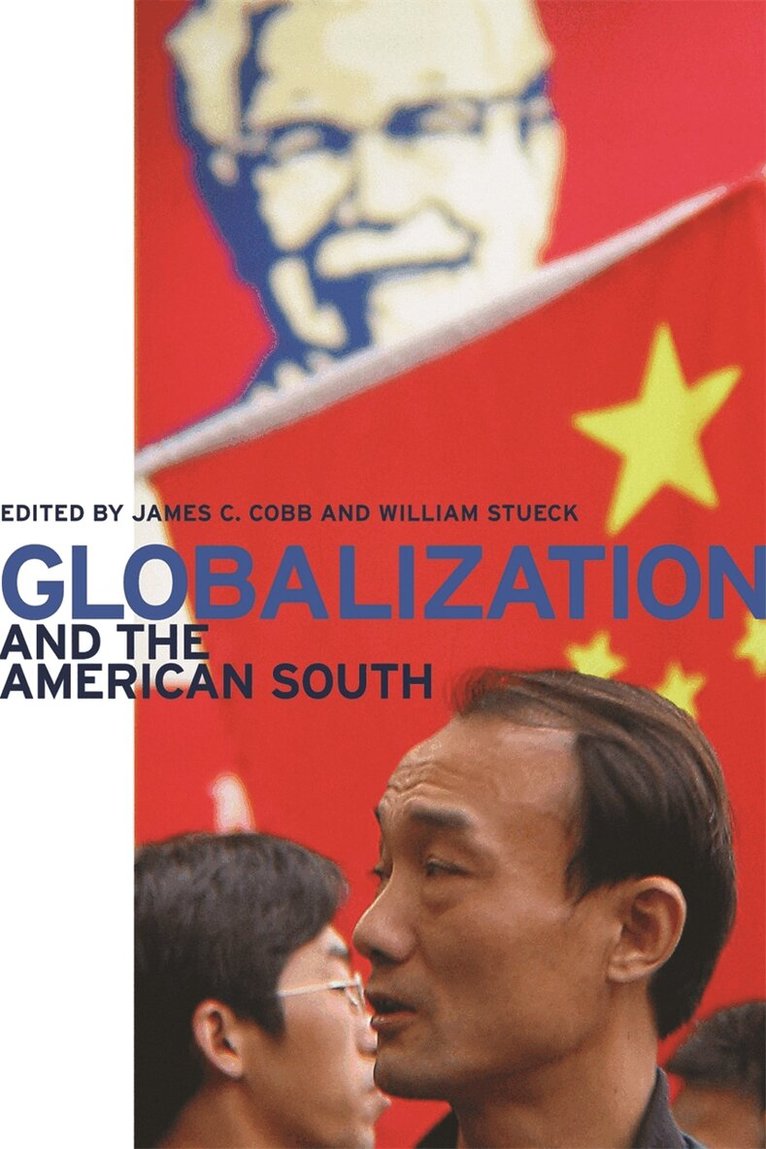
Globalization and the American South
Av James C. Cobb, William Stueck
Häftad, 2005
477 kr
Lägg i varukorg
In 1955 the Fortune magazine list of America's largest corporations included just 18 with headquarters in the Southeast. By 2002 the number had grown to 123. In fact, the South attracted over half of the foreign businesses drawn to the United States in the 1990s. The eight original essays collected …
Korean War
An International History
E-bok, 1997
661 kr
Lägg i varukorg
This first truly international history of the Korean War argues that by its timing, its course, and its outcome it functioned as a substitute for World War III. Stueck draws on recently available materials from seven countries, plus the archives of the United Nations, presenting a detailed …
Rethinking the Korean War
A New Diplomatic and Strategic History
E-bok, 2013
514 kr
Lägg i varukorg
Fought on what to Westerners was a remote peninsula in northeast Asia, the Korean War was a defining moment of the Cold War. It militarized a conflict that previously had been largely political and economic. And it solidified a series of divisions--of Korea into North and South, of Germany and …
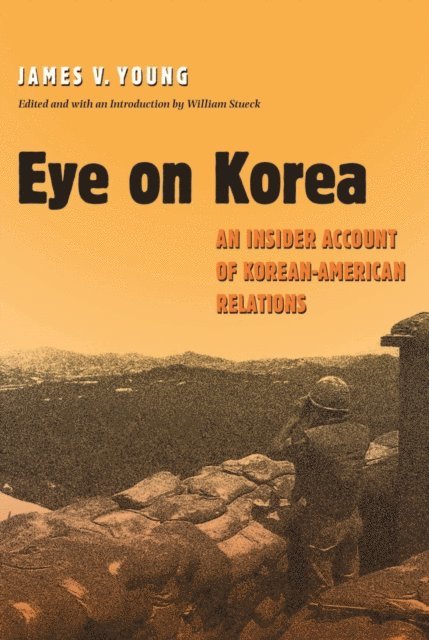
Eye on Korea
An Insider Account of Korean-American Relations
Av James V. Young, William Stueck
E-bok, 2003
345 kr
Lägg i varukorg
Col. James V. Young spent almost twenty years in Asia, including fourteen in Korea. Here, he writes with the expertise of an old Korea hand about a period that saw South Korea develop from an agrarian economy to a modern industrial state. Young volunteered in 1969 for a new program aimed at …