William T. Armaline – författare
Visar alla böcker från författaren William T. Armaline. Handla med fri frakt och snabb leverans.
10 produkter
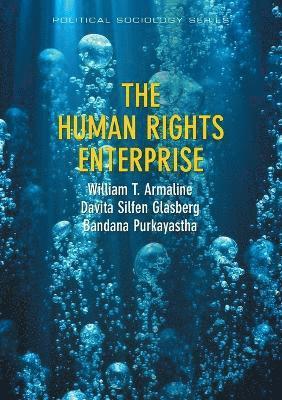
Human Rights Enterprise
Political Sociology, State Power, and Social Movements
Av William T. Armaline, Davita S. Glasberg m. fl.
Häftad, 2014
292 kr
Lägg i varukorg
Why do powerful states like the U.S., U.K., China, and Russia repeatedly fail to meet their international legal obligations as defined by human rights instruments? How does global capitalism affect states’ ability to implement human rights, particularly in the context of global recession, state …
Human Rights Enterprise
Political Sociology, State Power, and Social Movements
Av William T. Armaline, Davita S. Glasberg m. fl.
Inbunden, 2014
698 kr
Lägg i varukorg
Why do powerful states like the U.S., U.K., China, and Russia repeatedly fail to meet their international legal obligations as defined by human rights instruments? How does global capitalism affect states’ ability to implement human rights, particularly in the context of global recession, state …
Human Rights Enterprise
Political Sociology, State Power, and Social Movements
Av Bandana Purkayastha, Davita S. Glasberg m. fl.
E-bok, 2015
277 kr
Lägg i varukorg
Why do powerful states like the U.S., U.K., China, and Russia repeatedly fail to meet their international legal obligations as defined by human rights instruments? How does global capitalism affect states’ ability to implement human rights, particularly in the context of global recession, state …
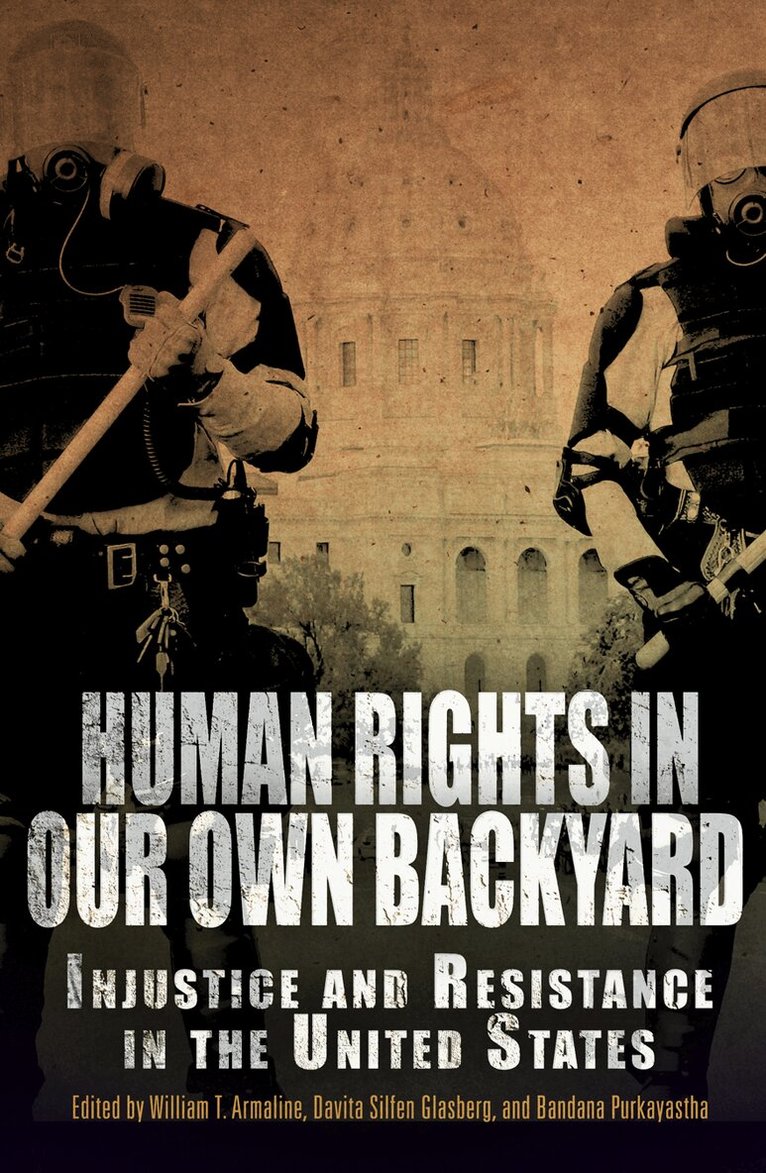
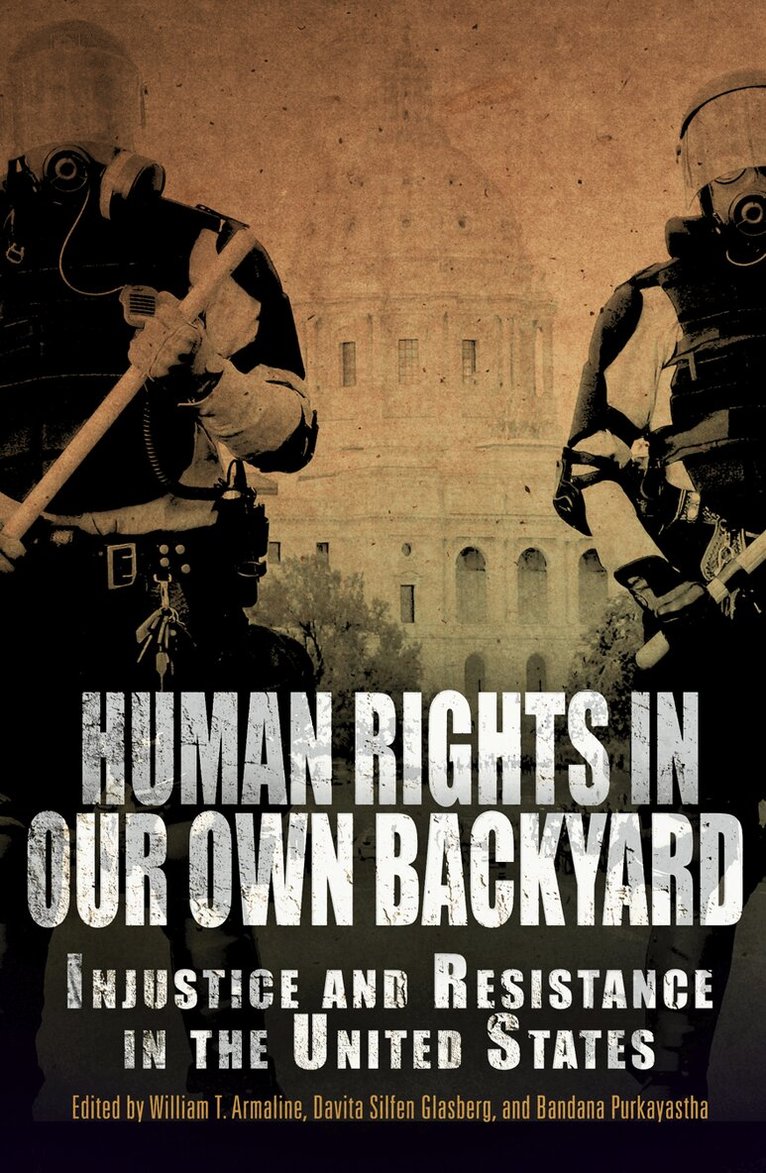
Human Rights in Our Own Backyard
Injustice and Resistance in the United States
Av William T. Armaline, Davita Silfen Glasberg m. fl.
E-bok, 2011
450 kr
Lägg i varukorg
Most Americans assume that the United States provides a gold standard for human rights-a 2007 survey found that 80 percent of U.S. adults believed that "the U.S. does a better job than most countries when it comes to protecting human rights." As well, discussions among scholars and public officials …
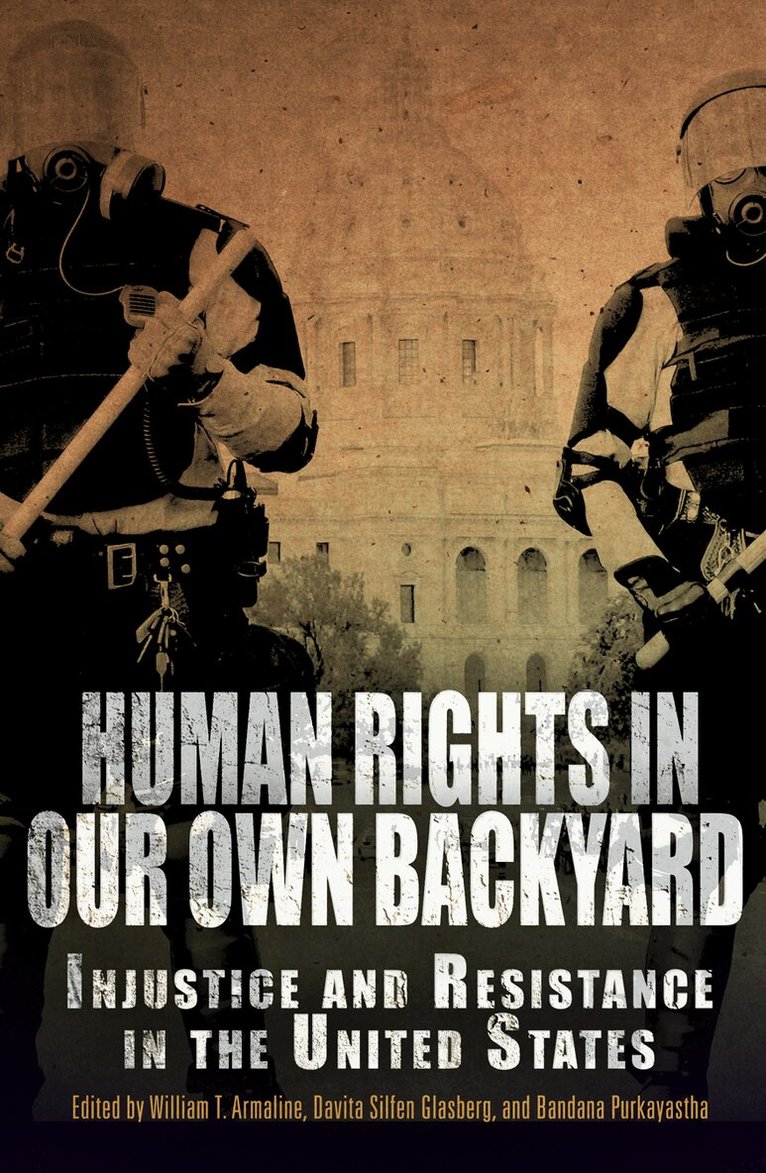
Human Rights in Our Own Backyard
Injustice and Resistance in the United States
Av William T, Armaline, William T. Armaline m. fl.
Häftad, 2013
358 kr
Lägg i varukorg
Most Americans assume that the United States provides a gold standard for human rights-a 2007 survey found that 80 percent of U.S. adults believed that "the U.S. does a better job than most countries when it comes to protecting human rights." As well, discussions among scholars and public officials …
Human Rights in Our Own Backyard
Injustice and Resistance in the United States
Av William T. Armaline, Davita Silfen Glasberg m. fl.
Inbunden, 2011
626 kr
Lägg i varukorg
Most Americans assume that the United States provides a gold standard for human rights-a 2007 survey found that 80 percent of U.S. adults believed that "the U.S. does a better job than most countries when it comes to protecting human rights." As well, discussions among scholars and public officials …
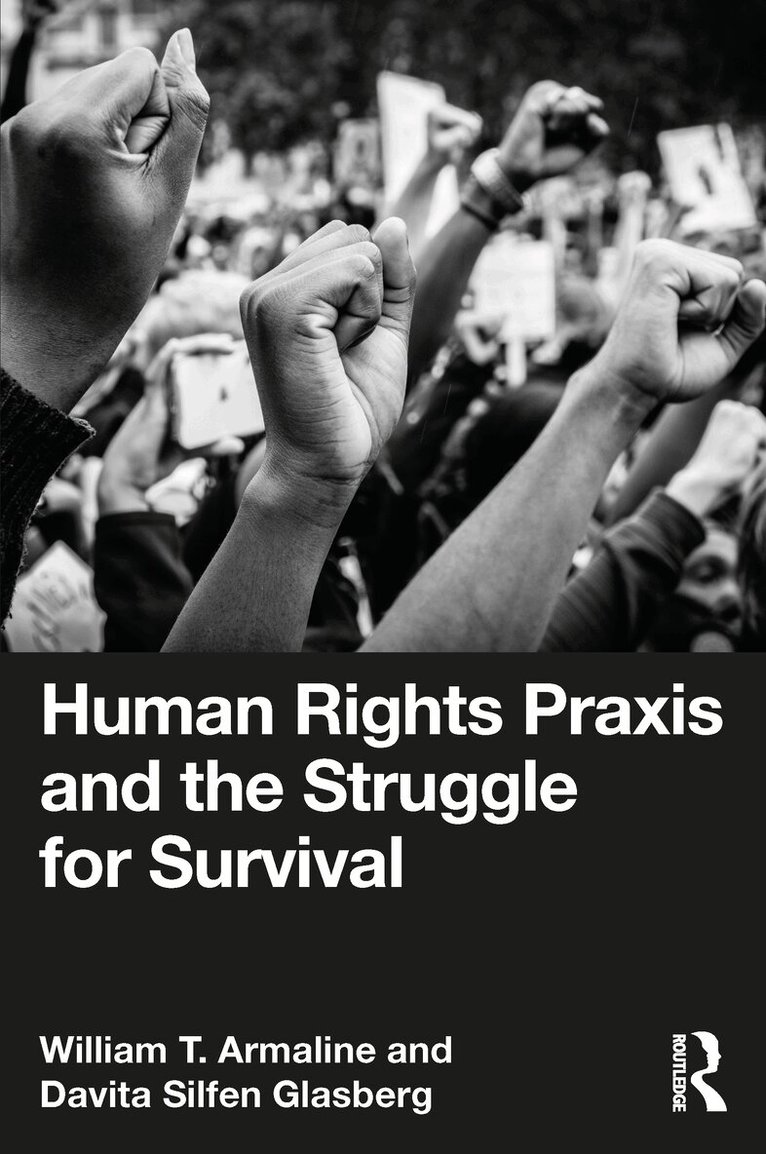
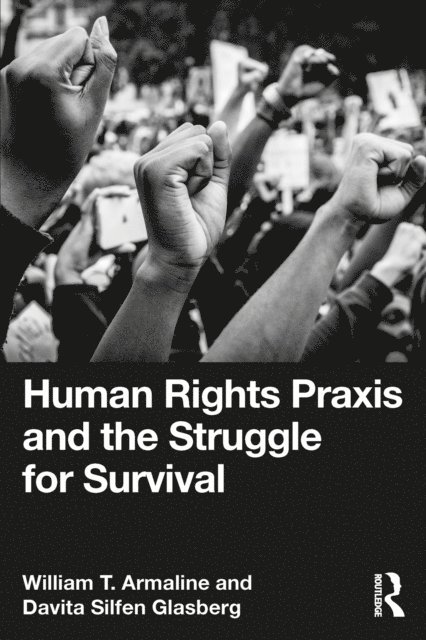
Human Rights Praxis and the Struggle for Survival
Av William T. Armaline, Davita Silfen Glasberg
Häftad, 2024
591 kr
Lägg i varukorg
Asserting a critical sociological perspective, Human Rights Praxis and the Struggle for Survival reveals the contested historical processes through which fundamental human needs are constructed as “rights” under international law, and how those rights are confronted by the ruling relations and …
Human Rights Praxis and the Struggle for Survival
Av William T. Armaline, Davita Silfen Glasberg
Inbunden, 2024
2051 kr
Lägg i varukorg
Asserting a critical sociological perspective, Human Rights Praxis and the Struggle for Survival reveals the contested historical processes through which fundamental human needs are constructed as “rights” under international law, and how those rights are confronted by the ruling relations and …
Human Rights Praxis and the Struggle for Survival
Av Davita Silfen Glasberg, William T. Armaline
E-bok, 2024
693 kr
Lägg i varukorg
Asserting a critical sociological perspective, Human Rights Praxis and the Struggle for Survival reveals the contested historical processes through which fundamental human needs are constructed as “rights” under international law, and how those rights are confronted by the ruling relations and …
Human Rights Praxis and the Struggle for Survival
Av Davita Silfen Glasberg, William T. Armaline
E-bok, 2024
693 kr
Lägg i varukorg
Asserting a critical sociological perspective, Human Rights Praxis and the Struggle for Survival reveals the contested historical processes through which fundamental human needs are constructed as “rights” under international law, and how those rights are confronted by the ruling relations and …